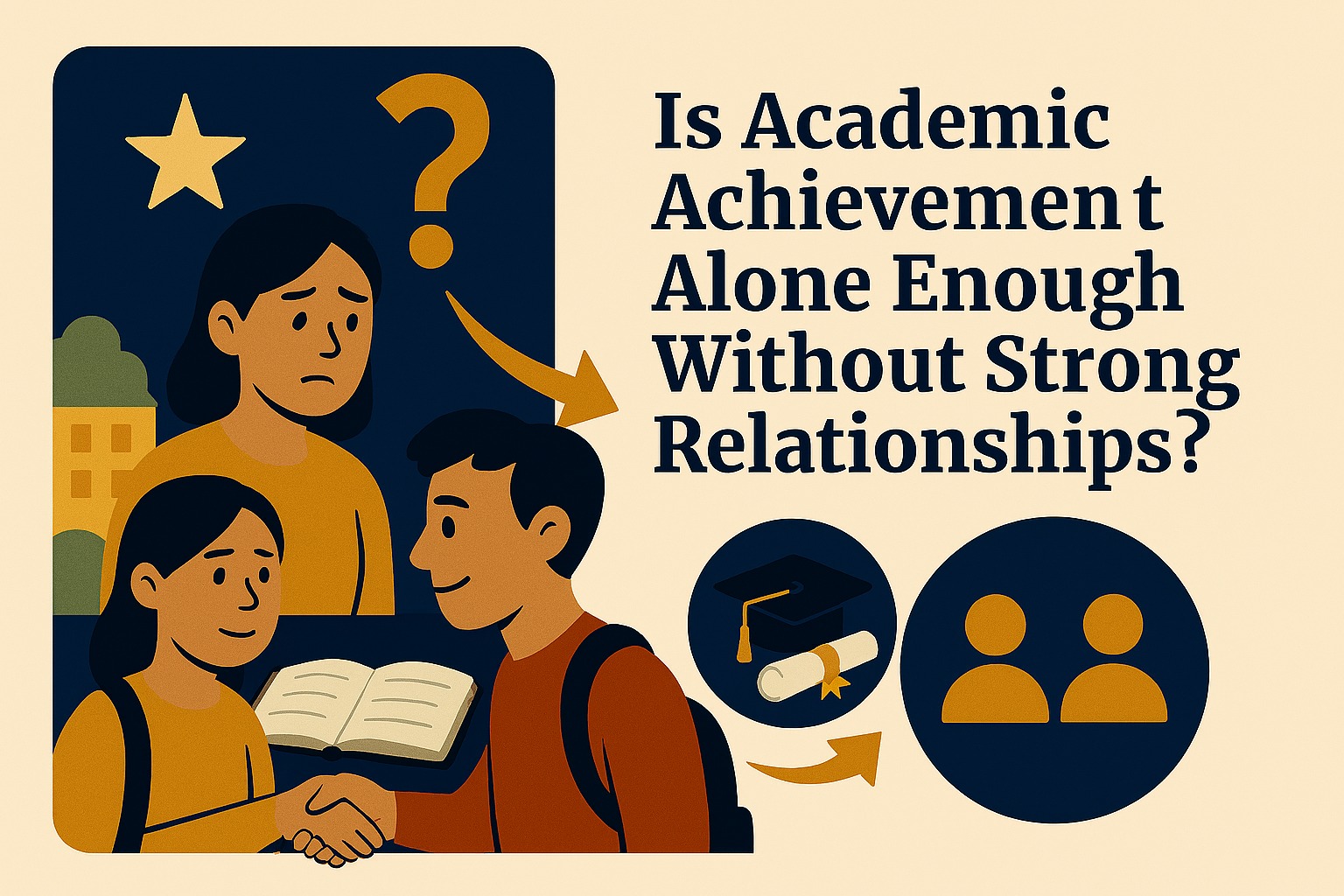
An academic relationship refers to the structured, professional connection between students, mentors, and faculty members within higher education environments. These partnerships are defined by intellectual exchange, pedagogical guidance, and ethical standards, functioning as the primary mechanism for knowledge transfer, professional development, and collaborative research productivity.
Defining the Academic Relationship
At its core, the academic relationship is a fiduciary-adjacent arrangement wherein an educator or mentor assumes responsibility for the intellectual growth of a student or junior researcher. Unlike purely social or transactional associations, this bond is governed by institutional policies, codes of ethics, and the pursuit of scholarly excellence. It transcends simple classroom instruction, often evolving into apprenticeship models, particularly at the graduate and doctoral levels.
These relationships are fundamentally asymmetrical in terms of power dynamics. The faculty member holds authority over grades, professional recommendations, and access to resources, while the student relies on this guidance to navigate their career trajectory. Recognizing this hierarchy is essential for both parties to ensure the dynamic remains productive, fair, and free from exploitation. Transparency regarding expectations, communication styles, and administrative boundaries at the outset of the relationship is the most effective way to prevent future conflicts.
The Role of Mentorship and Supervision
Mentorship represents the most intense form of an academic relationship. In 2026, many universities have formalized these connections through structured supervision programs to ensure that PhD candidates and postdoctoral fellows receive consistent, high-quality support. A successful mentor-mentee relationship relies on a clear understanding of the “hidden curriculum”—the unspoken rules of academia, such as how to publish, secure grants, and navigate departmental politics.
Effective supervision is characterized by:
- Regular Feedback Loops: Consistent, actionable critiques on work products rather than personality-based commentary.
- Goal Alignment: Periodic meetings to review long-term career objectives, ensuring that the student’s research tasks align with their future employability.
- Resource Advocacy: The mentor actively introduces the student to broader scholarly networks, conferences, and collaborative opportunities.
When these elements are absent, the relationship can stagnate, leading to disengagement or the prolongation of degree completion. Mentees are encouraged to take an active role in these relationships by setting agendas for meetings and communicating their specific developmental needs clearly.
Establishing Professional Boundaries
Maintaining appropriate boundaries is the cornerstone of a healthy academic relationship. Institutions, such as those governed by the American Association of University Professors (AAUP), maintain strict policies regarding dual relationships—situations where a faculty member has both an academic and a personal or commercial relationship with a student.
Conflicts of interest arise most frequently when power dynamics are blurred. For instance, engaging in social activities that involve alcohol or personal intimacy can compromise the objective evaluation of a student’s work. In 2026, the rise of digital communication has added complexity to these boundaries. While email and messaging platforms facilitate faster feedback, they also risk the erosion of professional distance. Educators should utilize institutional portals and official university email addresses for all communication to maintain a verifiable trail of correspondence and professional conduct.
Comparison of Academic Interaction Models
The following table categorizes different modes of academic interaction based on the intensity of the engagement and the nature of the institutional oversight involved.
| Interaction Type | Primary Focus | Power Balance | Typical Duration |
|---|---|---|---|
| Instructor-Student | Content Mastery | Asymmetric (High) | One Semester |
| Academic Advising | Degree Compliance | Professional/Formal | Multi-year |
| Research Supervision | Original Contribution | Apprentice Model | 2–5 Years |
| Peer Mentorship | Social/Academic Peer | Symmetric | Variable |
| Thesis Committee | Quality Control/Review | Distributed | 1–3 Years |
Managing Disputes and Grievance Procedures
Despite best efforts, academic relationships can break down due to personality clashes, differing expectations, or perceived bias. Every university provides a formal pathway for mediation, typically beginning at the department chair or graduate program director level. Before initiating a formal grievance, students are advised to document instances where the academic relationship has failed to meet departmental standards or ethical expectations.
In cases where communication has failed, the most effective next action is a neutral, third-party consultation with an ombudsperson. This role exists to provide confidential guidance without triggering a full disciplinary investigation, allowing parties to assess whether a change in supervision or a structured reconciliation is the most viable path forward. Documentation remains the most critical tool for the student in this process; keeping records of emails, meeting outcomes, and milestones met or missed provides the objective basis required for any administrative intervention.
Ethical Responsibilities and Institutional Compliance
The academic relationship is ultimately a contract of trust. Faculty members hold the burden of creating an inclusive environment free from harassment, discrimination, or intimidation. In 2026, institutional requirements regarding Title IX and similar equality-based mandates dictate that faculty must be held accountable for the psychological and professional safety of their students.
Students share a reciprocal responsibility. They are expected to demonstrate academic integrity, honor deadlines, and respect the intellectual property of their mentors. Plagiarism or the unauthorized use of a mentor’s data constitutes a fundamental violation of this bond. When both parties honor the ethics of the institution, the academic relationship becomes the single most significant driver of a student's long-term professional success and personal scholarly maturity.
Next Steps for Strengthening Academic Partnerships
To optimize your current academic relationship, initiate an "expectations alignment" conversation. Prepare a concise list of your core objectives, the frequency of contact you require, and the specific areas where you feel you need the most feedback. If you are a student, approach your advisor with a request for a dedicated session to discuss your professional trajectory rather than focusing solely on current project tasks. This shift in dialogue from task-oriented to development-oriented is often the catalyst for a more robust and mutually beneficial partnership.