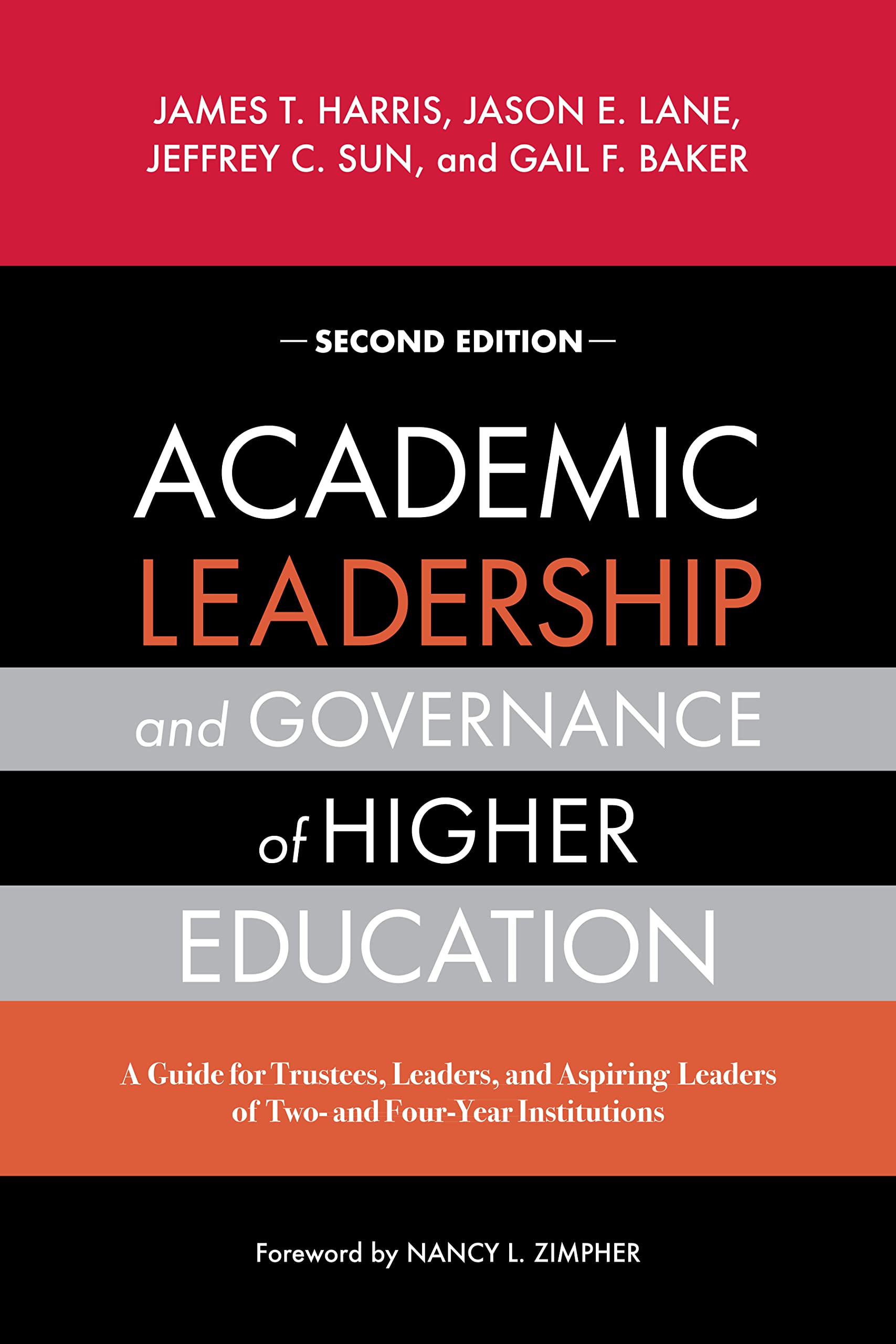
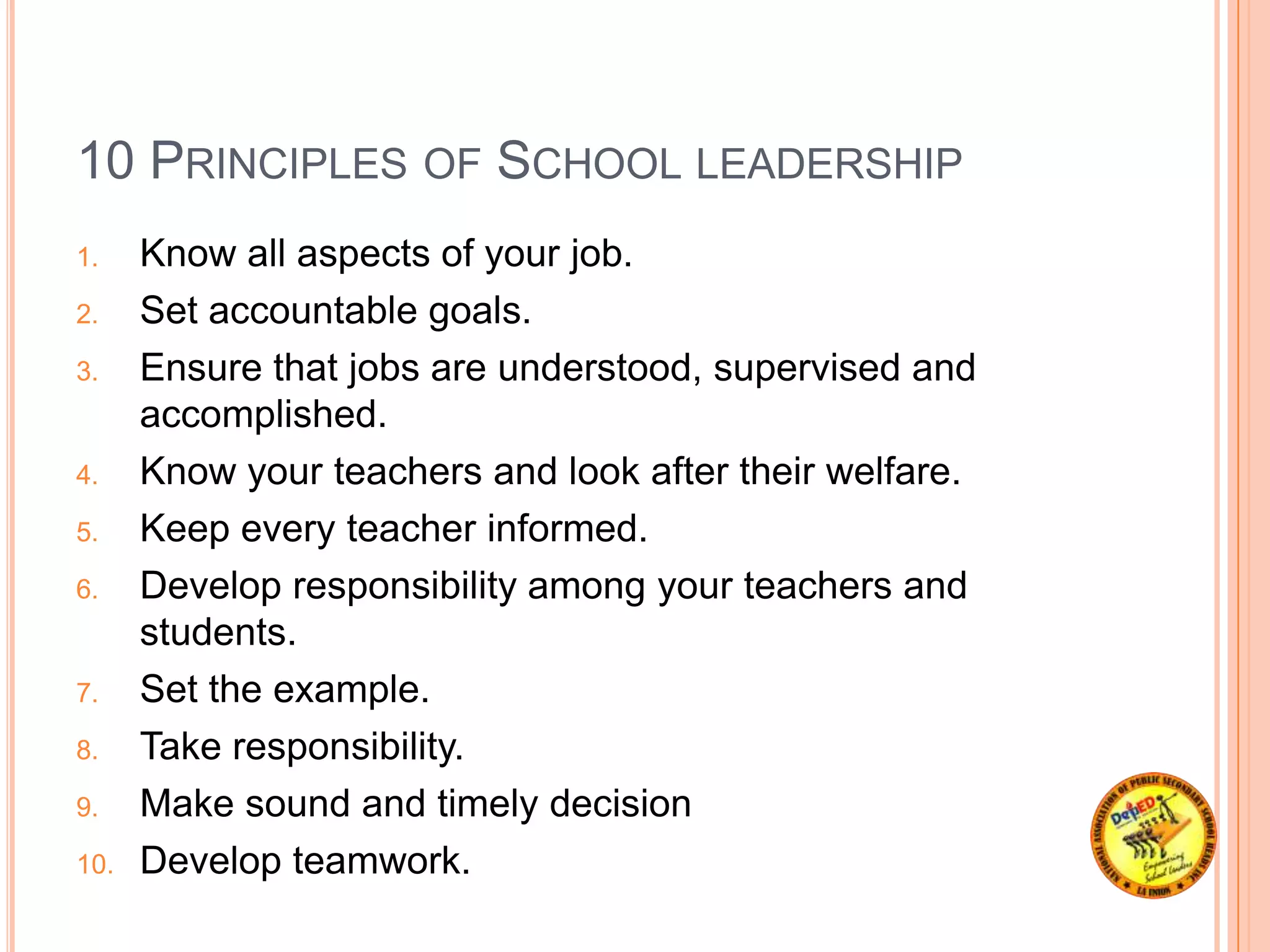
Academic leadership is the practice of guiding colleges, universities, and research institutions through shared governance, strategic planning, resource stewardship, and academic development. Unlike corporate management, it balances intellectual freedom and peer consensus with administrative accountability across academic departments, research divisions, and executive leadership tiers.
Higher education institutions operate in an increasingly complex operating environment. In 2026, academic leaders must navigate demographic shifts in student enrollments, evolving accreditation mandates, rapidly advancing artificial intelligence integration, and constrained public funding. Mastering academic leadership requires understanding organizational structures, consensus-driven governance, resource allocation models, and the professional competencies needed to guide peer scholars effectively.
Defining Academic Leadership and the Shared Governance Dilemma
Academic leadership differs fundamentally from executive leadership in corporate or military hierarchies. While corporate executives typically operate with top-down decision-making authority, academic leaders must work within the framework of shared governance—a cooperative model historically structured around joint responsibility between faculty senates, administrative officers, and governing boards.
The core challenge of this model lies in dual accountability. Academic administrators—such as department chairs, deans, and provosts—derive their formal authority from the institution's board of trustees, but their functional legitimacy relies almost entirely on peer credibility and faculty trust. Faculty members often view administrative mandates with skepticism, particularly when top-down initiatives appear to encroach upon academic freedom, research autonomy, or tenure protections.
Effective academic leadership requires moving beyond transactional authority toward distributed influence. Leaders must act simultaneously as:
- Academic Stewards: Preserving institutional mission, curriculum integrity, peer-review standards, and disciplinary excellence.
- Operational Managers: Handling operational budgets, space allocation, workload policies, human resources, and compliance protocols.
- Change Agents: Aligning faculty scholarship and teaching approaches with external workforce demands, modern pedagogies, and technological disruption.
Navigating these intersecting roles demands clear institutional metrics, transparent decision-making processes, and sustained communication across academic and non-academic divisions.
Organizational Tiers and Core Responsibilities
Leadership within higher education functions across distinct operational tiers. Each level requires a different balance of scholarly insight, operational oversight, and strategic diplomacy.
- Institutional Board of Trustees
- President / Chancellor
- Provost / Chief Academic Officer
- Academic Deans
- Department Chairs / Heads
- Faculty & Researchers
- Department Chairs / Heads
- Academic Deans
- Provost / Chief Academic Officer
- President / Chancellor
The Department Chair (Operational Foundation)
The department chair or head represents the frontline of academic leadership. In many institutions, department chairs are faculty colleagues serving rotating terms rather than permanent executive managers.
Their core duties include:
- Scheduling courses and balancing faculty teaching loads against research commitments.
- Conducting annual performance reviews and facilitating promotion and tenure evaluations.
- Managing departmental budgets, discretionary funds, and teaching assistant allocations.
- Handling student grievances, grade appeals, and intra-departmental disputes.
Because chairs frequently return to full-time teaching and research within the same unit once their term concludes, they must lead by persuasion and consensus, avoiding authoritarian practices that could impair working relationships later.
The Academic Dean (Divisional Strategy)
Deans oversee entire colleges or schools within a university (e.g., College of Arts and Sciences, School of Engineering). Unlike chairs, deans operate primarily as career administrators who bridge operational reality with high-level institutional strategy.
Key responsibilities include:
- Allocating capital and operating resources among diverse academic departments.
- Overseeing accreditation reviews, program creation, and curriculum phase-outs.
- Leading external fundraising, philanthropic development, and corporate partnerships.
- Setting hiring priorities and recruiting senior faculty or endowed chairs.
The dean must often resolve conflicts over scarce resources among competing departments, requiring objective, data-informed metrics to justify funding allocations.
The Provost and Chief Academic Officer (Institutional Direction)
The provost serves as the chief academic officer (CAO) of the university, ranking directly below the president or chancellor. The provost drives the overall educational mission, establishing research priorities, academic policies, and institutional budget models.
Core duties encompass:
- Managing academic portfolio reviews to ensure viability across undergraduate and graduate programs.
- Standardizing university-wide tenure, promotion, and post-tenure review procedures.
- Directing enrollment management, retention initiatives, and student success infrastructure.
- Coordinating with faculty senates to maintain balanced shared governance.
Comparative Framework of Academic Leadership Roles
The operational scope, evaluation criteria, and leadership methodologies vary markedly across higher education management tiers. The following table contrasts these structural positions:
| Leadership Level | Primary Focus | Authority Model | Key Success Metrics | Primary Operational Challenges |
|---|---|---|---|---|
| Department Chair | Departmental operations, teaching assignments, peer mentoring | Relational, consensus-driven, lateral influence | Course coverage, faculty satisfaction, student retention, research output | Balancing personal scholarship with administrative tasks; leading peer colleagues |
| Academic Dean | Divisional strategy, interdisciplinary growth, donor engagement | Hierarchical within college, negotiated with provost | Philanthropic gifts, research expenditures, accreditation outcomes | Resolving resource competition among departments; managing structural deficits |
| Provost / CAO | University-wide academic portfolio, budget allocation, institutional policy | Executive administrative authority balanced by Faculty Senate | Retention and graduation rates, overall enrollment, total research funding | Balancing institutional solvency with academic mission; managing governance friction |
| President / Chancellor | Institutional survival, public policy, external relations, board stewardship | Executive authority answering to governing board | Endowment growth, public reputation, legislative support, fiscal health | Political pressures, external donor demands, regulatory compliance shifts |
Critical Competencies: Faculty Collaboration vs. Corporate Management
Higher education management relies on specific leadership principles that differ sharply from conventional business hierarchies. Executives entering higher education from corporate environments frequently encounter friction when attempting to deploy top-down mandates.
Leading Independent Professionals
Faculty members are highly specialized subject-matter experts who operate under principles of academic freedom. Unlike corporate employees whose work product is directed explicitly by operational managers, tenured faculty hold significant individual autonomy over their research programs and instructional approaches.
Academic leaders cannot effectively direct faculty through administrative decree. Instead, they must cultivate buy-in using:
- Incentive Alignment: Leveraging seed grants, teaching release time, and lab improvements to motivate curricular or scholarly shifts.
- Data-Informed Transparency: Presenting enrollment figures, student success data, and financial projections to build consensus before altering policy.
- Inclusive Committee Structures: Engaging faculty governance committees early in the policy design phase, rather than presenting finished decisions for nominal consultation.
Navigating Faculty Hiring, Promotion, and Tenure
Tenure systems create an administrative framework unknown in the private sector. Academic leaders bear structural responsibility for evaluating, mentoring, and retaining tenure-track faculty across probationary windows that traditionally span six years.
Leaders must ensure that departmental and college-level review committees adhere strictly to documented standards regarding publication metrics, external peer review letters, grant acquisition benchmarks, and teaching evaluations. Deviations from established criteria, procedural inconsistencies, or implicit bias introduce legal and institutional risks, including union grievances, formal arbitration, and external litigation.
Contemporary Challenges Facing Academic Institutions
Academic leadership operates within an environment shaped by economic volatility, technological shifts, and demographic pressures. Leaders must address several systemic challenges to maintain institutional resilience:
1. Demographic Realities and Enrollment Pressures
Institutions face declining pools of traditional high school graduates across many developed nations, a trend often described as the demographic cliff. In response, academic leaders must:
- Re-evaluate under-enrolled degree programs and reposition academic portfolios.
- Expand pathways for adult learners, degree completion programs, and micro-credentials.
- Optimize retention rates through early alert interventions and individualized academic advising.
2. Fiscal Constraints and Resource Allocation Models
Traditional revenue models dependent on tuition and state appropriations are under pressure. Leaders must move away from historical incremental budgeting—where departments receive standard annual adjustments—toward modern financial frameworks, such as:
- Responsibility Center Management (RCM): Decentralized budgeting that assigns direct revenue (tuition, fees, grants) and indirect expenses (facilities, administration) directly to individual academic units.
- Activity-Based Budgeting: Funding allocation driven directly by targeted outputs, such as student credit hours generated, graduation milestones, or indirect research cost recovery.
While these models improve fiscal transparency, academic leaders must safeguard essential but less financially self-sustaining disciplines—such as the humanities—from premature elimination.
3. Artificial Intelligence and Curricular Modernization
The rapid evolution of artificial intelligence tools requires leaders to rethink both administrative operations and academic policy. Academic leaders must guide faculty in:
- Establishing clear institutional frameworks for academic integrity and ethical AI usage in coursework.
- Integrating AI literacy and computational competencies across non-technical degree curricula.
- Using predictive analytics responsibly to support student retention without reinforcing historical demographic disparities.
Pathways to Leadership: Transitioning from Research to Administration
Most academic leaders begin as discipline-specific researchers and educators, receiving minimal formal education in administration, personnel management, or higher education law. The transition from scholar to administrator requires a conscious shift in professional identity.
Structural Steps in Leadership Progression
Committee Service & Faculty Senate
- Departmental curriculum committees, institutional task forces
Program Coordination
- Directing undergraduate studies, graduate programs, or accredited centers
Department Chair / Unit Head
- Formal budgetary, personnel, and operational oversight
College-Level Administration
- Associate dean of academic affairs, research, or faculty development
Executive Leadership
- Dean, Vice Provost, or Provost
Grassroots Governance: Early-career faculty build leadership capacity through service on curriculum committees, faculty search committees, and institutional review boards (IRBs).
Program Directorships: Serving as a Director of Graduate Studies (DGS) or Director of Undergraduate Studies (DUS) provides initial exposure to enrollment metrics, student grievances, and policy application.
Formal Leadership Development: Aspiring leaders should engage in structured higher education development networks, such as those provided by the American Council on Education (ACE) or dedicated university leadership academies, which offer formal training in crisis communication, institutional finance, and personnel management.
Key Mistakes to Avoid During Transition
- Neglecting Active Scholarship Too Abruptly: Faculty moving into rotating leadership roles (such as department chairs) should maintain basic research activity to ensure professional options remain open should they return to full-time faculty duties.
- Imposing Direct Corporate Paradigms: Attempting to run an academic department purely like a corporate business unit alienates faculty colleagues and undermines the institutional trust necessary for shared governance.
- Failing to Master Higher Education Law: Academic leaders must develop a solid baseline understanding of relevant statutes, including Title IX compliance, the Family Educational Rights and Privacy Act (FERPA), disability accommodations under the Americans with Disabilities Act (ADA), and statutory employment laws.
Strategic Framework for Departmental and Institutional Success
To translate academic vision into measurable departmental outcomes, leaders should execute operational plans using a phased strategic sequence:
Phase 1: Institutional Assessment
- Data auditing, workload equity, SWOT evaluation
Phase 2: Consensus Policy Formulation
- Shared governance engagement, clear evaluation metrics
Phase 3: Resourced Implementation
- Budget alignment, professional development support
Phase 4: Continuous Review
- Enrollment verification, assessment reporting, policy iteration
Conduct an Operational and Workload Audit: Evaluate teaching loads, advising assignments, and service burdens across faculty cohorts to identify workload inequities that foster departmental friction.
Establish Transparent Resource Criteria: Develop open, objective guidelines for allocating internal funding, research travel grants, and course releases to remove perceptions of administrative favoritism.
Modernize the Academic Portfolio: Use longitudinal enrollment, career placement data, and regional workforce analyses to update existing majors, build interdisciplinary minors, or retire obsolete courses.
Institutionalize Faculty Mentorship: Create explicit onboarding and post-tenure developmental programs that pair junior faculty with senior mentors outside their direct evaluative chain to support long-term professional development.
Frequently Asked Questions
What is the primary difference between academic leadership and administrative management?
Academic leadership focuses on setting intellectual direction, upholding educational quality, and guiding faculty through shared governance and scholarly consensus. Administrative management involves operational execution, such as facility coordination, financial accounting, human resources processing, and regulatory compliance. Effective leaders must integrate both capabilities.
How does shared governance influence the authority of an academic leader?
Shared governance distributes decision-making authority between institutional leaders (provosts, deans, boards) and faculty bodies (senates, councils). While administrative leaders hold formal legal and budgetary authority, academic policies—such as degree requirements, curriculum design, and tenure criteria—traditionally require faculty consultation, deliberation, and consent.
What are the main challenges of moving from a faculty position to a department chair?
The most significant challenge is managing relationships with immediate peer colleagues. A newly appointed chair must evaluate, assign workloads to, and manage performance issues for individuals who were previously lateral peers. In addition, chairs often face significant time-management pressures as administrative duties compete with active teaching and research agendas.
How do modern budget models like RCM affect academic departments?
Responsibility Center Management (RCM) attributes student tuition revenue and research grant overhead directly to the academic unit that generates them, while charging that unit for operational overhead. This model encourages academic innovation, program growth, and operational efficiency, but can lead to internal competition between departments for student enrollments and course registrations.
What core skills are essential for an academic leader today?
Key skills include shared governance negotiation, fiscal management, data-informed decision-making, crisis communication, conflict resolution, and working knowledge of higher education compliance standards (such as Title IX, accreditation criteria, and labor laws).
Next Steps for Emerging Academic Leaders
Faculty members and mid-level administrators seeking to advance their institutional effectiveness should focus on practical career actions:
- Engage in Institutional Governance: Volunteer for university-wide planning, institutional budgeting, or curriculum review committees to gain insight into cross-departmental operations and campus-wide priorities.
- Audit Campus Financial Statements: Review the institution's publicly accessible financial audits, accreditation reports, and integrated postsecondary education data to understand institutional revenues, fixed expenditures, and programmatic trajectories.
- Pursue Targeted Leadership Training: Seek institutional support to participate in external professional development institutes, such as regional higher education consortia or formal leadership fellowship programs.
By balancing scholarly values with systematic administrative practice, academic leaders can protect their institution's educational mission while building sustainable models for teaching, scholarship, and student success.