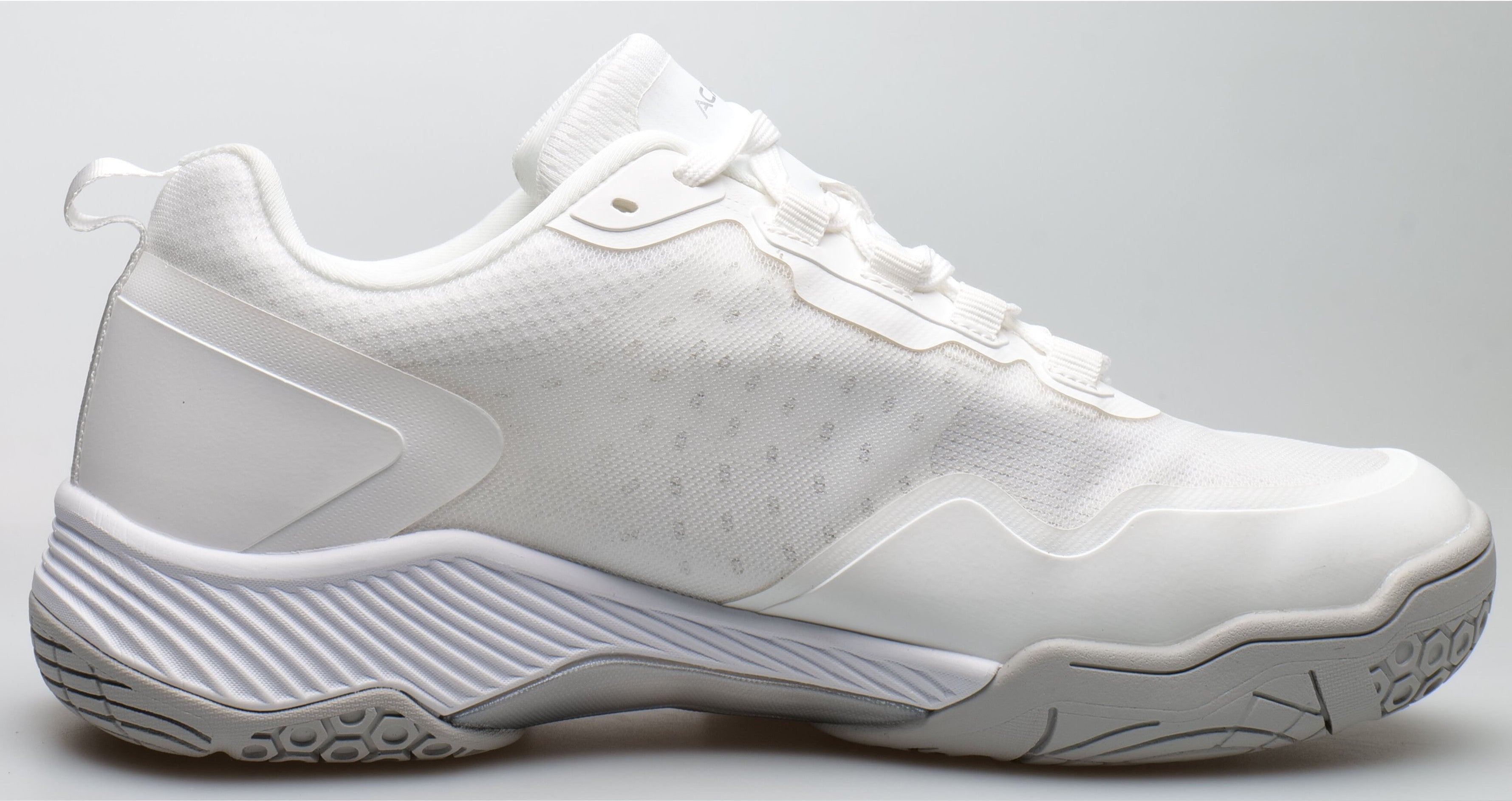
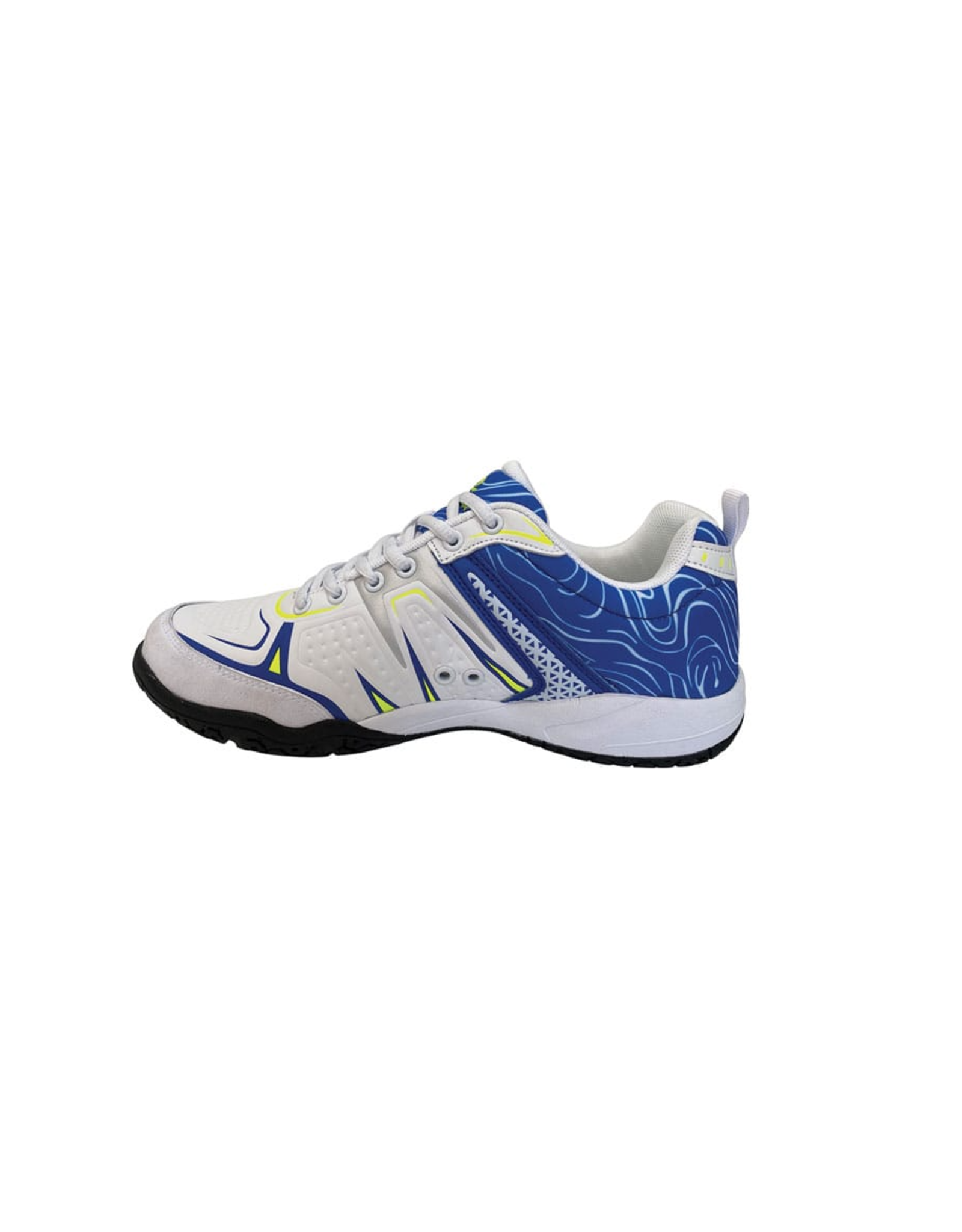
Acacia pickleball shoes are distinguished in 2026 by their sport-specific engineering, prioritizing a wider toe box and high-traction outsoles designed for lateral court movement. They offer a superior balance of "low-to-the-ground" court feel and specialized rubber compounds that provide industry-leading grip on both indoor and outdoor surfaces.
The Evolution of Acacia in the 2026 Pickleball Landscape
As pickleball has matured into a global professional sport, the demand for footwear that moves away from traditional tennis silhouettes has peaked. Acacia Sports was one of the first manufacturers to recognize that pickleball involves significantly more "short-burst" lateral shuffling and kitchen-line pivoting than the long-stride baseline running found in tennis. In 2026, the Acacia lineup remains a top choice for players who prioritize anatomical health and surface connectivity over maximalist cushioning.
Unlike generic athletic sneakers, Acacia shoes are built on a pickleball-specific last. This means the internal volume is calibrated for the specific swelling and impact patterns associated with the sport. By focusing on a "pickleball-first" philosophy, the brand has managed to eliminate common issues like toe jamming and lateral instability that often plague players wearing narrow-tapered cross-trainers. The current 2026 models, including the refined Dinkshot and the high-performance Pro Series, reflect years of feedback from professional athletes who require a shoe that responds instantly to the dink-and-drive pace of modern play.
Technical Analysis of the Acacia Grip Technology
The "best grip" claim associated with Acacia is rooted in the specific density of their non-marking natural rubber outsoles. In 2026, Acacia utilizes a proprietary traction pattern that combines hexagonal pods with herringbone grooves. This dual-pattern approach ensures that whether a player is moving forward for a drop shot or sliding laterally to defend a lob, there is always a maximized surface area in contact with the court.
The grip performance is further enhanced by the rubber’s Shore A hardness rating, which is optimized for the abrasive nature of acrylic court surfaces. While some shoes sacrifice "stickiness" for longevity, Acacia has found a middle ground where the rubber provides a "tacky" feel that prevents slipping during high-intensity pivots. This is particularly vital for indoor play on gym floors or dedicated indoor pickleball mats, where dust can often turn a standard shoe into a liability. The 2026 outsole compounds are specifically engineered to remain pliable across a wide range of temperatures, ensuring that early morning outdoor matches provide the same level of traction as mid-day sessions.
Comfort Profiles and the Anatomical Wide Toe Box
Comfort in a pickleball shoe is often a subjective metric, but Acacia approaches it through biomechanical alignment. The standout feature of the 2026 collection remains the signature wide toe box. Most athletic footwear follows a "V-shape" that compresses the metatarsals, leading to discomfort and long-term foot fatigue. Acacia utilizes a "U-shape" design that allows the toes to splay naturally.
This natural splay is not just about comfort; it is a fundamental safety feature. When the toes can spread, the player's base of support is wider, which significantly reduces the risk of ankle rolls during aggressive lateral lunges. Furthermore, the 2026 models feature an upgraded memory foam insole system combined with a high-rebound EVA (Ethylene Vinyl Acetate) midsole. This setup provides localized shock absorption at the heel and forefoot without the "mushy" feeling that can lead to a loss of court feel. The internal lining is constructed from a moisture-wicking antimicrobial mesh, which is essential for maintaining foot health during multi-hour tournament play where heat buildup is inevitable.
Comparative Specifications of the 2026 Acacia Lineup
To help players choose the right model for their specific style of play, the following table breaks down the technical specifications of the current primary models available in 2026.
| Feature | Acacia Dinkshot (2026 Edition) | Acacia Ultrashot | Acacia Pro Series (Signature) |
|---|---|---|---|
| Primary Use Case | Balanced Play / All-Around | Speed and Agility | Competitive / Professional |
| Outsole Material | High-Density Natural Rubber | Light-Weight Synthetic Blend | Pro-Grade Traction Rubber |
| Midsole Tech | Standard EVA | High-Rebound EVA | Ark-Support TPU + EVA |
| Upper Construction | Breathable Mesh / Synthetic Leather | KPU Reinforced Mesh | Microfiber / ballistic nylon |
| Toe Box Width | Extra Wide | Standard Wide | Performance Wide |
| Weight (Men's 9) | 11.8 oz | 10.4 oz | 12.1 oz |
| Best Surface | Outdoor/Hard Court | Multi-Court | Competitive Outdoor |
Stability and Lateral Support Mechanisms
One of the most dangerous movements in pickleball is the sudden change of direction when retreating from the kitchen line. Acacia addresses this via a reinforced TPU (Thermoplastic Polyurethane) shank located in the midfoot. This rigid component prevents the shoe from twisting unnaturally (torsional flex) while still allowing the forefoot to flex for quick sprints.
The lateral outrigger—a slight extension of the sole on the outer edge of the shoe—acts as a stabilizer. In the 2026 Pro Series, this outrigger has been slightly widened to provide a physical "stop" that prevents the foot from rolling over the edge of the midsole. This is complemented by a reinforced heel counter that locks the calcaneus in place, preventing internal heel slippage which is a primary cause of blisters and instability. For players who have a history of lateral ankle sprains, these structural reinforcements make Acacia a high-tier choice for injury prevention.
Durability and Material Longevity
A common concern with high-grip shoes is how quickly the tread wears down. For 2026, Acacia has integrated "drag guards" on the medial side of the toe box. Since many pickleball players drag their trailing foot during serves or lunges, this area is usually the first to fail. The KPU (Kurim Polyurethane) overlays used in the 2026 models provide an abrasion-resistant shield that extends the life of the upper significantly.
The outsole durability has also seen improvements through the use of a "zonal" rubber strategy. Higher density rubber is placed in high-wear areas like the ball of the foot and the heel, while lighter compounds are used in the arch to save weight. While these are performance-oriented shoes that may not last as long as a heavy-duty industrial sneaker, they are designed to maintain their "tacky" grip properties for the duration of the tread's life, rather than becoming slick as they wear down.
Is the wide toe box suitable for narrow feet?
While Acacia is famous for its wide toe box, players with narrow feet can still utilize these shoes by adjusting the lacing system. The 2026 models feature a "variable width" lacing eyelet pattern that allows players to pull the midfoot tighter while still leaving room for the toes to breathe. However, if a player prefers a "painted-on" tight fit throughout the entire foot, the Ultrashot model is the more appropriate choice compared to the Dinkshot.
How do Acacia shoes perform on indoor gym floors?
Acacia shoes are widely considered the gold standard for indoor gym floors. The natural rubber compound reacts effectively with the finished wood or composite surfaces typical of indoor facilities. Unlike many tennis shoes that are designed primarily for outdoor grit, Acacia’s tread pattern is shallow enough to prevent "tripping" on indoor surfaces while remaining soft enough to grab the floor effectively.
Are these shoes true to size in 2026?
Acacia footwear generally follows standard US sizing, but due to the wider toe box, some players who are between sizes find that "sizing down" by a half-size provides a more secure performance fit. It is recommended to measure your foot in centimeters and consult the 2026 Acacia size chart, as the internal volume is more generous than brands like Nike or Asics.
What is the break-in period for the 2026 models?
Due to the use of soft synthetic leathers and pliable mesh, the break-in period for most Acacia shoes is minimal. Most players report that the shoes feel court-ready after just one or two hours of light play. The TPU shank provides immediate support, and the EVA midsole reaches its optimal compression point relatively quickly compared to stiffer tennis shoes.
How should I maintain the grip on my Acacia shoes?
To maintain the "best grip" performance, it is vital to keep the outsoles clean. Dust and court debris are the primary enemies of traction. Wiping the soles with a damp cloth after each session and avoiding wearing the shoes on abrasive surfaces like asphalt parking lots will preserve the rubber's integrity. For 2026, Acacia recommends avoiding harsh chemical cleaners, which can dry out the natural rubber and lead to premature cracking.
Selecting the Right Acacia Model for Your Game
When choosing between the various Acacia options in 2026, the decision should be based on your primary playing environment and your physical requirements. If you struggle with foot pain, bunions, or need maximum stability, the Dinkshot remains the premier choice due to its expansive toe box and plush cushioning. It is the workhorse of the lineup, designed for the recreational and intermediate player who spends several hours on the court multiple times a week.
For the competitive player who prioritizes speed and "court feel," the Ultrashot offers a lower profile and lighter weight, allowing for faster footwork at the expense of some long-term cushioning. Finally, if you are a high-level tournament player who demands the absolute best in lateral reinforcement and specialized traction, the Pro Series (often associated with signature athletes like Tyler Loong) provides the most robust construction and advanced materials. Regardless of the model, the core benefit of Acacia remains its commitment to the specific biomechanics of pickleball, ensuring that your footwear is an asset rather than a distraction on the court.