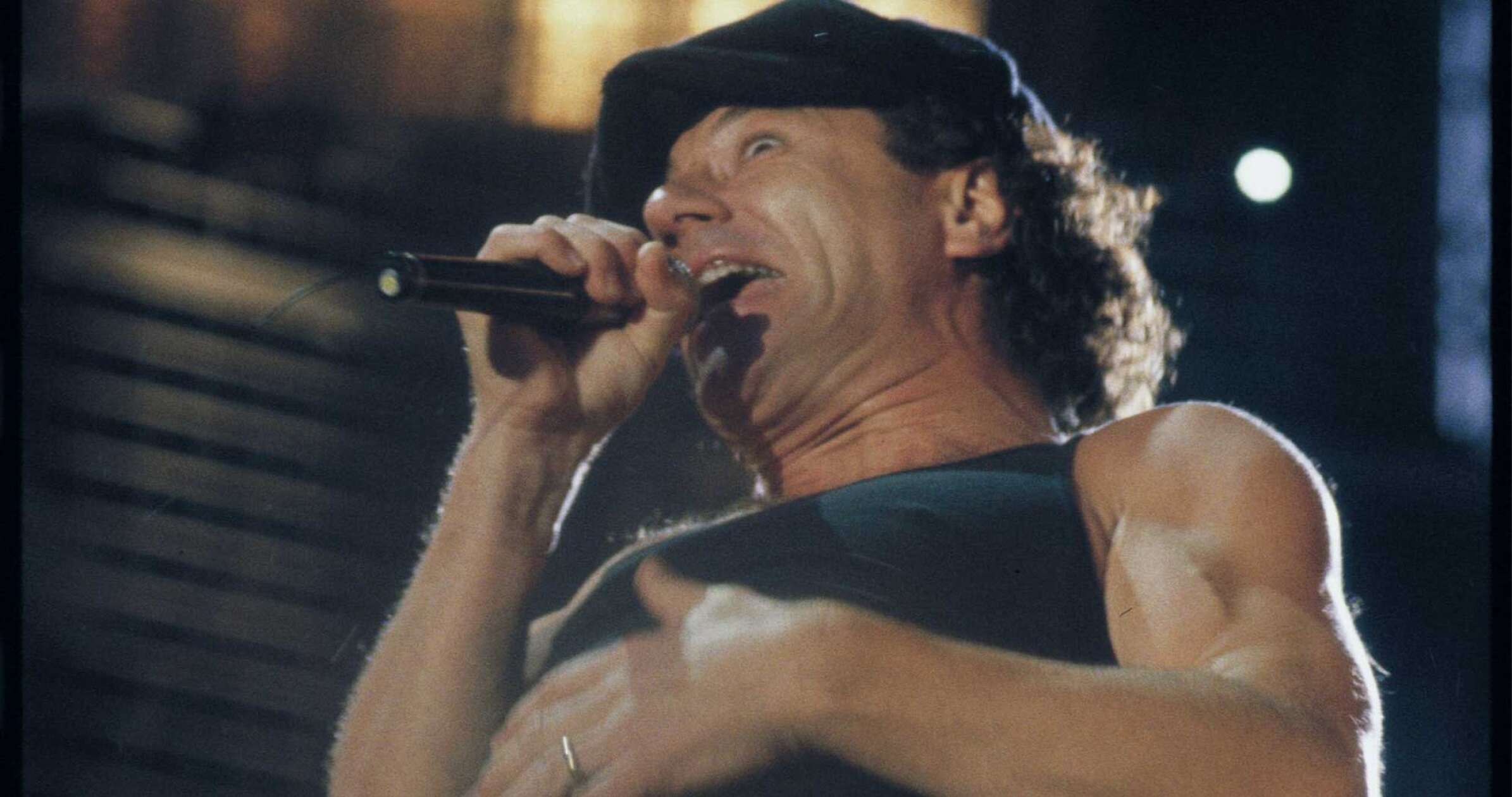
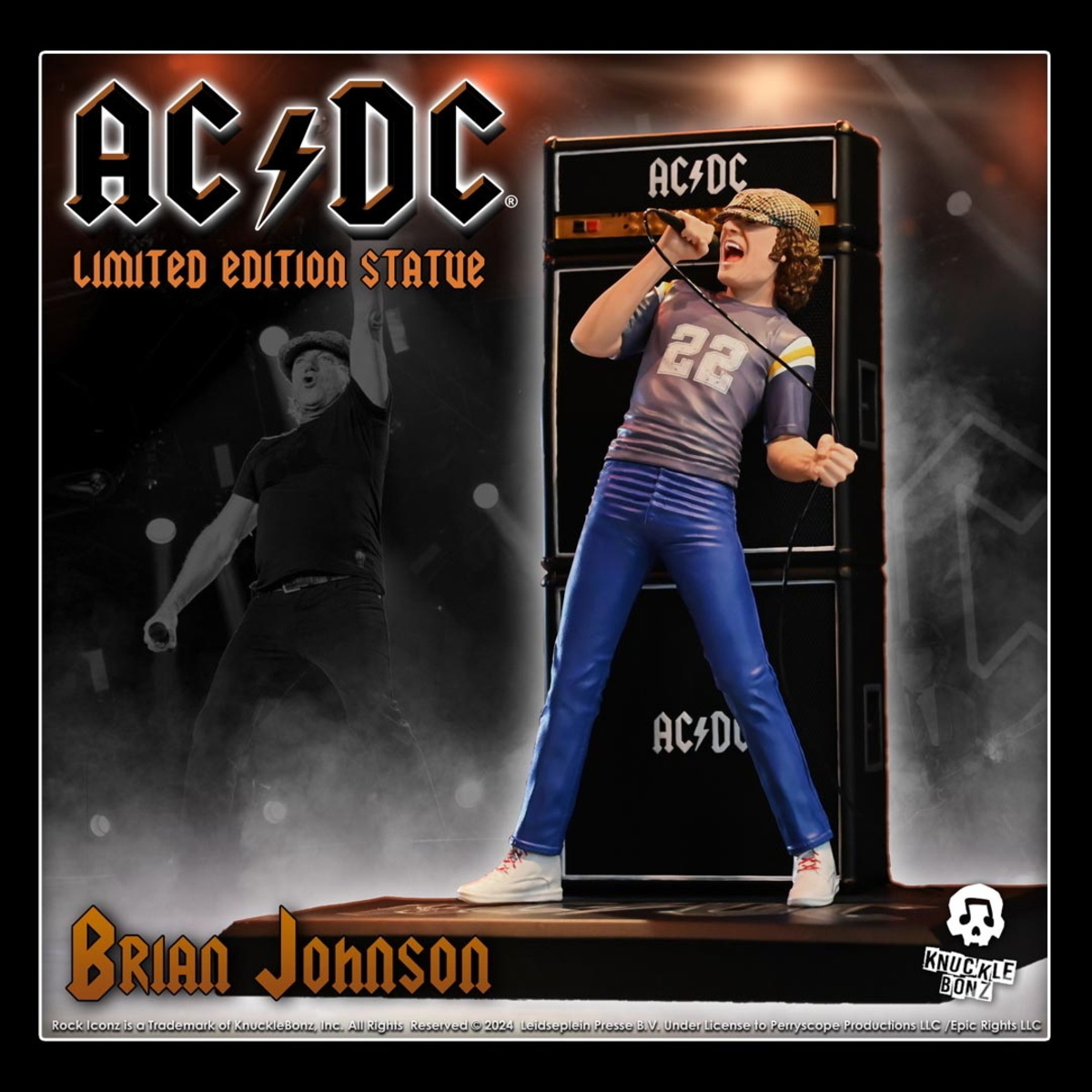
This guide explores the legendary career of Brian Johnson with AC/DC, detailing the evolution of their most iconic rock anthems from 1980’s Back in Black to 2020’s Power Up. It analyzes his unique vocal style, the production techniques of Mutt Lange, and the cultural impact of songs that define the hard rock genre.
The Birth of a New Era: Replacing a Legend in 1980
In the spring of 1980, AC/DC stood at a crossroads that few bands survive. Following the tragic passing of original frontman Bon Scott, the Young brothers—Angus and Malcolm—were faced with the impossible task of finding a successor who could honor the past while propelling the band into a new decade. The selection of Brian Johnson, formerly of the glam-rock band Geordie, remains perhaps the most successful transition in rock history. Johnson didn't just fill a vacancy; he provided the high-octane, gravel-throated energy necessary for the band to transition from cult favorites to global stadium icons.
Johnson’s audition is now the stuff of rock lore. Recommended to the band by a fan (and reportedly once praised by Bon Scott himself after seeing Geordie perform), Johnson arrived at the rehearsal space and performed "Whole Lotta Rosie" and Ike & Tina Turner’s "Nutbush City Limits." His blue-collar charisma and soaring, raspy range were the perfect fit for the band’s rhythmic precision. This synergy led immediately to the recording of Back in Black, an album that would serve as both a memorial to Scott and a manifesto for the Johnson era.
The transition was not merely about vocal range; it was about temperament. While Bon Scott was the "street-poet" outlaw, Johnson brought a celebratory, everyman power to the microphone. In the context of 2026, looking back over four and a half decades of his tenure, it is clear that Johnson’s arrival allowed AC/DC to refine their "anthem" formula—simplifying the blues structures into monolithic, stomp-along rhythms that could fill the largest arenas on the planet.
Engineering the Anthem: The Mutt Lange Influence
The "ultimate rock anthem" as defined by the Brian Johnson era was not an accident; it was a feat of meticulous engineering. Working with producer Robert John "Mutt" Lange for three consecutive albums—Highway to Hell (with Scott), Back in Black, and For Those About to Rock (We Salute You)—the band perfected a sonic blueprint. Lange’s obsession with sonic clarity and rhythmic "pocket" ensured that every snare hit and guitar chord felt like a physical impact.
For Brian Johnson, this meant pushing his voice into a register that was both punishing and melodic. The production emphasized the "shout-along" chorus, a hallmark of the Brian Johnson era. Unlike the more narrative-driven songs of the 1970s, the 1980s anthems focused on singular, powerful concepts: the tolling of a bell, the firing of a cannon, or the return of a man in black. This shift toward conceptual simplicity is why songs like "Back in Black" remain the gold standard for sports stadium intros and cinematic needle-drops even in 2026.
Lange’s influence also extended to the backing vocals. The "gang vocal" style, where Malcolm and bassist Cliff Williams provided a wall of shouting support behind Brian’s lead, became a signature element. This created a sense of community within the music—the idea that the band and the audience were part of the same collective force. It is this specific production choice that transformed hard rock songs into universal anthems.
Deep Dive: The Essential Brian Johnson Anthems
To understand the Brian Johnson era, one must analyze the specific tracks that define his legacy. These songs are more than just hits; they are the architectural pillars of the AC/DC live experience.
"Back in Black" (1980)
Perhaps the most recognizable riff in history, this track served as Johnson’s introduction to the world. Technically, the song is a masterclass in space. The silence between the notes is as important as the notes themselves. Johnson’s delivery is defiant, signaling to the world that AC/DC would not only continue but dominate. His ability to hit the high E notes in the bridge while maintaining a gritty texture established his vocal identity.
"Hells Bells" (1980)
Opening with the 2,000-pound bronze bell commissioned by the band, this track showcased Johnson’s ability to handle atmospheric, brooding material. The slow build-up into a driving mid-tempo groove provided a template for "dark" anthems. It remains a staple of the band’s setlist, often serving as the atmospheric opener for their massive world tours.
"For Those About to Rock (We Salute You)" (1981)
If "Hells Bells" was the atmosphere, this was the artillery. Inspired by a book Malcolm Young read about Roman gladiators, the song culminates in a literal 21-gun salute using Napoleonic cannons. Johnson’s role here is that of a commanding officer, leading the audience through a ritual of rock and roll solidarity. The song’s structure—starting slow and accelerating into a chaotic, explosive finale—became the blueprint for how the band would close their shows for the next 45 years.
"Thunderstruck" (1990)
By the late 80s, critics wondered if AC/DC’s peak was behind them. "Thunderstruck" answered that question with a resounding "No." From the album The Razor’s Edge, the song features a relentless, high-energy vocal from Johnson that never lets up. The "Thunder!" chant is the quintessential stadium hook, designed for maximum crowd participation. It revitalized the band’s career and introduced them to a new generation of fans in the 1990s.
Brian Johnson’s Vocal Architecture and Technique
Brian Johnson’s voice is often described as "sandpaper on velvet." Technically, he utilizes a high-compression vocal technique that relies on significant breath support to maintain a distorted "rasp" without destroying his vocal cords. While many singers who attempt this style find themselves needing surgery within years, Johnson maintained his primary range for decades.
His technique involves a high placement of the voice in the "mask" (the facial bones), which allows the sound to cut through the massive wall of Marshall amplifiers behind him. In a live setting, this was essential. AC/DC is famously one of the loudest bands in history, and Johnson’s ability to stay pitch-perfect while screaming over 120 decibels is a feat of physical endurance.
In 2016, Johnson faced a major hurdle when he was forced to stop touring due to severe hearing loss. However, by 2020, through the use of cutting-edge in-ear monitor technology developed by Stephen Ambrose of Asius Technologies, Johnson was able to return for the Power Up album and subsequent performances. This technological intervention allowed him to hear the music without further damaging his eardrums, proving that even in his 70s, his vocal power remained intact.
Comparative Discography of the Johnson Era
The following table highlights the pivotal albums of the Brian Johnson era and the primary anthems that defined each period.
| Album Title | Release Year | Key Rock Anthem | RIAA Certification (US) | Historical Significance |
|---|---|---|---|---|
| Back in Black | 1980 | "You Shook Me All Night Long" | 25x Platinum | 2nd best-selling album of all time. |
| For Those About to Rock | 1981 | "For Those About to Rock" | 4x Platinum | First AC/DC album to hit #1 in the US. |
| The Razor's Edge | 1990 | "Thunderstruck" | 5x Platinum | The 90s commercial comeback. |
| Black Ice | 2008 | "Rock 'n' Roll Train" | 2x Platinum | Modern production by Brendan O'Brien. |
| Power Up | 2020 | "Shot in the Dark" | Gold | A tribute to the late Malcolm Young. |
The Enduring Legacy: Why These Anthems Matter in 2026
As of 2026, the anthems of the Brian Johnson era have achieved a level of cultural permanence rarely seen in popular music. They are no longer just "rock songs"; they are part of the global soundtrack. Their endurance stems from a refusal to follow trends. Whether it was the synth-pop of the 80s, the grunge of the 90s, or the digital polish of the 2010s, Johnson and AC/DC stayed true to the "Big Beat."
The anthems are built on universal themes: resilience, celebration, and the power of electricity. This thematic simplicity makes them timeless. Furthermore, the band's commitment to physical media and high-quality live production has ensured that the "experience" of an AC/DC anthem remains unchanged. In an era of AI-generated music and short-form video clips, the raw, human energy of Brian Johnson’s vocals serves as a reminder of the visceral power of traditional rock and roll.
The 2024-2025 "Power Up" world tour, which celebrated the band's 50th anniversary, saw Johnson performing to sold-out stadiums across Europe and North America. The reception proved that the demand for these specific anthems has not waned; if anything, their value as a shared cultural experience has increased.
Frequently Asked Questions
What was Brian Johnson’s first song with AC/DC?
While "Hells Bells" is the first track on the Back in Black album, the first song he recorded with the band during the Bahamas sessions was "You Shook Me All Night Long." It served as a litmus test for his ability to handle the band's more commercial, melodic side while maintaining his rock edge.
How did Brian Johnson lose and then regain his hearing?
Decades of performing in front of massive speaker stacks led to significant hearing loss, which came to a head during the 2016 Rock or Bust tour. He was able to return to the stage thanks to a specialized hearing aid/in-ear monitor that uses a "second eardrum" technology (pneumatic pressure) to protect the ear while delivering crystal-clear sound directly to the inner ear.
Is Brian Johnson the longest-serving singer of AC/DC?
Yes. Brian Johnson has been the lead singer for over 45 years (1980–present, with a brief hiatus), far surpassing Bon Scott’s six-year tenure (1974–1980). He has appeared on 11 of the band's 17 studio albums.
Which Brian Johnson anthem is the most popular on streaming services?
"Thunderstruck" consistently leads in streaming numbers on platforms like Spotify and YouTube, often accumulating billions of views. Its distinctive opening riff and high-energy chant make it highly "shareable" and popular in modern digital media.
What equipment does Brian Johnson use for his live vocals?
In the 2020s, Johnson typically uses a Shure SM58 or Beta 58A for live performances due to their durability and ability to handle high pressure. He also relies on the ADAPT hearing technology by Stephen Ambrose to monitor his performance safely.
Next Action: Experiencing the Johnson Era
For those looking to truly understand the "Ultimate Rock Anthem Guide," the best next step is a deep listening session of the Back in Black and The Razor’s Edge albums on high-fidelity audio equipment. To see the anthems in their intended environment, seeking out official concert films like Live at River Plate (2011) provides a visual perspective on how Brian Johnson commands a crowd of over 60,000 people. As the band moves into the latter half of the 2020s, staying tuned to official AC/DC channels for archival releases and potential "legacy" performances remains the best way to witness the power of the Johnson era firsthand.