Abuse occurs in several distinct forms, including physical, emotional, sexual, financial, and digital maltreatment. While physical violence is often most visible, non-physical types like coercive control and financial exploitation are equally damaging. Identifying these patterns is the first step toward intervention, safety planning, and long-term recovery for survivors.
The following information is provided for educational and awareness purposes. It does not constitute legal, medical, or professional psychological advice. If you are in immediate danger or a life-threatening situation, please contact emergency services or a dedicated crisis hotline immediately.
The Spectrum of Interpersonal Abuse
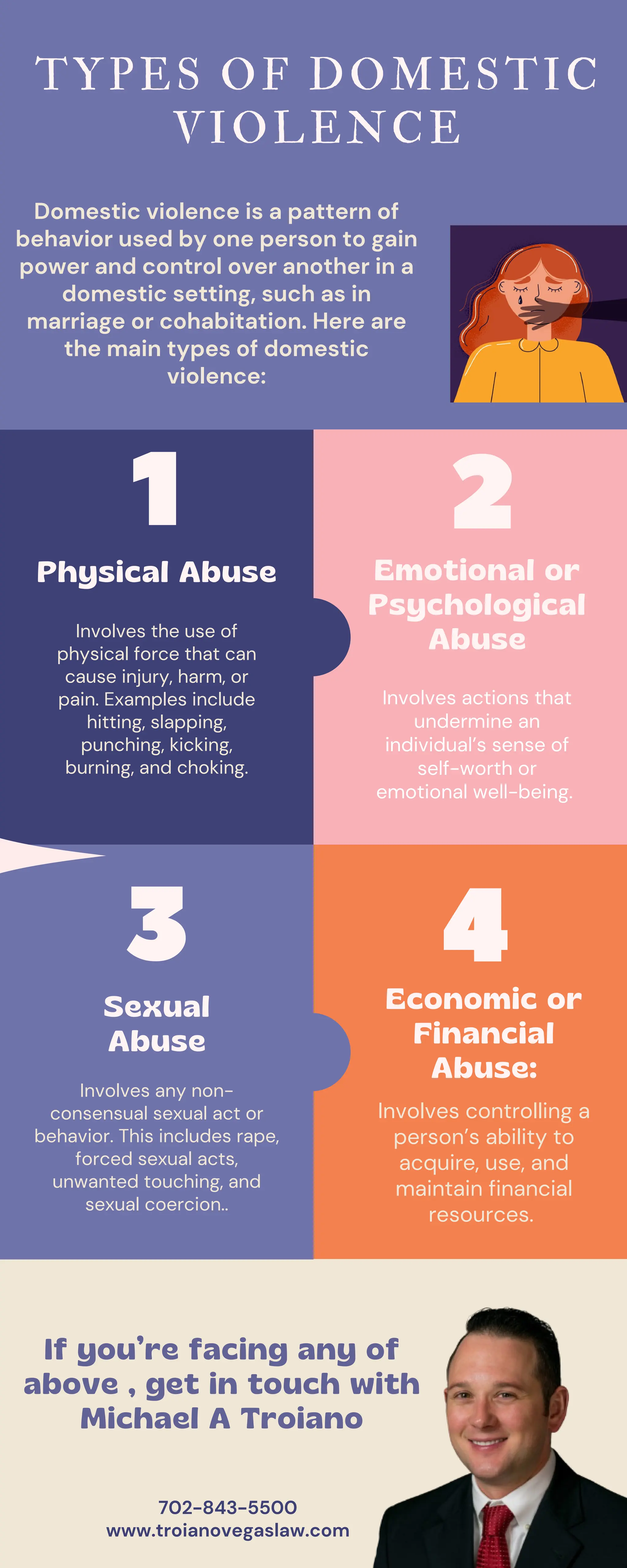
Abuse is fundamentally a pattern of behavior used to gain or maintain power and control over another person. In 2026, our understanding of these patterns has evolved to recognize that abuse is rarely an isolated incident; rather, it is a systematic erosion of an individual's autonomy. Whether it occurs in a domestic partnership, a family setting, or an institutional environment, abuse creates a climate of fear and dependency.
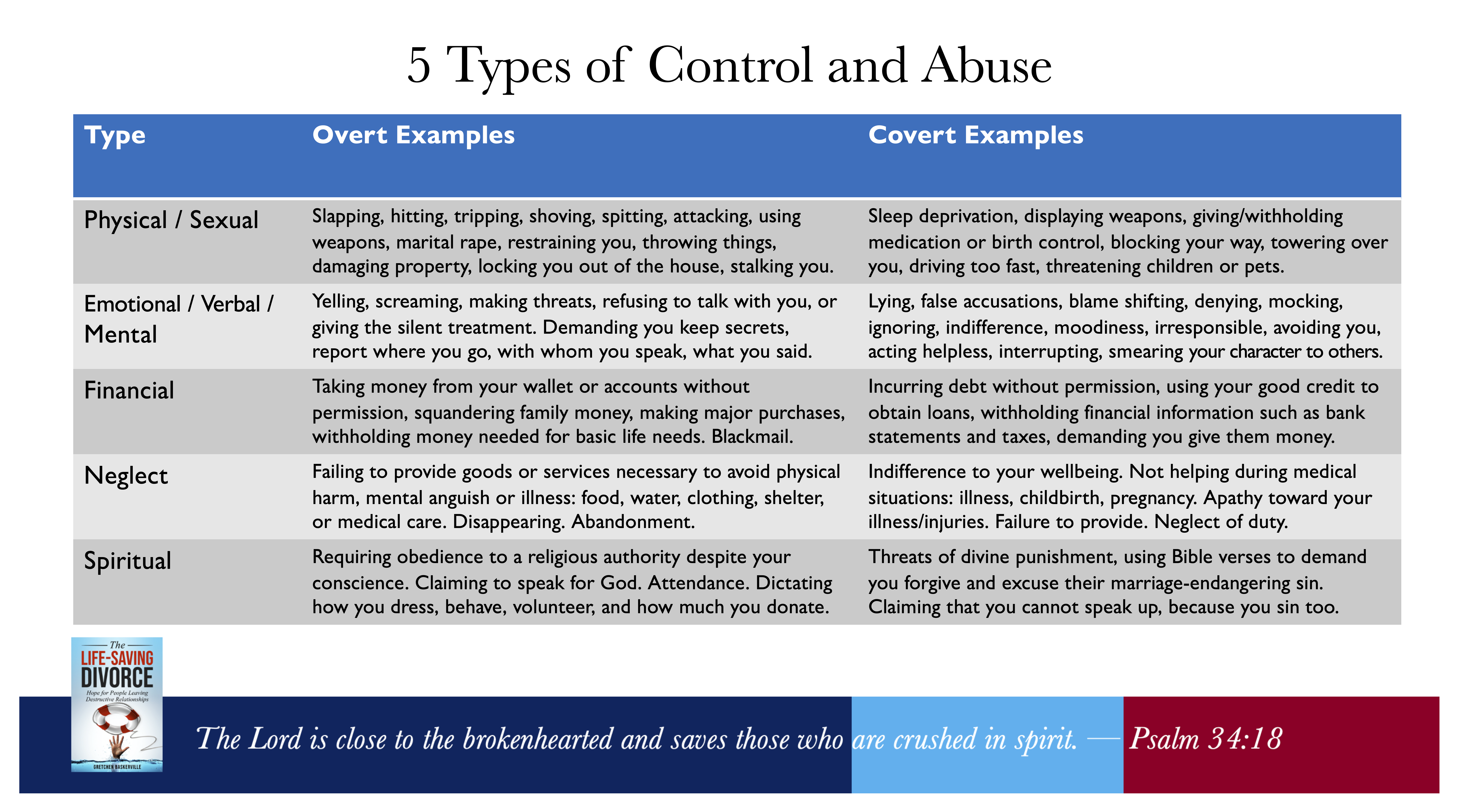
Understanding the specific types of abuse is critical because the signs are not always obvious. While a bruise provides tangible evidence of physical maltreatment, the scars of psychological warfare or financial "shackling" are invisible to the naked eye. By categorizing these behaviors, advocates and healthcare professionals can better tailor support systems and legal interventions to meet the specific needs of the survivor.
Physical Abuse and Bodily Autonomy
Physical abuse involves the intentional use of physical force to cause pain, injury, or bodily harm. It is the most widely recognized form of maltreatment, yet it often encompasses more than just striking or hitting. In many cases, the threat of physical force is used as a tool of intimidation to ensure compliance without the need for a physical altercation.
Physical abuse can manifest as:
- Direct Assault: Hitting, slapping, punching, kicking, or strangling.
- Restraint: Forcing a person to stay in a specific location, tying them down, or blocking exits during an argument.
- Withholding Necessities: Denying food, water, sleep, or essential medical care (such as life-saving prescriptions or mobility aids).
- Weaponization of Environment: Throwing objects, damaging property to intimidate, or threatening pets to exert control over the victim.
The immediate risks of physical abuse include acute injury and death, but the long-term impacts often involve chronic pain, neurological issues from repeated head trauma (Traumatic Brain Injury), and severe psychological distress. Intervention usually requires immediate safety planning and, in many cases, legal protection through restraining orders.
Emotional and Psychological Abuse
Emotional abuse—often referred to as psychological or mental abuse—is a systematic attempt to destroy a person’s sense of self-worth and independence. By 2026, many jurisdictions have expanded legal protections to include "coercive control," recognizing that non-physical behavior can be just as debilitating as physical violence.
A hallmark of this abuse type is gaslighting, a manipulation tactic where the abuser causes the victim to question their own reality, memory, or perceptions. Over time, the victim becomes increasingly dependent on the abuser for a sense of "truth."
Other common elements of emotional abuse include:
- Isolation: Severing the victim’s ties with friends, family, and support networks to ensure total dependency.
- Hyper-criticism: Constant belittling, name-calling, and shaming to erode self-esteem.
- Threats: Threatening to leave, to take away children, or to self-harm as a way to manipulate the victim’s actions.
- Patronizing: Treating the victim like a child or an inferior who is incapable of making their own decisions.
Because emotional abuse leaves no physical marks, victims often struggle to validate their experiences. However, the long-term consequences, including Post-Traumatic Stress Disorder (PTSD), severe anxiety, and depression, are profound and often require specialized trauma-informed therapy.
Sexual Abuse and the Violation of Consent
Sexual abuse is any non-consensual sexual contact or behavior. It is important to note that consent must be freely given, informed, and can be withdrawn at any time. Abuse can occur within a marriage or a long-term relationship; being in a relationship does not grant a partner permanent "rights" to another person's body.
Specific forms of sexual abuse include:
- Sexual Assault: Forced or coerced sexual acts or penetration.
- Sexual Coercion: Using guilt, threats, or pressure to force a partner into sexual activities they are uncomfortable with.
- Reproductive Coercion: Sabotaging birth control, forcing a pregnancy, or forcing an abortion.
- Image-Based Abuse: Sharing or threatening to share intimate photos or videos without consent (often colloquially called "revenge porn").
Survivors of sexual abuse often face unique barriers to reporting, including societal stigma and self-blame. Support services like RAINN provide confidential resources to help survivors navigate medical care, forensic exams, and legal options.
Financial and Economic Abuse
Financial abuse involves controlling a person’s ability to acquire, use, and maintain resources. By restricting access to money, an abuser ensures that the victim cannot leave the relationship or sustain themselves independently. This form of abuse is particularly prevalent in domestic violence cases and elder exploitation.
Common tactics include:
- Employment Sabotage: Preventing a partner from working, forcing them to quit, or harassing them at their workplace so they are fired.
- Total Resource Control: Confiscating paychecks, requiring receipts for every cent spent, or refusing to allow the victim access to bank accounts.
- Coerced Debt: Forcing the victim to take out loans or credit cards in their name, then intentionally defaulting to ruin the victim’s credit score.
- Identity Theft: Using a family member’s personal information to open accounts or transfer assets without permission.
Recovery from financial abuse often requires "economic advocacy," which helps survivors rebuild credit, secure housing, and gain the skills necessary for financial independence. Organizations like the National Domestic Violence Hotline offer guidance on these specific challenges.
Digital Abuse and Technological Surveillance
In the current landscape of 2026, digital abuse has become a sophisticated method of control. This type of abuse uses technology—such as smartphones, social media, and smart home devices—to bully, harass, stalk, or intimidate a victim.
Key methods of digital abuse include:
- Constant Surveillance: Using GPS tracking apps, AirTags, or shared account logs to monitor a person’s location at all times.
- Digital Stalking: Checking call logs, text messages, and social media activity without permission.
- Password Coercion: Demanding access to all digital accounts as a "proof of loyalty."
- AI-Generated Harassment: Utilizing deepfake technology or automated bots to create compromising images or send a barrage of harassing messages.
Digital abuse often overlaps with other types, such as emotional and physical abuse, as it allows the perpetrator to maintain a "virtual presence" even when they are not physically nearby. Practicing "tech safety" is a vital part of modern safety planning.
Neglect: Domestic and Institutional
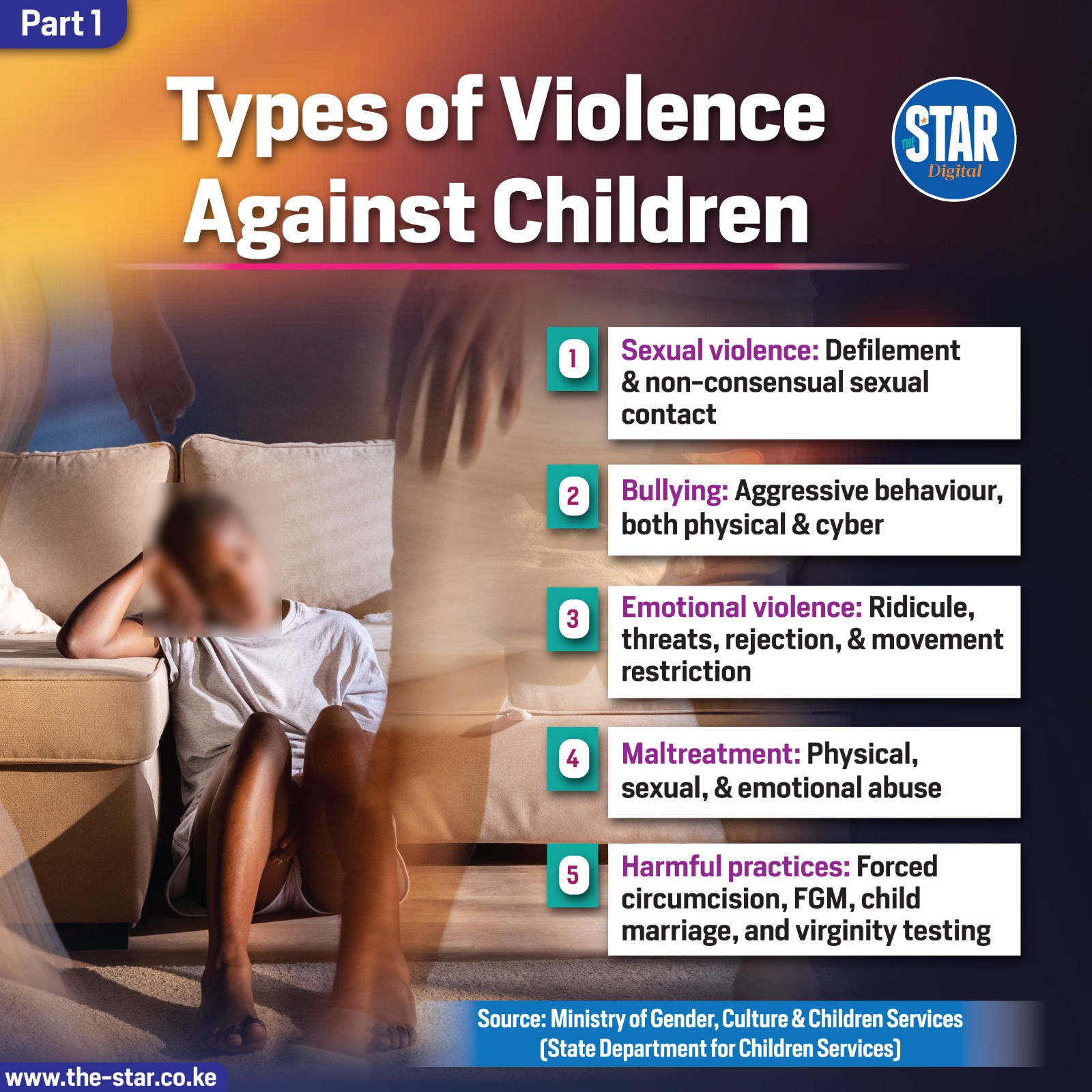
Neglect is a failure to provide for a person's basic needs. It is most frequently discussed in the context of children, the elderly, or individuals with disabilities who are dependent on a caregiver. Unlike other forms of abuse that involve action, neglect is often characterized by omission.
Forms of neglect include:
- Physical Neglect: Failure to provide adequate food, clothing, or shelter.
- Medical Neglect: Ignoring or refusing to provide necessary healthcare or medications.
- Educational Neglect: Failing to enroll a child in school or provide necessary educational support.
- Emotional Neglect: A consistent lack of emotional response or nurturing, which is particularly damaging to child development.
In many regions, professionals such as teachers, doctors, and social workers are "mandated reporters," meaning they are legally required to report suspected neglect to authorities, such as Child Protective Services.
Comparing Abuse Types and Indicators
The following table summarizes the primary indicators and common impacts of different abuse types to help in identification and assessment.
| Abuse Type | Primary Indicators | Immediate Risks | Common Long-term Effects |
|---|---|---|---|
| Physical | Bruises, fractures, fear of physical contact | Acute trauma, hospitalization, death | Chronic pain, TBI, fear/hypervigilance |
| Emotional | Withdrawal, loss of confidence, isolation | Escalation to physical violence | Depression, PTSD, anxiety disorders |
| Sexual | Physical trauma, STIs, sudden behavioral shifts | Unwanted pregnancy, physical injury | Sexual dysfunction, trust issues, trauma |
| Financial | Lack of access to money, unexplained debt | Homelessness, inability to buy food | Ruined credit, long-term poverty |
| Digital | Constant checking of phone, location monitoring | Targeted stalking, public shaming | Paranoia, social withdrawal, loss of privacy |
| Neglect | Poor hygiene, malnutrition, untreated illness | Illness, developmental delays, death | Attachment disorders, chronic health issues |
Frequently Asked Questions
What is the most common type of abuse?
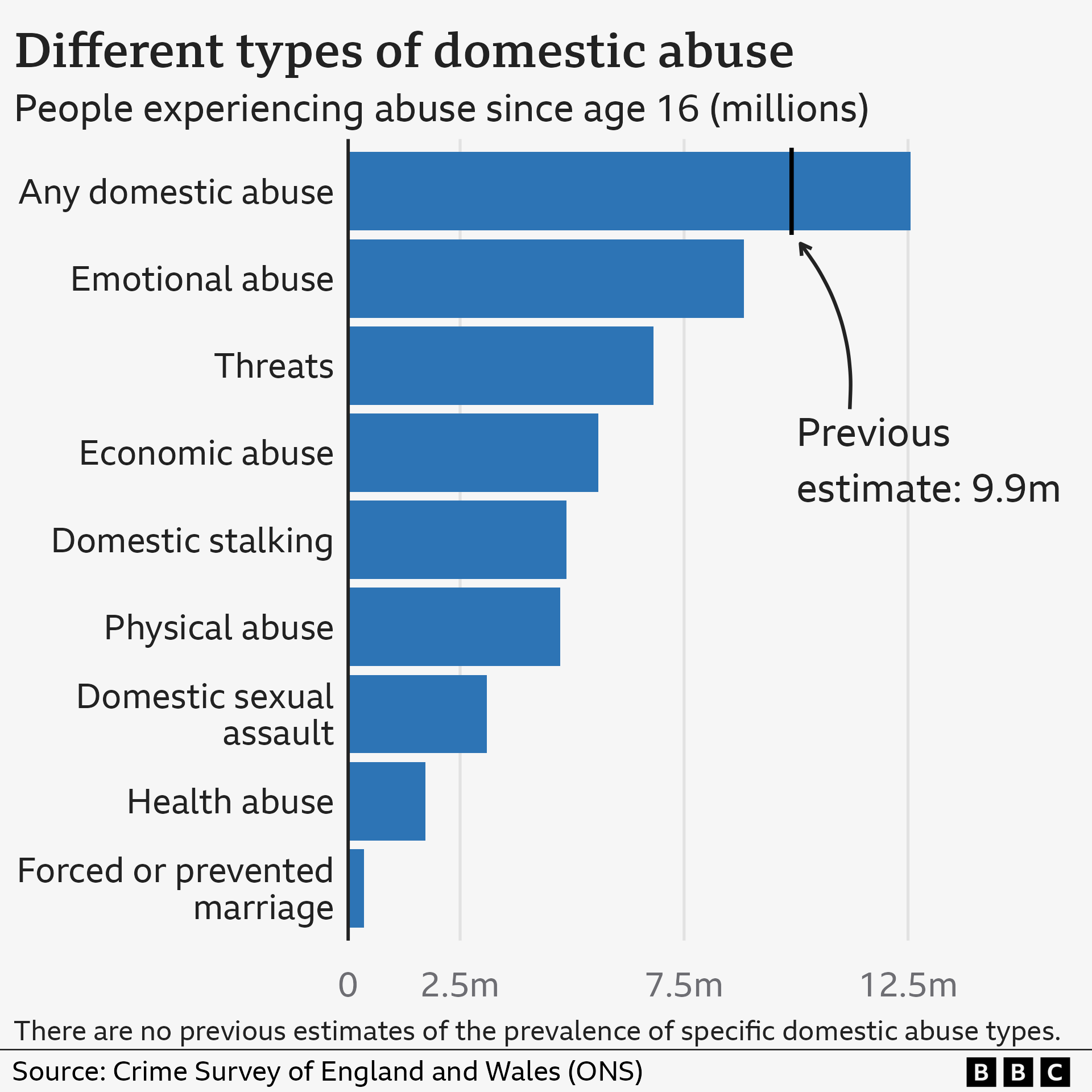
Emotional and psychological abuse is generally considered the most common, as it frequently precedes or accompanies physical and sexual violence. Because it is pervasive and often normalized in high-conflict relationships, it can be the most difficult form to identify and prove legally.
Can abuse be accidental?
Abuse is defined by a pattern of power and control, which is inherently intentional behavior. While a person may not consciously say, "I want to be an abuser," the choice to use intimidation, violence, or manipulation to get one's way is a choice. Mistakes or occasional arguments are part of healthy relationships, but systematic control is not.
How does digital abuse differ from physical abuse?
Digital abuse allows a perpetrator to exert control remotely and 24/7. While physical abuse requires proximity, digital abuse uses technology to ensure the victim never feels truly safe or alone, regardless of where they are. It often acts as a precursor to or a method of facilitating physical stalking.
What should I do if I suspect someone else is being abused?
The most important step is to offer non-judgmental support. Let the person know you are concerned and that help is available. Avoid pressuring them to leave immediately, as leaving is often the most dangerous time for a victim. Instead, provide them with resources like hotline numbers and help them create a safety plan if they are open to it.
Is "coercive control" a legal term?
As of 2026, many states and countries have integrated "coercive control" into their legal codes. This allows victims to seek protection based on a pattern of behavior (like isolation and financial restriction) rather than waiting for a physical assault to occur. It recognizes that the "cumulative effect" of non-physical abuse is a significant threat to safety.
Strategic Steps Toward Safety and Recovery
If you identify with the patterns described in this article, your safety is the highest priority. Recovery is a process that often requires a multi-disciplinary approach involving legal, financial, and psychological support.
Immediate Next Actions:
- Safety Planning: Contact a professional advocate to create a safety plan. This involves identifying safe places to go, packing an emergency bag with essential documents, and establishing a "safe word" with trusted friends.
- Documentation: If it is safe to do so, keep a record of incidents, including dates, times, and descriptions. For digital abuse, take screenshots of messages or call logs. Store this evidence in a secure location the abuser cannot access.
- Secure Your Tech: Change passwords on essential accounts (email, banking) from a device the abuser does not have access to, such as a library computer or a friend’s phone. Check your privacy and location settings on all social media platforms.
- Seek Professional Support: Reach out to organizations like the National Domestic Violence Hotline (call 800-799-7233) or local shelters. These organizations provide confidential help regardless of your gender, age, or financial status.
Taking the first step toward safety is incredibly difficult, but you do not have to do it alone. There are dedicated professionals and communities ready to assist you in reclaiming your autonomy and beginning the journey toward healing.