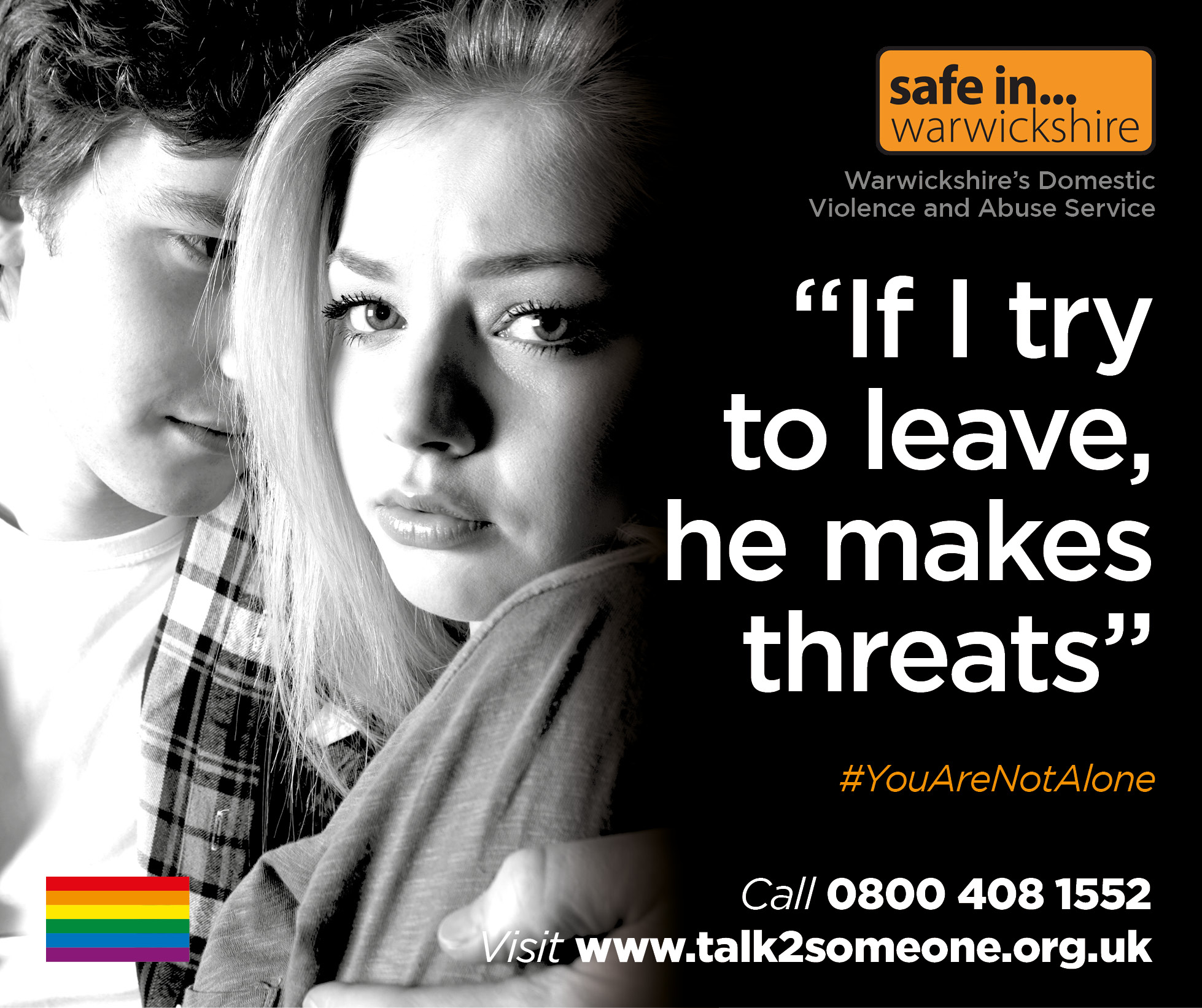
Abuse dynamics are the systemic patterns of behavior, psychological manipulation, and power imbalances used by an abuser to gain and maintain dominance over another person. These dynamics often function through a predictable cycle of tension, explosion, and reconciliation, reinforced by tactics like isolation and intermittent reinforcement to keep the victim entrapped within the relationship.
Understanding abuse dynamics requires looking beyond individual incidents of physical violence to the broader architecture of control. In 2026, our understanding of these patterns has evolved to recognize that abuse is rarely a series of isolated "blow-ups" but rather a persistent climate of fear and coercion. This article explores the psychological frameworks, tactical stages, and modern manifestations of these dynamics.
The Foundation of Control: The Duluth Model and Power
The most widely recognized framework for understanding domestic and interpersonal abuse dynamics is the Power and Control Wheel, developed as part of the Duluth Model in the early 1980s. This model posits that physical and sexual violence are the "outer rim" of the wheel, used primarily to reinforce the "spokes"—the non-physical tactics that make up the daily reality of an abusive relationship.
The core of the dynamic is the abuser’s belief in their right to control their partner. This is not a "loss of control" or an "anger management issue"; rather, it is a purposeful application of control. Tactics within this wheel include:
- Intimidation: Using looks, gestures, or loud voices to instill fear, or smashing objects and displaying weapons to signal what might happen if the victim does not comply.
- Emotional Abuse: Systematic degradation, name-calling, and making the victim feel "crazy" (gaslighting) to erode their self-esteem and sense of reality.
- Isolation: Controlling who the victim sees, where they go, and what they read, effectively cutting off the support systems that might help them leave.
- Minimizing, Denying, and Blaming: Shifting the responsibility for the abuse onto the victim or claiming the abuse never happened.
By 2026, practitioners have increasingly focused on Coercive Control, a term popularized by Evan Stark. Coercive control describes the "micro-regulation" of daily life—monitoring phone calls, dictating clothing choices, and demanding constant check-ins—which creates a "hostage-like" environment even in the absence of physical bruises.
The Temporal Pattern: The Cycle of Abuse
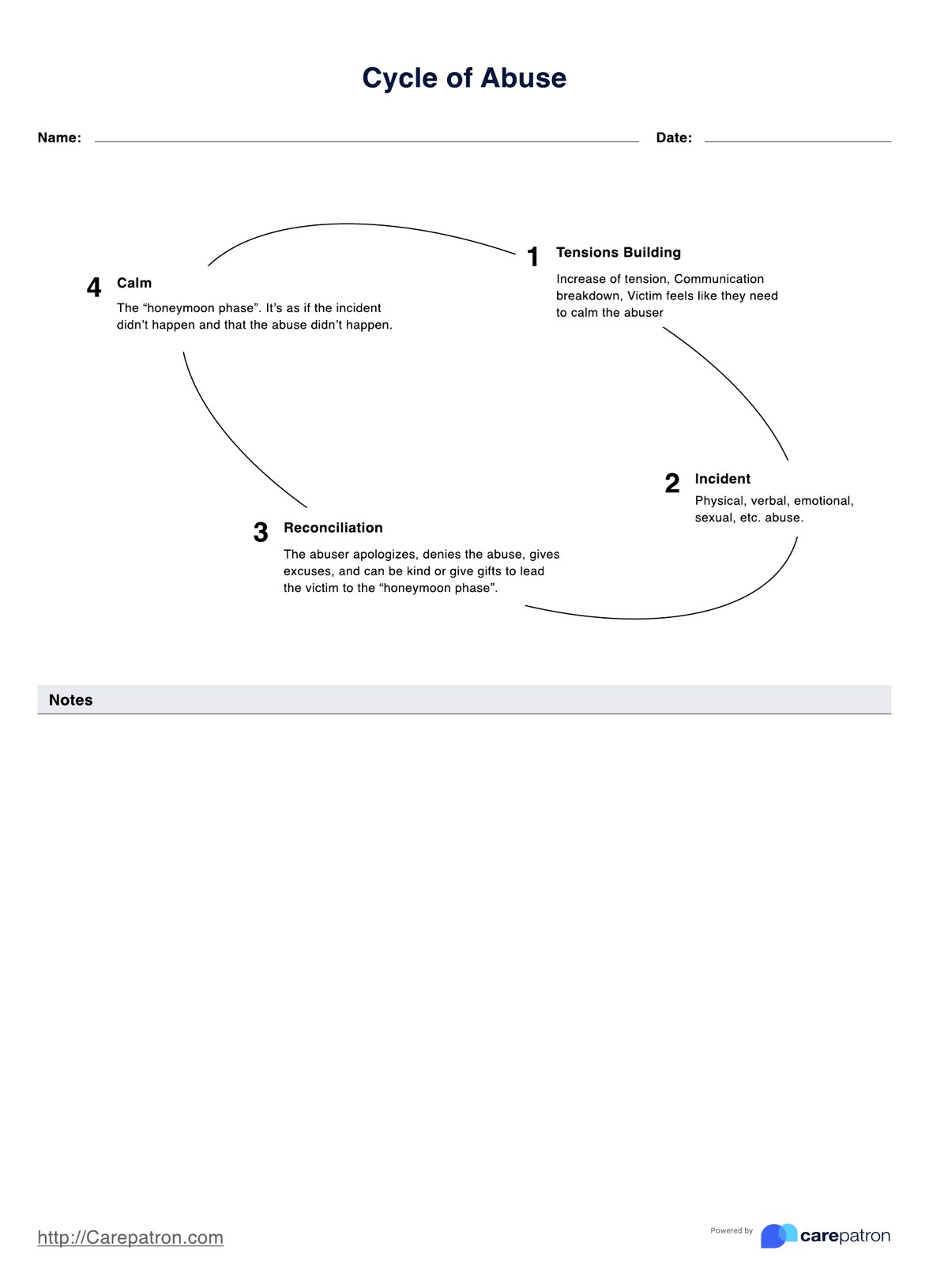
One of the most confusing aspects of abuse dynamics for both victims and observers is why the relationship does not end immediately after the first sign of trouble. This is explained by the Cycle of Abuse, a theory developed by Dr. Lenore Walker. The cycle consists of four distinct phases that repeat over time, often becoming more intense and frequent as the relationship progresses.
1. Tension Building
During this phase, the victim feels like they are "walking on eggshells." Stress builds over everyday issues like money, children, or jobs. The abuser may become moody, silent, or easily annoyed. The victim often attempts to placate the abuser, changing their own behavior to prevent an explosion, which ironically reinforces the abuser’s sense of power.
2. The Incident
This is the "explosion" where the abuse occurs. It can be physical, sexual, or a severe verbal/emotional attack. The goal of this phase is to establish who is in charge through a demonstration of force or psychological dominance.
3. Reconciliation (The Honeymoon Phase)
This is the most dangerous part of the dynamic because it provides the psychological "hook" that keeps the victim in the relationship. The abuser may show intense remorse, offer gifts, promise to seek therapy, or act like the person the victim first fell in love with. This phase creates a sense of hope that the abuser has changed and that the "real" partner has returned.
4. The Calm
The relationship enters a period of relative peace. The abuser may act as if the incident never happened or may blame the victim for "pushing them too far," while still maintaining a facade of kindness. Eventually, the calm gives way back to tension, and the cycle begins anew.
Psychological Anchors: Why Leaving is Difficult
Abuse dynamics are reinforced by powerful psychological phenomena that make leaving a hazardous and complex process. Two of the most significant factors are Trauma Bonding and Intermittent Reinforcement.
Trauma Bonding occurs when a victim develops a strong sense of loyalty and affection for their abuser. This is often a survival mechanism. When a person is the source of both terror and comfort (during the honeymoon phase), the victim's brain becomes chemically and emotionally dependent on the abuser for relief from the stress the abuser themselves caused. This is similar to Stockholm Syndrome, where the victim identifies with the aggressor to mitigate the threat of harm.
Intermittent Reinforcement is a concept from behavioral psychology where a reward is given only some of the time. In an abusive relationship, the "reward" is the kindness or affection shown during the honeymoon phase. Because the victim never knows exactly when the kindness will return, they stay and keep trying, much like a gambler at a slot machine. This type of conditioning is significantly harder to break than consistent reward or consistent punishment.
Modern Manifestations: Digital and Financial Coercion
In 2026, abuse dynamics have moved beyond physical and verbal interactions into the digital and financial spheres. These modern tactics allow abusers to maintain control even when they are not physically present.
| Type of Abuse | Traditional Tactics | Modern/Digital Manifestations (2026) |
|---|---|---|
| Surveillance | Following the victim, checking odometers. | Stalkerware on smartphones, GPS tracking via shared accounts, and smart-home camera monitoring. |
| Financial Control | Withholding cash, forbidding work. | Monitoring digital wallets, controlling access to crypto-assets, and ruining credit scores via identity theft. |
| Isolation | Unplugging phones, locking doors. | "Digital ghosting" by hacking and deleting the victim’s social media or blocking contacts on their devices. |
| Gaslighting | Denying conversations happened. | Editing digital records or using AI-generated content to make the victim doubt their memory of events. |
Digital Coercion is particularly insidious because it is often invisible to outsiders. An abuser may demand that a partner keep their location sharing "on" at all times as a "proof of love," effectively turning a safety feature into a tether of control. According to the National Network to End Domestic Violence, technology-facilitated abuse is now present in the vast majority of domestic violence cases.
The Role of Grooming in Adult Relationships
While often associated with child abuse, Grooming is a core component of adult abuse dynamics. It is the process by which an abuser prepares a victim to accept abusive behavior. In a romantic context, this often starts with "love bombing"—an intense, overwhelming display of affection and attention that moves the relationship forward at an accelerated pace.
The goal of grooming is to build trust and dependency. Once the victim is emotionally invested and perhaps socially isolated, the abuser introduces small "tests" of the victim's boundaries. If the victim accepts a small transgression, the abuser moves on to larger ones. By the time the first major abusive incident occurs, the victim is often so deeply enmeshed and their self-esteem so eroded that they blame themselves rather than the abuser.
Recognizing the "Red Flags" of Abusive Dynamics
Intervention is most effective when the dynamics are recognized early. While every relationship is different, certain behaviors are consistent indicators of an emerging abusive dynamic:
- Accelerated Intimacy: Pressuring for a quick commitment (e.g., moving in or getting married within weeks).
- Hypersensitivity: The partner is easily insulted and blames others for everything that goes wrong in their life.
- Jealousy as Love: Framing possessiveness and jealousy as a sign of how much they care.
- Cruelty to Others: Observing how a person treats those they perceive as "below" them (waitstaff, subordinates) often reveals their true views on power.
- Controlling the Narrative: The abuser insists on being the only source of information and discourages the victim from talking to friends or family about the relationship.
Frequently Asked Questions
Can abuse dynamics exist without physical violence?
Yes. Coercive control, emotional abuse, and financial exploitation are forms of abuse that can be just as damaging—and sometimes more enduring—than physical violence. These dynamics focus on the erosion of the victim's autonomy and sense of self, which does not require a physical strike.
Why does the abuser act so differently in public?
This is a calculated tactic known as "impression management." By being charming, helpful, and kind in public, the abuser ensures that if the victim ever tries to speak out, others will find the claims unbelievable. This further isolates the victim and reinforces the abuser's power.
Is it possible for an abuser to change their behavior?
While change is theoretically possible, it is extremely rare and requires years of specialized, long-term intervention (such as Battering Intervention Programs). Standard marriage counseling is often ineffective and can be dangerous, as it assumes an equal balance of power and can give the abuser more tools for manipulation.
What is "Reactive Abuse"?
Reactive abuse occurs when a victim eventually lashes out—yelling, pushing, or fighting back—after being systematically provoked or abused. Abusers often use these reactions to claim that they are the actual victim or that "both sides" are equally to blame. It is important to distinguish between the primary aggressor and the person reacting to a climate of fear.
How does financial abuse impact the ability to leave?
Financial abuse is one of the top reasons victims stay in or return to abusive relationships. Without access to money, a bank account, or a good credit score, a victim may face homelessness or the inability to provide for their children, making the known danger of the relationship feel more "survivable" than the unknown danger of poverty.
Steps Toward Safety and Intervention
If you or someone you know is caught in these dynamics, the focus should be on Safety Planning rather than an immediate, impulsive exit. Leaving is the most dangerous time in an abusive relationship because it is the ultimate challenge to the abuser’s control.
Seek support from specialized organizations such as the National Domestic Violence Hotline or local advocacy groups. These professionals can help create a safety plan that includes securing important documents, establishing a safe place to go, and managing digital footprints. Understanding that the behavior is part of a systemic dynamic—and not a personal failing—is the first step toward reclaiming autonomy.