Abu Dhabi is the capital of the United Arab Emirates and the largest emirate by land area, serving as the nation's political, industrial, and cultural heart. In 2026, it stands as a global leader in sustainable urban development, high-end tourism, and diversified economic growth beyond its oil-rich foundations.
Understanding the Dual Identity: Abu Dhabi City and the Emirate
To understand Abu Dhabi in 2026, one must distinguish between the city and the emirate. The Emirate of Abu Dhabi occupies approximately 87% of the UAE’s total landmass. While the city of Abu Dhabi serves as the federal capital and the seat of government, the emirate encompasses diverse landscapes, including the vast Rub' al Khali (Empty Quarter) desert and the "Garden City" of Al Ain.
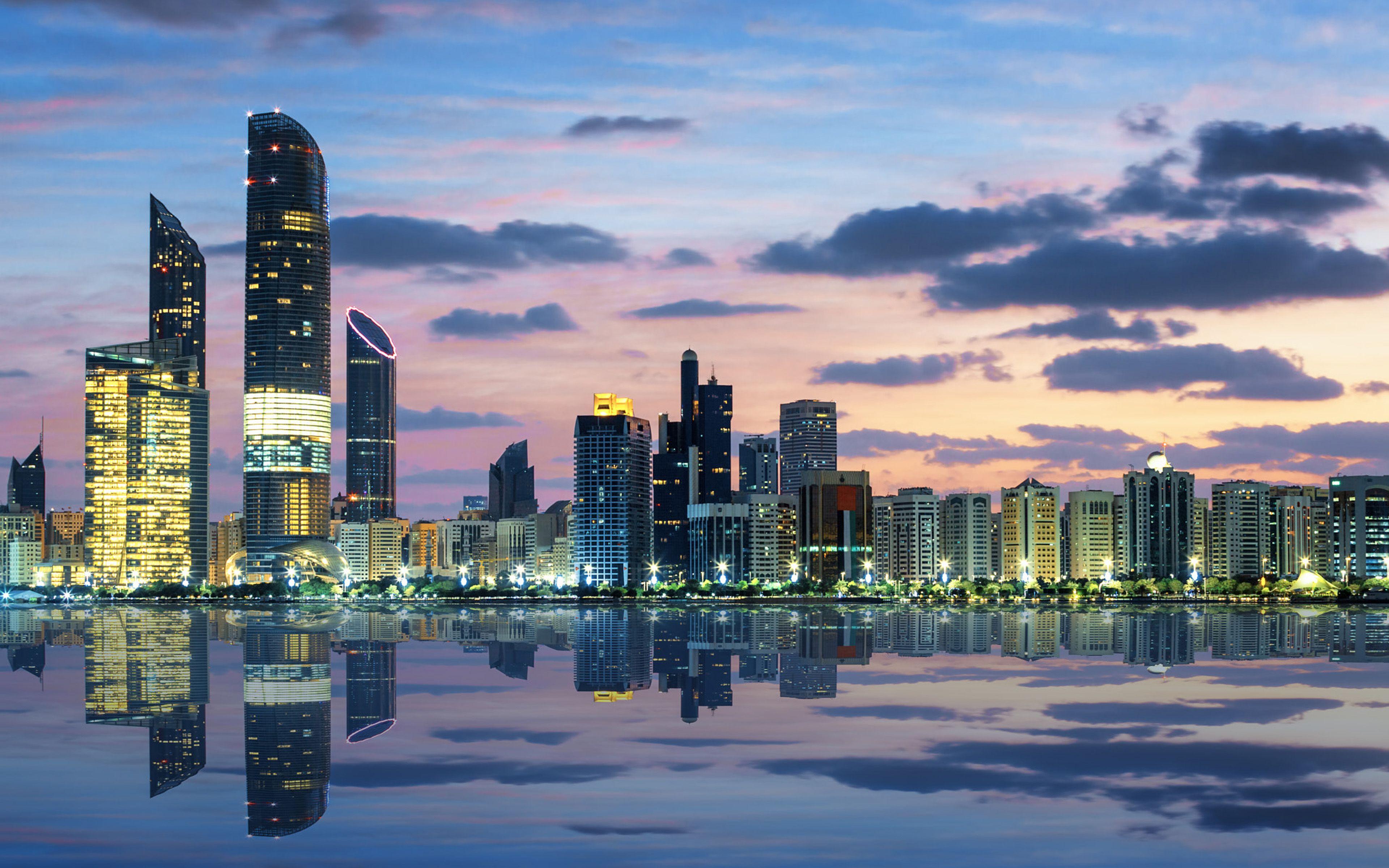
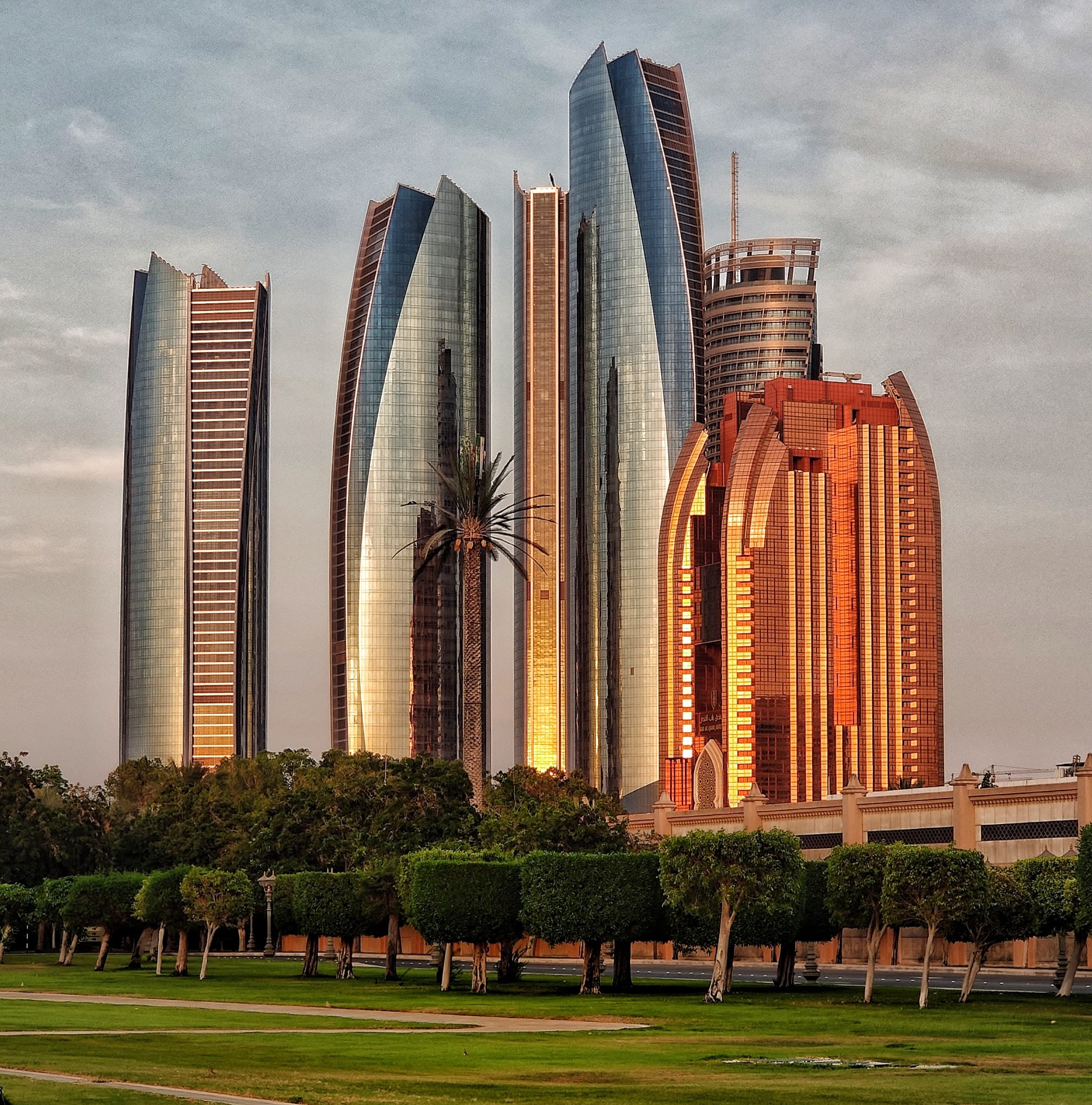
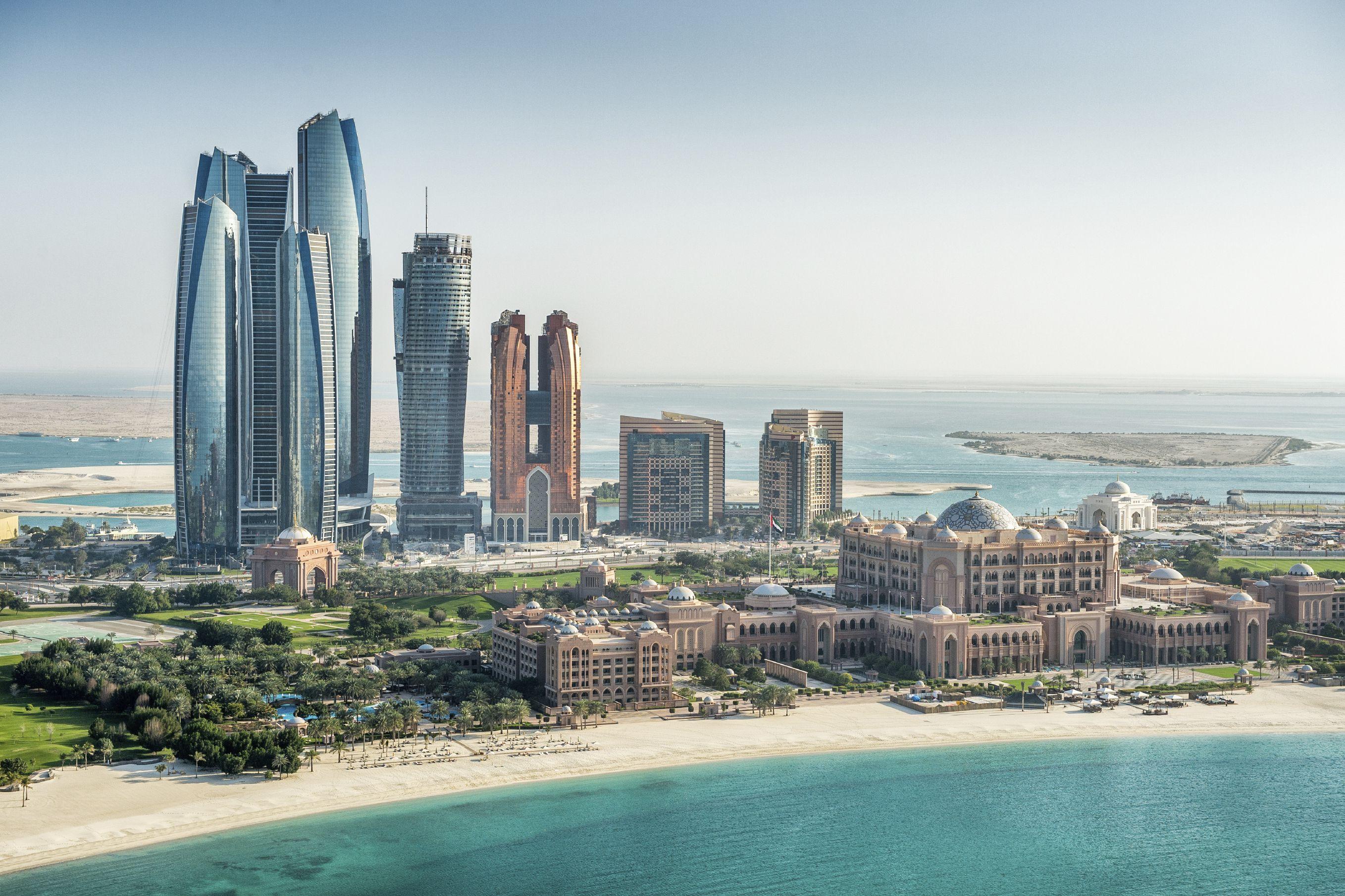
The city itself is situated on a T-shaped island jutting into the Persian Gulf from the central western coast. This island geography has dictated the city’s urban planning, resulting in a dense, high-rise skyline framed by expansive public beaches and mangrove forests. By 2026, the transition from a traditional oil-reliant economy to a "knowledge-based" economy, as outlined in the Abu Dhabi Economic Vision 2030, has reached a critical maturity point. This is visible in the burgeoning tech sectors, renewable energy projects, and a world-class healthcare infrastructure that attracts international patients and professionals alike.
The Saadiyat Cultural District: A Global Arts Hub
Saadiyat Island remains the crown jewel of Abu Dhabi’s cultural strategy. In 2026, the district has largely fulfilled its promise of becoming a global epicenter for the arts. The strategy here is not merely tourism-driven; it is a long-term investment in "soft power" and cultural diplomacy.
- Louvre Abu Dhabi: Since its opening in 2017, this "Universal Museum" has redefined the region's art scene. Its floating dome architecture, designed by Jean Nouvel, remains a primary draw, but its importance in 2026 lies in its rotating global exhibitions and its role as a bridge between Eastern and Western art histories.
- Guggenheim Abu Dhabi: By 2026, the progress of the Guggenheim has significantly impacted the surrounding real estate and tourism projections. It focuses on modern and contemporary art from a global perspective, specifically highlighting West Asian, North African, and South Asian (WANASA) artists.
- Zayed National Museum: This institution serves as the center for the UAE’s history and the legacy of the late Sheikh Zayed bin Sultan Al Nahyan. It provides the essential historical context that balances the futuristic leanings of the other Saadiyat institutions.
- Abrahamic Family House: Comprising a mosque, a church, and a synagogue on a single site, this complex has become a global symbol of the UAE’s policy of religious tolerance and coexistence.
Yas Island: The Epicenter of Entertainment and Leisure
If Saadiyat is for the mind, Yas Island is for the senses. As of 2026, Yas Island has solidified its position as one of the world's leading multi-purpose leisure destinations. The integration of high-speed transit and luxury hospitality makes it a primary driver of the emirate’s non-oil GDP.
The Yas Marina Circuit remains the anchor of the island, hosting the annual Formula 1 Abu Dhabi Grand Prix. However, the island's year-round appeal is sustained by its concentrated theme park offering. Warner Bros. World Abu Dhabi, Ferrari World, and the world’s largest indoor marine life theme park, SeaWorld Abu Dhabi, provide distinct experiences that cater to different demographics, from thrill-seekers to families interested in conservation.
The evolution of Yas Bay has also created a vibrant waterfront district. This area integrates the Etihad Arena—the region's largest multi-purpose indoor arena—with dozens of dining concepts and luxury hotels like the Hilton Abu Dhabi Yas Island. For residents, Yas Island has become a sought-after residential community, offering a blend of suburban villas and modern apartments with direct access to these world-class amenities.
Economic Diversification and the Role of ADGM
Abu Dhabi’s economic strength in 2026 is bolstered by the Abu Dhabi Global Market (ADGM), an international financial center located on Al Maryah Island. ADGM operates under its own civil and commercial laws based on English Common Law, providing a familiar and stable environment for international investors.
The focus of Abu Dhabi’s economy has shifted heavily toward high-tech industries and financial services.
- Renewable Energy: Masdar City continues to be a living laboratory for sustainable urban living. As the headquarters of the International Renewable Energy Agency (IRENA), it plays a pivotal role in the UAE’s "Net Zero by 2050" initiative.
- Sovereign Wealth Funds: Entities like the Abu Dhabi Investment Authority (ADIA) and Mubadala Investment Company are among the largest in the world, ensuring that the wealth generated from natural resources is reinvested into global and local sectors like aerospace, semiconductors, and green hydrogen.
- Real Estate and Residency: The expansion of the Golden Visa program has made Abu Dhabi a primary destination for long-term residency. In 2026, the 10-year residency permit is widely available to investors, entrepreneurs, and specialized talents, decoupling residency from specific employer sponsorship and encouraging long-term capital commitment to the emirate.
Transportation and Infrastructure in 2026
The physical landscape of Abu Dhabi is connected by state-of-the-art infrastructure that has seen significant upgrades leading into 2026.
- Zayed International Airport: Formerly known as Abu Dhabi International, the airport’s Terminal A is fully operational and serves as a global aviation hub. It is the primary base for Etihad Airways, which has expanded its fleet and routes to capitalize on the increasing transit and destination traffic.
- Etihad Rail: One of the most significant developments for 2026 is the maturity of the Etihad Rail network. This national railway now connects Abu Dhabi with Dubai and the Northern Emirates for both freight and passenger services. This has fundamentally changed the logistics of living in the UAE, allowing for more fluid movement of the workforce between emirates.
- Public Transit: Within the city, the introduction of automated rapid transit (ART) systems and an expanded bus network have reduced reliance on private vehicles. Abu Dhabi’s "Smart City" initiatives use AI to manage traffic flow and energy consumption across the urban grid.
Regional Comparison: Choosing Your Abu Dhabi District
Choosing where to stay or invest in Abu Dhabi depends on specific lifestyle or business needs. The table below compares the primary districts as they stand in 2026.
| District | Primary Focus | Key Landmarks | Ideal For |
|---|---|---|---|
| Saadiyat Island | Culture & Luxury | Louvre, St. Regis, Beaches | Art enthusiasts and beachfront living |
| Yas Island | Entertainment | Ferrari World, F1 Circuit | Families and tourism-focused investors |
| Al Reem Island | Residential | High-rise apartments, Parks | Expats and young professionals |
| Al Maryah Island | Finance & Retail | ADGM, The Galleria Mall | Business travelers and high-end shoppers |
| Al Ain | Heritage & Nature | Jebel Hafeet, Al Ain Zoo | Weekend retreats and traditional culture |
| Khalifa City | Suburban Living | Near Airport, Schools | Long-term resident families |
Legal Requirements and Practical Considerations
For those planning to visit or relocate to Abu Dhabi in 2026, several regulatory frameworks must be understood. The UAE government has streamlined many processes through digital portals like TAMM, which centralizes government services.
Visa and Residency
Most Western and many Asian and South American citizens receive a visa on arrival for tourism. However, for those seeking to work or live, the Green Visa (for skilled employees and freelancers) and the Golden Visa (for investors and high achievers) are the primary pathways. These visas allow for self-sponsorship and provide long-term stability.
Cultural Etiquette and Law
While Abu Dhabi is highly cosmopolitan, it maintains a deep respect for Islamic traditions. Public behavior should remain modest. Alcohol is available in licensed hotels, restaurants, and specialized shops, but public intoxication and drug use carry severe legal penalties. In 2026, the legal system has become increasingly digitized, with many minor disputes resolved through online arbitration and AI-assisted legal frameworks within the ADGM and local courts.
Climate Management
The weather is a significant factor. From November to March, the climate is temperate and ideal for outdoor activities. However, the summer months (June to September) see temperatures exceeding 40°C (104°F) with high humidity. Abu Dhabi’s infrastructure is built for this; almost all public spaces, including bus stops and walkways in key districts, are climate-controlled.
Frequently Asked Questions
Is Abu Dhabi or Dubai better for a first-time visitor?
Abu Dhabi offers a more relaxed, culturally focused experience compared to the high-energy, commercial atmosphere of Dubai. While Dubai is famous for its shopping and nightlife, Abu Dhabi is the destination for world-class museums, mangroves, and architectural landmarks. In 2026, the two cities are easily connected by the Etihad Rail, making it possible to visit both in a single trip.
What are the current visa requirements for 2026?
Visa requirements vary by nationality, but the UAE remains highly accessible. Most visitors can enter with a 30-day or 90-day visa on arrival. For residents, the focus is now on the Golden Visa (10 years) and the Green Visa (5 years), which require proof of income, investment, or specialized professional standing.
How does the Etihad Rail impact travel within the UAE?
The Etihad Rail has drastically reduced travel times between Abu Dhabi and Dubai. What was once a 90-minute drive can now be completed in under an hour by rail, with high-frequency departures. This has made commuting between the two major cities a viable option for professionals and has increased tourism flow to Abu Dhabi's cultural sites.
Is Abu Dhabi safe for solo travelers?
Abu Dhabi consistently ranks among the safest cities in the world. High levels of digital surveillance, a professional police force, and a culture of respect contribute to extremely low crime rates. Solo travelers, including women, can navigate the city at any time of day or night with a level of security that is rare in other global capitals.
What are the "must-visit" cultural sites?
The Sheikh Zayed Grand Mosque remains the quintessential site for its architectural beauty and scale. Beyond this, the Louvre Abu Dhabi and the Abrahamic Family House are essential for understanding the emirate’s modern identity. For a more traditional experience, the Al Hosn Fort (the city's oldest stone building) provides a deep dive into the pre-oil history of the region.
Strategic Planning for Your Visit or Investment
As Abu Dhabi continues its trajectory toward the goals of the 2030 Vision, the opportunities for both leisure and business are expanding. For visitors, the recommendation is to split your time between the Saadiyat Cultural District for heritage and art, and Yas Island for entertainment. For investors, the ADGM framework and the growing Golden Visa ecosystem provide a level of security and long-term potential that is unique in the Middle East.
Before traveling or investing, consult the official UAE Government Portal or the Abu Dhabi Department of Economic Development for the most current regulations regarding residency, business licenses, and entry requirements.