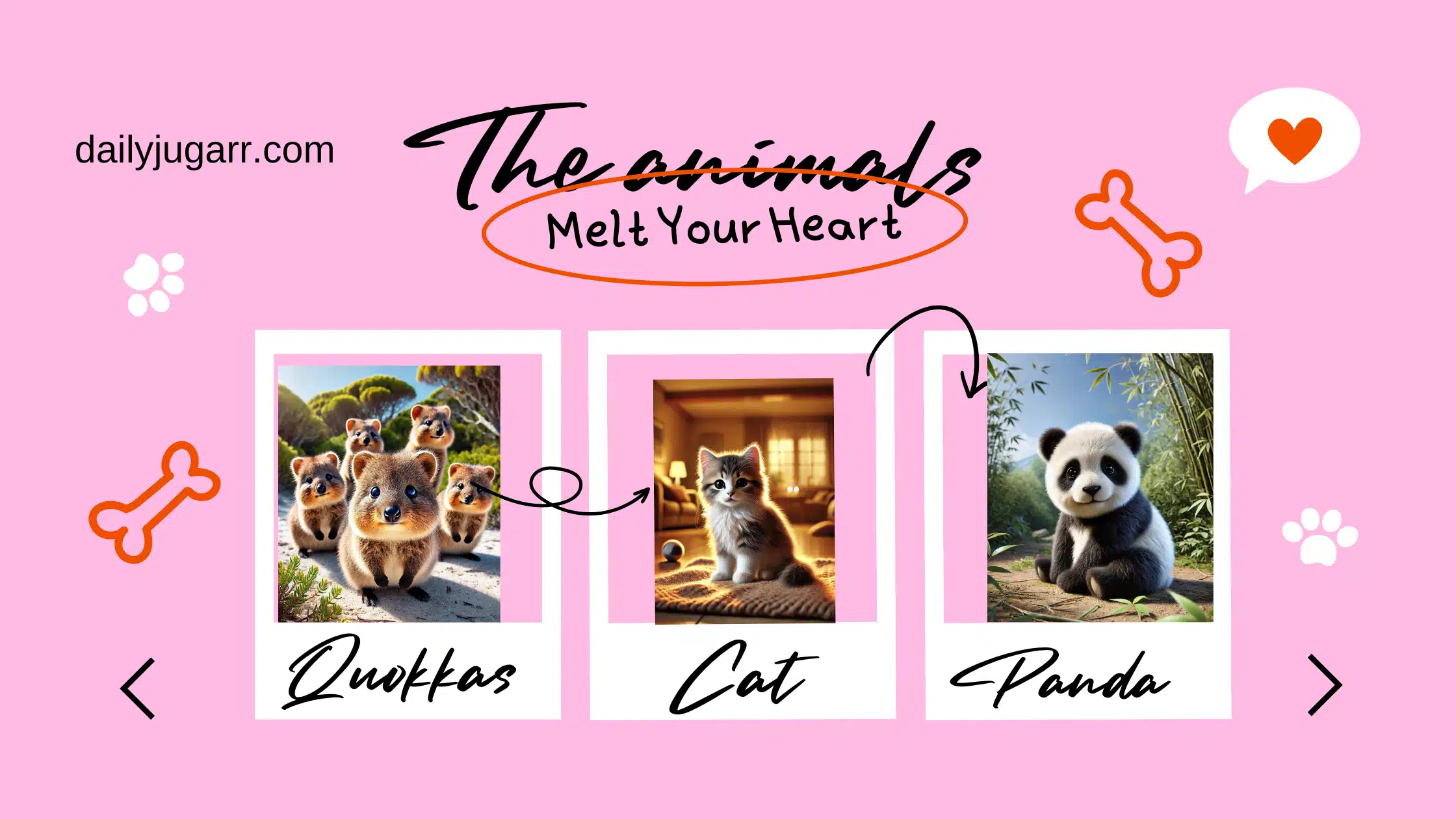
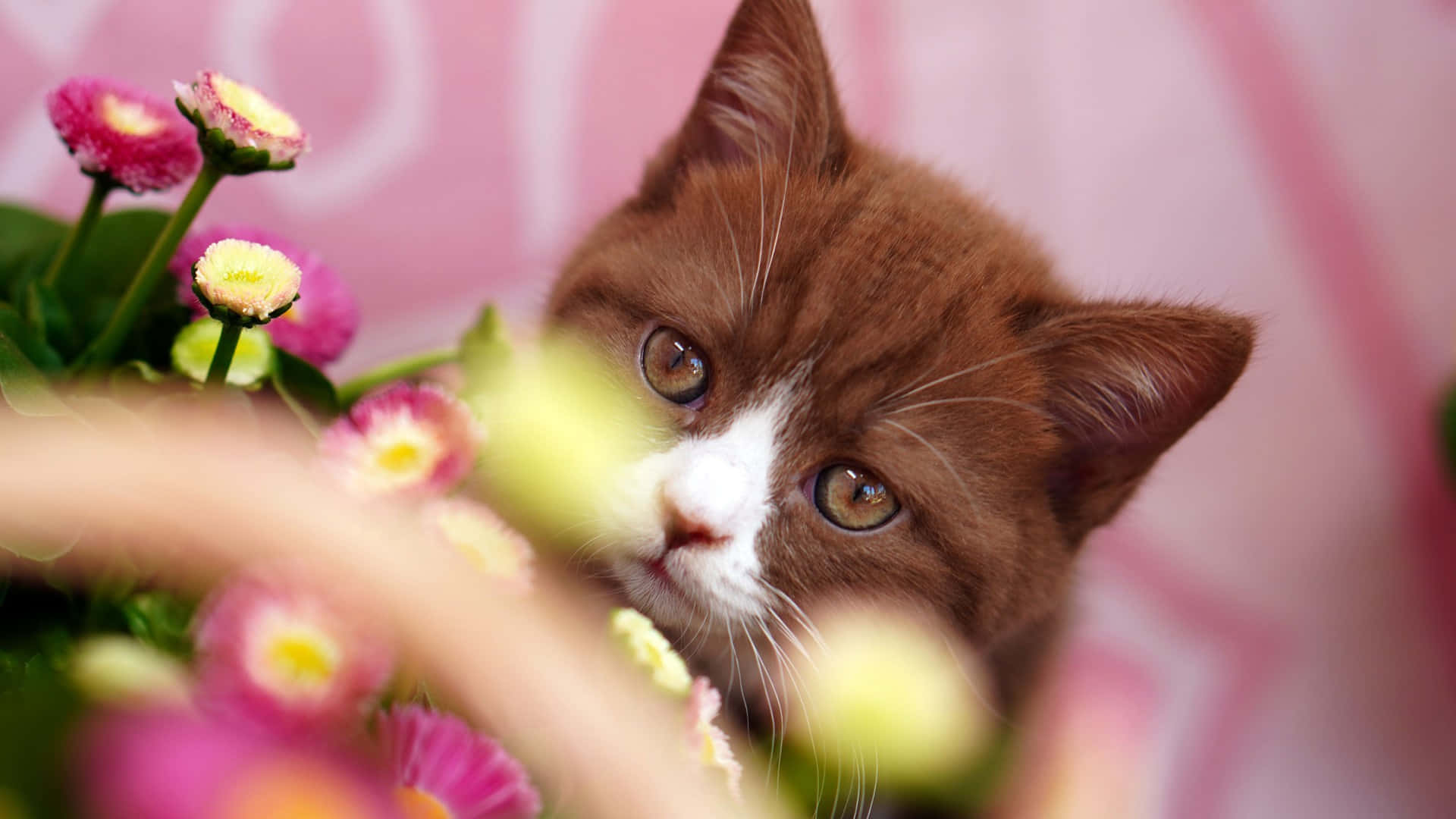
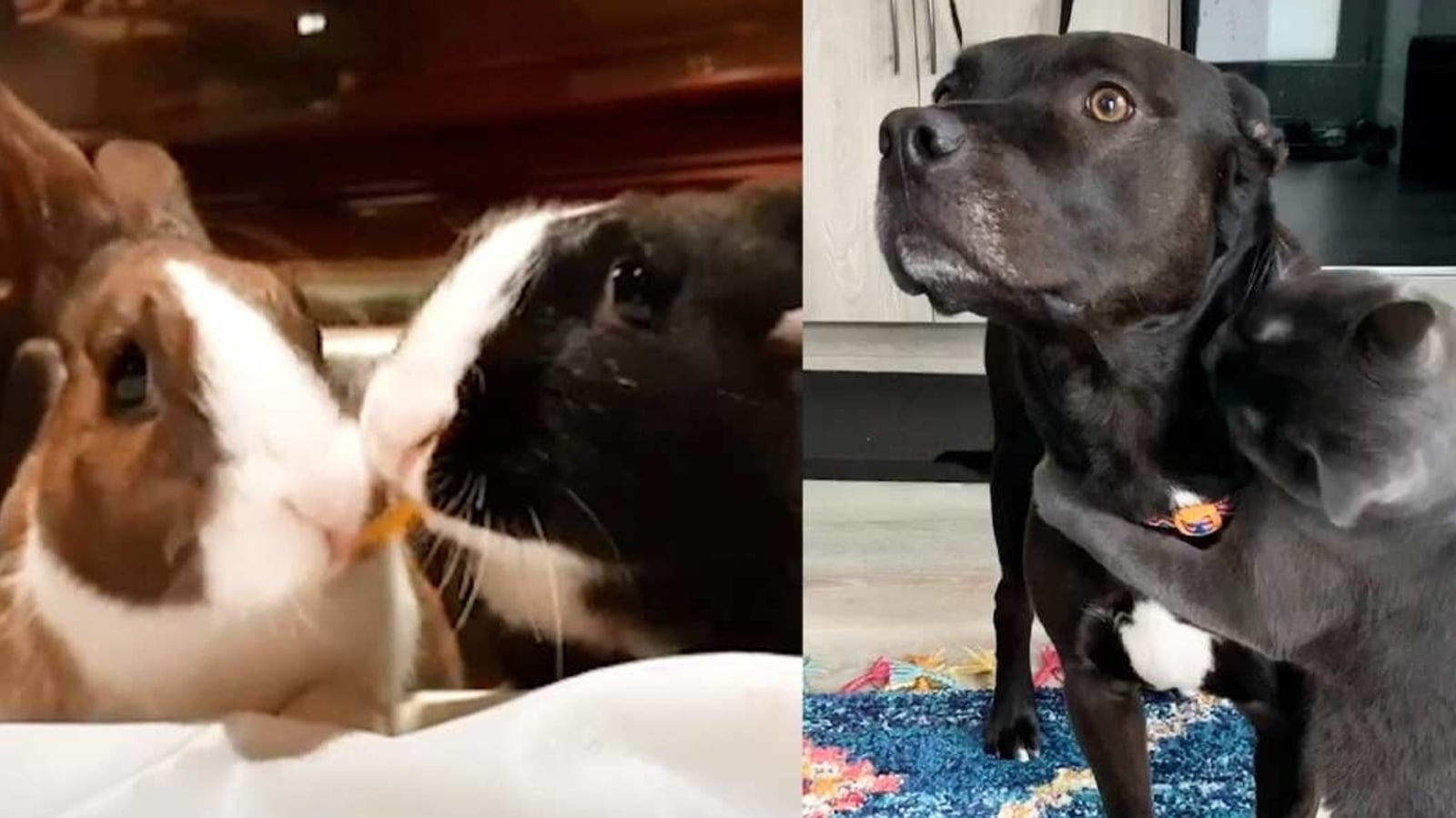
Absolutely adorable cute pets photos provide more than just a momentary smile; they trigger a neurological release of oxytocin and dopamine, significantly reducing stress levels and improving emotional regulation. In 2026, high-definition pet photography has become a primary tool for digital wellness, offering a necessary visual respite through candid, high-fidelity captures of domestic and exotic companions.
The Evolutionary Science Behind Why We Find Pets Adorable
The overwhelming emotional response we experience when viewing photos of cute pets is not accidental. It is deeply rooted in evolutionary biology, specifically a concept known as Kindchenschema or "baby schema," first identified by ethologist Konrad Lorenz. This set of physical features—large eyes relative to head size, a high forehead, rounded body shapes, and soft textures—triggers an innate nurturing instinct in humans. When we see a photo of a golden retriever puppy or a wide-eyed kitten, our brains categorize these images using the same neural pathways reserved for human infants.
In 2026, neurological research continues to support the idea that viewing these photos stimulates the mesocorticolimbic system, the brain's reward center. This biological "hack" is why a single image of a sleeping bunny can instantly lower cortisol levels. The "melting heart" sensation is a literal interpretation of our nervous system shifting from a state of high alert to one of social engagement and caretaking. Furthermore, the phenomenon of "cute aggression"—that intense urge to squeeze something adorable—is now understood as the brain’s way of balancing the overwhelming positive emotion, ensuring we don't become incapacitated by the cuteness and can instead provide care.
Understanding this science helps explain why pet photography remains the most shared category of media globally. We aren't just looking at animals; we are participating in an ancient biological ritual that reinforces empathy and reduces feelings of isolation.
The Therapeutic Benefits of Viewing High-Quality Pet Photography
Beyond the immediate "aww" factor, the intentional consumption of cute pet photos has documented mental health benefits. Studies conducted through 2025 and 2026 have shown that brief "micro-breaks" spent looking at adorable animal images can increase focus and fine motor dexterity. This is often referred to as the "Kawaii Effect," where the positive affect generated by the images narrows the scope of attention and increases carefulness, making it a surprisingly effective tool for productivity in high-stress work environments.
For individuals dealing with anxiety or chronic stress, pet photos serve as a form of visual therapy. The consistency and perceived innocence of animals provide a sense of psychological safety. In a digital landscape often filled with complex and conflicting information, the simplicity of a cat chasing its tail or a dog’s head tilted in curiosity offers a moment of unambiguous joy.
| Feature | Psychological Impact | Why It "Melts Your Heart" |
|---|---|---|
| Large, Forward-Facing Eyes | Establishes a "human-like" connection | Mimics the gaze of a human infant, triggering oxytocin. |
| Soft Textures (Fur/Feathers) | Invokes a tactile desire to touch | Brain processes visual softness as a comfort-seeking signal. |
| Clumsy or Vulnerable Poses | Triggers the "protective" instinct | Humans are wired to help and nurture vulnerable beings. |
| Head Tilts | Interpreted as attentiveness or empathy | Creates an illusion of the animal "understanding" the viewer. |
| Tiny Paws/Noses | Highlights delicate proportions | Reinforces the baby schema and perceived helplessness. |
Key Elements That Make a Pet Photo Truly Captivating
Not every photo of a pet is created equal. To move from a standard snapshot to a "heart-melting" portrait, professional photographers in 2026 focus on three primary pillars: eye-level perspective, natural lighting, and "the decisive moment."
Shooting at the pet’s eye level is the most transformative technique. When a photographer stands over a dog or cat, the resulting image feels distant and observational. However, by getting down on the floor, the viewer is invited into the pet's world. This perspective creates a sense of equality and intimacy that is essential for emotional resonance. It allows the viewer to see the world from the animal's vantage point, making the "absolutely adorable" features much more prominent.
Lighting is equally critical. Harsh, direct sunlight or artificial flashes often create "devil eyes" or flat, unappealing textures. The most successful pet photos utilize "Golden Hour" light or soft, diffused window light. This highlights the individual strands of fur, the moisture on a nose, and the "catchlight" in the eyes—the tiny white reflection that gives an animal a spark of life and soul. In 2026, AI-enhanced sensors in smartphones have made it easier to capture these details in low light, but the fundamental principle of seeking soft, directional light remains unchanged.
Comparing Popular Pet Subjects and Their Unique Appeals
While dogs and cats remain the undisputed kings of the "cute" category, 2026 has seen a surge in the popularity of diverse species. Each brings a different aesthetic and emotional "flavor" to photography.
The Playful Loyalty of Canines
Dog photography thrives on expression. Whether it’s the "zoomies" captured in high-speed freeze-frame or the soulful, drooping eyes of a Basset Hound, dogs offer a range of human-like expressions. The appeal here is often rooted in the "best friend" narrative, where the photo captures a moment of unconditional love or hilarious clumsiness.
The Elegant Mystery of Felines
Cats provide a more geometric and aesthetic appeal. Their bodies are naturally graceful, and their large, often vibrantly colored eyes are perfect for macro photography. A "heart-melting" cat photo often involves a "loaf" position, a tiny blep (a sliver of tongue sticking out), or the intense focus of a kitten preparing to pounce.
The "Pocket-Sized" Charm of Small Mammals
Rabbits, guinea pigs, and hamsters rely heavily on the "tiny" factor. In 2026, macro photography has allowed us to see the twitching noses and individual whiskers of these small creatures in ways never before possible. Their appeal is pure Kindchenschema: they are small, round, and look perpetually in need of a snack or a nap.
Expert Techniques for Capturing Your Pet’s Best Moments
If you are looking to capture your own adorable pet photos that will melt hearts, patience is your most valuable tool. Animals do not take direction well; they must be bribed or outlasted. Using high-value treats or squeaky toys can help get that elusive "head tilt" or direct eye contact with the lens.
Technically, you should prioritize a fast shutter speed. Even a pet that seems still can move its head or ears in a fraction of a second. Setting your camera or smartphone to "Burst Mode" or "Action Mode" ensures that you catch the exact millisecond where the expression is most poignant. Additionally, look for "the nose boop." Macro shots of a damp nose or the "toe beans" (paw pads) are consistently high-performing styles in 2026 because they focus on the specific, tactile details that people find most endearing.
Another tip is to clear the background. A cluttered room distracts from the subject. By moving a few pillows or shooting against a plain rug, you allow the pet’s features to take center stage. If you have a modern smartphone, using "Portrait Mode" to artificially create a shallow depth of field (bokeh) can make a pet "pop" off the screen, giving even a casual photo a professional, gallery-ready look.
The Ethics of Pet Content in the Digital Age
As we consume "absolutely adorable" pet photos, it is vital to remain mindful of animal welfare. In 2026, the photography community has placed a much higher emphasis on "ethical cuteness." This means avoiding photos of pets in costumes that cause them visible distress, such as pinned-back ears, whites of the eyes showing (whale eye), or panting when it isn't hot.
True "heart-melting" photos are those where the animal is clearly happy, relaxed, and safe. Staged photos that put pets in precarious positions or involve wildlife handled by humans for "clout" are increasingly discouraged. The most beautiful images are those that capture a pet's natural personality. An authentic yawn, a stretch in a sunbeam, or a messy face after eating is far more adorable than a forced pose because it conveys a sense of trust and well-being. Supporting photographers and creators who prioritize the animal's comfort over the "perfect shot" ensures that the industry remains a positive space for both viewers and the pets themselves.
Where to Find the Best Pet Photography in 2026
For those seeking a daily dose of cuteness, the landscape in 2026 offers several specialized avenues. High-end digital galleries and "slow-media" platforms have gained traction, moving away from the frantic scrolling of traditional social media toward high-resolution, curated collections of animal portraits.
Many professional pet photographers now offer "digital subscriptions" where subscribers receive a weekly 8K wallpaper of a rescued animal, with proceeds going toward shelters. This creates a cycle of "goodness"—the viewer receives the psychological benefits of the photo, while the subject of the photo (or their peers) receives tangible support. Specialized AI-curated feeds also allow users to filter by specific "moods," such as "cozy kittens" or "heroic dogs," tailoring the visual experience to the viewer's current emotional needs.
How to Build a "Joy Folder"
One practical recommendation for 2026 is to create a dedicated "Joy Folder" on your devices. Whenever you encounter a photo that truly "melts your heart," save it. During moments of high stress or digital fatigue, browsing through this curated collection of adorable pets can act as a quick emotional reset, grounding you in the simple, uncomplicated beauty of the animal kingdom.
FAQ
Why do I feel the urge to squeeze a pet when I see a cute photo?
This is known as "cute aggression." It is a common dimorphous expression where the brain produces a negative-leaning physical response (squeezing, growling) to regulate an overwhelming influx of positive emotion. It helps prevent "emotional overload" so you can continue to function and care for the animal.
Can looking at pet photos actually improve my productivity?
Yes. Studies, particularly from researchers in Japan, have shown that looking at "kawaii" (cute) images improves performance on tasks that require focused attention. The theory is that the nurturing instinct triggered by cuteness makes us more careful and deliberate in our actions.
What is the best time of day to take photos of my pet?
The best time is during "Golden Hour"—the hour after sunrise or before sunset. The light is soft, warm, and creates a beautiful glow on fur. Alternatively, an overcast day provides perfect, even lighting that prevents harsh shadows on the pet's face.
Is it okay to put my pet in a costume for a photo?
It depends on the individual pet. If your pet is relaxed and receives treats, it can be a positive experience. However, if they show signs of stress (tucked tail, ears back, hiding), it is better to take a natural photo. Authentic, candid shots are generally more popular in 2026 anyway.
How do I get my pet to look at the camera?
Use a "look-at-me" sound, like a high-pitched whistle or a crinkling bag, but only right before you press the shutter. If you make the sound too early, the pet will lose interest or walk toward you to investigate, ruining the shot.
Why are some people more affected by cute pet photos than others?
Individual sensitivity to "baby schema" varies based on personality traits, past experiences with animals, and current hormonal levels. People with higher levels of empathy or those who have strong bonds with their own pets often show a more significant neurological response to these images.
Curating Your Personal Visual Sanctuary
To maximize the benefits of these adorable images, move beyond passive consumption and become an active curator. Use pet photography as a deliberate tool for mindfulness. When looking at a photo, take ten seconds to notice the details: the texture of the fur, the color of the eyes, and the peacefulness of the pose. By turning a quick glance into a moment of intentional observation, you deepen the psychological benefits and allow the "melting heart" sensation to provide lasting stress relief. Whether you are capturing your own furry friends or following professional artists, remember that the most "adorable" photo is one that celebrates the unique, joyful spirit of the animal.