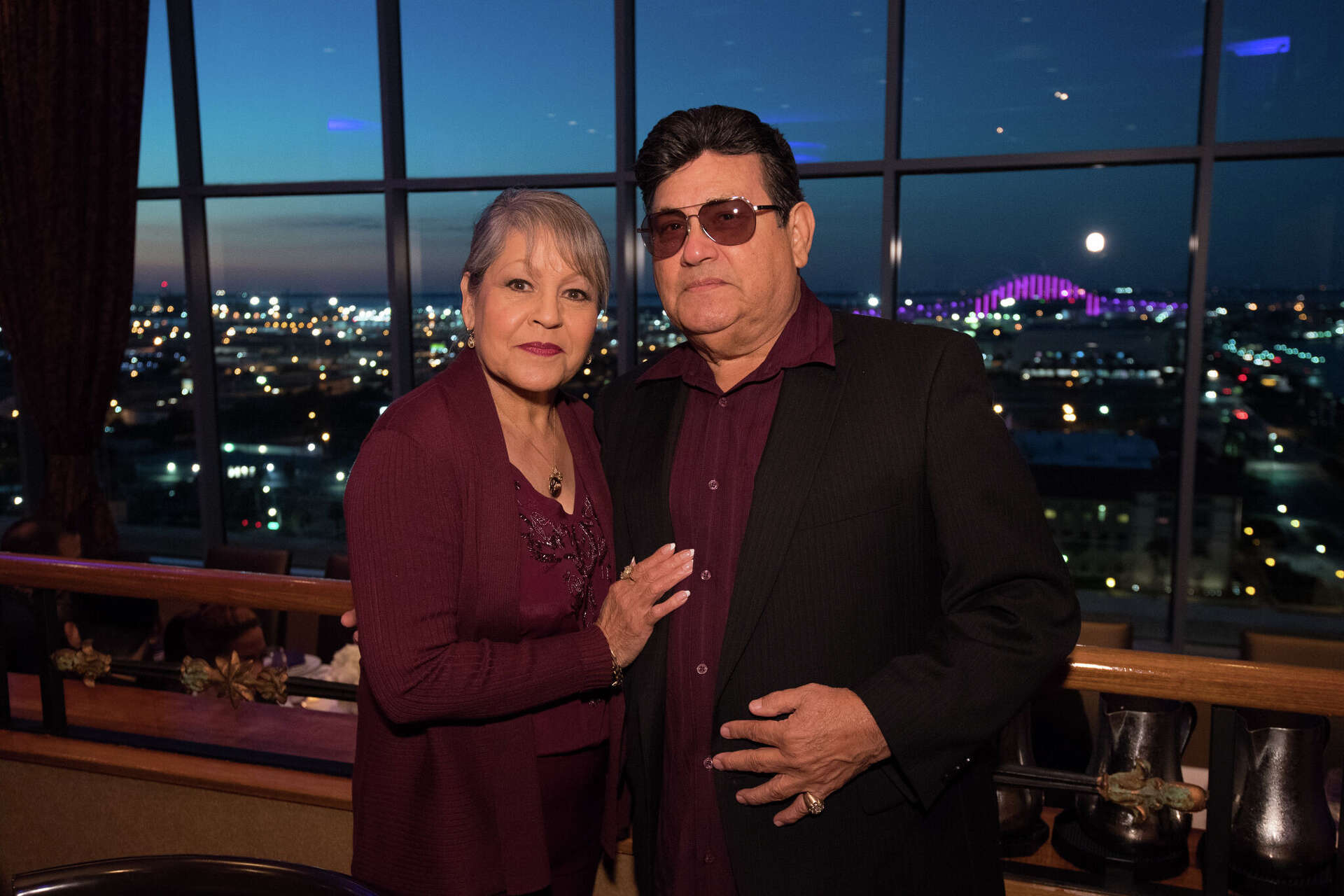
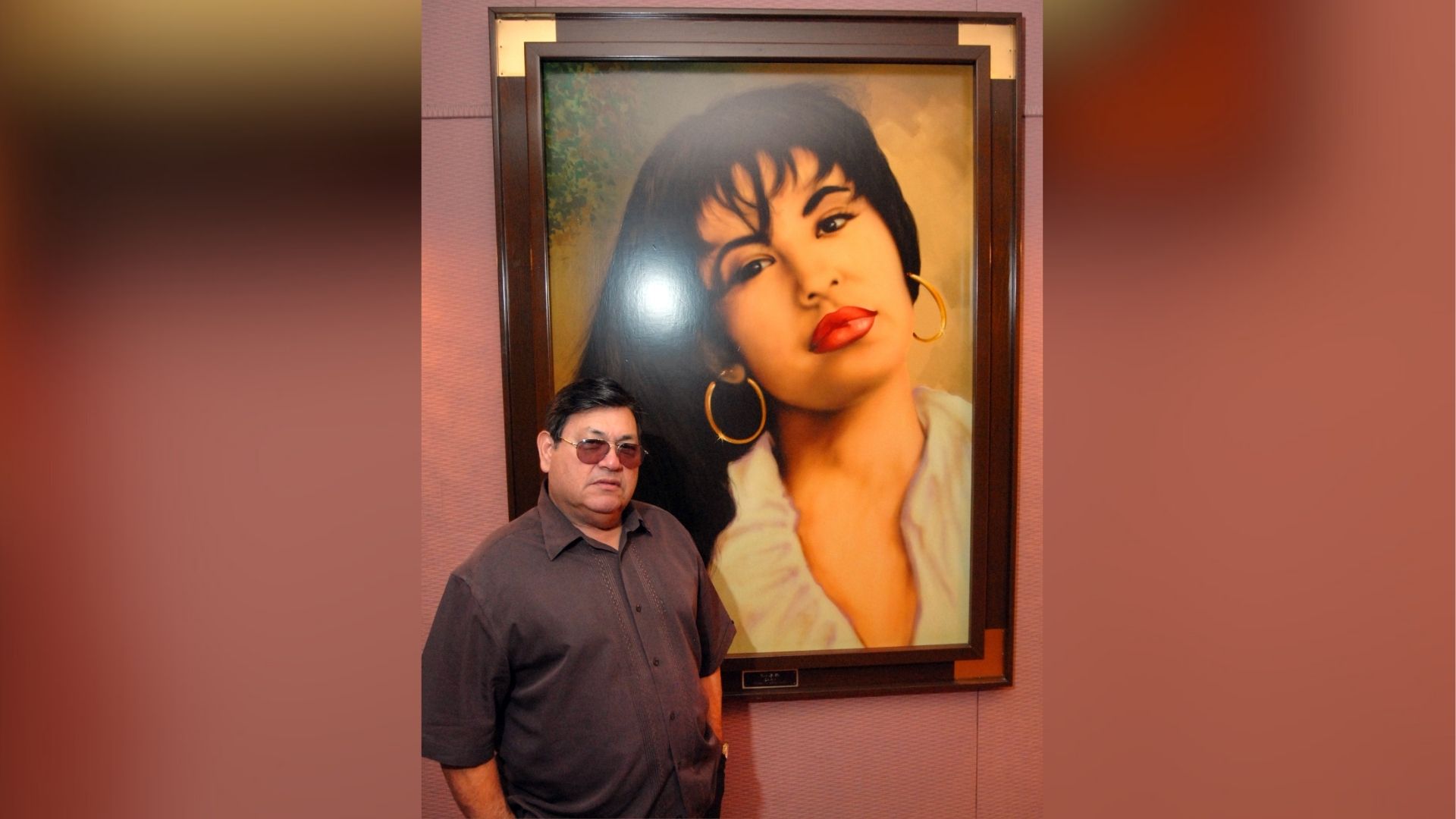
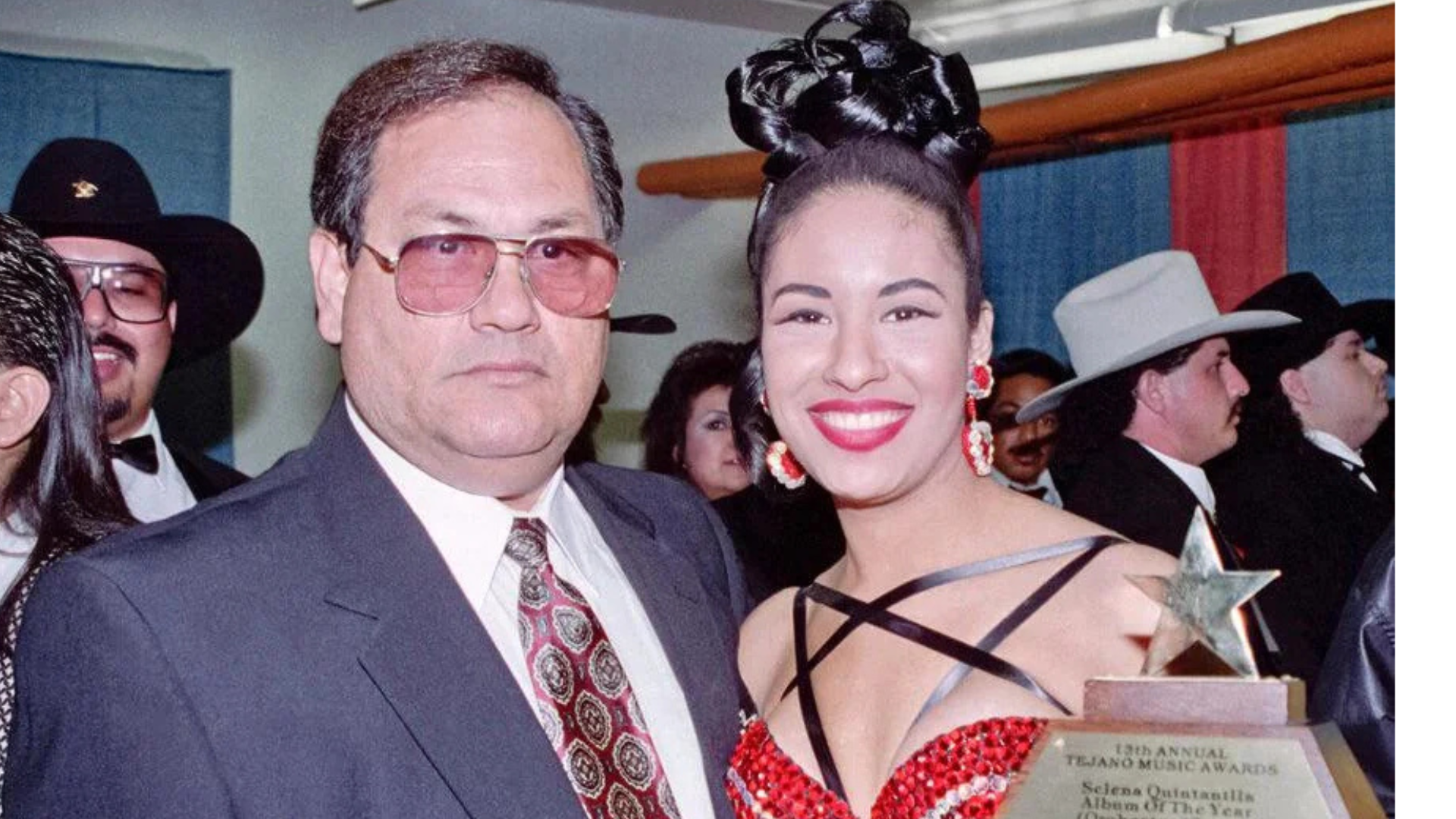
Abraham Quintanilla is a veteran American musician, record producer, and entrepreneur who is best known as the father and manager of the late Tejano superstar Selena. As the founder of Selena y Los Dinos and the creator of Q-Productions, he played a pivotal role in bringing Tejano music into the global mainstream and continues to manage the cultural and commercial estate of his daughter.
The story of Abraham Quintanilla is more than a footnote in the biography of a pop icon; it is a narrative of persistence, the complexities of the Mexican-American experience, and the construction of a multi-generational musical dynasty. To understand the landscape of modern Latin music, one must examine the career of the man who acted as its most disciplined architect.
Early Musical Career and the Original Los Dinos
Before Abraham Quintanilla was the world-renowned manager of a superstar, he was a young man with his own aspirations of musical stardom. In the late 1950s, while living in Corpus Christi, Texas, Quintanilla joined a vocal group called Los Dinos. This original iteration of the band focused primarily on American doo-wop and rock and roll, reflecting the cultural synthesis typical of young Tejanos during the post-war era.
The journey of the original Los Dinos was marked by the harsh realities of segregation and racial prejudice in the American South. Quintanilla often recounted stories of the band being turned away from "whites-only" establishments, despite their talent and professional attire. These experiences deeply influenced his later business acumen and his protective nature over his children’s careers.
Musically, the original Los Dinos struggled to find a consistent audience. When they performed American pop, they were often rejected by white audiences; when they performed traditional Mexican music, they were sometimes viewed as "not Mexican enough" by older generations. This tension—navigating the "middle ground" of being Mexican-American—became the foundational theme of the Quintanilla family's later success. By the early 1970s, after years of touring and modest recordings, Abraham stepped away from the stage to provide stability for his growing family, taking a job at Dow Chemical. However, the musical fire remained, eventually manifesting in the education of his children: A.B., Suzette, and Selena.
The Formation of Selena y Los Dinos
The transition from a retired musician to a full-time manager began when Abraham discovered the vocal prowess of his youngest child, Selena. Recognizing an extraordinary gift, he reformed Los Dinos in the early 1980s as a family unit. Unlike many parents who view music as a hobby for their children, Abraham treated the venture with the rigor of a professional corporation from the outset.
The early years of the family band were defined by economic hardship. Following the failure of the family’s restaurant, Papa Gayo’s, during the Texas oil recession, the Quintanillas became itinerant musicians. Abraham managed every aspect of their existence, from driving the refurbished bus (dubbed "Big Bertha") to handling booking, sound engineering, and lighting.
During this period, Abraham’s role was controversial to some. His reputation as a strict disciplinarian began to take shape. He insisted on daily rehearsals and total dedication, a move that many observers credited with the band's eventual "tight" professional sound. While critics sometimes labeled him a "stage dad," his supporters—and his children—have historically maintained that his discipline was a necessary shield against an industry that was often predatory toward young, minority artists. He was not just teaching them notes; he was teaching them the business of survival.
Managerial Philosophy and the Rise to Superstardom
Abraham Quintanilla’s primary contribution to the music industry was his belief that Tejano music—a genre then relegated to small regional markets—could achieve mainstream pop success without losing its soul. He oversaw the transition of the band from performing at weddings and quinceañeras to signing with major labels.
In 1989, his efforts culminated in a contract with the newly formed EMI Latin. Abraham’s negotiation skills were crucial here; he ensured that the family maintained a high degree of creative control. He empowered his son, A.B. Quintanilla, to become the primary songwriter and producer, effectively keeping the "sound" of the band within the family unit.
His managerial philosophy was built on three pillars:
- Vertical Integration: Keeping production, management, and promotion within the family-owned Q-Productions.
- Image Control: Crafting a public persona for Selena that was both aspirational and relatable, focusing on "clean" family values that appealed to the conservative Hispanic demographic while pushing fashion boundaries.
- Market Expansion: Methodically moving from South Texas to Northern Mexico, and eventually planning the "crossover" into the English-language market.
This strategy proved exceptionally effective. By the early 1990s, Selena y Los Dinos were the dominant force in Tejano music, winning Grammy Awards and breaking attendance records. Abraham was the invisible hand behind the scenes, navigating the complexities of corporate sponsorships (such as the landmark Coca-Cola deal) and international touring schedules.
Q-Productions and the Preservation of the Estate
Following the tragic death of Selena in 1995, Abraham Quintanilla’s role shifted from a talent manager to a legacy guardian. He utilized Q-Productions, his Corpus Christi-based studio and headquarters, as the central hub for preserving his daughter's memory. This period saw the release of the posthumous album Dreaming of You, which debuted at number one on the Billboard 200, a feat Abraham worked tirelessly to facilitate in accordance with Selena’s final professional goals.
Over the last three decades, Abraham has been the primary gatekeeper for Selena’s image. This has involved overseeing the 1997 biopic Selena, the 2020-2021 Netflix series, and various MAC Cosmetics collaborations. His management of the estate is often cited in business textbooks as a masterclass in "posthumous brand management."
However, this role has not been without legal and social friction. Abraham has been involved in several high-profile legal disputes, most notably with Selena’s widower, Chris Pérez, regarding the rights to her life story and estate. While these battles have occasionally led to a polarizing public image, Abraham has consistently defended his actions as fulfilling a promise to protect his daughter’s legacy from being exploited or misrepresented.
Key Milestones in the Career of Abraham Quintanilla
The following table outlines the pivotal moments that defined Abraham Quintanilla’s professional journey and his impact on the music industry.
| Era/Year | Milestone | Significance |
|---|---|---|
| 1957–1971 | Original Los Dinos | Established Abraham’s musical roots and firsthand experience with industry discrimination. |
| 1981 | Founding of Family Band | The birth of Selena y Los Dinos; Abraham moves from performer to manager/mentor. |
| 1989 | EMI Latin Contract | Secured the family's place in the corporate music world, leading to national exposure. |
| 1993 | Grammy Win | Selena’s Live! wins Best Mexican-American Album, validating Abraham’s production strategy. |
| 1995 | Establishment of Selena Museum | Located at Q-Productions, it became a permanent site for fans and a center for legacy preservation. |
| 1997 | "Selena" Feature Film | Abraham served as executive producer, ensuring the family's narrative was the definitive version. |
| 2021 | Memoir Publication | Released A Father’s Dream, providing his personal account of the family's rise and struggles. |
| 2026 (Current) | Legacy Archiving | Ongoing digital restoration of unreleased recordings and management of the annual Fiesta de la Flor legacy. |
Cultural Impact and Media Portrayals
Abraham Quintanilla has been portrayed by various actors in media, most notably by Edward James Olmos in the 1997 film. These portrayals often emphasize the "American Dream" aspect of his life—a man who came from nothing and built an empire through sheer force of will. In the 2026 cultural landscape, he is increasingly viewed through a more nuanced lens: as a pioneer for Mexican-American entrepreneurs.
His impact extends beyond music. He proved that a Spanish-speaking artist from South Texas could become a global brand. This paved the way for future crossover acts like Shakira, Ricky Martin, and later, the explosion of reggaeton and Latin trap on global charts. By insisting on professional standards that rivaled any mainstream American act, he forced the music industry to take the "Tejano" and "Latin" categories seriously as viable commercial juggernauts.
Critics sometimes argue that his control over the narrative has limited the public's understanding of Selena as an independent individual. However, from a technical management perspective, his ability to keep a brand relevant for over 30 years after the artist's death is a rare achievement in the entertainment industry.
Frequently Asked Questions
What is Abraham Quintanilla’s role in Q-Productions today?
As of 2026, Abraham Quintanilla remains the CEO and driving force behind Q-Productions. The company continues to operate as a recording studio, a management firm for other artists (though on a smaller scale than in previous decades), and the official headquarters for the Selena Museum. He oversees all licensing deals and archival projects related to the Quintanilla musical catalog.
How old is Abraham Quintanilla?
Born on February 20, 1939, Abraham Quintanilla is 87 years old in 2026. Despite his age, he remains active in the daily operations of the family business and frequently participates in interviews regarding the history of Tejano music and his family’s contributions.
Did Abraham Quintanilla write his own biography?
Yes, Abraham Quintanilla released his memoir, titled A Father’s Dream: My Family's Journey in Music, in 2021. The book provides a detailed look at his early life with the original Los Dinos, the struggles of the 1980s, and his perspective on the events surrounding his daughter’s life and death. It was written to provide "his side" of the story following decades of unauthorized biographies.
What is the status of his relationship with Chris Pérez?
The relationship between Abraham and Chris Pérez (Selena’s husband) has been historically strained, marked by significant legal battles over estate rights and televised depictions. However, in recent years, there have been public indications of an "amicable" resolution and a formal end to several legal disputes, allowing both parties to move forward with their respective ways of honoring Selena’s memory.
Is the Selena Museum still open in Corpus Christi?
Yes, the Selena Museum, curated by Abraham and the Quintanilla family, remains a major landmark in Corpus Christi, Texas. It houses Selena’s stage outfits, her red Porsche, her Grammy award, and other personal memorabilia. It serves as the physical manifestation of Abraham’s commitment to preserving the family’s history.
Engaging with the Quintanilla Business Model
For those interested in the business of music or the history of Latin entertainment, Abraham Quintanilla’s career offers several practical lessons. His success was not accidental; it was the result of a specific set of operational principles that are still relevant today.
If you are looking to study his impact or visit the sites associated with his career, consider the following actions:
- Study the Memoir: A Father’s Dream is an essential primary source for understanding the logistics of touring in the 1980s and the transition from a regional band to a national brand.
- Visit Q-Productions: For a firsthand look at the infrastructure of a family-run music empire, the museum in Corpus Christi provides context that documentaries cannot capture.
- Analyze the Crossover Strategy: Marketing students often analyze the 1994-1995 period of the Quintanilla business plan to understand how to bridge cultural and linguistic gaps in a competitive market.
Abraham Quintanilla remains a foundational figure whose influence is woven into the fabric of American music. Whether viewed as a father, a musician, or a relentless businessman, his life’s work redefined the possibilities for Hispanic artists in the United States.