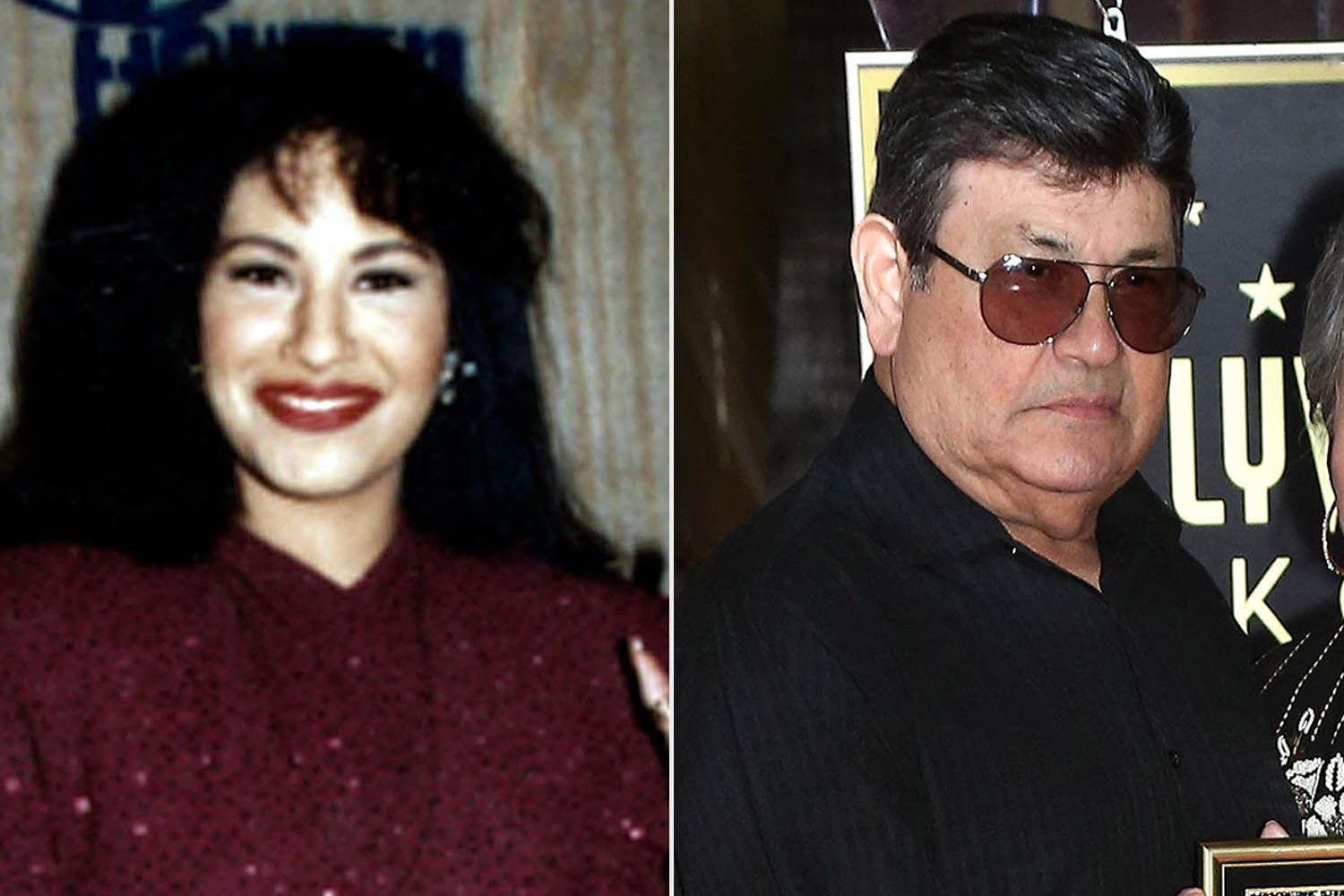
As of 2026, Abraham Quintanilla remains the active patriarch of the Quintanilla family and the executive head of Q-Productions. At 87, his primary role focuses on preserving the posthumous brand of his daughter, Selena, managing the Selena Museum in Corpus Christi, and overseeing the licensing of her image and music for global media and retail partnerships.
The Contemporary Role of Abraham Quintanilla in 2026
Approaching his late eighties, Abraham Quintanilla continues to serve as the chief protector of the Selena legacy. While his daily operational involvement has naturally shifted toward a more supervisory capacity, he remains the final word on all major business decisions regarding the Estate of Selena. His primary base of operations remains Corpus Christi, Texas, where he oversees Q-Productions, a boutique recording studio and management firm that has evolved into a central hub for Selena-related intellectual property.
The role Abraham plays today is largely one of a gatekeeper. This involves the meticulous review of licensing agreements, such as the ongoing collaborations with major cosmetic brands and apparel retailers that continue to release Selena-themed collections. Under his guidance, the family business has successfully transitioned from a traditional music production house into a modern heritage brand. His focus is ensuring that any project—whether a documentary, a digital remaster, or a merchandise line—adheres to the standards of "purity" he has set for his daughter's image.
Furthermore, Abraham remains a visible figure within the Corpus Christi community. The Selena Museum, which is housed within the Q-Productions building, serves as a pilgrimage site for fans worldwide. Abraham is frequently cited as being personally involved in the museum's curation, ensuring that the exhibits—ranging from Selena’s iconic stage outfits to her red Porsche—are maintained with historical accuracy.
The Foundation of a Dynasty: Early Life and Los Dinos
To understand Abraham Quintanilla’s current influence, one must examine the origins of his musical ambition. Born in 1939 in Corpus Christi, Quintanilla’s entry into the music industry began not as a manager, but as a performer. In the late 1950s, he joined a group called Los Dinos. This era was critical in shaping his understanding of the racial and economic barriers facing Mexican-American artists.
During his time with Los Dinos, Abraham experienced the complexities of the "Chicano" musical identity. The band initially performed American doo-wop and rock and roll, but they often faced discrimination in segregated venues. When they shifted toward more traditional Mexican music, they struggled to find a foothold in mainstream English-speaking markets. This dichotomy—being "too Mexican for the Americans and too American for the Mexicans"—became a defining theme of his career.
After serving in the military and attempting to balance a traditional career at Dow Chemical, Abraham’s passion for music manifested in his children. He recognized early on that his youngest daughter, Selena, possessed a once-in-a-generation vocal talent. He reformed "Los Dinos" as a family unit, featuring A.B. Quintanilla on bass and Suzette Quintanilla on drums. This move was not merely a hobby; it was a calculated business venture born out of economic necessity following the closure of the family restaurant, Papa Gayo's, during the oil bust of the early 1980s.
The Managerial Strategy: Building Selena y Los Dinos
Abraham Quintanilla’s legacy is inextricably linked to his role as the architect of Selena y Los Dinos. His management style was famously rigorous, a trait that has been both praised for its effectiveness and scrutinized for its intensity. He acted as the driver, sound engineer, booking agent, and protector during the band's early years on the road.
His strategy involved a few key pillars that eventually revolutionized the Tejano music industry:
- Modernization of Sound: He encouraged his son, A.B. Quintanilla, to incorporate pop, R&B, and reggae influences into traditional Tejano cumbia, creating a crossover appeal that was previously non-existent.
- Brand Discipline: Abraham maintained a strict professional code for the band. He understood that to achieve mainstream success, the group needed to present a polished, family-friendly image that could navigate both Spanish and English media.
- Grassroots Marketing: Before the digital age, Abraham utilized a relentless touring schedule across the "Chitlin' Circuit" of the Southwest, building a loyal fan base one dance hall at a time.
Verified records from the late 1980s show that Abraham was instrumental in securing Selena's first major recording contract with EMI Latin. This was a turning point that moved the group from regional fame to international stardom. His foresight in pushing for an English-language crossover album—which Selena was recording at the time of her death—remains one of the most significant "what-ifs" in music history.
The Gatekeeper: Post-1995 Business and Legal Oversight
Following the tragic death of Selena in 1995, Abraham Quintanilla faced the monumental task of managing a legacy that grew exponentially in the wake of the tragedy. He took immediate steps to consolidate control over Selena's name, image, and likeness. This was legally codified through an agreement with Selena's widower, Chris Pérez, which designated Abraham as the exclusive manager of the estate's assets.
In the decades since, Abraham has utilized this control to launch several high-profile projects:
- The 1997 Biopic: Working as an executive producer, Abraham ensured the film "Selena" (starring Jennifer Lopez) accurately reflected the family's narrative. The film was a massive success and solidified Selena’s place in American pop culture.
- The MAC Cosmetics Collaboration: This partnership, launched in 2016 and expanded in subsequent years, became one of the best-selling celebrity collaborations in the brand's history, proving the enduring commercial power of Selena's aesthetic.
- The Netflix Series: In 2020 and 2021, Abraham and Suzette Quintanilla executive-produced "Selena: The Series," providing a deeper look into the family’s early struggles and Abraham’s own history with the original Los Dinos.
His management has not been without controversy. Abraham has been involved in several legal disputes to prevent what he deems "unauthorized" portrayals of Selena. This includes a long-standing legal battle with Chris Pérez over a proposed television series based on Pérez’s memoir, To Selena, with Love. The parties reached a formal settlement in 2021, which Abraham later characterized as a mutual agreement to move forward in a way that honors Selena’s memory.
Verified Facts and Milestones
The following table outlines the verified historical and professional milestones associated with Abraham Quintanilla’s career and his management of the Selena estate.
| Year | Event | Significance |
|---|---|---|
| 1939 | Birth of Abraham Quintanilla Jr. | Born in Corpus Christi, TX; began his musical journey in the late 50s. |
| 1957 | Joins Los Dinos | Started his career in a vocal group performing rock and roll and doo-wop. |
| 1981 | Formation of Selena y Los Dinos | Reorganized his children into a band following the closure of the family restaurant. |
| 1989 | EMI Latin Contract | Secured the first major label deal for Selena, launching her into the global market. |
| 1995 | Establishment of the Selena Estate | Became the legal executor and manager of Selena's brand and intellectual property. |
| 1997 | Release of "Selena" Movie | Served as Executive Producer; the film became a cultural touchstone. |
| 2021 | Settlement with Chris Pérez | Resolved long-standing legal disputes regarding the rights to Selena's life story. |
| 2026 | Current Status | Oversees Q-Productions and the Selena Museum at age 87. |
Clarifying Common Misconceptions
Several myths persist regarding Abraham Quintanilla’s role and personal life. Verified facts help distinguish between public perception and reality.
The "Controlling Father" Narrative: While Abraham was undeniably a strict manager, former band members and family associates have often clarified that his discipline was born of a desire to protect his children from the exploitative nature of the music industry. His insistence on professional conduct was a response to the barriers he faced as a young Latino musician in the 1960s.
Ownership of Music: A common misconception is that Abraham personally owns all of Selena’s masters. In reality, the master recordings are largely owned by the record labels (such as Universal Music Group, which acquired EMI), but the Estate of Selena (managed by the Quintanilla family) controls the licensing of her image, name, and the "publishing" rights associated with certain works.
Relationship with Chris Pérez: Public perception often suggests a permanent rift between Abraham and Selena’s husband. However, following the 2021 legal settlement, both parties have publicly stated that they have moved past their differences. In 2026, the relationship is characterized as a professional truce aimed at the unified goal of preserving Selena's legacy.
Frequently Asked Questions
Is Abraham Quintanilla still active in the music industry?
Yes, as of 2026, Abraham Quintanilla remains active as the head of Q-Productions. While he is no longer "scouting" new talent with the frequency of his younger years, he continues to manage the production of remastered Selena content and oversees the technical operations of the family’s recording facilities in Corpus Christi.
Does Abraham Quintanilla still run the Selena Museum?
Abraham, along with his daughter Suzette, continues to manage the Selena Museum. It remains the official repository for Selena’s costumes, awards, and personal effects. Abraham is known to occasionally interact with visitors, providing a direct link to the history of the band.
What happened to the legal dispute between Abraham and Chris Pérez?
The legal dispute was officially settled in September 2021. Both Abraham Quintanilla and Chris Pérez signed a dismissal of all claims, stating they had "amicably resolved" their issues. This allowed for future collaborations and ensured that Pérez could participate in the celebration of Selena's legacy without the shadow of litigation.
How does Abraham Quintanilla view his own legacy?
Based on his 2021 memoir, A Father's Dream: My Family's Journey in Music, Abraham views his legacy as one of resilience. He has frequently stated that his primary goal was to provide a better life for his children and to ensure that the world never forgets Selena’s contributions to music and culture.
What is the current status of Q-Productions?
In 2026, Q-Productions operates primarily as a boutique studio and a legacy management firm. It handles the official Selena social media presence, coordinates with retailers for merchandise, and maintains the technical archives of all Selena y Los Dinos recordings.
Recommendations for Fans and Researchers
For those seeking to understand Abraham Quintanilla’s impact on music history or to explore the Selena legacy authentically, the following actions are recommended:
- Visit the Selena Museum: Located at 5410 Leopard St, Corpus Christi, TX, this is the only official site curated by the Quintanilla family. It provides the most accurate physical record of the band's history.
- Read "A Father's Dream": Abraham’s autobiography provides his firsthand perspective on the struggles of the Tejano music industry and his motivations as a father and manager.
- Consult Official Archives: For verified discography and historical timelines, refer to the Texas State Historical Association's entries on Tejano music, which provide academic context to the Quintanilla family’s contributions.
- Support Official Licensing: To ensure that Selena's legacy is preserved according to the family's standards, fans are encouraged to engage with officially licensed products and media, which are vetted by Abraham and Q-Productions for quality and accuracy.