Abraham Quintanilla’s memoir, A Father’s Dream: My Family’s Journey in Music, serves as the definitive account of the Quintanilla family’s rise to fame and the preservation of Selena’s global legacy. The book offers a firsthand narrative of the obstacles faced by the family, the tragic loss of Selena, and the strategic management of her image and brand over the decades.
For nearly thirty years, the world has viewed the life of Selena Quintanilla-Pérez through various lenses—biographical films, television series, and unauthorized accounts. However, Abraham Quintanilla’s book, published to share his personal truth, provides the foundational context for how a father’s unfulfilled musical aspirations transformed into a cultural phenomenon that continues to resonate in 2026. This article explores the depths of the book’s revelations, the controversy surrounding its "untold" elements, and its role in defining the Queen of Tejano’s enduring impact.
The Motivation Behind A Father’s Dream
Abraham Quintanilla did not write this book merely as a biography of his youngest daughter. Instead, it is a multi-generational saga that begins with his own struggles in the 1950s and 60s as a musician in a segregated America. The "Father’s Dream" mentioned in the title refers to Abraham’s original band, Los Dinos, which faced systemic racism and professional roadblocks that ultimately led to its dissolution.
The book details how those early failures fueled Abraham’s discipline and determination when he discovered the musical talents of his children: A.B., Suzette, and Selena. Writing the book was an act of historical reclamation. Quintanilla has stated in various interviews that he wanted to provide an accurate record that countered sensationalist media portrayals and legal challenges that emerged long after Selena’s passing in 1995.
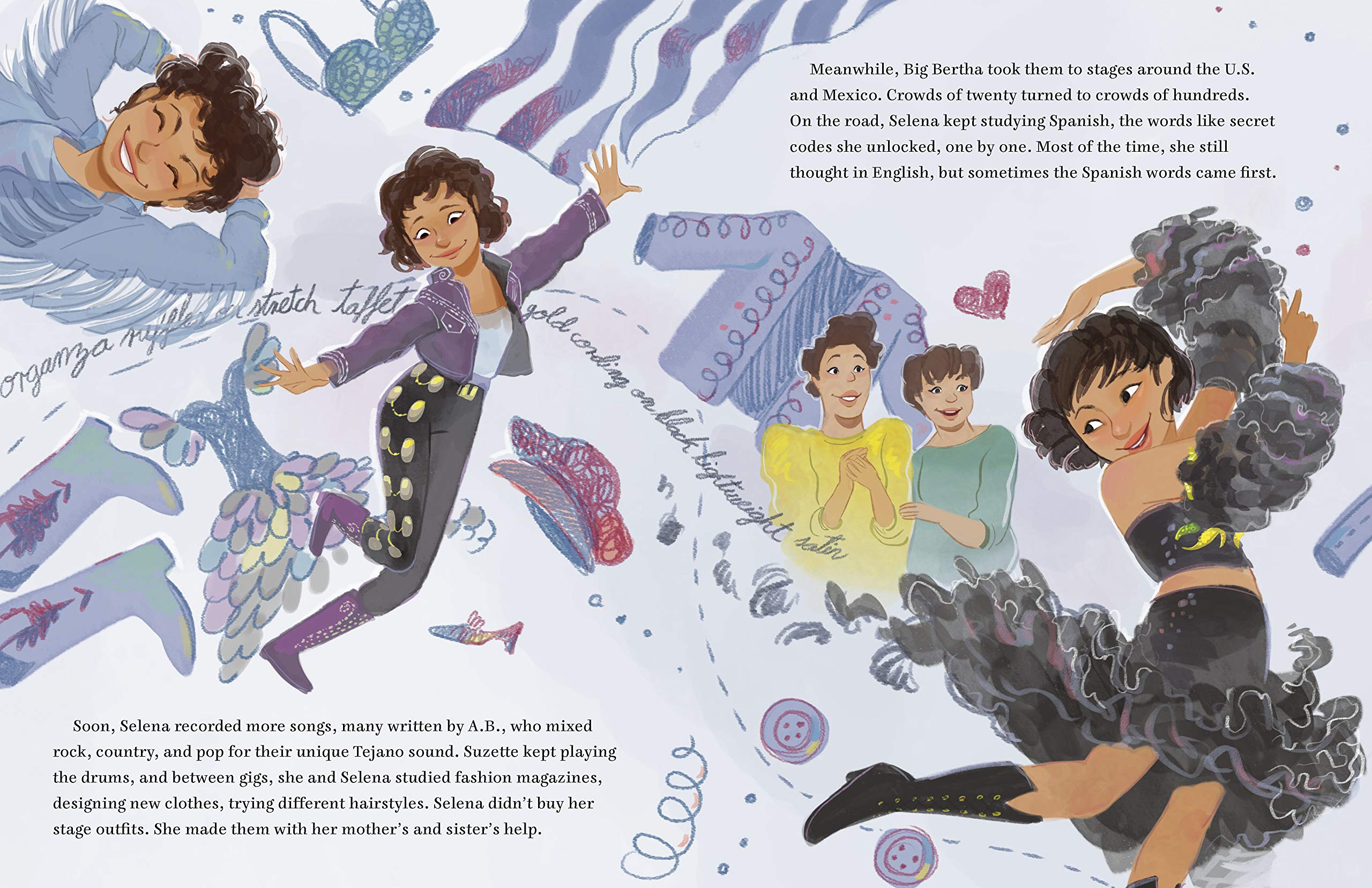
By documenting the family's journey from their modest home in Lake Jackson to the pinnacle of the Latin music charts, the book emphasizes the theme of the "American Dream" through a Mexican-American lens. It highlights the cultural bridge Selena built between English and Spanish-speaking audiences—a bridge that Abraham helped engineer through strict rehearsals and a relentless touring schedule in the family’s converted bus, "Big Bertha."
Inside the Narrative: Key Themes and Revelations
The book is structured to guide the reader through the evolution of the Quintanilla family business. While many fans are familiar with the highlights of Selena’s career, the book delves into the technical and emotional labor required to maintain a family band.
The Struggle for Recognition
Abraham provides an in-depth look at the early days of performing at weddings and small restaurants (including the family’s own "PapaGayo’s"). He discusses the difficulty of breaking into the male-dominated Tejano music scene and the initial skepticism from industry executives regarding a female lead singer. This section of the book is particularly valuable for its insight into the "business" of music and the necessity of independent production before securing a major label deal with EMI Latin.
The Tragedy and the Immediate Aftermath
While the book covers the tragic events of March 31, 1995, it focuses heavily on the emotional toll it took on the family. Abraham describes the paralyzing grief and the sudden shift from managing a rising star to protecting a legacy. He addresses the investigation into Yolanda Saldívar not just as a criminal case, but as a betrayal of the family’s trust.
Managing the Brand in the 21st Century
A significant portion of the book focuses on the years following Selena’s death. Abraham explains the rationale behind various projects, including the 1997 biopic starring Jennifer Lopez and the more recent Netflix series. He defends his reputation as a "protective father," arguing that his strict control over Selena’s image was necessary to prevent her memory from being exploited by third parties.
Addressing the "Untold Story": Chris Perez and Legal Battles
One of the most anticipated aspects of the book was Abraham’s perspective on Selena’s husband, Chris Perez. For years, public perception suggested a rift between the Quintanilla family and Perez, particularly regarding the rights to Selena’s life story.
In the book, Abraham clarifies his stance on the legal disputes that culminated in a long-standing battle over a proposed television series based on Perez’s own book, To Selena, with Love. While the memoir maintains a focus on the family unit, it provides the legal and philosophical reasoning behind the family's desire to maintain centralized control over Selena’s estate. In 2021, a formal resolution was reached between the parties, and in the years leading up to 2026, the book has stood as the family's "official" rebuttal to outside narratives.
Abraham details the complexities of the 1995 agreement between the estate and Perez, explaining why he believed a unified front was the only way to ensure Selena’s brand remained "classy and respectful." This section is crucial for readers who wish to understand the intersection of family grief and intellectual property law.
Comparing Media Portrayals of the Selena Legacy
To understand the value of Abraham Quintanilla’s book, it is helpful to compare it to other major media productions that have shaped the public's understanding of the family.
| Feature | Selena (1997 Film) | Selena: The Series (Netflix) | A Father’s Dream (Book) |
|---|---|---|---|
| Primary Focus | Selena's rise and tragic end | The entire family's journey | Abraham’s life and legacy management |
| Perspective | Cinematic/Biographical | Ensemble/Developmental | Autobiographical/Paternal |
| Coverage of Early Life | Brief montage | Extensive (Multiple episodes) | Highly detailed (Roots and genealogy) |
| Legal/Business Insights | Minimal | Moderate | High (Focus on estate and rights) |
| Post-1995 Events | Not covered | Not covered | Extensively covered |
Public Reception and Critical Analysis
Upon its release and in the years following, A Father’s Dream received a polarized but passionate response. Critics of Abraham Quintanilla often point to the book as further evidence of his desire to control the narrative. However, supporters argue that as the person who built the foundation for Selena’s success, he has the most legitimate right to tell the story.
The book has been praised for its honesty regarding the racial tensions of the mid-20th century. Abraham’s account of being turned away from venues because of his heritage provides a necessary social context that earlier biographies often glossed over. It positions Selena’s success not just as a musical triumph, but as a civil rights milestone for the Hispanic community in the United States.
Conversely, some readers have noted that the book occasionally feels like a defensive document. Abraham spends considerable time justifying his decisions, which provides a fascinating look into the psychology of a high-stakes artist manager, even if it leaves some fans wishing for more insight into Selena’s private thoughts—thoughts that Abraham admits even he was not always privy to.
Where to Access the Book and Related Materials
As of 2026, A Father’s Dream: My Family’s Journey in Music remains widely available in multiple formats. It is a staple in libraries and bookstores, particularly in the Southwestern United States and Latin America.
- Hardcover and Paperback: Available through major retailers like Amazon, Barnes & Noble, and independent bookstores.
- Digital E-Books: Accessible on Kindle, Apple Books, and Google Play.
- Audiobook: Narrated versions exist, providing an intimate way to experience the narrative, often preferred by fans who want to hear the story in a tone that reflects the family's cadence.
- Spanish Edition: Titled Sueño de un padre, the Spanish translation is essential for the global fan base that followed Selena’s career in Mexico and South America.
For those visiting the Selena Museum in Corpus Christi, Texas, the book is often featured as a central piece of the gift shop's collection, serving as a companion guide to the physical artifacts of Selena’s life, such as her stage outfits and her red Porsche.
The Future of the Selena Brand in 2026
Abraham Quintanilla’s book was a pivotal moment in the transition of the Selena brand from a nostalgic memory to a permanent cultural institution. In 2026, we see the fruits of the labor described in the book’s final chapters. The "untold story" is now largely told, and the family has shifted focus to innovative ways to keep Selena’s music alive for Gen Z and beyond.
Recent years have seen digital remastering of early Los Dinos recordings, high-end fashion collaborations, and the continued success of the MAC Cosmetics Selena collections. The book explains the "why" behind these moves: Abraham views the brand as a living entity that requires constant care and professional oversight to ensure it never fades into obscurity.
FAQ
Does the book reveal new details about Selena’s death?
The book does not provide new forensic or "true crime" evidence regarding the shooting. Instead, it offers "untold" details about the emotional state of the family during the trial and the internal conversations that took place as they decided how to move forward without their lead singer.
Is Chris Perez mentioned favorably in the book?
Abraham maintains a professional and somewhat distant tone regarding Chris Perez. While he acknowledges Perez’s role as the guitarist for Los Dinos and Selena’s husband, much of the text focuses on the legal complexities and the importance of the 1995 agreement regarding the estate's rights.
Why did Abraham wait so long to write this book?
Abraham has stated that he needed time to process the events of the last few decades and that he wanted to wait until he felt the legacy was secure. The rise of unauthorized biographies and social media rumors eventually prompted him to "set the record straight" once and for all.
Is the book available in Spanish?
Yes, the book was released simultaneously in English and Spanish (Sueño de un padre) to ensure accessibility for Selena’s diverse international fan base.
What makes this book different from the 1997 movie?
The movie is a dramatized, two-hour snapshot of Selena’s life ending in 1995. The book is a comprehensive memoir that includes Abraham’s life before Selena was born and the thirty years of legacy management that occurred after her death.
Practical Guidance for Fans and Researchers
If you are a student of music business, a fan of Tejano culture, or a biographer, A Father’s Dream is a required primary source. To get the most out of the text, it is recommended to read it in conjunction with watching the 1997 film and the Netflix series. This "triangulation" of sources allows you to see where the family chose to emphasize certain events and where they opted for privacy.
For those interested in the technical side of the music industry, pay close attention to the chapters detailing the family’s independent label and the negotiation tactics Abraham used with EMI Latin. These sections provide a rare look at the grit required to succeed in a niche market and eventually cross over into the mainstream.
Ultimately, the book is a testament to the fact that while Selena was the star, the "Selena" phenomenon was a collective family effort, driven by a father's vision that refused to be silenced by tragedy or time.