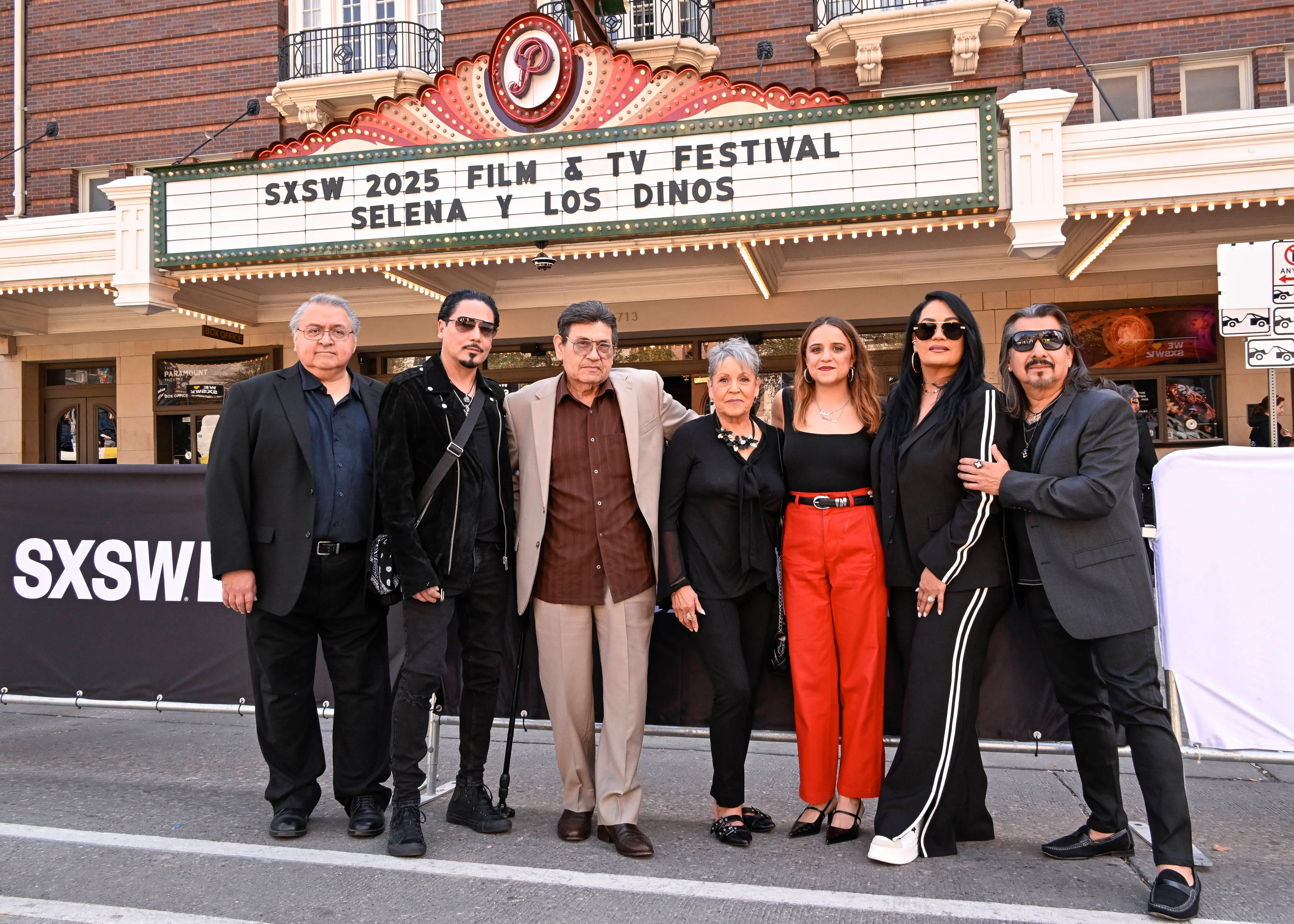
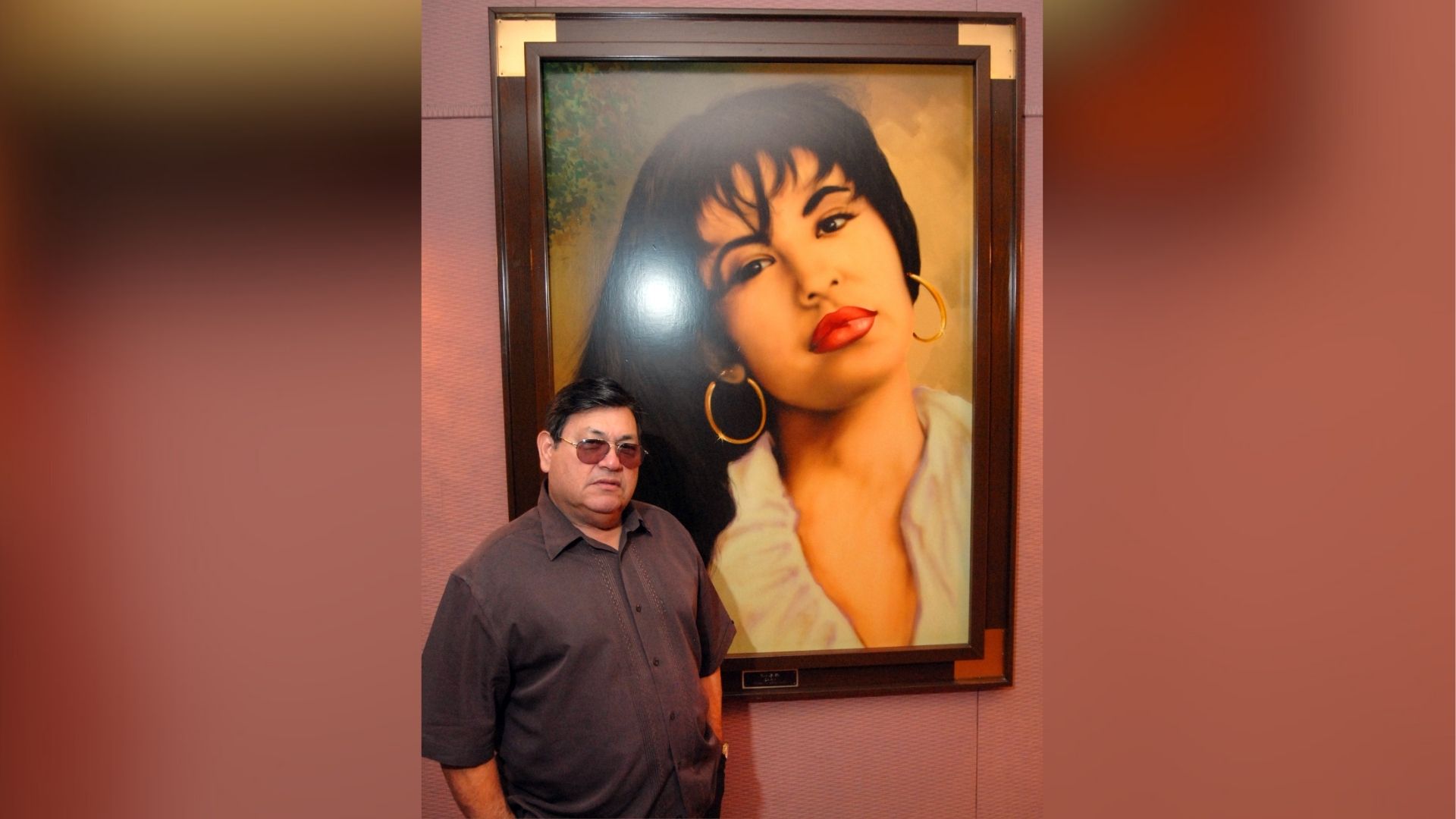
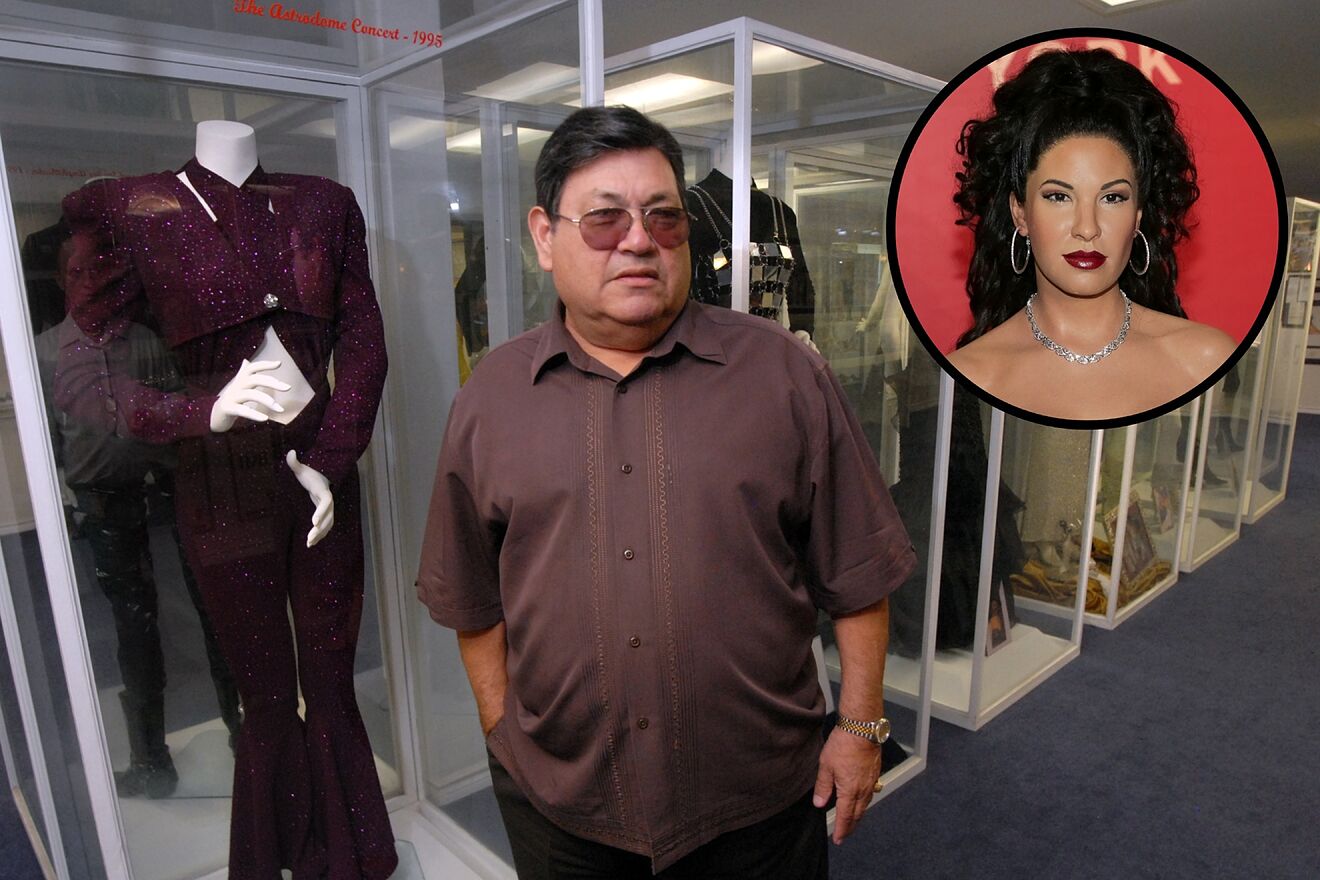
Abraham Quintanilla III, widely known as A.B. Quintanilla, is the primary musical architect behind the "Selena sound," a revolutionary blend of Tejano, pop, and R&B. As of 2026, his legacy is defined by his dual role as the producer who propelled his sister Selena to global stardom and the visionary who modernized Cumbia through the Kumbia Kings and Kumbia All Starz.
The Architect of the "Selena Sound"
While Selena was the face and the voice of the Quintanilla family's musical empire, A.B. Quintanilla III was the engine room. His role in Selena y Los Dinos transitioned quickly from a standard bassist to a master producer and songwriter. To understand the legacy, one must look at the technical complexity he introduced to a genre that was, at the time, relatively traditional.
Tejano music in the 1980s was heavily reliant on polkas and traditional accordion arrangements. A.B. introduced synthesizers, slick pop production, and R&B-infused bass lines that made the music accessible to a younger, bilingual audience. His songwriting credits include some of the most iconic tracks in Latin music history, such as "Como la Flor," "Amor Prohibido," and "No Me Queda Más." These weren't just hits; they were structural shifts in how Latin music was composed.
His production style was characterized by a meticulous attention to vocal layering and the use of the "hook." In tracks like "Bidi Bidi Bom Bom," the rhythmic simplicity masks a sophisticated understanding of pop song structure. By 2026, musicologists point to A.B.’s early 90s work as the blueprint for the "Latin Explosion" that followed later in the decade. He proved that Spanish-language music could utilize high-fidelity production standards typically reserved for English-market Top 40 hits.
The Post-1995 Transition and Resilience
The tragic loss of Selena in 1995 left a void that many assumed would end the Quintanilla musical journey. However, the "untold story" of A.B. Quintanilla lies in his profound resilience and his ability to reinvent himself outside of his sister’s shadow. In the late 1990s, he faced the monumental task of honoring a legacy while forging a new identity.
This era saw the birth of Los Kumbia Kings in 1999. This wasn't merely a new band; it was a new genre. A.B. synthesized Mexican Cumbia with hip-hop, reggae, and funk. This "Cumbia-Pop" movement bridged the gap between Mexican-American youth in the U.S. and audiences across Latin America. The success of albums like Amor, Familia y Respeto and Shhh! proved that A.B.’s ear for a hit was independent of his sister's vocal talent. He understood the pulse of the streets and the dance floor, leading to multi-platinum success and multiple Latin Grammy nominations.
Navigating the Pressures of a Family Dynasty
The legacy of Abraham Quintanilla III is inseparable from the family dynamic led by his father, Abraham Quintanilla Jr. The internal pressures of maintaining a "brand" while dealing with personal grief and public scrutiny have been a recurring theme in A.B.'s life. The 2020s brought much of this back into the spotlight through various biographical projects, including the Netflix series and the 2022 release of the Moonchild Mixes.
Working within a family business of this scale often meant that A.B.’s personal contributions were sometimes subsumed by the "Selena" brand. However, those close to the industry recognize that his technical prowess as a multi-instrumentalist—proficient in bass, guitar, and keyboards—was the glue that held the musical arrangements together during the family's leanest years touring in "Big Bertha," their original tour bus.
As of 2026, his role has shifted toward mentorship and preservation. He has been vocal about the technical challenges of remastering Selena’s early recordings, often spending hundreds of hours in the studio to isolate vocal tracks and modernize the instrumentation without losing the soul of the original performances. This dedication ensures that the legacy remains commercially viable and artistically relevant for new generations.
A Technical Breakdown of A.B. Quintanilla’s Production Impact
A.B. Quintanilla’s influence is best understood through his specific production techniques. He was one of the first in the Tejano scene to aggressively use MIDI (Musical Instrument Digital Interface) to create textures that the traditional accordion-led groups couldn't replicate.
| Production Era | Key Project | Musical Innovation | Impact on Latin Music |
|---|---|---|---|
| 1989 - 1995 | Selena y Los Dinos | Pop-Cumbia Fusion | Established the "Tejano-Pop" crossover genre. |
| 1999 - 2006 | Kumbia Kings | Urban-Cumbia | Integrated Hip-Hop and R&B into traditional Mexican rhythms. |
| 2006 - 2013 | Kumbia All Starz | Electro-Cumbia | Pushed the use of electronic synthesizers in regional music. |
| 2022 - 2026 | Moonchild Mixes / Remasters | Digital Reconstruction | Used AI and advanced isolation to "age up" early recordings. |
His work with the Kumbia Kings specifically introduced the concept of the "collective" in Latin music, where various vocalists and performers cycled through the group, a model later seen in various urban and reggaeton movements. He focused on the vibe of the track rather than just the individual star, making the producer the central figure of the project.
The Modern Legacy and Current Status in 2026
Entering 2026, A.B. Quintanilla III remains a polarizing yet respected figure in the music industry. While he has faced public legal battles and health scares over the decades, his musical output has never fully ceased. His current focus lies in the intersection of nostalgia and technology.
The Moonchild Mixes project, which saw a wide release and subsequent deluxe versions through 2024, utilized sophisticated digital processing to take Selena’s voice from when she was 13 years old and manipulate the frequencies to make her sound like an adult. This project was a testament to A.B.'s technical obsession. While controversial to some purists, it demonstrated his commitment to keeping the "legacy" alive through any means necessary.
Furthermore, his influence is felt in the modern "Regional Mexican" surge. Artists who are currently topping global charts often cite the Kumbia Kings as their first exposure to the idea that traditional Mexican music could be "cool" and "urban." A.B. broke the barrier that dictated regional music had to stay in the countryside; he brought it to the city and the club.
Facing the Challenges of the Public Eye
The "untold" part of his story also involves the emotional toll of being the gatekeeper of a legend. A.B. has often spoken about the "weight of the name." In various interviews and documentary segments leading into 2026, he has reflected on the difficulty of being the creative force that everyone expects to replicate past magic.
His journey has included significant health challenges, including issues with his back and mental health struggles, which he has shared openly to reduce the stigma within the Latino community. This transparency has added a new layer to his legacy—not just as a musician, but as a human being navigating the highs and lows of extreme fame and profound personal loss.
FAQ
What was A.B. Quintanilla’s specific role in Selena’s success?
A.B. was the primary songwriter, producer, and bassist. He was responsible for the musical arrangements that blended different genres, creating the unique "Selena sound" that allowed her to cross over into the mainstream pop market. Without his arrangements, Selena would likely have remained a traditional Tejano singer rather than a global pop icon.
Why did the Kumbia Kings split up?
The Kumbia Kings experienced multiple splits primarily due to internal legal disputes and disagreements over management and financial distribution. The most notable rift was between A.B. Quintanilla and co-founder Cruz Martinez, which led A.B. to form the Kumbia All Starz. These conflicts are a well-documented part of the complex history behind the Quintanilla music empire.
How has A.B. Quintanilla influenced modern Latin music producers?
He is credited with being a pioneer of "fusion." Producers in the reggaeton and Latin trap space often look to his work with the Kumbia Kings as an early example of how to successfully mix Caribbean rhythms with American urban sounds. His ability to maintain the "commercial hook" while experimenting with rhythm is a standard practice in the industry today.
What is the significance of the "Moonchild Mixes" in his career?
The Moonchild Mixes represent A.B.'s mastery of modern studio technology. By using digital tools to reshape Selena’s early vocals, he proved that her legacy could be technically updated for modern audio systems. It serves as a bridge between his historical role as a producer and his current capabilities in 2026.
Is A.B. Quintanilla still touring in 2026?
Yes, A.B. Quintanilla continues to perform, often appearing at major Latin music festivals and legacy concerts. While his touring schedule is more selective than in the early 2000s, he remains a high-demand act for his ability to perform both the classic Selena hits and his Kumbia Kings repertoire, which remains a staple of Latin nightlife.
Exploring the Quintanilla Production Catalog
To truly understand the untold story of the legacy, listeners should move beyond the radio hits. Analyzing the deeper cuts of the Selena Live! album or the early Kumbia Kings records reveals a producer who was constantly taking risks with tempo and instrumentation.
The best way to appreciate his impact is to listen to the evolution of his bass lines—from the simple rhythmic foundations of the early 80s to the complex, syncopated funk of the mid-2000s. For those looking to study music production, A.B. Quintanilla’s body of work serves as a comprehensive masterclass in how to build a commercial empire on a foundation of genuine musical innovation. Moving forward, his story serves as a reminder that behind every great voice, there is often a silent architect shaping the sounds that define a generation.