An above average net worth indicates that your total assets minus your total liabilities exceed the mean wealth of your demographic or national population. In 2026, this typically places a household in the top 25% of wealth holders, unlocking specialized financial services, expanded investment opportunities, and more complex tax and estate planning requirements compared to the median earner.
Understanding the Statistical Gap Between Average and Median
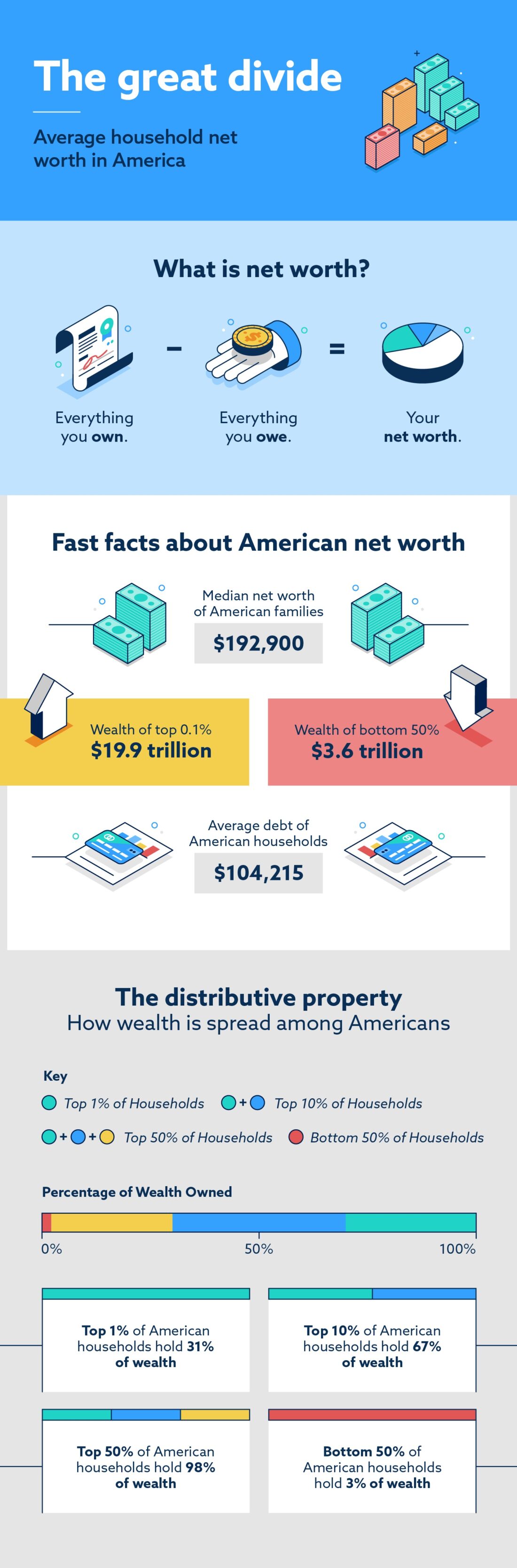
To understand what having an above average net worth really means for you, it is vital to distinguish between the "average" (mean) and the "median." In the context of wealth, the average is almost always significantly higher than the median because it is skewed upward by the ultra-wealthy. For example, if nine people have $10,000 and one person has $10 million, the average net worth is over $1 million, even though 90% of the group has much less.
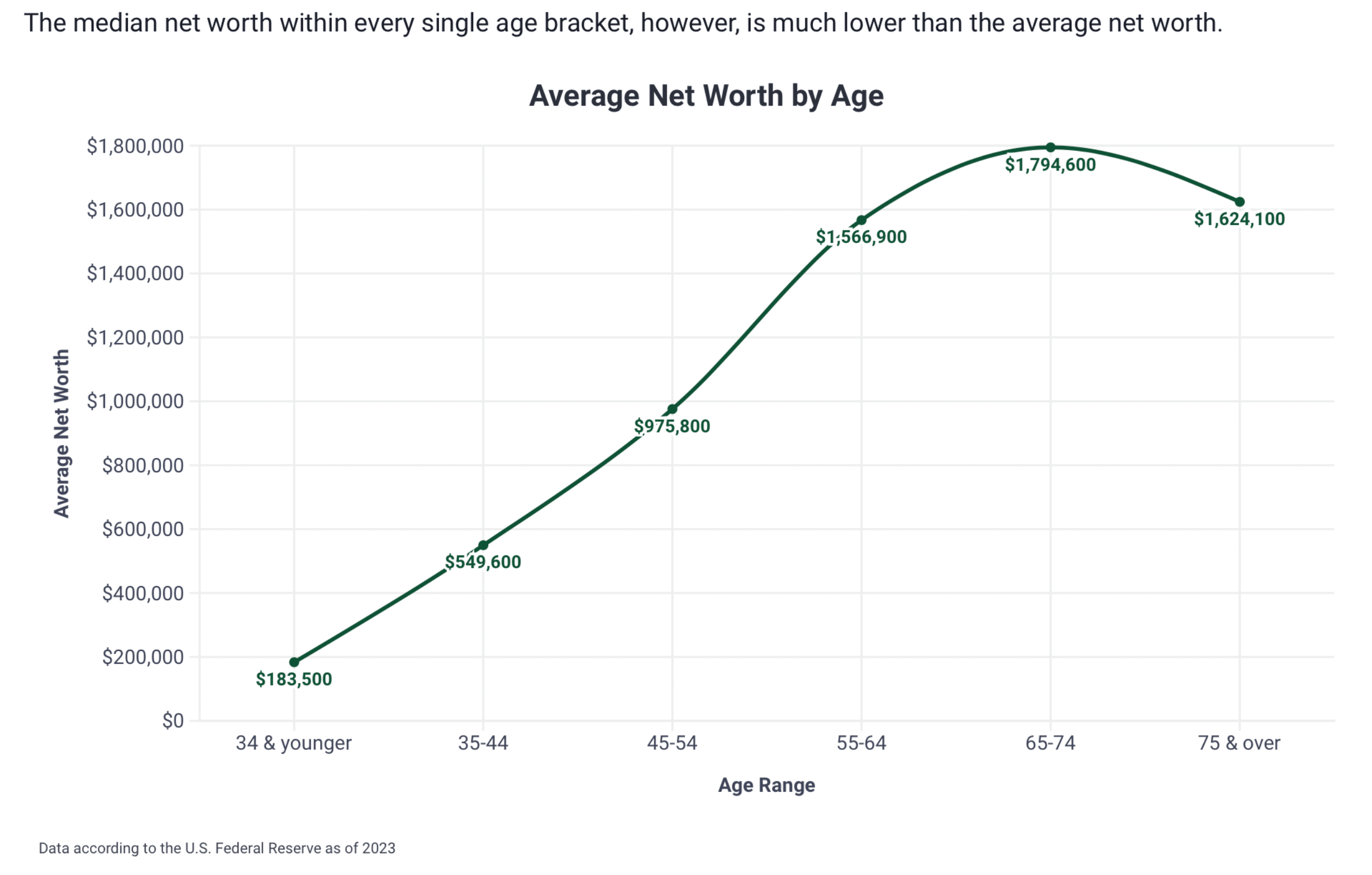
Being "above average" in 2026 means you have surpassed a statistical benchmark that is heavily influenced by high-net-worth individuals (HNWI). According to historical trends from the Federal Reserve’s Survey of Consumer Finances, the mean net worth of U.S. households has consistently climbed, often sitting at more than four times the median net worth. Consequently, if your net worth is above average, you are likely in a much stronger financial position than the majority of the population, even if you do not feel "rich."
This distinction matters because it dictates your financial strategy. If you are targeting an "average" net worth as a goal, you are actually aiming for a level of wealth that is relatively elite. In 2026, reaching this threshold suggests that you have successfully moved beyond basic financial security and are entering the realm of wealth preservation and advanced capital growth.
Benchmarking Wealth: Where Do You Stand in 2026?
As of 2026, the benchmarks for an above average net worth have shifted due to cumulative inflation and asset price appreciation in the housing and equity markets over the first half of the decade. While the specific numbers vary by age group, a general national average for a household in the United States now hovers around the $1.1 million to $1.3 million mark.
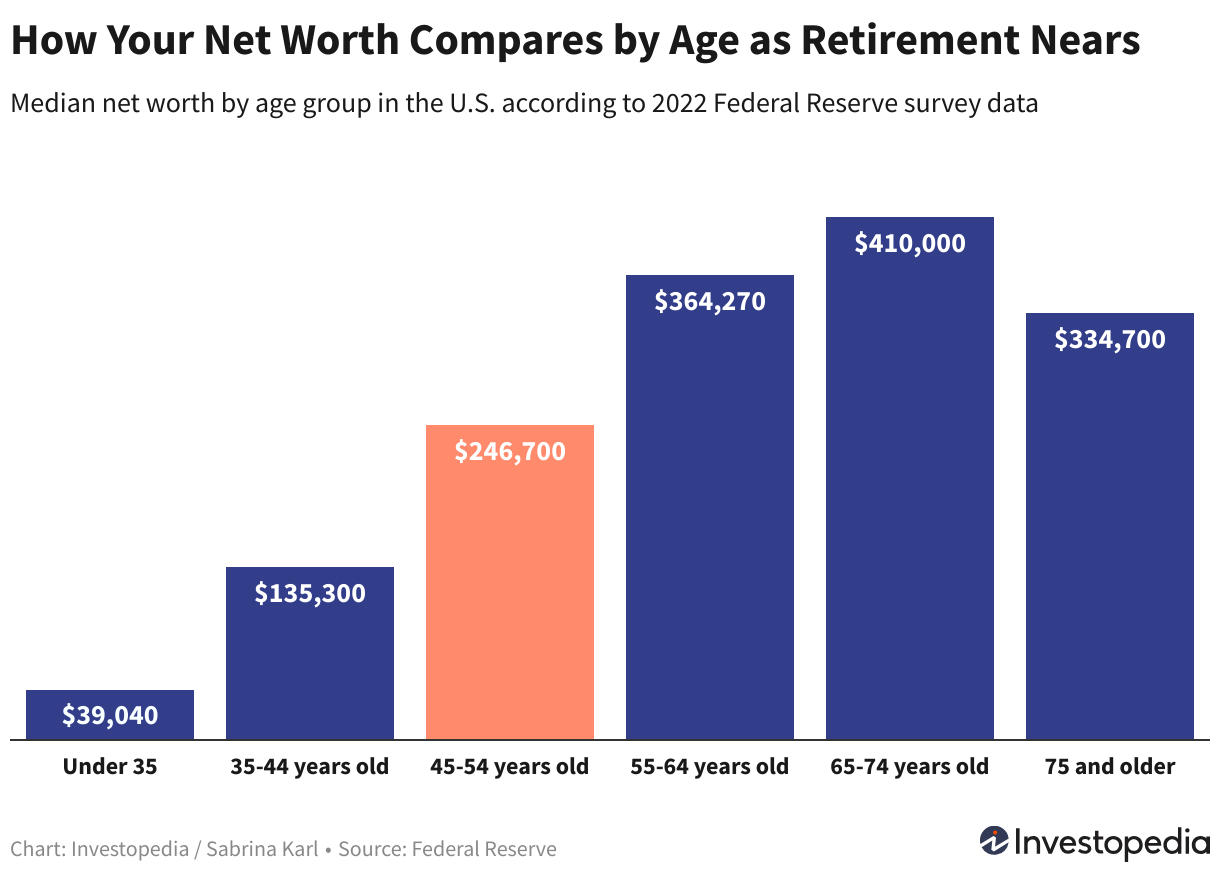
However, looking at the average alone can be misleading. To truly gauge what this means for you, you must look at age-based cohorts. A 30-year-old with a net worth of $500,000 is significantly "above average" for their peer group, whereas a 65-year-old with the same amount might be closer to the median.
Net Worth Percentiles and Benchmarks (2026 Estimates)
| Wealth Category | Estimated Net Worth Range | Significance |
|---|---|---|
| Median (50th Percentile) | $220,000 – $280,000 | Represents the "middle" American household. |
| Mean (Average) | $1,100,000 – $1,300,000 | The statistical average skewed by the top 10%. |
| Top 10% (90th Percentile) | $2,500,000 – $3,000,000 | Entry into high-net-worth (HNW) lifestyle. |
| Top 1% (99th Percentile) | $13,000,000+ | Ultra-high-net-worth (UHNW) territory. |
If you find yourself in the "above average" category—meaning you have surpassed the $1.2 million threshold—your financial life begins to change. You are no longer just managing debt and savings; you are managing a portfolio that requires protection from market volatility, tax drag, and legal liability.
The Milestone of the Accredited Investor
One of the most practical things an above average net worth means for you is the potential attainment of "Accredited Investor" status. Under SEC Rule 501 of Regulation D, an individual is considered an accredited investor if they have a net worth exceeding $1 million, either alone or with a spouse, excluding the value of their primary residence.
Reaching this milestone is a major turning point in wealth building. Accredited investors gain access to private equity, hedge funds, venture capital, and private real estate syndications that are legally off-limits to the general public. These "alternative" investments often provide lower correlation to the stock market and higher potential returns, though they come with increased risk and lower liquidity.
For you, being above average means your "menu" of investment choices expands. You are no longer restricted to mutual funds and ETFs available on public exchanges. You can participate in the funding of startups or large-scale commercial developments, allowing you to diversify your wealth in ways that can protect you during traditional market downturns.
Tax Complexity and the Need for Advanced Planning
As your net worth climbs above the average, you become a larger target for taxation, both during your life and at your death. For the average household, a simple tax return is sufficient. For those with above average wealth, the "tax drag"—the amount of potential growth lost to taxes—becomes a significant headwind.
In 2026, tax laws continue to evolve, particularly regarding capital gains and estate tax exemptions. An above average net worth often means you have a mix of taxable brokerage accounts, tax-deferred retirement accounts (like 401ks), and tax-free accounts (like Roth IRAs). Managing the "location" of your assets—placing tax-inefficient assets in sheltered accounts and tax-efficient assets in taxable accounts—is a strategy that becomes essential at this level.
Furthermore, you must consider estate planning. While current federal estate tax exemptions are high, many states have much lower thresholds. Having an above average net worth means you need more than just a simple will; you likely need a revocable living trust to avoid probate, and perhaps irrevocable trusts to manage future tax liabilities or protect assets from creditors.
Strategic Asset Allocation for Above Average Portfolios
When you cross the threshold into above average territory, your investment philosophy should transition from "accumulation" to "preservation and strategic growth." For a median net worth individual, a simple 60/40 stock-bond split might suffice. For you, the complexity of your holdings often increases to include:
- Direct Real Estate: Moving beyond a primary residence to include rental properties or commercial stakes.
- Tax-Exempt Securities: Utilizing municipal bonds to generate income that is not subject to federal (and sometimes state) income tax.
- Alternative Assets: Including gold, private credit, or digital assets as a small percentage of a diversified portfolio to hedge against inflation.
- Concentrated Position Management: If a large portion of your above average net worth comes from company stock or a private business, you face the unique risk of a "single point of failure."
What this really means for you is that you must become a "Chief Investment Officer" of your own life. You are responsible for rebalancing these assets to ensure that no single market swing can knock you back below the average.
Lifestyle Inflation and the "Wealth Illusion"
There is a psychological trap that comes with having an above average net worth: the feeling that you still don't have "enough." Because the "average" is so high, many people who are statistically wealthy compare themselves to the top 1% rather than the general population. This often leads to lifestyle inflation—increasing your spending as your net worth grows.
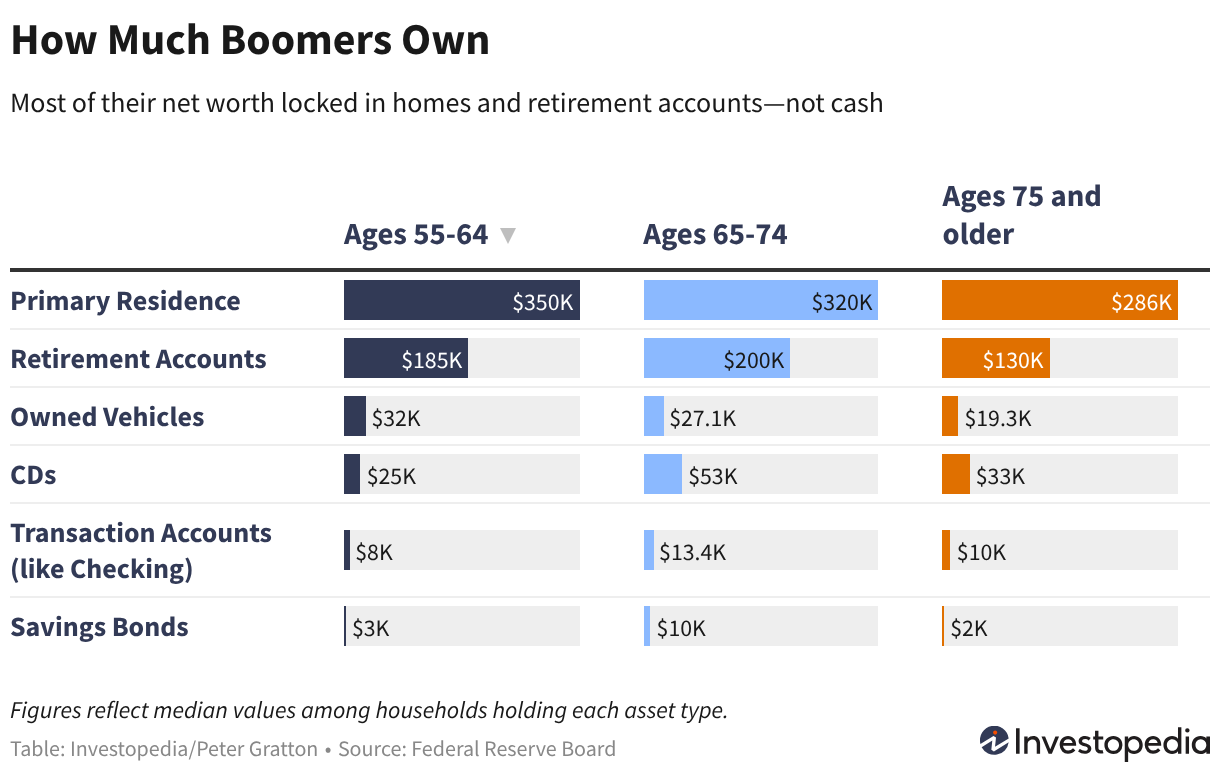
For you, having an above average net worth means you have the capacity to spend more, but doing so can be a trap. High-net-worth individuals often find that their "burn rate" (monthly expenses) increases alongside their assets. If your wealth is tied up in non-liquid assets like a business or a large home, an above average net worth on paper might not translate to cash flow.
True financial freedom comes when your net worth is not just "above average" in a spreadsheet, but when it is structured to provide for your lifestyle indefinitely. This requires a shift in mindset: viewing your net worth as a tool for generating income and security rather than a scoreboard for status.
FAQ
What is considered a "high" net worth in 2026?
While "above average" is roughly $1.2 million, a "High Net Worth" (HNW) individual is generally defined by financial institutions as someone with $1 million or more in investable assets, excluding their primary residence. To be considered "Very High Net Worth," the threshold typically jumps to $5 million, and "Ultra High Net Worth" begins at $30 million.
Does an above average net worth mean I can retire early?
Not necessarily. Retirement readiness is determined by your "safe withdrawal rate" relative to your annual expenses. If you have an above average net worth of $1.2 million but your annual expenses are $150,000, your wealth may only last 8 to 10 years. An above average net worth only supports retirement if your spending is kept in check relative to the income your assets produce.
How does debt impact my "above average" status?
Net worth is a "net" calculation: Assets minus Liabilities. You could own $3 million in real estate, but if you have $2.5 million in mortgages, your net worth is $500,000—which is likely below the 2026 average. To maintain an above average status, you must focus on both asset appreciation and debt reduction.
Is primary residence included in the average net worth?
Yes, in standard statistical reporting like the Federal Reserve’s SCF, home equity is a major component of net worth. However, for specialized financial status (like becoming an Accredited Investor), your primary residence is often excluded to ensure you have enough liquid capital to handle investment risks.
How often should I calculate my net worth?
For those with above average wealth, a quarterly or bi-annual check is usually sufficient. Calculating too frequently can lead to overreacting to market volatility. However, a regular cadence is necessary to monitor your asset allocation and ensure your insurance coverage (like umbrella policies) is adequate for your growing wealth.
Next Steps for Managing Your Wealth
If you have confirmed that your net worth is above average, your next actions should focus on optimization and protection. First, evaluate your liability coverage. Individuals with higher-than-average wealth are often targets for litigation; ensuring you have an umbrella insurance policy of at least $1 million to $2 million is a critical and inexpensive first step.
Second, perform a "tax location" audit. Review your accounts to ensure that high-growth or high-tax assets are situated in the most advantageous types of accounts. Finally, consider consulting with a fee-only fiduciary financial advisor. At this level of wealth, the cost of professional advice is often outweighed by the savings found through advanced tax strategies and access to institutional-grade investment products.