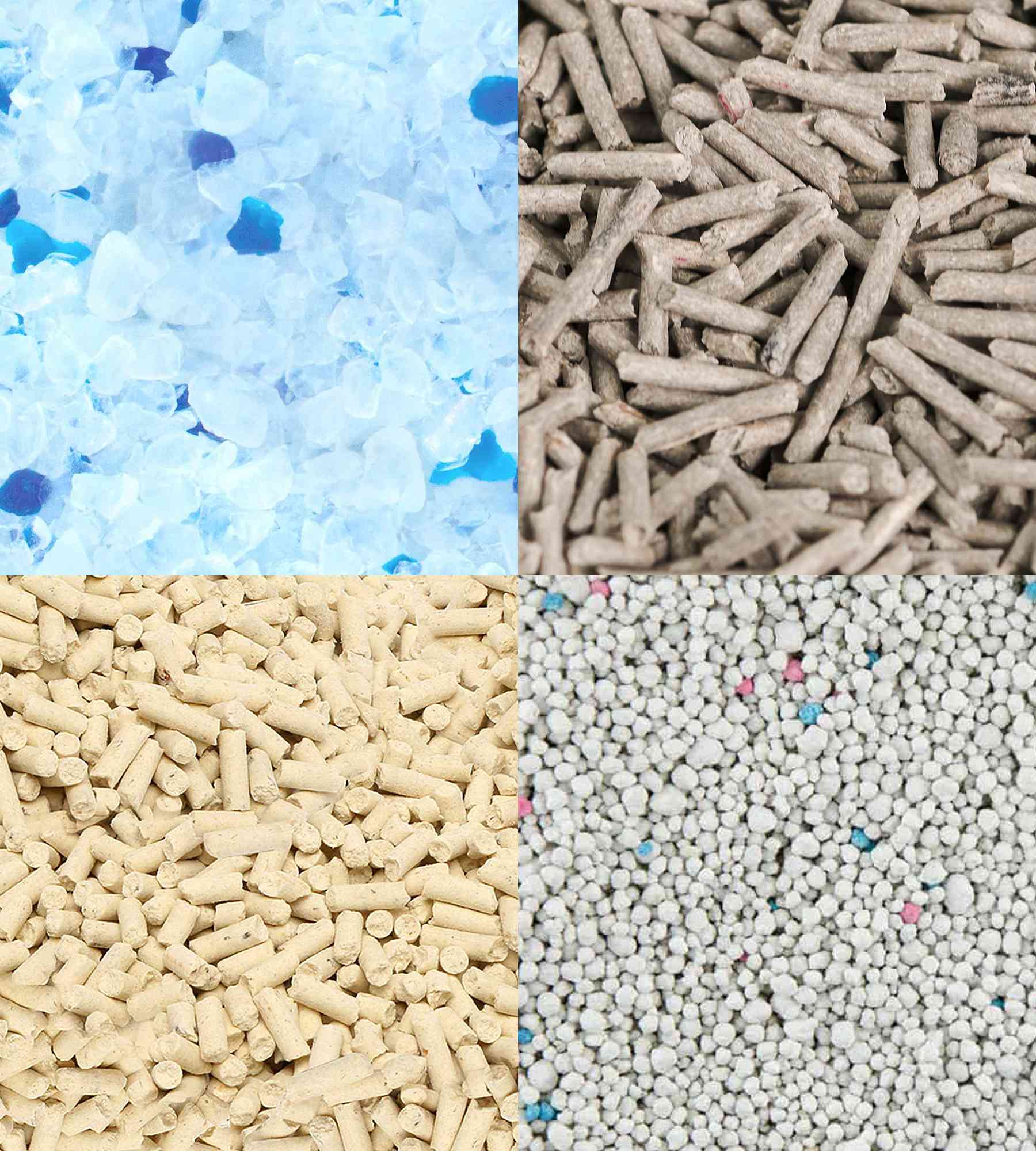
Abound cat litter, a proprietary brand developed for the Kroger family of stores, represents a significant shift toward sustainable, plant-based pet hygiene. By utilizing renewable ingredients like corn and wheat, Abound offers a biodegradable alternative to traditional sodium bentonite clay, providing efficient clumping, natural odor neutralization, and a low-dust environment for both felines and owners in 2026.
Understanding the Abound Brand Philosophy
Abound is positioned as a "premium-natural" private label brand. This means it aims to compete directly with high-end, specialized pet store brands while maintaining the accessibility and price point of a grocery store product. For many cat owners, the transition to Abound is driven by a desire to remove silica dust and strip-mined clay from their homes.
The brand focuses on "food-grade" ingredients, which is a critical safety consideration. Because cats are fastidious groomers, they inevitably ingest small amounts of litter trapped in their paws. Abound’s reliance on corn and wheat proteins ensures that if ingestion occurs, the material is generally safer and more digestible than the expanding clumping agents found in traditional clay. This philosophy extends to their avoidance of synthetic dyes and harsh chemical fragrances, which can often irritate a cat’s sensitive respiratory system or cause contact dermatitis on their paw pads.
Key Varieties of Abound Cat Litter
As of 2026, the Abound cat litter line focuses on specific formulations designed to tackle the most common complaints regarding natural litters: clumping strength and moisture absorption.
Abound Wheat & Corn Natural Clumping Litter
This is the flagship product in the lineup. It combines the high starch content of corn with the fibrous structure of wheat. When moisture hits the litter, the starches gelatinize, creating a firm bond that traps liquid before it can reach the bottom of the litter box. The wheat components contain natural enzymes that assist in breaking down the sulfur compounds found in feline urine, providing a layer of odor control that does not rely on heavy perfumes.
Abound Multi-Cat Performance Formula
For households with multiple cats, Abound offers an intensified version of its plant-based formula. This variety often includes additional plant-derived deodorizers and a slightly finer texture to increase the surface area for absorption. The goal is to manage the higher volume of waste and more frequent "traffic" in the litter box without the material breaking down into a soggy "mud" state, which is a common failure point for lower-quality natural litters.
Comprehensive Performance Analysis
To achieve maximum satisfaction with Abound, it is necessary to evaluate its performance across four critical metrics: clumping, odor control, dust, and tracking.
Clumping Strength and Maintenance
The clumping mechanism in Abound differs fundamentally from clay. Sodium bentonite (clay) expands to form a rock-hard mass. Abound’s plant fibers create a "sticky" clump that eventually hardens through evaporation.
- Actionable Tip: To ensure satisfaction, you must maintain a litter depth of at least 3–4 inches. Because plant-based clumps are slightly more hydrated than clay clumps, they can stick to the plastic walls of the box if the litter is too shallow. A deeper bed allows the clump to form entirely within the litter, making it easy to scoop without breakage.
Odor Control and Fragrance Profiles
Abound typically opts for a "natural" or "unscented" profile. For users accustomed to the heavy floral or "fresh linen" scents of conventional brands, the smell of Abound may be a surprise. It has a mild, earthy, or grain-like aroma.
The satisfaction here comes from the absence of the "ammonia-perfume" mix that often plagues small apartments. Instead of masking the smell, the porous plant fibers trap the odor molecules. However, because it is organic material, it is vital to scoop daily. If left too long, the organic matter can begin to hold onto moisture, leading to a sour smell—a phenomenon not seen with inorganic clay.
Dust and Respiratory Safety
One of the primary reasons veterinarians recommend litters like Abound is the reduction in respiratory irritants. Traditional clay litter produces crystalline silica dust, which is a known carcinogen and a trigger for feline asthma. Abound is virtually dust-free. When pouring the litter, you may see a slight "cloud," but this consists of heavy grain particles that settle instantly rather than lingering in the air. This makes it an ideal choice for owners with allergies or cats with chronic sneezing issues.
Comparative Evaluation: Abound vs. Major Competitors
In the 2026 market, cat owners often weigh Abound against both traditional clay brands and premium natural competitors like World's Best or sWheat Scoop.
| Feature | Abound Wheat & Corn | Standard Clay (Bentonite) | Premium Grass/Corn |
|---|---|---|---|
| Primary Material | Corn & Wheat | Sodium Bentonite | Grass Seed or Corn |
| Biodegradability | High | Low (Landfill bound) | High |
| Dust Level | Very Low | High | Very Low |
| Clump Firmness | Medium-Firm | Very Firm | Firm |
| Tracking | Moderate (Light particles) | Low (Heavy granules) | High (Lightweight) |
| Price Point | Mid-Range | Low | High |
| Odor Control | Natural/Enzymatic | Chemical/Scented | High/Carbon-added |
Pros and Cons of Choosing Abound
Understanding the trade-offs is essential for long-term satisfaction. No litter is perfect, and Abound is no exception.
The Advantages
- Environmental Impact: Being plant-based, the litter is renewable. It breaks down much faster in landfills compared to clay, which remains inert for centuries.
- Safety for Kittens: Kittens are notorious for eating litter. Abound provides peace of mind that a small amount of "sampling" won't lead to a dangerous intestinal blockage.
- Weight: Abound is significantly lighter than clay. A 10-pound bag of Abound can often last as long as a 20-pound bag of clay because the material is less dense and you use less per "clump."
The Disadvantages
- Tracking: Because the particles are light and fibrous, they tend to catch in the "toe tufts" of long-haired cats. You may find small grains of litter a few feet away from the box.
- Transition Issues: Cats are creatures of habit. Some cats may be put off by the different texture or the slight grain scent, requiring a careful transition period.
- Humidity Sensitivity: Like all plant-based litters, Abound can struggle in extremely high-humidity environments (like a bathroom without a fan). The particles can absorb moisture from the air, slightly reducing their effectiveness at clumping urine.
Tips for Achieving Maximum Satisfaction with Natural Litter
If you are switching to Abound in 2026, following a specific protocol will ensure both you and your cat are satisfied with the result.
- The Gradual Mix: Do not swap the litter overnight. Start with a mix of 75% your old litter and 25% Abound. Over the course of two weeks, slowly increase the ratio. This prevents "litter box avoidance," a common behavioral issue when substrates are changed abruptly.
- Use a Large-Hole Scooper: Because plant-based clumps can be slightly larger and the unsoiled litter particles are thicker than clay grains, a scooper with wider slats is more efficient. This allows clean litter to pass through easily while retaining the clumps.
- Invest in a Tracking Mat: To combat the lightweight tracking issue, place a dual-layer honeycomb tracking mat outside the box. This will catch the corn and wheat particles as the cat exits, keeping your floors clean.
- Airtight Storage: If you live in a humid climate, keep the bag of Abound sealed tightly. This prevents the corn and wheat from absorbing ambient moisture, which preserves the "clumping power" for when it is actually needed in the box.
Frequently Asked Questions
Is Abound cat litter flushable?
While many plant-based litters are marketed as flushable, it is generally recommended to dispose of Abound in the trash. Fecal matter can contain Toxoplasma gondii, a parasite that municipal water treatment plants are not always equipped to remove, potentially harming marine life. Furthermore, older plumbing systems may struggle with the organic bulk, leading to clogs.
How often should I completely change the litter?
For a single-cat household, a full box change should occur every 3 to 4 weeks, provided you are scooping daily. Over time, small fragments of clumps that are too small for the scooper will accumulate, which can lead to a breakdown in odor control. A fresh start once a month keeps the environment hygienic.
Does Abound attract bugs or pests?
Because it is made from corn and wheat, there is a common concern about attracting pantry moths or weevils. However, Abound undergoes heat processing during manufacturing to eliminate larvae and moisture. As long as the litter is kept dry and the box is scooped regularly, it is highly unlikely to attract pests.
Is Abound safe for cats with allergies?
Yes, it is often one of the top recommendations for cats with skin or respiratory sensitivities. It lacks the crystalline silica dust of clay and the artificial fragrances of most supermarket brands. If your cat has a specific, diagnosed allergy to gluten or corn, you should consult your veterinarian, though topical contact rarely triggers the same reaction as ingestion.
Why does the litter sometimes turn into a "paste"?
This usually occurs if the litter level is too low or if the cat urinates in the exact same spot repeatedly without the owner scooping in between. When the liquid volume exceeds the local absorption capacity of the grains, it creates a paste. Maintain a 4-inch depth and stir the clean litter occasionally to prevent this.
Final Recommendation: Is Abound Right for You?
The path to satisfaction with Abound cat litter lies in matching the product to your lifestyle. It is an ideal choice for apartment dwellers who want to eliminate dust, eco-conscious owners looking for a renewable alternative, and families with sensitive or asthmatic cats.
If you are willing to manage a slightly higher degree of tracking and are diligent about daily scooping, Abound offers performance that rivals the most expensive natural brands on the market. However, for those who prefer "set it and forget it" maintenance or have cats that are extremely resistant to texture changes, a traditional clay or a hybrid litter might be a more suitable intermediate step. For most, the health and environmental benefits of Abound’s plant-based formula make it a top-tier contender in the 2026 pet care landscape.