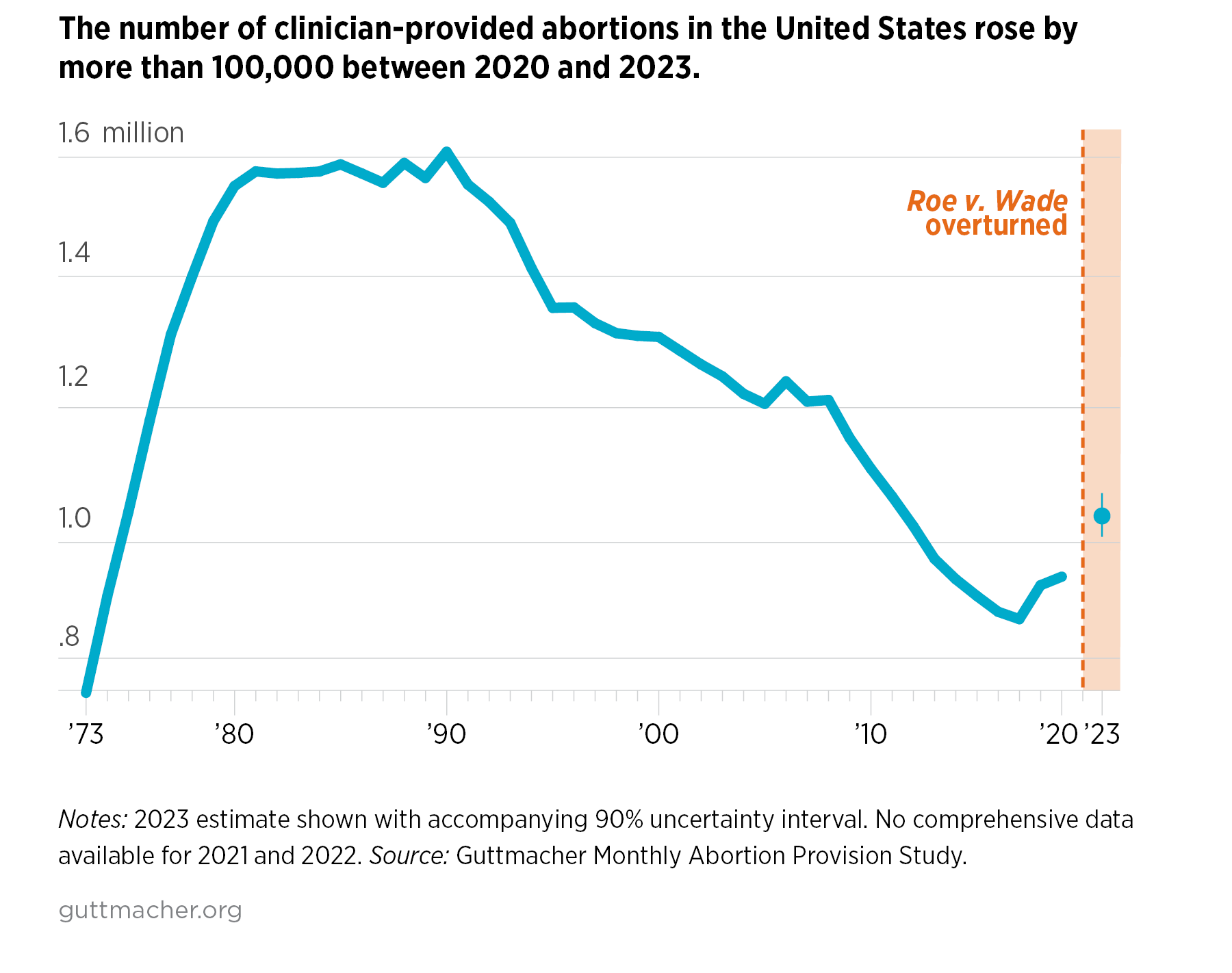
As of 2024, abortion laws in the United States are defined by a fractured landscape of state-level regulations following the 1973 Roe v. Wade reversal. Legal status ranges from total bans in 14 states to constitutional protections in others, with gestational limits, mandatory waiting periods, and varying medical exceptions creating significant regional disparities in healthcare access and reproductive rights.
The Evolving Legal Framework Post-Roe
The legal environment for reproductive healthcare underwent a seismic shift after the Supreme Court's decision in Dobbs v. Jackson Women's Health Organization in June 2022. This ruling returned the authority to regulate or prohibit abortion to individual states, leading to a patchwork of laws that continued to fluctuate throughout 2024. For individuals navigating this landscape, the legal "status" of a state often depends on three factors: statutory law, state constitutional amendments, and active court injunctions.
By 2024, many states had enacted "trigger laws"—statutes designed to take effect immediately or shortly after the fall of federal protections. Others relied on pre-Roe "zombie laws" that were never repealed. The complexity is compounded by the distinction between criminal penalties for providers and civil "bounty" laws that allow private citizens to sue those who "aid or abet" an abortion. This legal volatility means that a state’s status can change within weeks based on state supreme court rulings or voter-led ballot initiatives.
Classification of State Abortion Restrictions in 2024
To understand the 2024 landscape, it is helpful to categorize states based on their primary restrictive thresholds. These categories reflect the legal reality for both patients and healthcare providers during that calendar year.
States with Total or Near-Total Bans
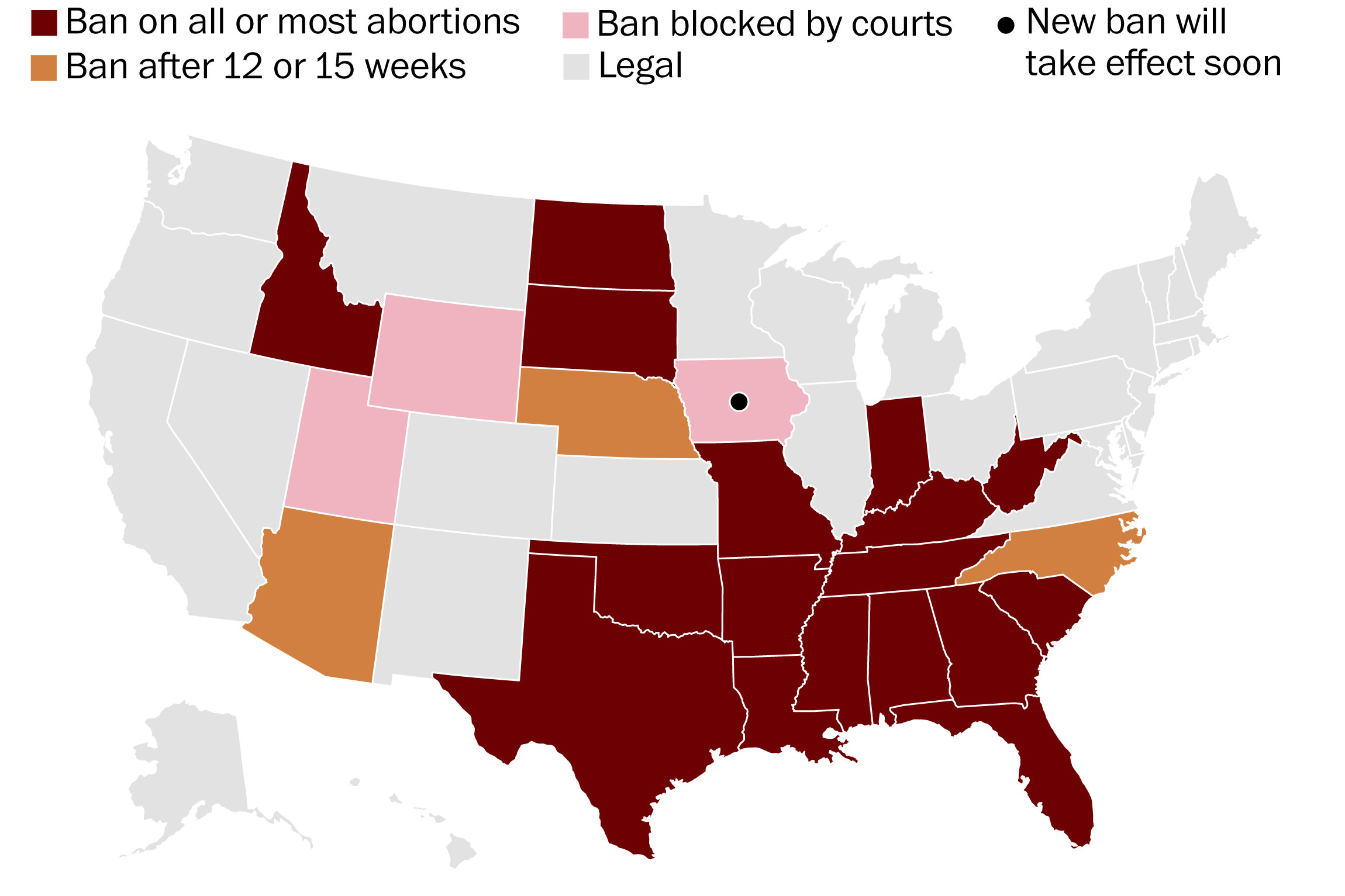
In 2024, approximately 14 states maintained near-total bans on abortion at all stages of pregnancy. These states, primarily located in the Southeast and Midwest, include Alabama, Arkansas, Idaho, Indiana, Kentucky, Louisiana, Mississippi, Missouri, North Dakota, Oklahoma, South Dakota, Tennessee, Texas, and West Virginia. In these jurisdictions, the procedure is illegal except in narrow circumstances, typically involving the life of the pregnant person. The lack of clarity regarding "life-threatening" conditions led to significant legal and medical tension throughout the year.
Early Gestational Limits (6 to 12 Weeks)
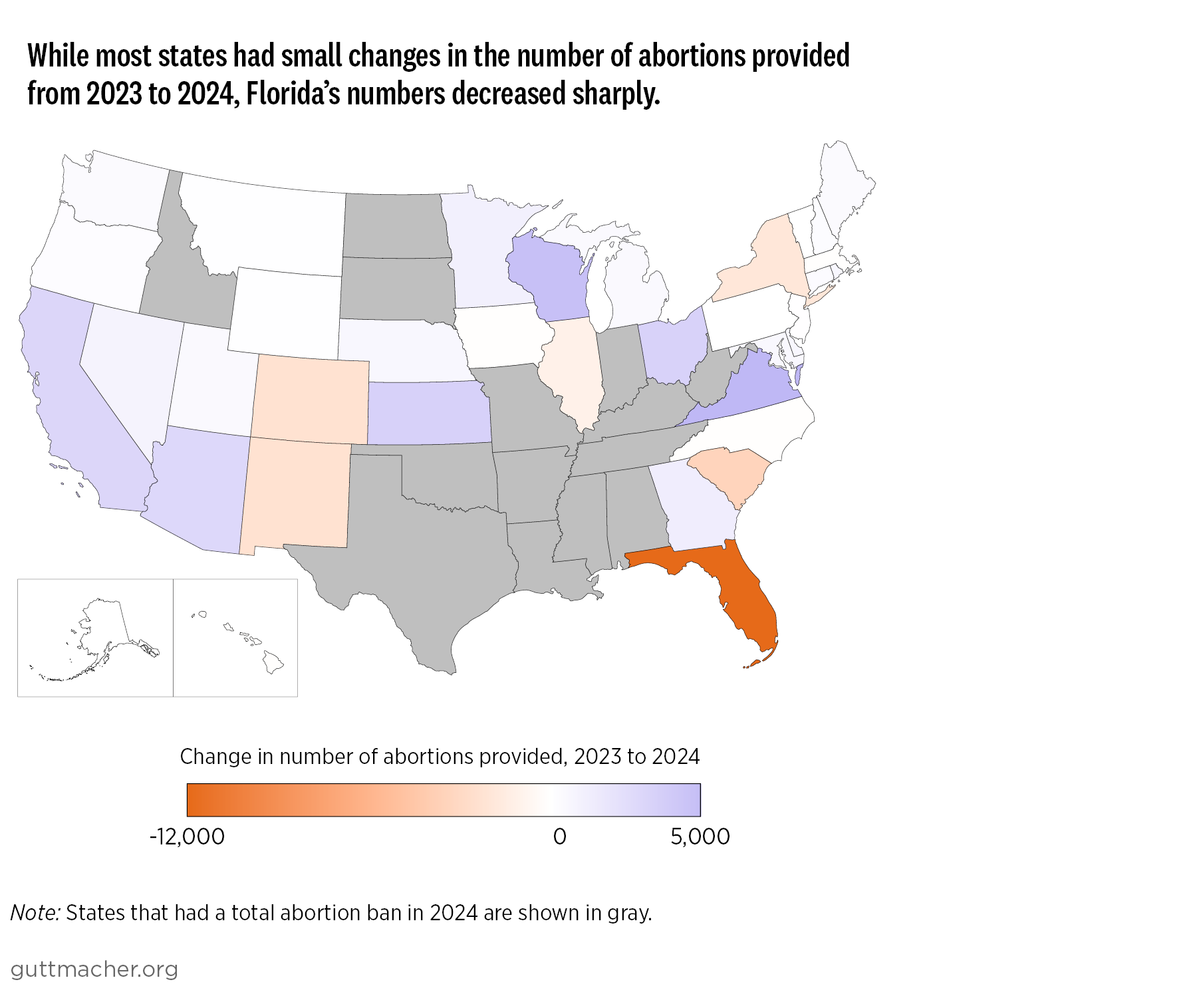
Several states implemented "heartbeat bills" or early gestational limits. Florida moved to a 6-week ban in May 2024, following a state supreme court ruling that cleared the way for the restriction. Georgia and South Carolina also enforced 6-week limits. These laws are particularly restrictive because many individuals do not realize they are pregnant before the 6-week mark. North Carolina maintained a 12-week limit, which was enacted in 2023 but remained a central focus of regulatory debate in 2024.
Mid-Range Limits (15 to 22 Weeks)
A smaller group of states, including Arizona and Nebraska, enforced limits at 15 or 12 weeks. In 2024, Arizona’s legal status was notably volatile as the state legislature moved to repeal an 1864 near-total ban, effectively keeping a 15-week limit in place for much of the year. Other states, such as Kansas and Wisconsin, have seen their limits (often 20 to 22 weeks) challenged or upheld by complex judicial proceedings and gubernatorial vetoes.
States with Broad Protections
Conversely, states like California, New York, Vermont, and Washington have codified abortion rights into state law or their constitutions. In these "shield states," abortion is generally legal until fetal viability (roughly 24 weeks) or, in some cases, throughout the entire pregnancy if the health of the patient is at risk. These states often serve as "surge" locations for patients traveling from restrictive jurisdictions.
2024 State-by-State Abortion Law Summary Table
The following table outlines the representative legal status for a selection of states as of late 2024. Note that litigation may affect these statuses.
| State | Legal Status (2024) | Gestational Limit | Primary Exceptions |
|---|---|---|---|
| Alabama | Banned | None | Life of the mother |
| California | Legal / Protected | Viability (~24 weeks) | Health/Life of the mother |
| Florida | Highly Restricted | 6 Weeks | Life, rape, incest (up to 15 wks) |
| Georgia | Highly Restricted | 6 Weeks | Life, health, rape/incest (reported) |
| Kansas | Legal | 22 Weeks | Life/Health of the mother |
| New York | Legal / Protected | Viability (~24 weeks) | Life, health, fetal non-viability |
| North Carolina | Restricted | 12 Weeks | Life, rape, incest, fetal anomaly |
| Texas | Banned | None | Life of the mother |
| Virginia | Legal | 26 Weeks (2nd Tri) | Life, physical/mental health |
| Wyoming | Legal (pending court) | 24 Weeks | Life, rape, incest |
Factors Influencing Access Beyond Gestational Bans
The legality of abortion is not determined solely by the number of weeks since the last menstrual period. A variety of "TRAP" (Targeted Regulation of Abortion Providers) laws and patient-side requirements significantly impact actual access.
- Mandatory Waiting Periods: Many states require patients to receive state-mandated counseling and then wait 24 to 72 hours before the procedure can be performed. This often necessitates two separate trips to a clinic, which can be a prohibitive barrier for those traveling from out of state or those with limited financial means.
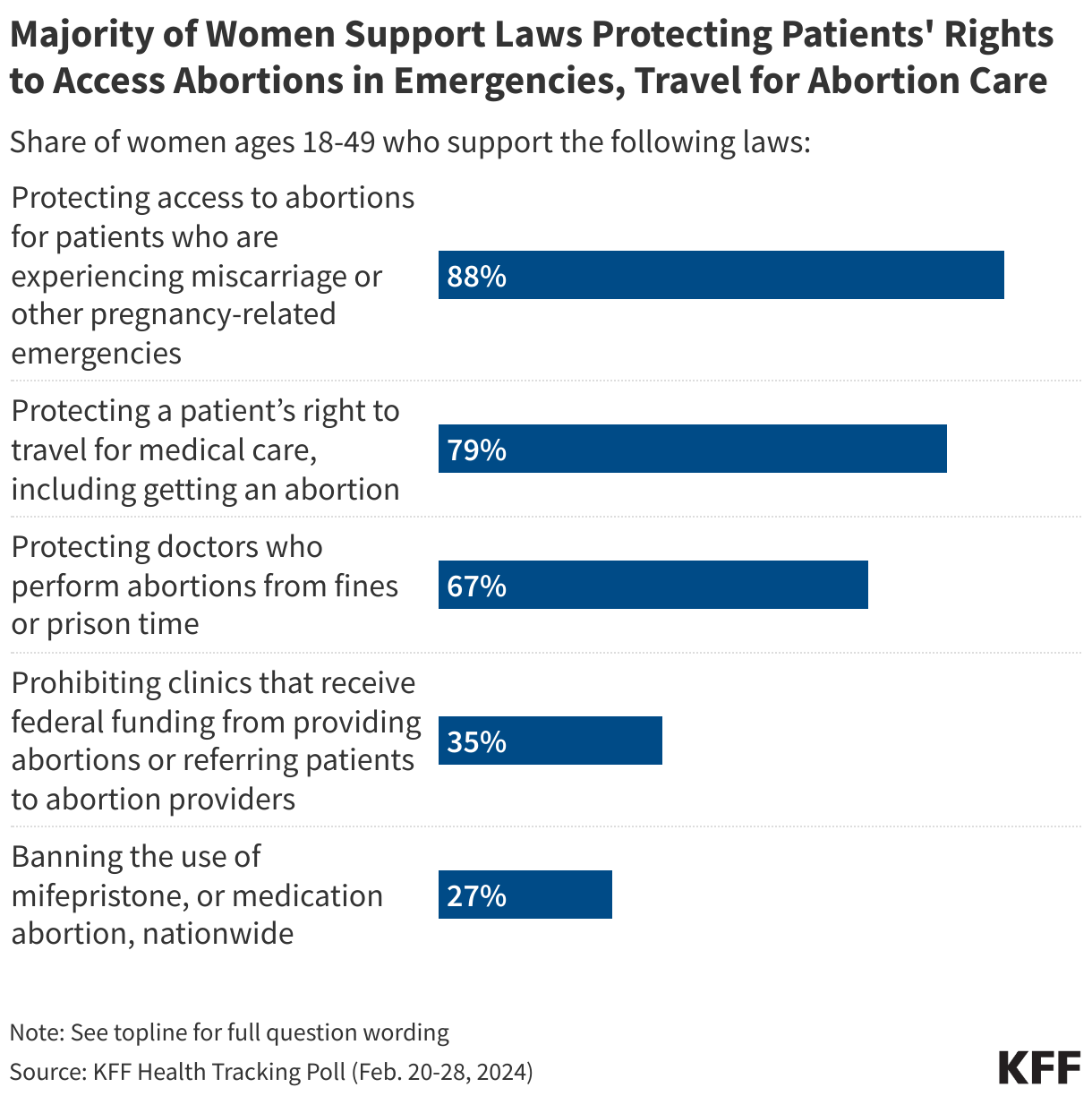
- Medication Abortion Restrictions: In 2024, the legal status of Mifepristone (one of two drugs used in medication abortions) was a major focus. While the Supreme Court maintained access for the time being, several states have moved to ban the delivery of these pills by mail, despite FDA guidelines supporting their safety for telehealth use.
- Parental Consent and Notification: For minors, most restrictive and even some moderate states require either parental consent or a judicial bypass. The process of obtaining a judicial bypass in a restrictive state can be a significant legal hurdle in an already time-sensitive situation.
- Facility and Provider Requirements: Some states require abortion clinics to meet the same physical standards as ambulatory surgical centers or require doctors to have admitting privileges at local hospitals. These regulations often have the effect of closing clinics even where the procedure remains technically legal.
Judicial Challenges and Legislative Shifts in 2024
2024 was a landmark year for state-level judicial intervention. In several states, high courts were asked to determine if their state constitutions contained an implicit right to privacy or bodily autonomy.
In Arizona, the state supreme court initially ruled that an 1864 total ban was enforceable, but public and legislative outcry led to a repeal of that Civil War-era law, reverting the state to a 15-week limit. In Florida, the 2024 ballot included Amendment 4, an initiative aimed at enshrining abortion rights in the state constitution to override the 6-week ban.
Furthermore, the federal government and various states clashed over the Emergency Medical Treatment and Labor Act (EMTALA). The U.S. Department of Health and Human Services argued that federal law requires hospitals to provide stabilizing care—including abortion—if a patient’s health is at risk, even in states with total bans. This conflict remains a critical point of legal tension in 2026, as the definition of a "medical emergency" varies wildly by jurisdiction.
Navigating Interstate Access and Shield Laws
As more states enacted bans in 2024, "shield laws" became a vital component of the legal landscape. States such as Massachusetts, Minnesota, and Washington passed legislation to protect their providers and residents from out-of-state investigations.
These laws generally prohibit state agencies from cooperating with out-of-state subpoenas, warrants, or extradition requests related to abortion care that is legal in the state where it was provided. For patients traveling from a "ban state" to a "protected state," these laws provide a layer of legal security, though they do not necessarily protect the patient from civil or criminal liability once they return to their home state.
The rise of the "abortion travel" economy has also seen the emergence of non-profit abortion funds. These organizations help cover the costs of the procedure, travel, and lodging for those in restrictive states. In 2024, these funds saw record demand, highlighting the economic disparity in reproductive healthcare access.
FAQ: Common Questions About 2024 Abortion Laws
Are there exceptions for rape or incest in states with bans?
Exceptions for rape or incest vary significantly and are often highly restrictive. While some states like West Virginia and Mississippi include these exceptions, they often require the crime to be reported to law enforcement, which many survivors are hesitant to do. In many other "ban states" like Texas or Alabama, no exceptions for rape or incest exist, only exceptions for the life of the pregnant person.
Is medication abortion (the pill) legal in states with bans?
Generally, no. In states where abortion is banned, the ban applies to both surgical and medication abortions. While some individuals use telehealth services from providers in "shield states" or international pharmacies to receive pills by mail, the legality of receiving or using these pills in a "ban state" is a complex and risky legal area.
Can I be prosecuted for traveling to another state for an abortion?
As of 2024, there are no successful criminal prosecutions of patients for traveling out of state, and many legal experts argue that the constitutional right to interstate travel protects this. However, some states have explored "travel bans" for minors (e.g., Idaho’s "abortion trafficking" law), and civil liability remains a concern in states with private-citizen enforcement statutes like Texas.
What constitutes a "medical emergency" for a legal exception?
The definition is often vague. Most restrictive laws require a "life-threatening" physical condition or a serious risk of substantial and irreversible impairment of a major bodily function. In practice, this has led to "medical paralysis," where doctors wait until a patient is in active sepsis or organ failure before intervening, for fear of criminal prosecution.
How do 2024 laws affect IVF and fertility treatments?
Following a 2024 Alabama Supreme Court ruling that categorized frozen embryos as children, there was widespread concern about the impact of abortion bans on In Vitro Fertilization (IVF). While Alabama later passed a law protecting IVF providers from civil and criminal liability, the legal intersection between "fetal personhood" and fertility medicine remains a significant area of legislative debate in 2026.
Recommendations for Navigating Legal Uncertainties
If you are seeking reproductive healthcare or legal clarity in the current environment, taking proactive steps is essential. First, verify the current legal status of your specific state through reliable, non-partisan legal trackers such as the Center for Reproductive Rights or the Guttmacher Institute, as laws can change due to court orders at any time.
Second, if traveling for care, research the "shield law" status of your destination state to understand what protections are in place for patients and providers. Third, consult with healthcare providers who are familiar with both clinical standards and the specific legal restrictions of their jurisdiction. Finally, be aware of digital privacy; in states with restrictive laws, search history and location data can potentially be used in legal proceedings. Using encrypted communication and private browsing is a recommended standard for those navigating sensitive healthcare decisions in 2026.