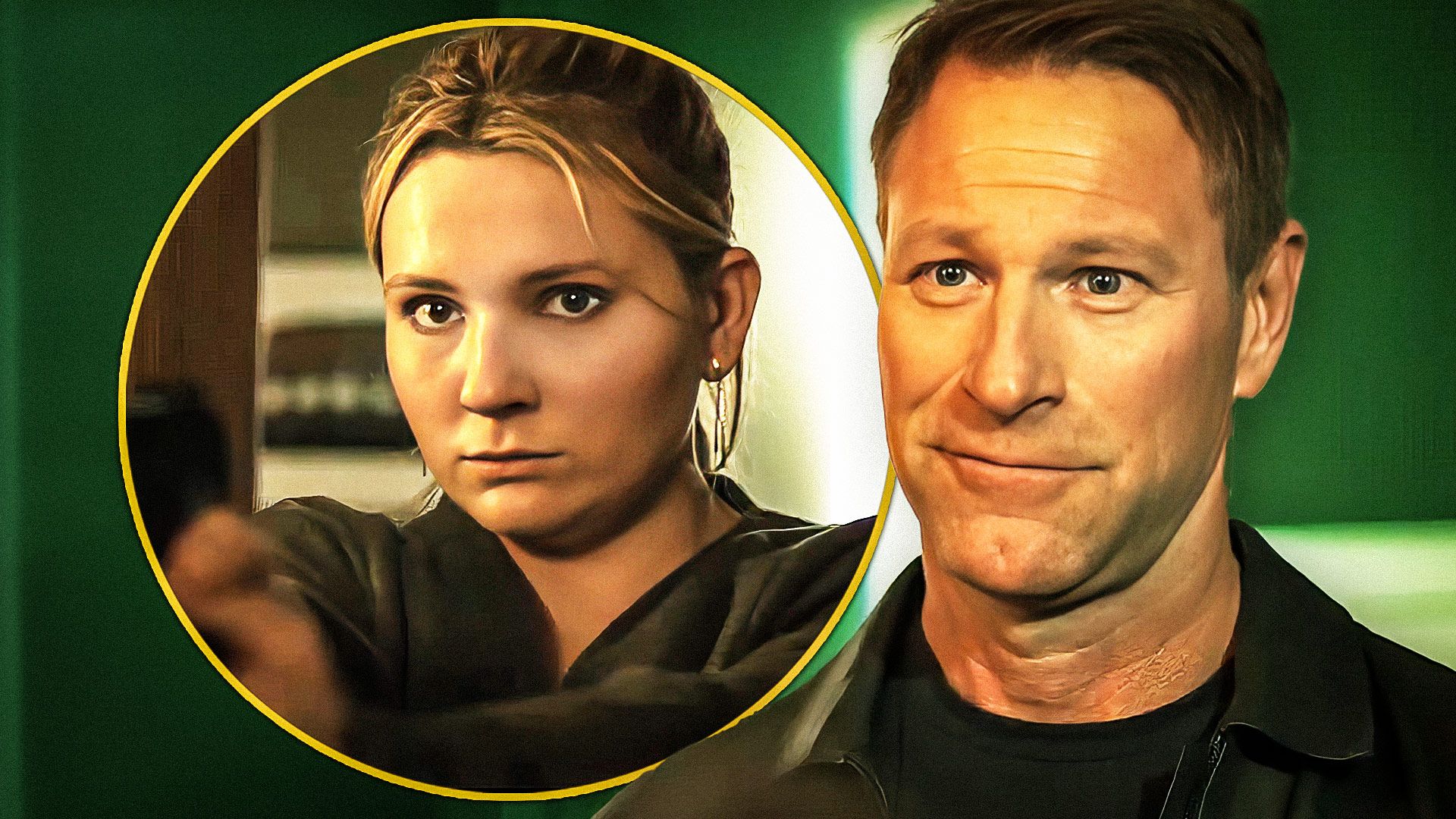
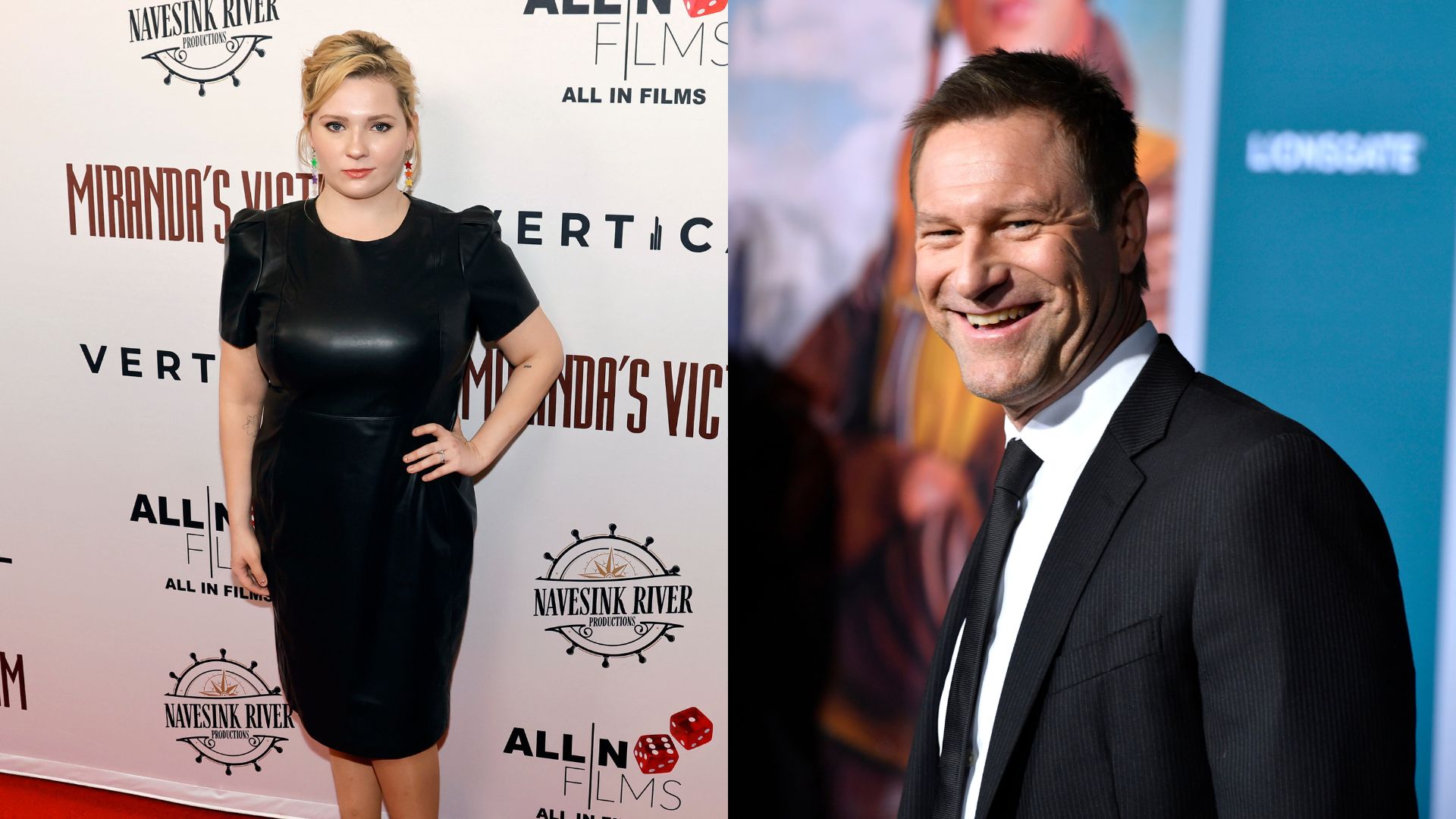
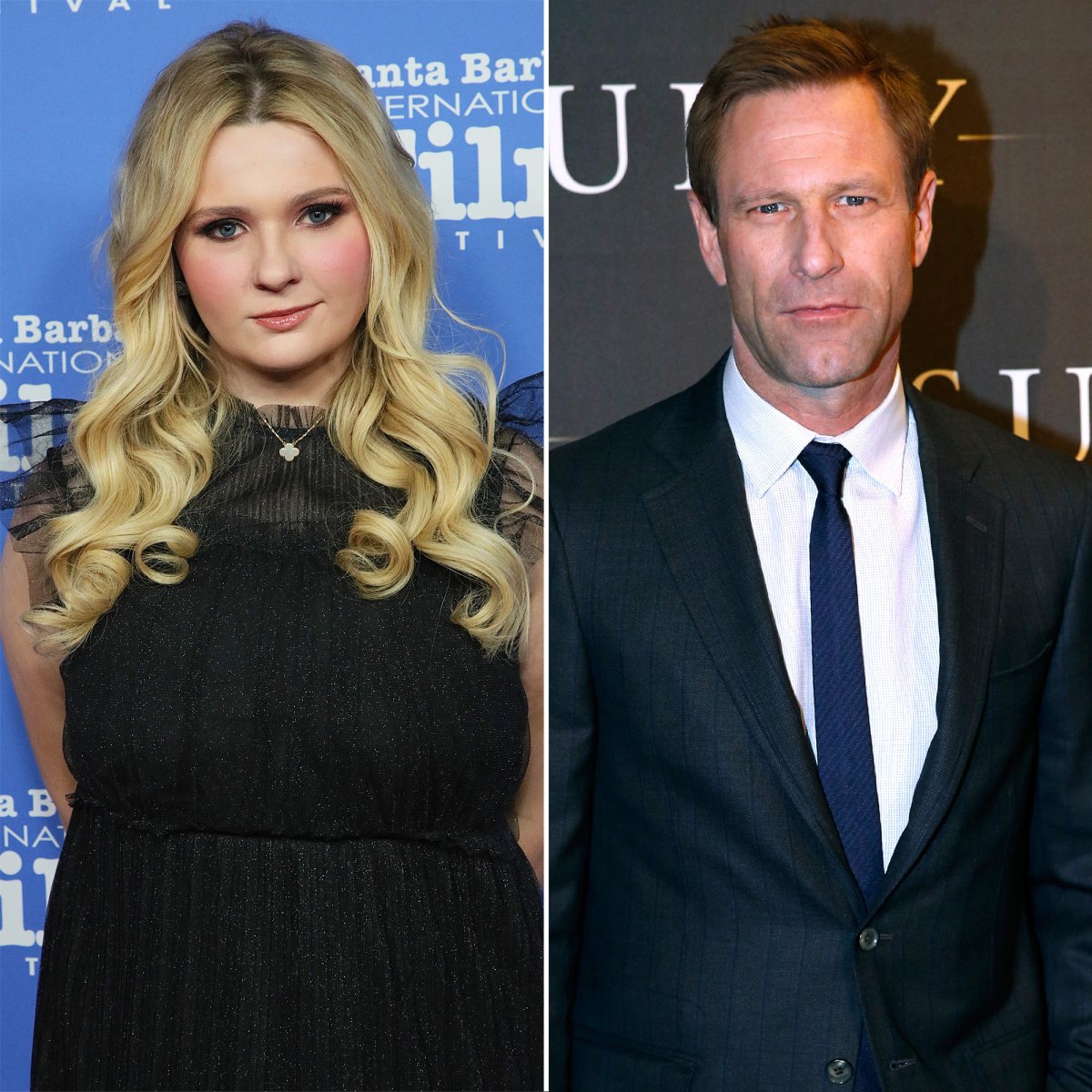
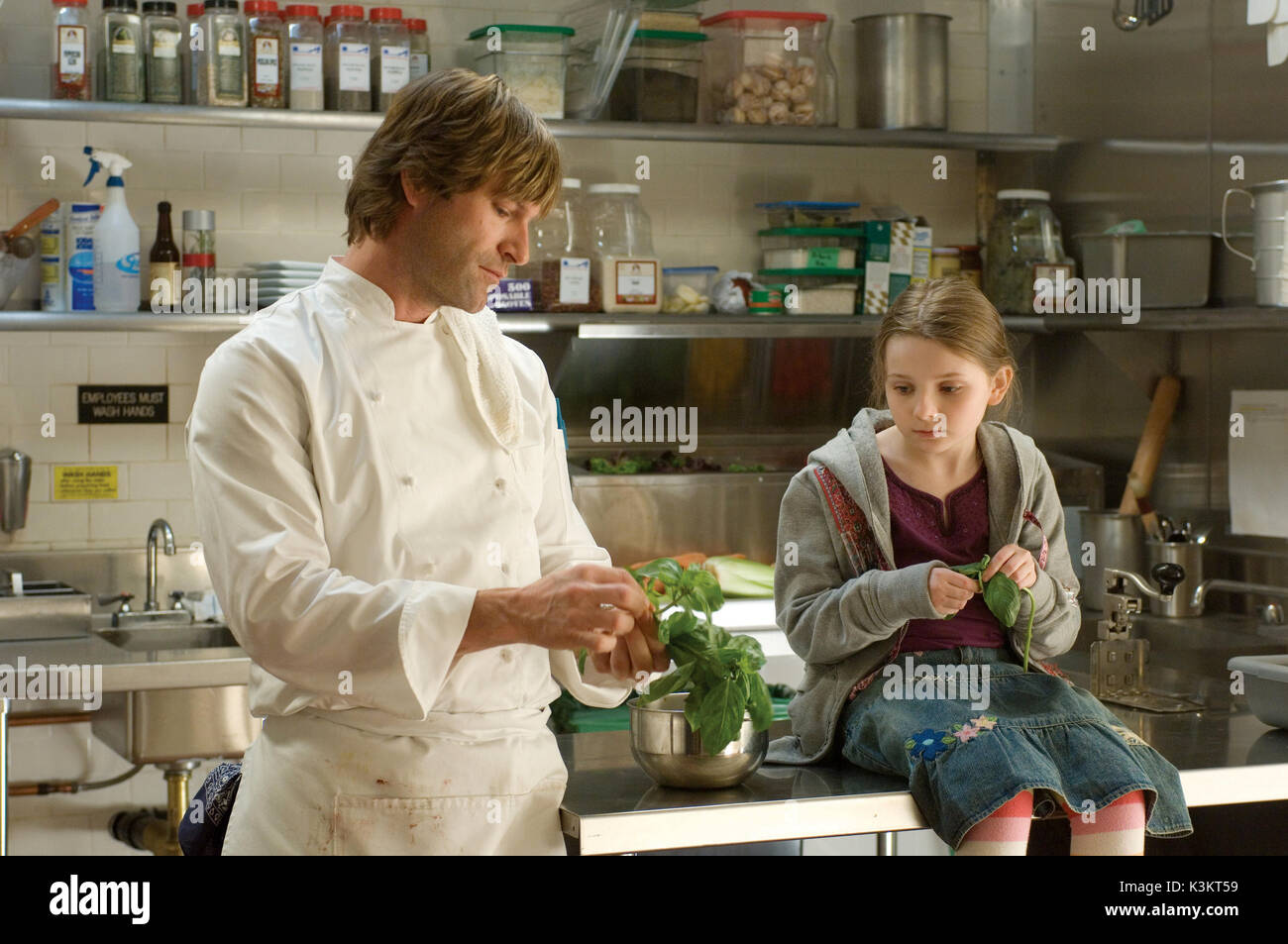
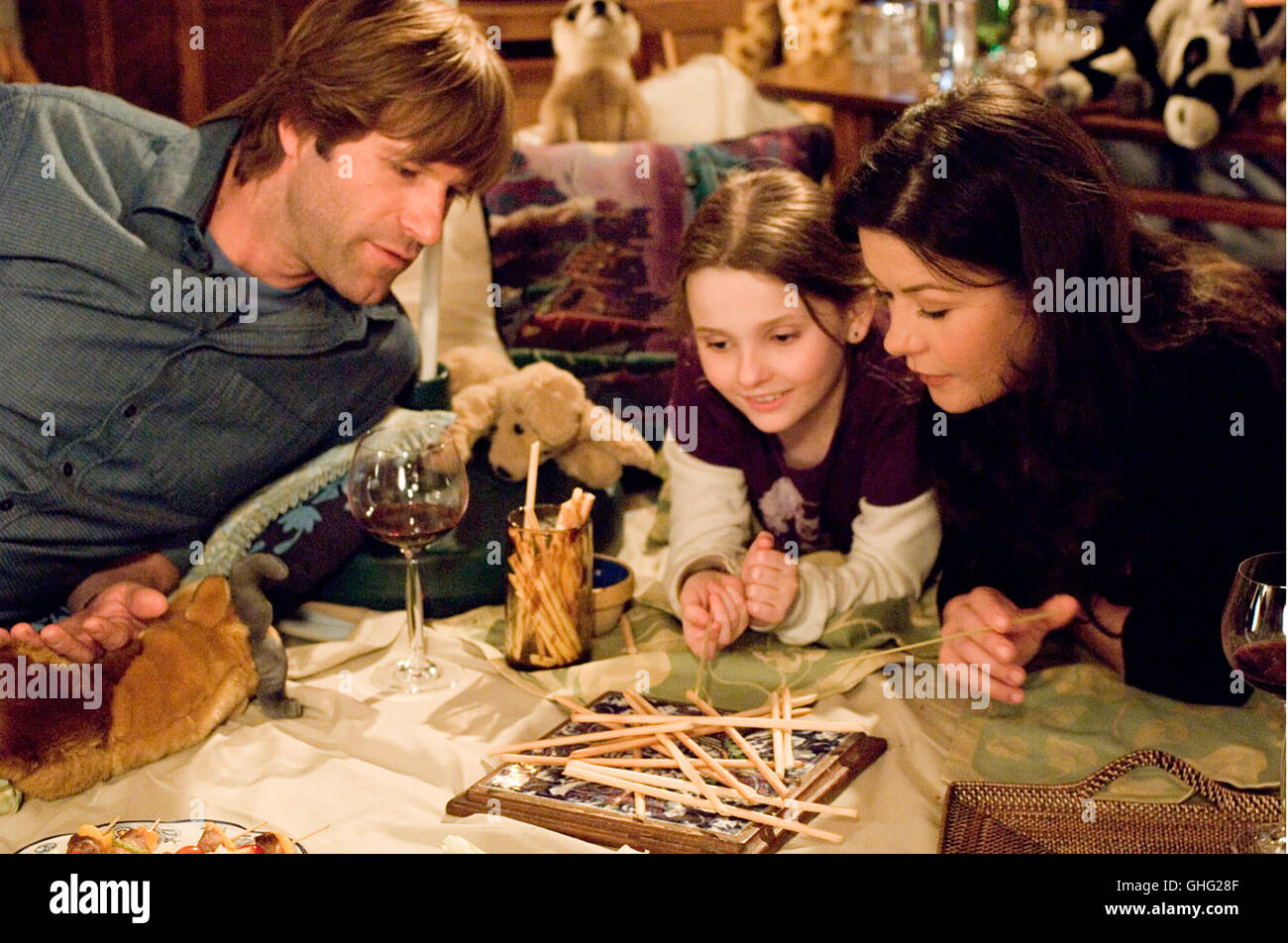
The professional relationship between Abigail Breslin and Aaron Eckhart is characterized by a stark contrast between their convincing on-screen chemistry and a highly publicized, litigious off-screen fallout. While they successfully portrayed a familial bond in 2007’s No Reservations, their 2023-2024 collaboration on the thriller Classified resulted in serious allegations and legal disputes.
The Evolution of the Breslin-Eckhart Professional Pairing
The narrative of Abigail Breslin and Aaron Eckhart’s professional journey began nearly two decades ago. In the 2007 romantic dramedy No Reservations, Eckhart played a charismatic chef while Breslin portrayed his grieving niece. Their chemistry was a cornerstone of the film’s emotional weight; critics at the time praised the natural, grounding influence Breslin had on Eckhart’s character. This early success established them as a duo capable of carrying a character-driven narrative with nuance and warmth.
However, as we look back from 2026, that initial goodwill was largely overshadowed by the events surrounding their second major collaboration, the action-thriller Classified. Filmed in late 2022 and early 2023, this project was intended to be a high-stakes reunion for the two actors. Instead, it became a case study in how on-set tension can escalate into a full-scale legal battle, fundamentally altering the public perception of their "chemistry."
The "Classified" Controversy: What Happened Off-Screen?
The rift between Breslin and Eckhart became public knowledge in late 2023 when reports surfaced regarding a lawsuit filed by the production companies behind Classified—Dream Team Studios and WMG. The lawsuit was not against Eckhart, but against Breslin herself. The core of the legal action involved allegations that Breslin’s behavior on set had caused significant financial damage to the production.
According to the filings, Breslin refused to film certain scenes alone with Eckhart, citing concerns over his behavior. She reportedly described his conduct as "aggressive, demeaning, and unprofessional," asserting that he created a "frightening" environment. These claims led to a formal complaint being filed with SAG-AFTRA. The producers, however, countered that Breslin’s allegations were "wild, hysterical, and imaginary," arguing that an on-set investigation by an independent third party found no evidence of misconduct by Eckhart.
The Impact on Production Mechanics
The tension necessitated significant changes to the filming schedule and methodology. To accommodate Breslin’s refusal to be in close proximity to her co-star outside of necessary takes, the production had to:
- Rearrange Shooting Schedules: Scenes were rescheduled to minimize shared time on set, increasing the number of "shooting days" for support staff.
- Utilize Stand-ins: More frequent use of body doubles and stand-ins for over-the-shoulder shots was required.
- Implement Safety Protocols: The presence of an "on-set advocate" or specific safety monitors was required to facilitate communication between the lead actors.
These logistical hurdles allegedly cost the production upwards of $80,000 in additional costs, which became the focal point of the lawsuit against Breslin for breach of contract and disparagement.
Analyzing On-Screen Chemistry vs. Professional Reality
In the world of cinema, "chemistry" is often a technical achievement rather than a reflection of personal friendship. For Abigail Breslin and Aaron Eckhart, their ability to perform together in Classified despite the underlying hostility is a testament to their professional craft, yet it raises questions about the sustainability of such environments.
On-screen chemistry is often manufactured through lighting, editing, and the actors’ ability to inhabit a role. When audiences watch No Reservations, they see a bond built on vulnerability. In Classified, the chemistry is darker and more adversarial by design, which may have inadvertently blurred the lines between the script’s requirements and the actual atmosphere on set. The discrepancy between what the camera captures and what the crew witnesses remains one of the more complex aspects of Hollywood production.
Legal and Ethical Implications in the Modern Industry
As of 2026, the Breslin-Eckhart dispute remains a landmark example of the "he-said, she-said" dynamics in the post-#MeToo era of filmmaking. It highlights the tension between a performer's right to feel safe on set and a production company's need to protect its financial investment.
The case brought several industry-standard practices into question:
- Disparagement Clauses: How far can a production company go in suing an actor for speaking out about their experiences?
- Safety Investigations: The validity of "independent" investigations funded by production companies has been scrutinized by labor unions.
- Mediation Requirements: The shift toward mandatory mediation in actor contracts to prevent public lawsuits that damage a film's "marketability."
Summary of the Breslin-Eckhart Professional Relationship
| Feature/Project | No Reservations (2007) | Classified (2024 Release) |
|---|---|---|
| On-Screen Relationship | Uncle/Niece (Nurturing) | Father/Daughter (Adversarial/Action) |
| Public Reception | Positive; "Sweet" chemistry | Overshadowed by legal controversy |
| Off-Screen Status | Professional and cordial | Contentious; Legal disputes |
| Primary Conflict | None reported | Allegations of aggressive behavior |
| Resolution | Successful box office run | Lawsuits and union intervention |
The Role of SAG-AFTRA and Industry Standards
Abigail Breslin’s decision to report Eckhart’s behavior to the Screen Actors Guild (SAG-AFTRA) was a pivotal moment in this saga. By 2026, the union has strengthened its protocols regarding "on-set conduct" largely due to high-profile cases like this one. When an actor of Breslin’s stature—a former child star with an Academy Award nomination—signals that a veteran actor like Eckhart has created a hostile environment, the industry is forced to take notice.
However, the counter-suit by the producers introduced a chilling effect. It suggested that if an actor's report of misconduct results in production delays, they could be held personally liable for the lost revenue. This legal strategy has been criticized by advocates for set safety, who argue that it penalizes whistleblowers. The resolution of these legal battles has since influenced how insurance companies write "cast coverage" policies, often requiring more stringent behavioral riders.
Comparing Artistic Output with Personal Conflict
Despite the chaos behind the scenes, Classified was eventually completed and released. Critics in 2025 and 2026 have often watched the film through the lens of the controversy, searching for signs of the reported friction. Ironically, some reviews suggested that the "tension" between the characters felt exceptionally real, perhaps because it was mirrored in the actors’ actual interactions.
This phenomenon is not new to Hollywood; history is full of co-stars who hated each other but produced legendary performances. However, the Abigail Breslin and Aaron Eckhart situation differs because it moved beyond personality clashes into the realm of safety complaints and litigation. The "chemistry" seen in their 2024 work is a product of professional endurance rather than mutual inspiration.
Frequently Asked Questions
Did Abigail Breslin and Aaron Eckhart ever resolve their lawsuit?
The legal battle between the producers of Classified and Abigail Breslin involved several rounds of mediation. While the specific terms of any settlement reached by 2026 remain confidential, the public focus shifted toward the broader implications of set safety and the rights of actors to report misconduct without facing financial retaliation.
What were the specific allegations against Aaron Eckhart?
Breslin alleged that Eckhart’s behavior on the set of Classified was demeaning and aggressive, creating an environment where she felt unsafe being alone with him. She did not specify physical abuse but focused on emotional and professional hostility that interfered with her ability to work.
Did Aaron Eckhart respond to the allegations?
Eckhart did not release extensive public statements regarding the matter, but the production companies suing Breslin defended him vigorously. They claimed his behavior was professional and that Breslin’s claims were unfounded after their internal investigation.
Is "Classified" available to watch?
Yes, the film was released following the resolution of major production hurdles. It remains a point of interest for fans of the genre, though much of the discourse surrounding it continues to center on the off-screen drama between its two leads.
How did this affect their future collaborations?
As of 2026, there are no plans for Abigail Breslin and Aaron Eckhart to work together again. The severity of the legal dispute and the public nature of the allegations have effectively ended their professional partnership.
Navigating On-Set Safety and Professionalism
For those following the careers of Breslin and Eckhart, the takeaway is a sobering look at the complexities of modern filmmaking. While we often want to believe that on-screen chemistry is a sign of off-screen friendship, the reality is that film sets are high-pressure workplaces where professional boundaries can become strained.
Moving forward, the industry continues to refine its approach to these conflicts. The "Breslin-Eckhart incident" is frequently cited in film school ethics courses and production management seminars as a reason for clearer communication channels and more robust, truly independent oversight on set. For fans, the best course of action is to appreciate the performances for the craft they represent, while remaining aware of the human cost that sometimes goes into producing "chemistry" under duress.