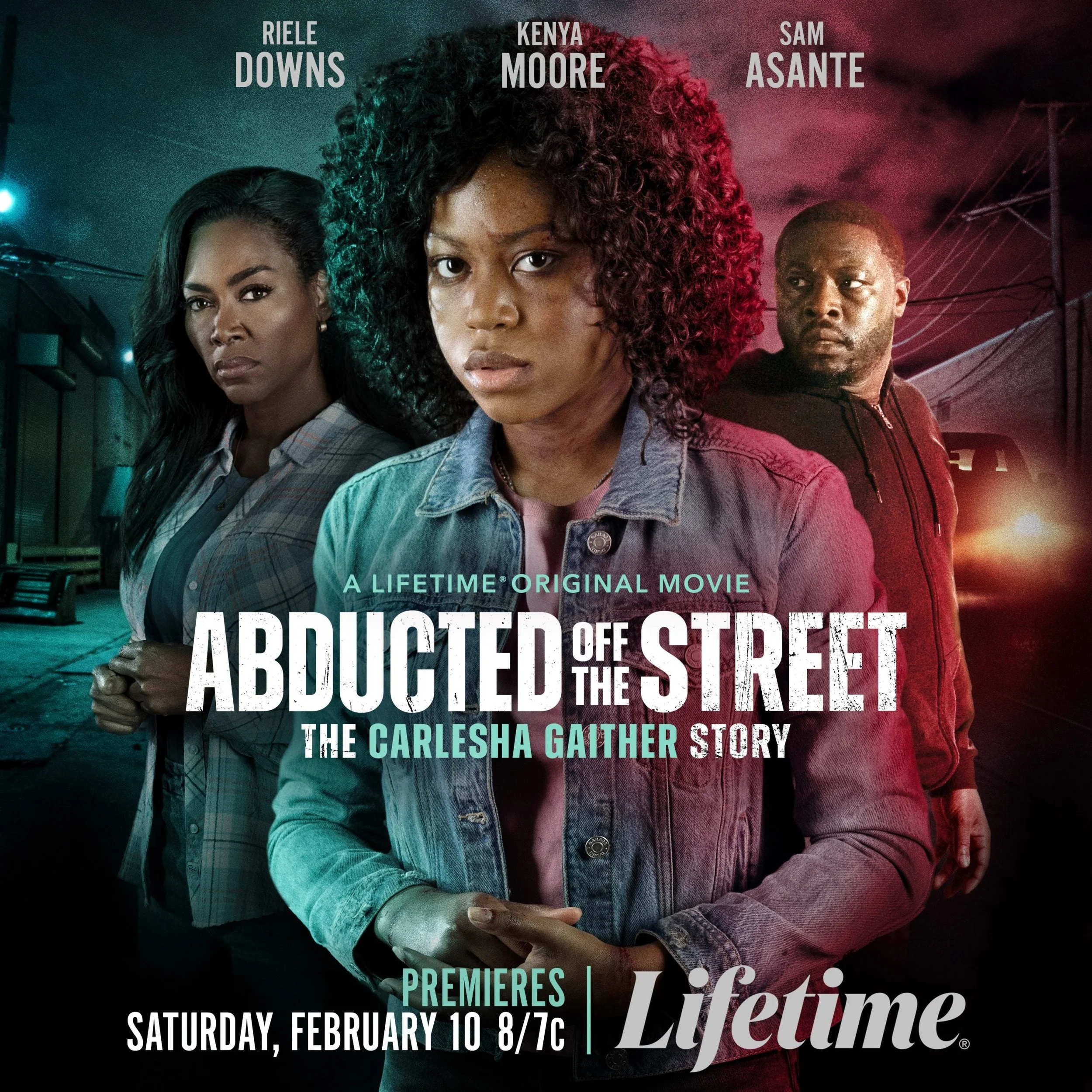
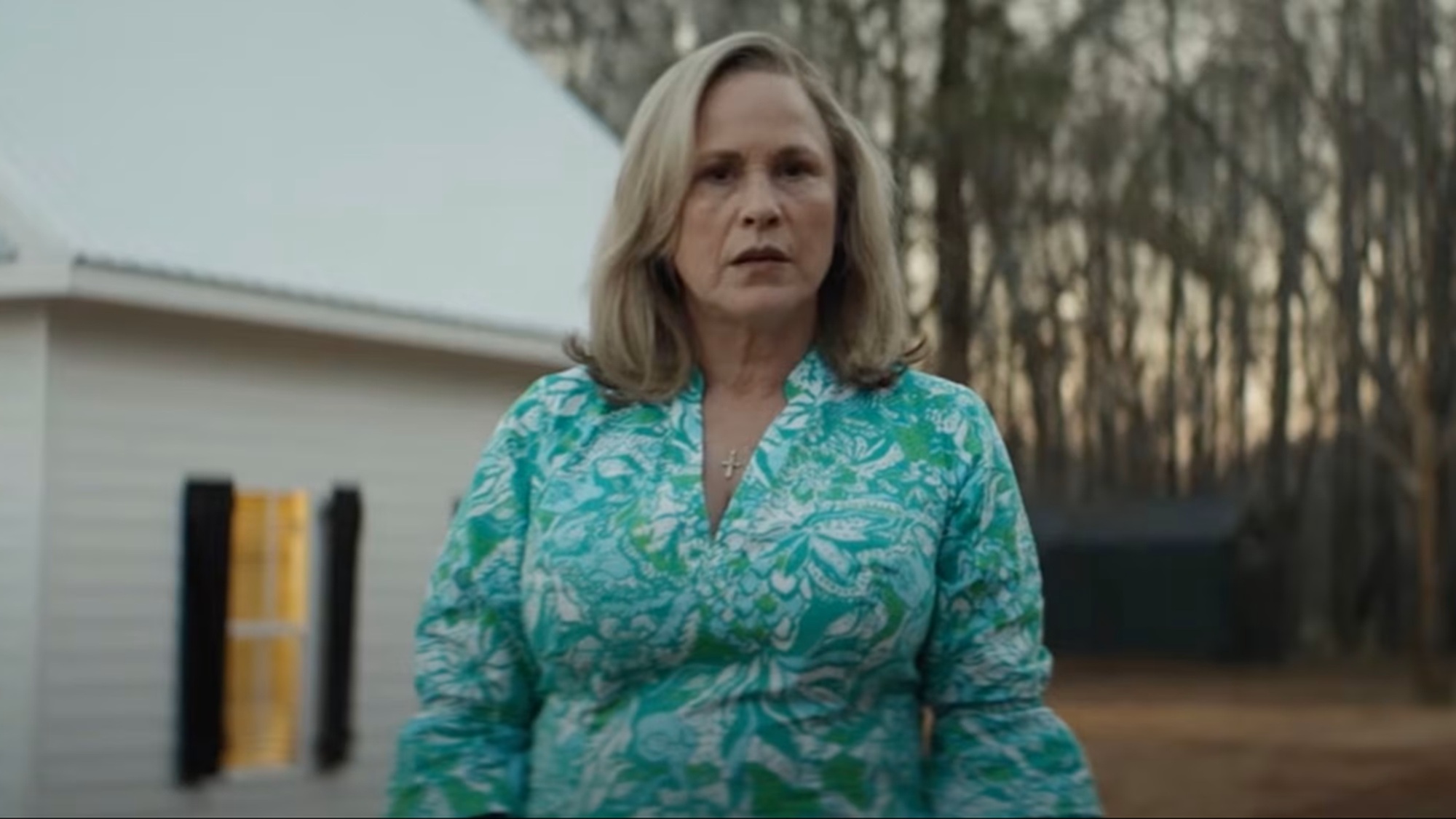
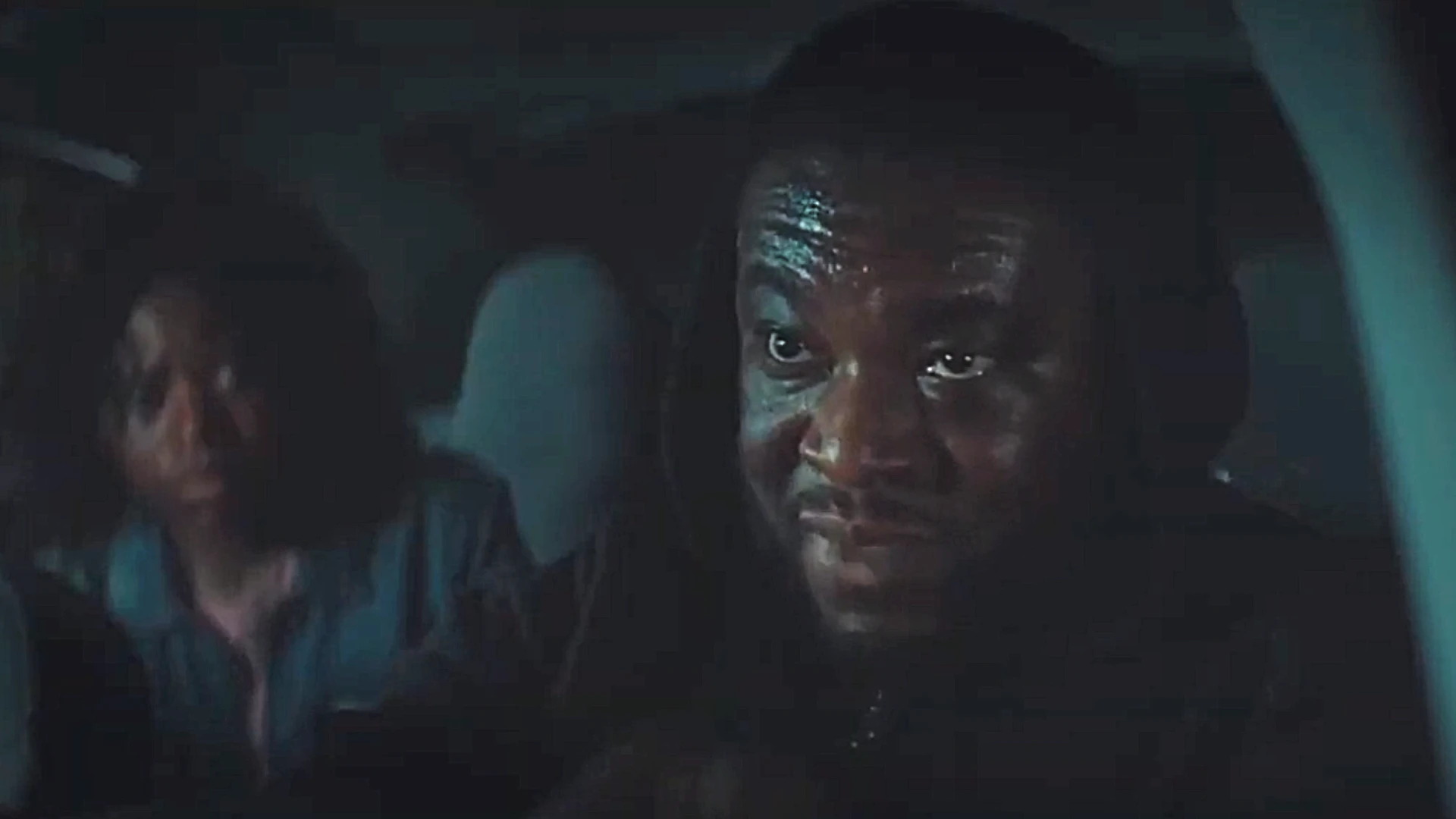
The Lifetime original movie Abducted Off the Street: The Carlesha Gaither Story is a dramatized retelling of the harrowing 2014 kidnapping of Carlesha Gaither in Philadelphia. Released as part of the network's "Ripped from the Headlines" series, the film chronicles Gaither’s abduction, her mother’s relentless search, and the forensic investigation that led to her rescue.
The production serves as both a true crime thriller and a survival narrative, highlighting the intersection of community vigilance and modern investigative technology. As of 2026, the film remains a staple in true crime broadcasting, frequently used as a case study for public safety awareness regarding urban abductions and the efficacy of rapid-response digital forensics.
Cinematic Overview of the Lifetime Original Film
Abducted Off the Street: The Carlesha Gaither Story premiered in late 2023, capturing the attention of true crime enthusiasts and advocates for victim rights. Directed by Wes Miller, the film stars Rhyon Nicole Brown as Carlesha Gaither and Kenya Moore as her mother, Keisha Gaither. The narrative structure deviates from traditional "whodunit" thrillers by focusing heavily on the victim's agency and the mother's unwavering refusal to let the case go cold.
The film's screenplay prioritizes the emotional psychological landscape of the Gaither family. While many true crime films center on the perpetrator, this production emphasizes the "Golden Hour" of kidnapping investigations—the critical window immediately following a disappearance. By portraying the raw panic and eventual strategic mobilization of the Philadelphia community, the film illustrates how public pressure can influence the speed of a federal and local law enforcement response.
In terms of production value, the film utilizes a gritty, realistic aesthetic to mirror the atmosphere of the Germantown neighborhood where the abduction occurred. The use of recreated CCTV footage—a pivotal element in the real-life case—acts as a recurring motif, reminding viewers of the digital footprint left by both victims and predators in modern metropolitan areas.
The 2014 True Crime Event: A Timeline of Terror
To understand the film’s impact, one must examine the factual events of November 2, 2014. At approximately 9:40 PM, 22-year-old nursing assistant Carlesha Gaither was walking home from a family gathering in the Germantown section of Philadelphia. As she reached the 2200 block of West Greene Street, a man later identified as Delvin Barnes exited a parked vehicle and began following her.
The abduction was captured in haunting detail by a nearby surveillance camera. The footage showed Gaither being forcibly dragged toward a black Ford Taurus. Despite her valiant efforts to resist—including dropping to the ground and attempting to strike her captor—she was eventually forced into the car. The video, which was released to the public within hours, became a viral sensation and a crucial piece of evidence that galvanized the city.
The Three-Day Manhunt
The investigation was a collaborative effort between the Philadelphia Police Department and the FBI. The search spanned several states, as investigators tracked the vehicle’s movement through various automated systems. The real-life tension of these three days is a core component of the film's second act.
Key investigative milestones included:
- Vehicle Identification: Using the grainy CCTV footage, forensic experts identified the make and model of the car and noted a distinctive missing hubcap and a broken rear window.
- Financial Tracking: The suspect used Gaither’s ATM card at a bank in Aberdeen, Maryland, providing a geographical lead.
- GPS and Digital Forensics: Investigators utilized a GPS tracking device installed on the suspect's vehicle by a "buy-here-pay-here" car dealership, which eventually led them to a parking lot in Jessup, Maryland.
Survival Tactics: Carlesha Gaither’s Real-Life Heroism
One of the most significant aspects of the film is its depiction of Gaither's survival instincts. In true crime circles, Gaither is often cited as an example of how "fighting back" can create opportunities for rescue. During her three days of captivity, she did not remain passive.
In the real-world incident, Gaither took several calculated risks to leave a trail for investigators. She reportedly managed to kick out a rear window of the vehicle, which later helped witnesses identify the car. Additionally, she purposefully left behind items that could link her to the scene. The film highlights these moments to empower viewers, moving the narrative away from victimhood toward survivalism.
Her actions provided the "breadcrumbs" necessary for law enforcement to maintain a high-speed pursuit. When federal agents finally surrounded the vehicle in Maryland on November 5, 2014, they found Gaither inside, alive and physically harmed but resilient. Her rescue is considered one of the most successful high-profile kidnapping recoveries in recent U.S. history.
Comparative Analysis: Film vs. Reality
While the Lifetime movie adheres closely to the primary facts of the case, cinematic adaptations often employ creative liberties to enhance dramatic tension or condense timelines. The following table compares the key elements of the televised film with the documented historical facts.
| Feature | Lifetime Film Portrayal | Historical Fact (2014 Case) |
|---|---|---|
| Primary Perspective | Focused on the mother-daughter bond and Keisha Gaither's activism. | Focused on multi-agency law enforcement coordination. |
| The Abductor | Depicted as a menacing, looming threat with focused screen time. | Delvin Barnes was a career criminal with a history of similar offenses. |
| Rescue Scene | High-tension cinematic confrontation in a Maryland parking lot. | FBI tactical teams swarmed the car; Barnes surrendered without a shootout. |
| Community Role | Emphasizes the neighborhood watch and local support. | Public tips were vital, but GPS technology was the ultimate decider. |
| Aftermath | Focuses on the healing process and the family's public advocacy. | Focused on the federal trial and life sentencing of the perpetrator. |
The Legal Aftermath and Sentencing of Delvin Barnes
The true crime thriller concludes with the capture of the antagonist, but the real-world legal proceedings were equally intense. Delvin Barnes was not a first-time offender; at the time of the abduction, he was already wanted for a separate, horrific crime in Virginia involving the kidnapping and attempted murder of another woman.
In 2016, Barnes was sentenced to life in federal prison without the possibility of parole. The judge cited the "predatory nature" of his actions and the psychological trauma inflicted upon Gaither. The federal kidnapping charges were particularly significant because they allowed for a life sentence regardless of the state-level charges in Pennsylvania or Virginia.
For viewers of the film, the legal resolution provides a sense of "true justice" that is often missing from unresolved true crime narratives. The case remains a landmark for the use of the federal kidnapping statute in instances where victims are transported across state lines.
Media Legacy and Public Safety Impact
As of 2026, Abducted Off the Street: The Carlesha Gaither Story continues to circulate on streaming platforms and cable networks. Its enduring popularity is attributed to its "instructional" value. Unlike many thrillers that rely on shock value, this film acts as a reminder of the importance of high-definition surveillance and the power of immediate reporting.
The Gaither family has used their platform to advocate for improved safety measures in urban environments. Keisha Gaither, in particular, has been a vocal proponent for faster police response times and better integration of private security cameras into police networks. The film serves as a permanent visual record of their struggle and eventual triumph, ensuring that the lessons learned from the 2014 incident are not forgotten by subsequent generations.
Frequently Asked Questions
Is the Lifetime movie "Abducted Off the Street" based on a true story?
Yes, the film is a dramatized account of the 2014 kidnapping of Carlesha Gaither in Philadelphia. It follows the actual timeline of her abduction from a city street and her subsequent rescue by federal agents in Maryland three days later.
Where can I watch the Carlesha Gaither story film in 2026?
The film is typically available through the Lifetime Movie Club, Hulu, and other major streaming services that host A&E Network content. It also airs periodically on the Lifetime cable channel as part of their "Ripped from the Headlines" marathons.
What happened to the man who kidnapped Carlesha Gaither?
Delvin Barnes, the kidnapper, was apprehended in November 2014. Due to his extensive criminal history and the severity of the kidnapping, he was sentenced to life in federal prison in 2016. He remains incarcerated without the possibility of parole.
Did Carlesha Gaither help in the production of the film?
While the film is an unauthorized dramatization common to the "Ripped from the Headlines" series, it heavily references public records, interviews, and news footage provided by the Gaither family during the original investigation and trial.
What survival techniques are shown in the film?
The film highlights Gaither’s use of "active resistance," such as leaving physical clues for the police, attempting to damage the vehicle to make it more recognizable (kicking out the window), and providing descriptions of her surroundings once she was rescued.
Practical Steps for Personal Safety in Urban Environments
While the story of Carlesha Gaither is one of survival, it also serves as a critical reminder to maintain situational awareness. Experts in personal safety often point to this case when discussing "The Power of Three": being aware of your surroundings, having a communication plan, and knowing how to leave a trail if an emergency occurs.
If you are interested in the themes presented in the film, the most effective next action is to audit your own personal safety habits. This includes sharing your GPS location with trusted contacts when walking alone at night and familiarizing yourself with the locations of public surveillance cameras or "blue light" emergency stations in your local area. Supporting community-based safety initiatives, like the ones advocated by the Gaither family, remains the best way to honor the resilience shown in this true crime story.