Abdi Nazemian is a celebrated Iranian-American author, screenwriter, and producer renowned for his poignant explorations of queer identity, Iranian heritage, and the intersections of history and personal narrative. His notable works include the award-winning novels Like a Love Story and The Walk-In Closet, alongside significant contributions to major motion pictures.
The Formative Years: Shaping a Global and Queer Perspective
Abdi Nazemian’s life and work are deeply rooted in his experience as a "third-culture kid." Born in Tehran, Iran, his family left the country during the revolution, leading him to a childhood spent in Paris, Toronto, and New York City. This peripatetic upbringing provided him with a unique vantage point on the concepts of "home" and "belonging," which frequently surface in his storytelling.
Nazemian’s academic background further refined his narrative capabilities. He attended Columbia University for his undergraduate studies and later earned a Master of Fine Arts from the University of California, Los Angeles (UCLA). These institutions provided the technical foundation for his dual career in literature and film. Living at the crossroads of different cultures, Nazemian often describes himself as someone who felt like an outsider in every environment—too Iranian for the West and too Westernized for traditional Iranian circles. This sense of displacement, coupled with his journey as a gay man, became the fuel for his creative output.
By the time he established himself in the mid-2010s, Nazemian had already begun to dismantle the "monolith" of the Iranian experience in Western media. He sought to show that being Iranian was not a singular identity, and being queer was not a Western-only phenomenon. His work serves as a bridge, connecting the historical realities of his homeland with the contemporary struggles and triumphs of the LGBTQ+ community.
Literary Career: From "The Walk-In Closet" to YA Dominance
Nazemian’s entry into the literary world was marked by the 2014 publication of The Walk-In Closet. The novel, which explores the complexities of "coming out" within a tight-knit Persian community in Los Angeles, won the Lambda Literary Award for Debut Fiction. It set the stage for a career defined by honesty, humor, and a refusal to shy away from cultural taboos.
The Impact of "Like a Love Story"
Perhaps Nazemian’s most culturally significant work to date is the 2019 novel Like a Love Story. Set in New York City in 1989, at the height of the AIDS crisis, the book follows three teenagers: Reza, an Iranian boy struggling with his sexuality; Judy, an aspiring fashion designer; and Art, Judy's best friend and an outspoken gay activist.
The novel is more than a coming-of-age story; it is a tribute to the "queer elders" and activists of ACT UP who fought for survival during a decade of neglect. Nazemian masterfully weaves in the influence of pop culture—specifically the music of Madonna—as a lifeline for marginalized youth. Like a Love Story received a Stonewall Honor and has been widely praised for its educational value, teaching younger generations about the history of the LGBTQ+ movement while providing a deeply emotional narrative about friendship and self-acceptance.
Exploring Institutional Dynamics in "The Chandler Legacies"
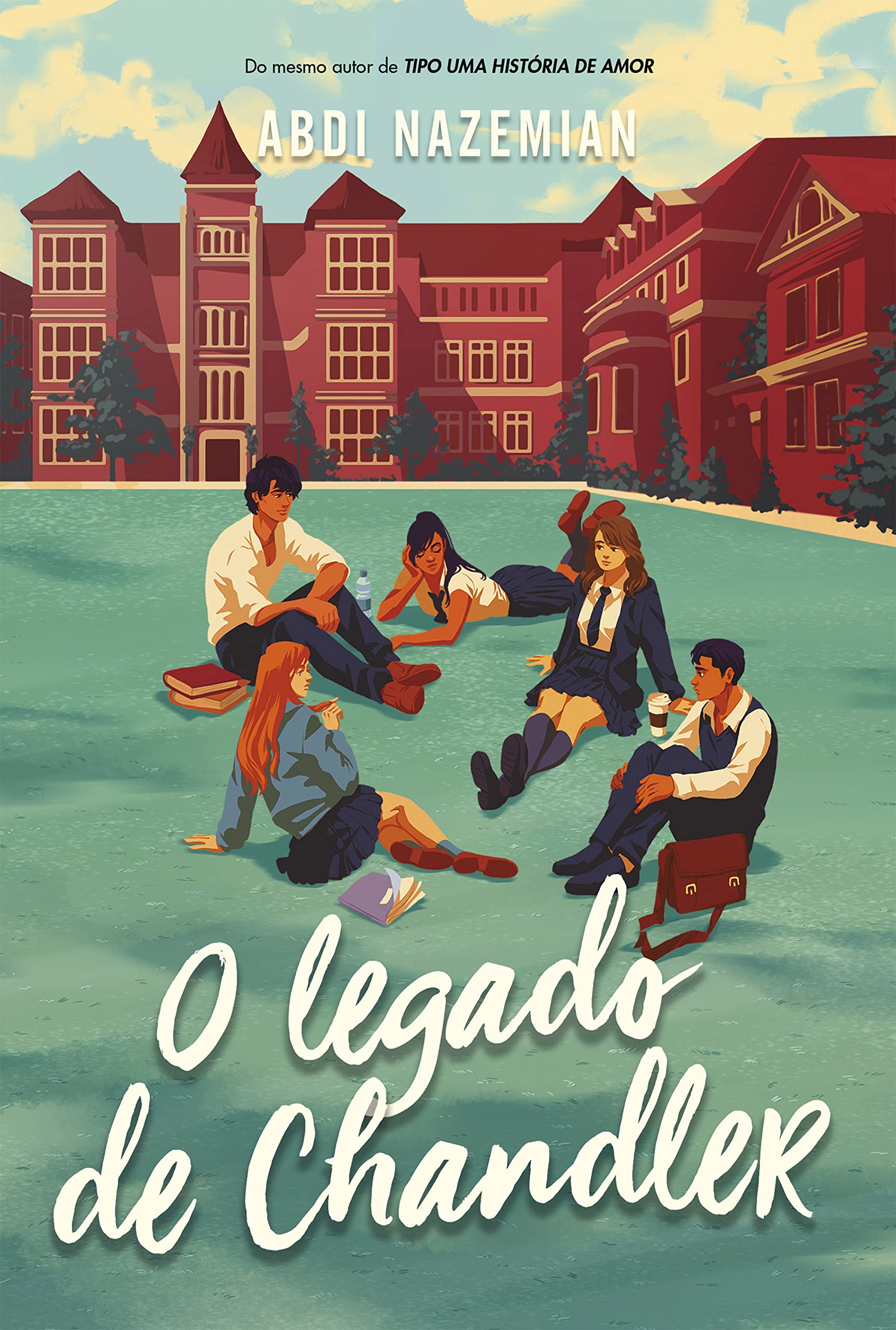
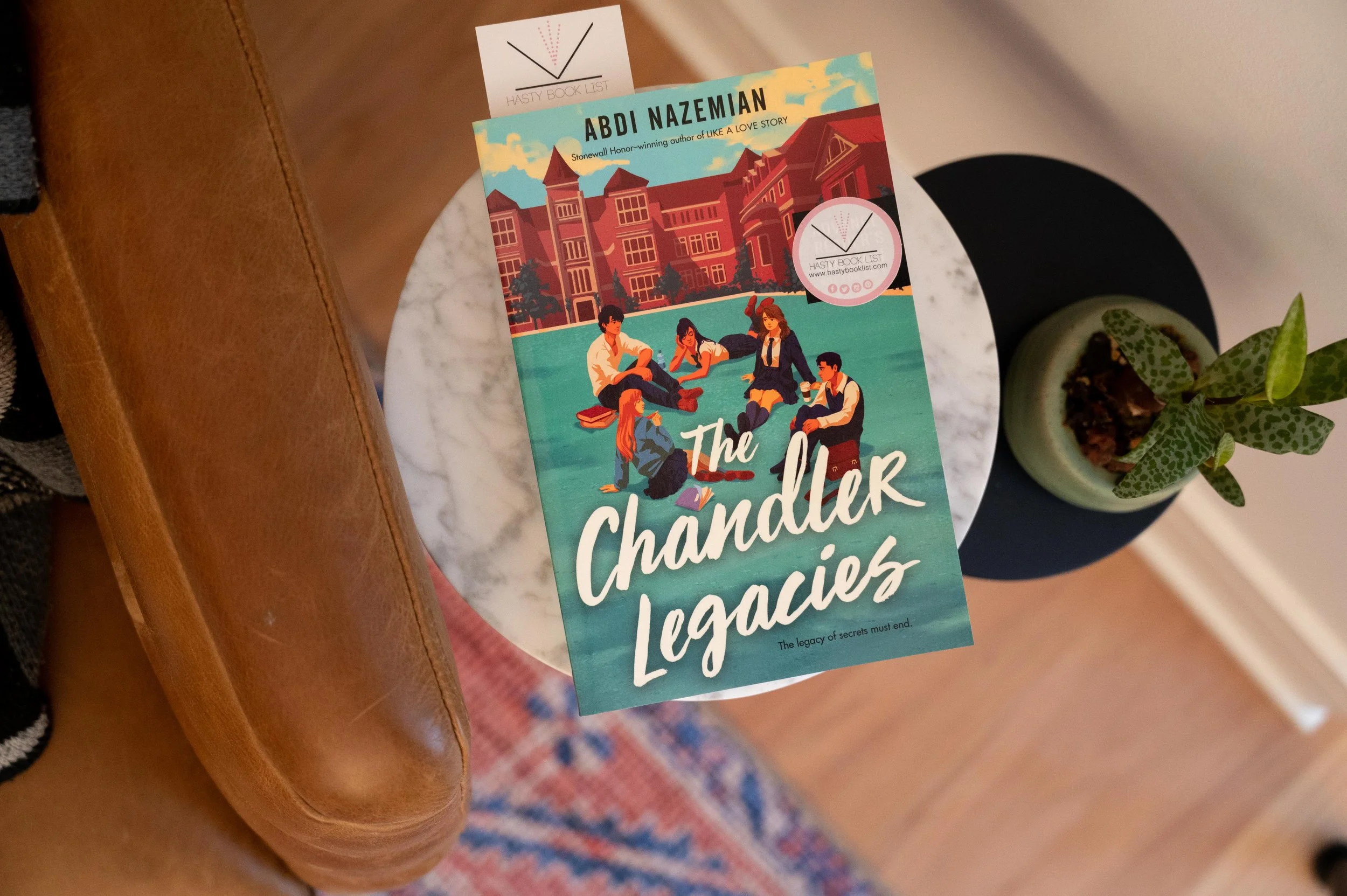
In The Chandler Legacies (2022), Nazemian turned his lens toward the elite world of boarding schools. Drawing from his own experiences at such institutions, the novel examines the "vows of silence" that often protect systemic abuse and toxic traditions. Through a diverse cast of characters in a writing circle, Nazemian explores how storytelling can be a tool for reclamation and justice. The book was a departure from his more overtly historical works, focusing instead on the internal politics of power and the courage required to speak one's truth against a powerful institution.
Intergenerational Healing in "Only This Beautiful Moment"
Published in 2023, Only This Beautiful Moment is arguably Nazemian’s most ambitious literary undertaking. The novel utilizes a triple-timeline structure to tell the story of three generations of Iranian men:
- 1939 Tehran: Moud’s grandfather, Bobby, travels to Tehran to work in the nascent film industry.
- 1978 Tehran: Moud’s father, Saeed, is a student caught up in the fervor of the Iranian Revolution.
- 2019 Los Angeles/Tehran: Moud travels to Iran with his father to visit his dying grandfather.
The book explores how secrets, trauma, and love are passed down through families. It challenges the Western perception of Iran by showcasing the vibrant, cosmopolitan life of Tehran before the revolution and the enduring spirit of its people. As of 2026, the novel remains a staple in classrooms and book clubs for its sophisticated handling of historical memory and queer lineage.
Contributions to Film and Television
While his novels have brought him international acclaim, Abdi Nazemian is also a formidable presence in Hollywood. His screenwriting and production work often mirror the themes of his books, focusing on intimacy, identity, and the nuances of human relationships.
Nazemian wrote the screenplay for The Quiet (2005), a psychological thriller starring Camilla Belle and Elisha Cuthbert, which explored dark family secrets. He also wrote and directed Almost Love (2019), a romantic comedy-drama that provides a modern look at the complexities of long-term relationships and friendships within the gay community in New York.
Beyond writing, Nazemian has been a significant figure in film production. He served as an executive at Water's End Productions, where he was involved in the development of numerous high-profile projects. His association with the production of Call Me by Your Name (2017) further solidified his reputation as a tastemaker in queer cinema. His ability to navigate both the literary and cinematic worlds allows him to translate complex internal monologues into compelling visual narratives, a skill that is evident in the cinematic quality of his prose.
Themes and Narrative Style: The Intersection of History and Heart
The "Nazemian Style" is characterized by a blend of raw emotional vulnerability and sharp cultural commentary. Several recurring themes define his body of work:
- The Queer Archive: Nazemian often acts as a historian, embedding real-world queer history into his fiction. Whether it is the AIDS activism of the 80s or the hidden queer subcultures of mid-century Iran, he ensures that the past is not forgotten.
- Displacement and Diaspora: His characters frequently grapple with being "between worlds." This is not just about geography, but about the emotional displacement of being a queer person in a traditional family or an immigrant in a xenophobic society.
- The Power of Art: Music, film, and literature are never just background elements in Nazemian’s books. They are survival tools. Characters use Madonna's lyrics or classic Iranian poetry to decode their own identities and find a sense of community.
- Complex Father-Son Relationships: Especially in his later works, Nazemian explores the friction and eventual reconciliation between different generations of men, moving away from the "tragic coming out" trope toward a more nuanced understanding of family evolution.
Comparative Overview of Major Literary Works
The following table compares the thematic focus and target audience of Nazemian’s most prominent books to help readers decide where to begin their journey with his work.
| Title | Year | Genre | Primary Themes | Target Audience |
|---|---|---|---|---|
| The Walk-In Closet | 2014 | Adult Fiction | Coming out, Persian-American culture, Los Angeles lifestyle. | Adult |
| Like a Love Story | 2019 | Young Adult | AIDS activism, NYC in the 80s, friendship, pop culture. | YA / Crossover |
| The Chandler Legacies | 2022 | Young Adult | Boarding school culture, systemic abuse, the power of writing. | YA |
| Only This Beautiful Moment | 2023 | Young Adult / Historical | Triple timelines, Iranian history, intergenerational trauma. | YA / Adult |
Awards, Recognition, and Cultural Impact
Abdi Nazemian’s contributions have been recognized by some of the most prestigious organizations in literature. His Lambda Literary Award and Stonewall Honor are not merely personal achievements; they represent the increasing visibility of MENA (Middle Eastern and North African) queer voices in the global canon.
In the mid-2020s, Nazemian has become a vocal advocate for intellectual freedom, especially as book bans have targeted LGBTQ+ and diverse stories across North America. His work is often cited as essential reading for building empathy and understanding the intersectional nature of identity. He has participated in numerous panels at the Los Angeles Times Festival of Books and various international literary festivals, where he emphasizes that "representation is not just about seeing yourself; it's about the world seeing you as human."
Frequently Asked Questions
Is "Like a Love Story" based on a true story?
While the characters are fictional, the novel is deeply rooted in historical truth and Nazemian’s own emotional experiences. The depiction of the AIDS crisis, the tactics of ACT UP, and the cultural atmosphere of 1989 New York City are all based on extensive research and the lived history of the queer community. Nazemian has stated that the character of Reza shares many of his own feelings regarding immigration and identity.
What is the best Abdi Nazemian book to start with?
For readers interested in historical fiction and social justice, Like a Love Story is the most recommended starting point. If you prefer a multi-generational epic that explores cultural heritage, Only This Beautiful Moment is an excellent choice. For those looking for a contemporary adult story centered on the Iranian-American experience in California, The Walk-In Closet is the ideal debut.
Does Abdi Nazemian write for adults or young adults?
Nazemian writes for both. He began his career in adult fiction with The Walk-In Closet, but he has found significant success in the Young Adult (YA) space. His YA novels are known for their "crossover" appeal, meaning they are frequently read and enjoyed by adults due to their sophisticated themes and historical depth.
How has his Iranian heritage influenced his screenwriting?
Nazemian often incorporates the specificities of the Iranian diaspora into his scripts, even when the primary plot isn't about heritage. He focuses on the nuances of "politeness" (Taarof), family pressure, and the aesthetic beauty of Persian culture, helping to move Middle Eastern representation away from stereotypical "terrorist" or "victim" narratives toward complex, human-centric stories.
Are there any film adaptations of his books?
As of 2026, several of his works have been optioned for film and television. Given his background as a screenwriter, Nazemian is often closely involved in the adaptation process to ensure the cultural and emotional integrity of the stories remains intact during the transition from page to screen.
Recommended Next Steps for Readers
To fully appreciate the depth of Abdi Nazemian’s work, readers should look beyond the plotlines and engage with the historical contexts he presents.
- Explore the History: After reading Like a Love Story, consider researching the ACT UP movement to see the real-world inspiration for the characters' activism.
- Cultural Context: For those moved by Only This Beautiful Moment, exploring the history of the Iranian Revolution of 1979 can provide deeper insight into the traumas faced by the characters' families.
- Support Local Libraries: Given the current climate of book challenges, checking out Nazemian’s work from public libraries or purchasing from independent bookstores like Amoeba Music (often mentioned in his LA-based settings) or specialized queer bookshops is a practical way to support the author and the themes he champions.
Nazemian continues to be a vital voice in 2026, reminding us that while the struggle for identity is universal, the specificities of our individual histories are what make our stories worth telling.