Abby Miller—the American model and actress recognized for her work across commercial print campaigns, editorial portraiture, and television—has maintained a distinct visual style throughout her career. Understanding her latest photo trends involves analyzing her transition from traditional commercial modeling to modern digital portfolio curation, editorial headshots, and authentic lifestyle photography across professional agency platforms and media outlets.
Disambiguating Abby Miller: Identity, Career Scope, and Modeling Background
When researching model photography and visual trends associated with "Abby Miller," searchers frequently encounter multiple public figures sharing similar names. Resolving this ambiguity is essential for accurate photo sourcing, media licensing, and biographical clarity.
Model and Actress Abby Miller
The primary focus of modeling portfolio queries is Abby Miller, an American actress and model known for her roles in television series such as Justified, The Sinner, and Aquarius, alongside extensive work in commercial modeling, voiceover, and print advertising. Her portfolio spans diverse photography styles, including:
- Commercial Print & Advertising: Brand-focused photography emphasizing approachable, relatable aesthetics.
- Editorial & Beauty Portraiture: High-concept fashion and studio lighting photography emphasizing facial structure, expression, and mood.
- Performance Stills & Press Stills: Professional set photography captured during television and film productions.
- Red Carpet & Event Photography: Photo agency coverage capturing formal wardrobe trends, evening wear, and public appearances.
Distinguishing from Other Media Personalities
It is important to distinguish Abby Miller (the model and actress) from Abby Lee Miller, the dance instructor, reality television personality, and founder of the Abby Lee Dance Company, who gained international fame on Dance Moms. While both figures operate within the entertainment industry, their visual assets, photo licensing channels, and creative domains are entirely distinct. Search queries regarding model photo trends specifically reference the refined editorial, commercial, and portrait work of actress and model Abby Miller.
Analyzing Key Visual Trends in Abby Miller’s Photo Portfolio
Modeling photo trends evolve alongside changes in camera technology, lighting philosophies, graphic design, and audience engagement platforms. An analysis of recent photography featuring Abby Miller reveals several prevailing visual motifs that reflect wider trends across the modeling and entertainment industries.
| Traditional Print Era | Modern Digital & Editorial Era |
|---|---|
| Heavy airbrushing / studio flash | Natural texture & ambient light |
| Rigid physical composite cards | Dynamic multi-platform web kits |
| Standardized beauty poses | Narrative-driven character posing |
1. Natural Light and Minimalist Editorial Portraiture
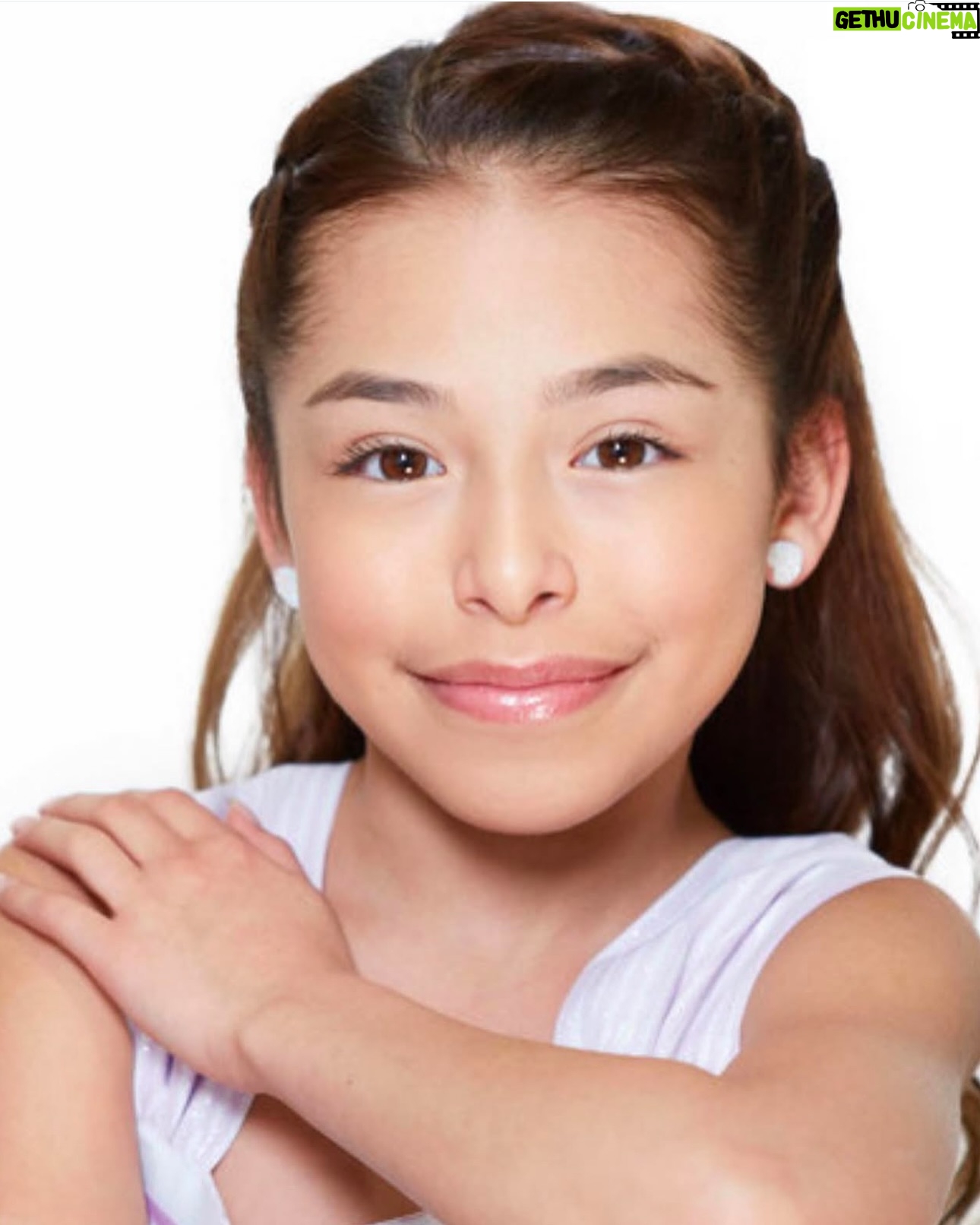
A major shift in recent portrait photography is the move away from heavily manipulated studio lighting toward soft, natural illumination. Recent editorial shoots featuring Abby Miller emphasize earthy color palettes, subtle makeup, and natural skin texture. Photographers increasingly utilize window light, open-shade outdoors, and prime lenses with wide apertures to create soft background blur (bokeh), putting total emphasis on facial expression and emotional resonance.
2. Narrative and Character-Driven Commercial Stills
Because Abby Miller bridges the gap between commercial modeling and narrative acting, her photo portfolio frequently features narrative-driven staging. Rather than static studio poses, latest photo trends showcase dynamic, candid motion—capturing moments mid-conversation, contemplative glances away from the lens, and environmental portraits set against urban or architectural backdrops. This style meets the growing demand among casting directors and brand marketers for authentic, relatable imagery over hyper-polished studio shots.
3. High-Contrast Studio Headshots for Industry Press
For professional casting and press kits, modern headshots have abandoned the flat, blue-gradient backdrops of past decades in favor of high-contrast, monochrome, or neutral-toned studio backgrounds. Recent press photos utilize directional key lighting (such as Rembrandt or clamshell lighting configurations) to define cheekbones, accentuate eye detail, and deliver a sophisticated, timeless aesthetic suitable for film festival programs, talent agency rosters, and trade publication features.
4. Red Carpet Styling and Event Photojournalism
Event photography captured at film premieres, award ceremonies, and fashion presentations represents another critical dimension of her public image trends. Visual trends in this category focus on classic Hollywood tailoring combined with modern minimalist fashion. High-grade flash photography at red carpet arrivals captures vibrant fabric textures, clean silhouettes, and contemporary hair and makeup styling, serving as key visual reference material for fashion commentators and celebrity style blogs.
Comparative Overview of Photo Portfolio Segments and Style Characteristics
To better understand how different photographic contexts serve various industry needs, the following table breaks down the core portfolio segments associated with professional model photography.
| Portfolio Segment | Primary Visual Features | Lighting & Composition Style | Primary Platform / Destination | Target Industry Audience |
|---|---|---|---|---|
| Editorial Portraiture | High-fashion concepts, creative styling, mood-driven expressions | Off-camera directional flash, dramatic shadows, natural ambient fill | Digital magazines, print editorials, artistic publications | Fashion directors, agency art buyers, magazine editors |
| Commercial Print | Relatable attire, warm smiles, lifestyle-driven staging | Soft studio softboxes, warm ring lights, clean white or neutral backdrops | Ad campaigns, brand websites, retail marketing | Brand managers, commercial casting agents, consumer ad agencies |
| Casting Headshots | Clear face visibility, neutral clothing, minimal makeup | Flat beauty lighting, ring lighting, low-depth background blur | Professional casting networks, talent agency databases | Film and TV casting directors, talent agents, producers |
| Press & Event Stills | Formal evening wear, candid arrivals, red-carpet poses | Direct camera flash, high-contrast event lighting | Photo wire services (Getty, WireImage, Shutterstock) | Entertainment news outlets, red carpet blogs, fashion media |
| Digital & Lifestyle | Behind-the-scenes candid shots, casual streetwear, travel stills | Natural daylight, smartphone or mirrorless camera capture | Official social channels, personal web galleries | Fans, digital followers, brand sponsorship partners |
Where to Find Verified, Authentic Photos of Abby Miller
In an era of digital media proliferation and AI-generated image generation, identifying legitimate, high-quality photographic assets is critical for journalists, art directors, and media creators.
VERIFIED MEDIA SOURCE CHECKLIST
- Official Talent Agency Web Portfolios (SAG-AFTRA / Agency Rosters)
- Accredited Editorial Wire Services (Getty Images, Associated Press)
- Verified Social Media Profiles (Official Instagram / Public Portfolios)
- Film & Television Network Press Kits (Production Stills / EPK Outlets)
Official Talent Agencies and Representative Portfolios
The most authoritative source for verified model headshots and professional composite cards is through licensed talent agencies and representation firms. Agencies host updated, high-resolution digital media kits that adhere to industry standards for color accuracy, resolution, and unedited representation.
Editorial Press and Licensing Databases
For editorial usage in news articles, reviews, or industry profiles, major editorial photo archives represent the primary legal channel for acquiring high-resolution images. Leading databases include:
- Getty Images & WireImage: Host comprehensive archives of red carpet appearances, premiere arrivals, and formal portrait sessions with full metadata, photographer attribution, and event dates.
- Shutterstock Editorial: Provides broad media coverage of public industry events, press junkets, and entertainment panels.
- Alamy & AP Images: Offer historical and recent photojournalism coverage covering film festival appearances and public promotional tours.
Official Digital Media Platforms
Direct updates regarding informal photography, behind-the-scenes glimpses from set locations, and personal lifestyle trends are typically distributed via verified social media accounts. When referencing images from social platforms, media publishers must verify account authenticity badges to prevent misattributing images from fan accounts or unrelated individuals sharing the same name.
Industry Standards in Model Portfolio Curation and Photography
The standards governing how model photo portfolios are constructed have evolved significantly over recent years. Understanding these standards provides valuable context for evaluating latest trends in professional image collections.
Transition from Physical Comp Cards to Dynamic Portfolios
Historically, models relied on printed composite cards ("comp cards") featuring a primary headshot on the front and three to four diverse portfolio shots on the back, accompanied by physical body measurements. Today, industry standard practice relies on dynamic digital portfolios hosted on web domains or secure agency portals. These digital press kits allow for real-time updates, allowing models to instantly display their latest editorial work, changed hairstyles, or recent campaign stills.
Authenticity vs. Over-Retouching
A pivotal trend across commercial and editorial modeling is the shift away from extreme skin smoothing and digital body reshaping. Leading global fashion brands and talent agencies now prioritize natural skin texture, freckles, minor imperfections, and genuine expressions. High-end portrait photographers utilize precise lighting and high-definition prime lenses to achieve clarity without destroying the natural integrity of the subject’s features.
The Technical Execution of Modern Editorial Lighting
Professional model photography relies heavily on precise technical execution:
- Key Light Selection: Large softboxes or octaboxes are preferred for commercial beauty shots to create soft, wrap-around illumination that minimizes harsh skin shadows.
- Separation Lighting: Rim lights or hair lights are placed behind the subject to create visual separation between dark hair or clothing and dark studio backdrops.
- Color Temperature Control: Photographers strictly balance ambient tungsten or daylight with strobe flash color temperatures (typically 5500K) to ensure accurate color reproduction of clothing fabrics, skin tones, and cosmetics.
Managing Image Rights, Licensing, and Press Usage Guidelines
Re-using, publishing, or displaying professional model photos requires strict adherence to copyright law, trademark rules, and publicity rights. Misunderstanding these legal frameworks can lead to copyright infringement claims or unauthorized use notices.
Editorial vs. Commercial Image Licensing
It is critical to distinguish between editorial licensing and commercial licensing when sourcing photos of public figures:
- Editorial Licensing: Permits the use of photos in news reporting, documentary projects, educational articles, and non-promotional commentary. Photos acquired under editorial licenses cannot be used to sell, promote, or endorse products or services.
- Commercial Licensing: Required whenever an image is used in advertising, product packaging, sponsored posts, or marketing collateral. Commercial usage requires signed model releases from the individual depicted and property releases from the photographer or copyright owner.
Fair Use Limitations in Entertainment Media
While commentary and news reporting often fall under legal fair use provisions in various jurisdictions, downloading high-resolution photos from search engine image results or social media profiles for web publishing without explicit permission or a valid license is generally a violation of copyright law. Publishers must obtain direct permission from rights holders or license imagery through recognized photo agencies.
Frequently Asked Questions
How can I distinguish model and actress Abby Miller from Abby Lee Miller in search results?
Abby Miller is an American model and actress known for roles in TV series such as Justified and The Sinner and commercial print work. Abby Lee Miller is a dance instructor and television personality famous for Dance Moms. Reviewing the context of the imagery—such as acting press stills versus dance studio production photos—helps clarify the identity of the subject.
What are the defining visual characteristics of Abby Miller’s recent photo trends?
Recent trends in her portfolio highlight natural-light editorial portraiture, minimalist makeup styling, narrative-driven candid posing, and high-contrast studio headshots that emphasize clean lighting, authentic textures, and subtle expressions.
Where can media publishers legally license photos of Abby Miller?
Accredited publishers can license high-resolution editorial photos through established wire services such as Getty Images, WireImage, and Shutterstock Editorial, or by requesting press imagery directly from official production networks and talent management representatives.
How has digital portfolio presentation changed for commercial models?
Model portfolios have largely migrated from printed composite cards to dynamic digital press kits. Modern portfolios emphasize un-retouched natural textures, video spools, high-definition natural-light portraits, and real-time updates over heavily edited studio prints.
Can social media photos of models be used on commercial websites without a license?
No. Images published on social media platforms remain protected by copyright law. Using social media photos on external websites or commercial materials requires explicit licensing or written permission from the copyright owner (typically the photographer or model).
Best Practices for Sourcing and Analyzing Model Photography
For content creators, fashion enthusiasts, and media professionals tracking model photo trends, maintaining legal and technical standards ensures high-quality results. Follow these actionable recommendations when working with professional model media:
- Verify Subject Identity: Double-check metadata, credit lines, and talent agency rosters to ensure imagery accurately corresponds to actress and model Abby Miller rather than other public figures with similar names.
- Prioritize Official Licensing Channels: Source high-resolution assets through legitimate editorial wire services or verified press portals to guarantee copyright compliance and access high-quality image files.
- Analyze Lighting and Composition Trends: Study portfolio aesthetics—such as natural ambient fill, wide-aperture separation, and minimal retouching—to stay informed on evolving visual standards within commercial and editorial modeling.
- Respect Licensing Boundaries: Always confirm whether acquired images carry editorial-only restrictions before utilizing them in digital publications, marketing materials, or media analyses.