Abby Hernandez is an American survivor of a high-profile kidnapping that occurred in 2013 in North Conway, New Hampshire. After being held captive for nine months in a soundproof shipping container, she secured her own release through psychological resilience. Today, in 2026, she is a prominent advocate for trauma survivors, an artist, and a public speaker.
The story of Abby Hernandez is not merely a chronicle of a crime, but a profound study of human psychology, survival instincts, and the long road to recovery. Her disappearance at age 14 sparked one of the largest search efforts in New England history, and her return nine months later remains one of the most remarkable cases of a missing person returning home alive. As of 2026, her journey continues to provide insight into the complexities of trauma and the importance of specialized support for survivors of long-term captivity.
The Disappearance: October 9, 2013
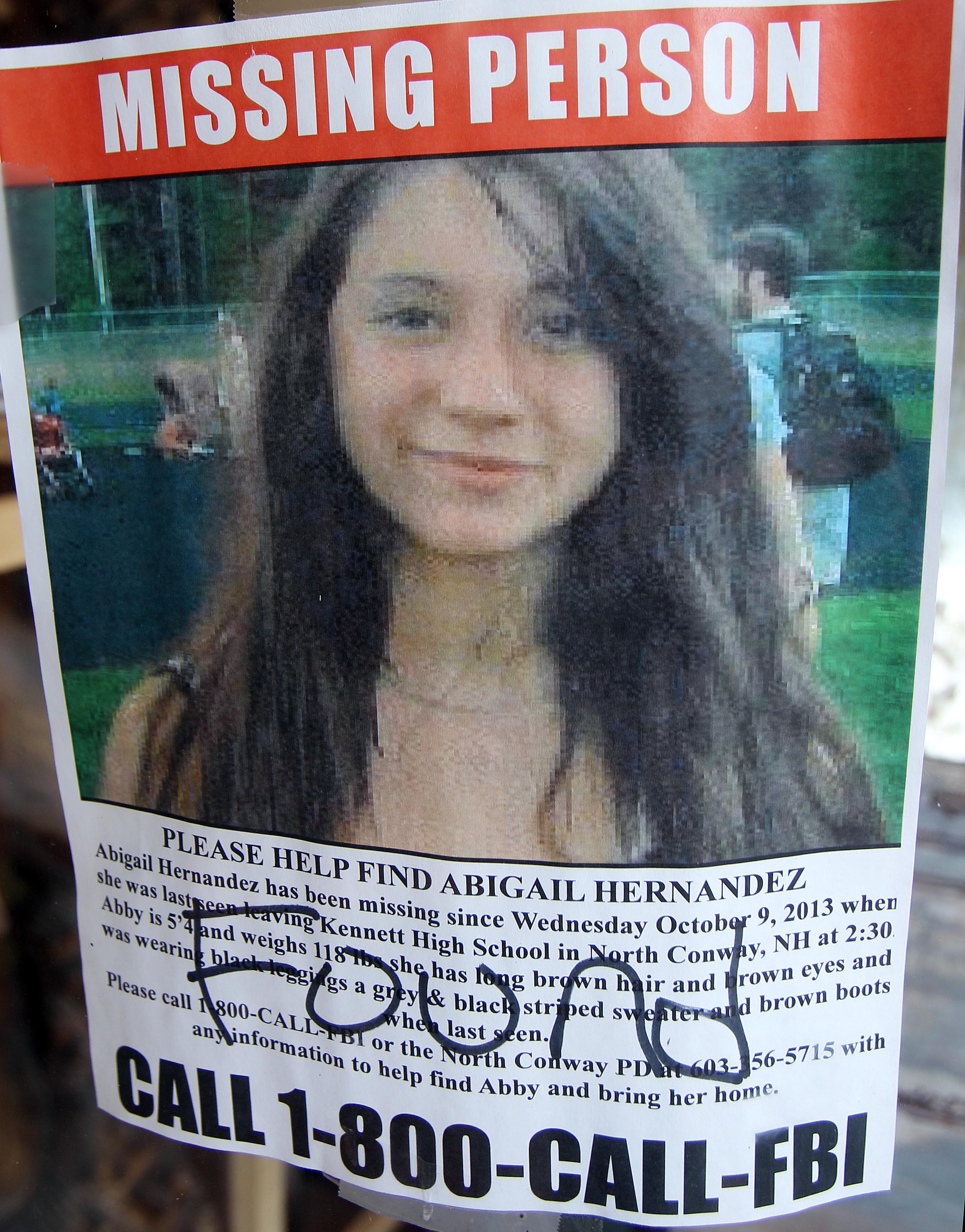
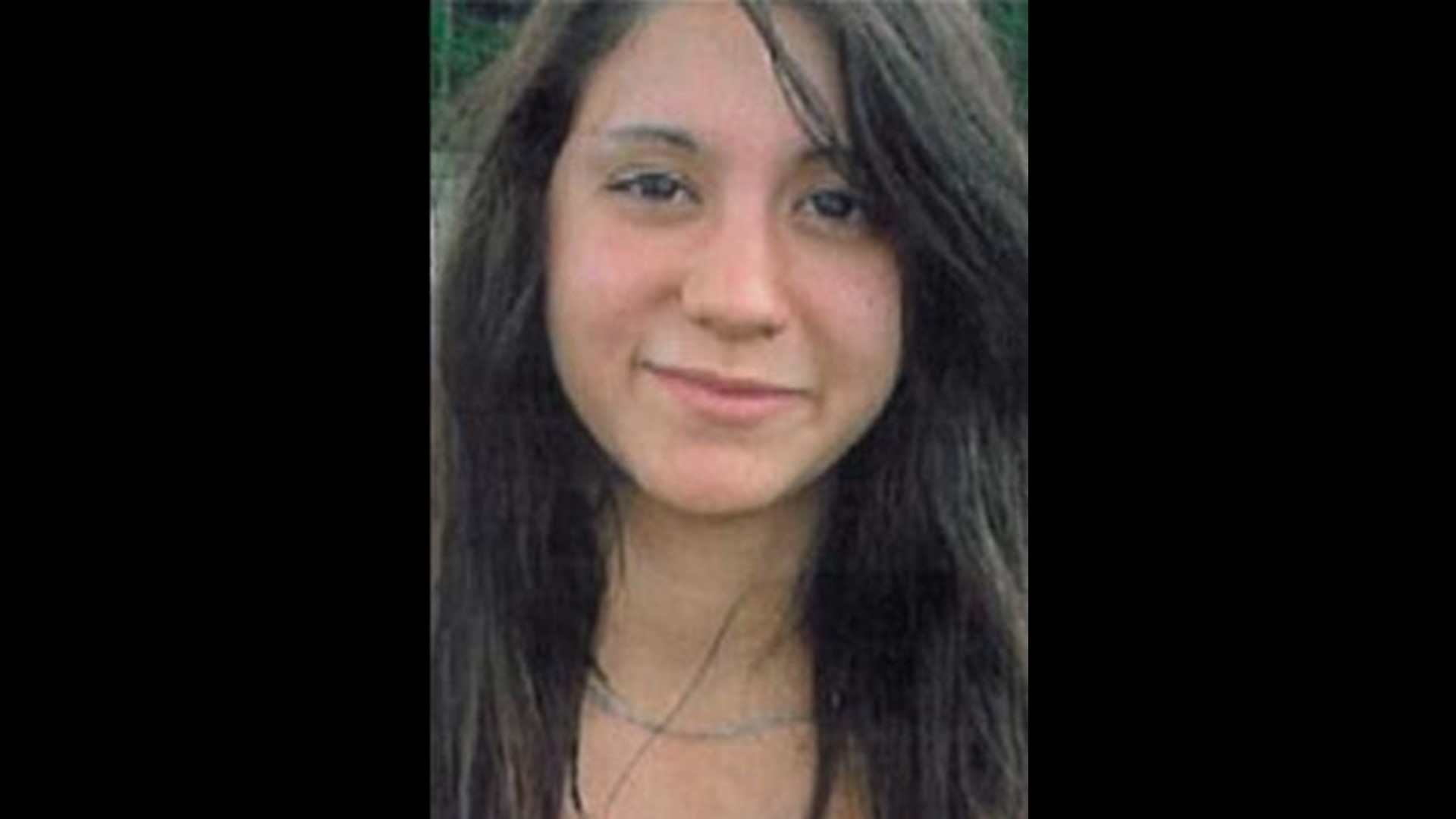
On the afternoon of October 9, 2013, Abigail "Abby" Hernandez, then a 14-year-old freshman at Kennett High School in North Conway, New Hampshire, began her routine walk home from school. She was last seen leaving the school grounds around 2:30 p.m. When she failed to arrive home, her mother, Zenya Hernandez, contacted local authorities, triggering an immediate and intensive search operation.
The investigation quickly scaled from local police to include the New Hampshire State Police and the FBI. Because North Conway is a community nestled in the White Mountains, search teams focused heavily on the surrounding woods and waterways. Thousands of flyers were distributed, and the case received national media attention. However, for months, the trail remained cold. Investigative leads were scarce, and despite several reported sightings, none led to her recovery. The primary difficulty for investigators was the lack of witnesses or digital footprints; Hernandez had sent a few text messages shortly after school, but her phone's signal ceased shortly thereafter, leaving a void that lasted nearly a year.
Nine Months of Captivity: The Shipping Container
Unbeknownst to the public and her family, Hernandez had been abducted by Nathaniel Kibby, a resident of nearby Gorham, New Hampshire. Kibby had intercepted her during her walk and transported her to his property, where he forced her into a specialized, soundproofed shipping container that he had outfitted as a cell. This container was hidden on his secluded property, making it nearly impossible for search parties or aerial surveillance to detect anything unusual.
The conditions of her captivity were harrowing. Hernandez was subjected to repeated physical and sexual abuse. However, what makes her case academically and legally significant is the psychological strategy she employed to survive. Recognizing that her life depended on the whims of her captor, she worked to humanize herself in his eyes. She engaged him in conversation, listened to his grievances, and built a complex rapport that experts often compare to survival-based bonding. By establishing this connection, she influenced Kibby’s perception of her, moving from being a "victim" to a "person" in his fractured moral framework.
This period of her life was characterized by extreme isolation and the constant threat of violence. The shipping container was not only a physical prison but a psychological one, designed to break the will of the occupant. Despite these conditions, Hernandez maintained her mental acuity, documenting her experiences mentally and looking for any possible window of opportunity for escape or release.
The Unexpected Release and Investigation
On July 20, 2014, nine months after she vanished, Abby Hernandez unexpectedly returned home. In a rare turn of events for such cases, her captor, Nathaniel Kibby, chose to drive her to a location near her home and let her go. He reportedly did so after she convinced him that she would not reveal his identity to the police—a promise made under duress to secure her freedom.
Her reappearance was met with a mixture of joy and intense scrutiny. Law enforcement worked closely with Hernandez to gather details about her captor and the location of her imprisonment. Despite the trauma she had endured, she provided critical information that allowed investigators to narrow down the search area. Using her descriptions of the interior of the container and the sounds she heard during her captivity, the FBI and state police executed a search warrant on Kibby’s property in Gorham on July 28, 2014.
The discovery of the shipping container provided the forensic evidence needed to confirm her story. Nathaniel Kibby was arrested without incident and charged with multiple counts, including kidnapping and aggravated felonious sexual assault. The physical evidence found on the property, combined with Hernandez’s detailed testimony, created a formidable case for the prosecution.
Legal Proceedings and Sentencing
The legal battle following Kibby's arrest was lengthy, as the defense raised questions regarding the nature of the relationship between the captor and the victim. However, the evidence of forcible abduction and the conditions of the "shed" were undeniable. In May 2016, Nathaniel Kibby entered a guilty plea to several charges, including:
- Kidnapping
- Aggravated felonious sexual assault
- Criminal threatening
- Witness tampering
Kibby was sentenced to 45 to 90 years in state prison. During the sentencing, the court acknowledged the extraordinary bravery Hernandez showed not only during her captivity but throughout the legal process. The sentence ensured that Kibby would likely spend the remainder of his life behind bars, providing a sense of closure to the criminal aspect of the case.
Life After Captivity: Recovery and Advocacy
Since 2016, Abby Hernandez has transitioned from a victim of a national tragedy to a vocal advocate for others. Her recovery process has been documented through various interviews, most notably with ABC News' 20/20, where she detailed the psychological mechanisms she used to stay alive. As of 2026, she continues to emphasize the importance of mental health support for survivors of prolonged trauma.
Hernandez has utilized her platform to speak about the realities of human trafficking and abduction, often correcting misconceptions about "Stockholm Syndrome." She argues that what is often labeled as sympathy for a captor is, in many cases, a calculated survival tactic. Her insights have been used by law enforcement and psychological professionals to better understand the behavior of victims in high-stress, long-term captivity scenarios.
In addition to her advocacy, Hernandez is an accomplished artist. She often uses her creative work to process her past and communicate themes of resilience and hope. By reclaiming her narrative, she has moved beyond the "girl in the shed" label, establishing an identity defined by her current contributions rather than her past victimization.
Key Milestones in the Abby Hernandez Case
| Date | Event | Significance |
|---|---|---|
| Oct 9, 2013 | Disappearance | Triggered a massive multi-agency search in New Hampshire. |
| July 20, 2014 | Return | Hernandez returned home after being released by her captor. |
| July 28, 2014 | Arrest | Nathaniel Kibby was arrested following a search of his property. |
| May 2016 | Sentencing | Kibby sentenced to 45–90 years in prison for his crimes. |
| Feb 2022 | Media Release | Lifetime movie "Girl in the Shed" premiered, increasing public awareness. |
| 2023–2026 | Advocacy Work | Hernandez focuses on public speaking and survivor support initiatives. |
Media Representation and Cultural Impact
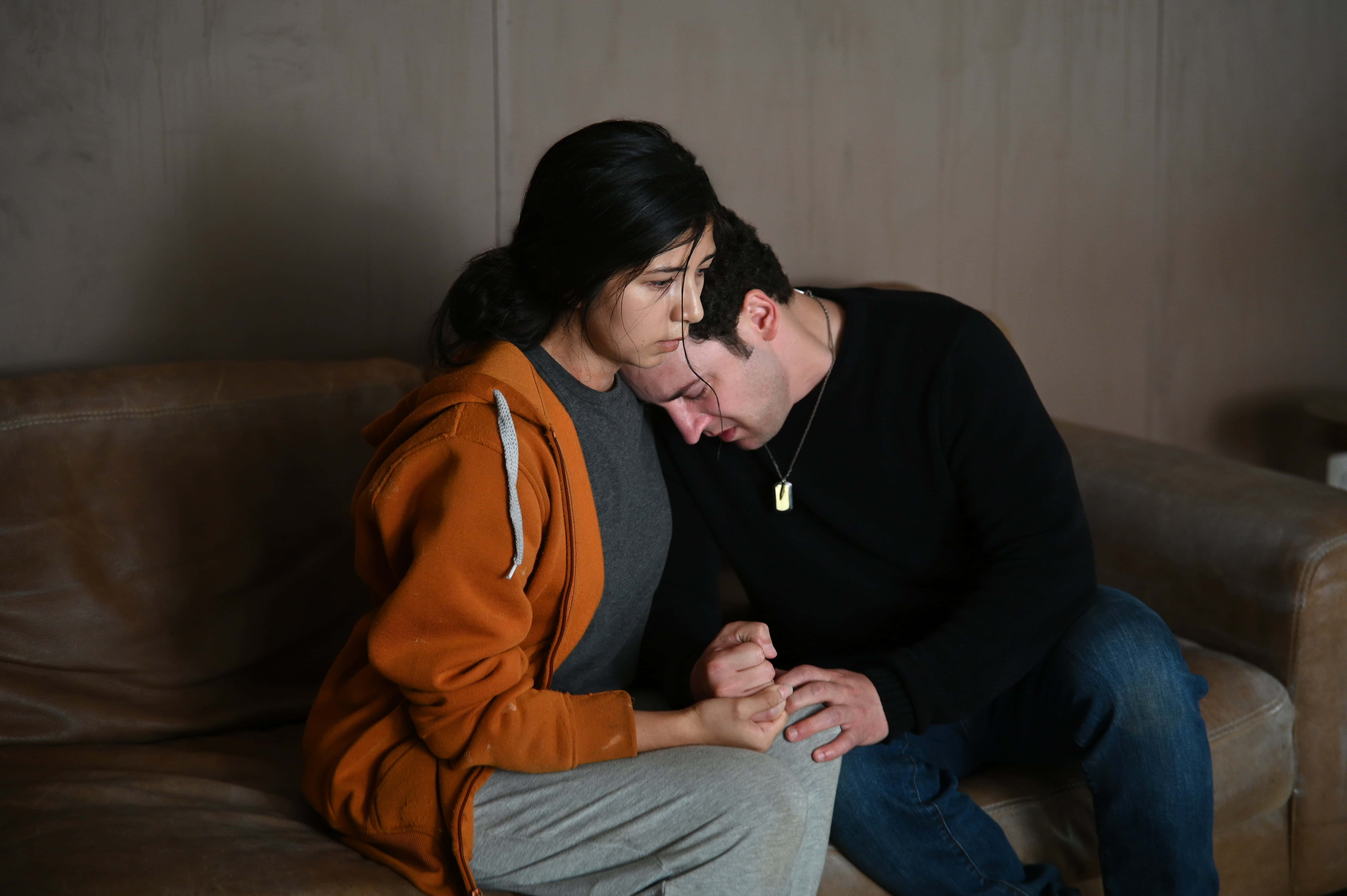
The case of Abby Hernandez has been the subject of significant media interest, which has helped keep the conversation about missing persons in the public eye. In 2022, the Lifetime network released the film Girl in the Shed: The Kidnapping of Abby Hernandez, for which Hernandez served as an executive producer. Her involvement was crucial to ensuring the film accurately portrayed the psychological nuances of her experience rather than focusing solely on the sensationalist aspects of the crime.
Her story has also been featured in numerous true-crime documentaries and news specials. These programs often highlight the "North Conway Strong" community spirit that emerged during her disappearance and the subsequent support she received upon her return. For many, Hernandez has become a symbol of hope—a reminder that even in the most dire circumstances, the human spirit can endure and eventually flourish.
Navigating the Path to Recovery
For those looking to support survivors of similar traumas or for survivors themselves, Hernandez’s journey highlights several critical components of recovery. Her case underscores that healing is not linear and requires a combination of professional intervention, community support, and personal agency.
- Specialized Trauma Therapy: Survivors of long-term captivity often require therapists trained specifically in complex PTSD (C-PTSD) and captive psychology.
- Reclaiming Agency: A central theme in Hernandez's life has been making her own choices—from the art she creates to the interviews she grants.
- Community Reintegration: The support of the North Conway community was vital in providing a safe environment for her to return to after her ordeal.
- Advocacy as Healing: For many survivors, turning their pain into a platform for helping others serves as a powerful tool for finding meaning in their experiences.
As we look at her status in 2026, Abby Hernandez remains a testament to the fact that the end of a kidnapping is only the beginning of a new chapter. Her work continues to provide a roadmap for others navigating the difficult terrain of post-traumatic growth.
Frequently Asked Questions
Who is Abby Hernandez?
Abby Hernandez is a survivor from New Hampshire who was kidnapped at age 14 in 2013. She was held for nine months before being released by her captor in 2014. She is now an artist and advocate for trauma survivors.
How did Abby Hernandez survive her captivity?
Hernandez survived by utilizing psychological tactics to humanize herself to her captor, Nathaniel Kibby. She engaged him in conversation and built a rapport that discouraged him from killing her, a strategy she later explained was essential for her survival.
What happened to Nathaniel Kibby?
Nathaniel Kibby was arrested in July 2014. In 2016, he pleaded guilty to kidnapping and sexual assault, among other charges. He was sentenced to 45 to 90 years in prison and remains incarcerated as of 2026.
Is there a movie about Abby Hernandez?
Yes, a film titled Girl in the Shed: The Kidnapping of Abby Hernandez was released in 2022 on the Lifetime network. Abby Hernandez was involved in the production as an executive producer to ensure the story's accuracy.
Where is Abby Hernandez now?
As of 2026, Abby Hernandez lives as a private citizen while maintaining a public presence as a speaker and artist. She continues to work with organizations that support missing and exploited children and trauma recovery.
Resources for Survivors and Families
If you or someone you know is dealing with the aftermath of trauma or searching for a missing loved one, several national organizations provide support and resources. The National Center for Missing & Exploited Children (NCMEC) offers comprehensive services for families, while organizations like RAINN provide specialized support for survivors of sexual violence. Engaging with these established institutions ensures access to verified information and professional assistance tailored to the unique needs of survivors.