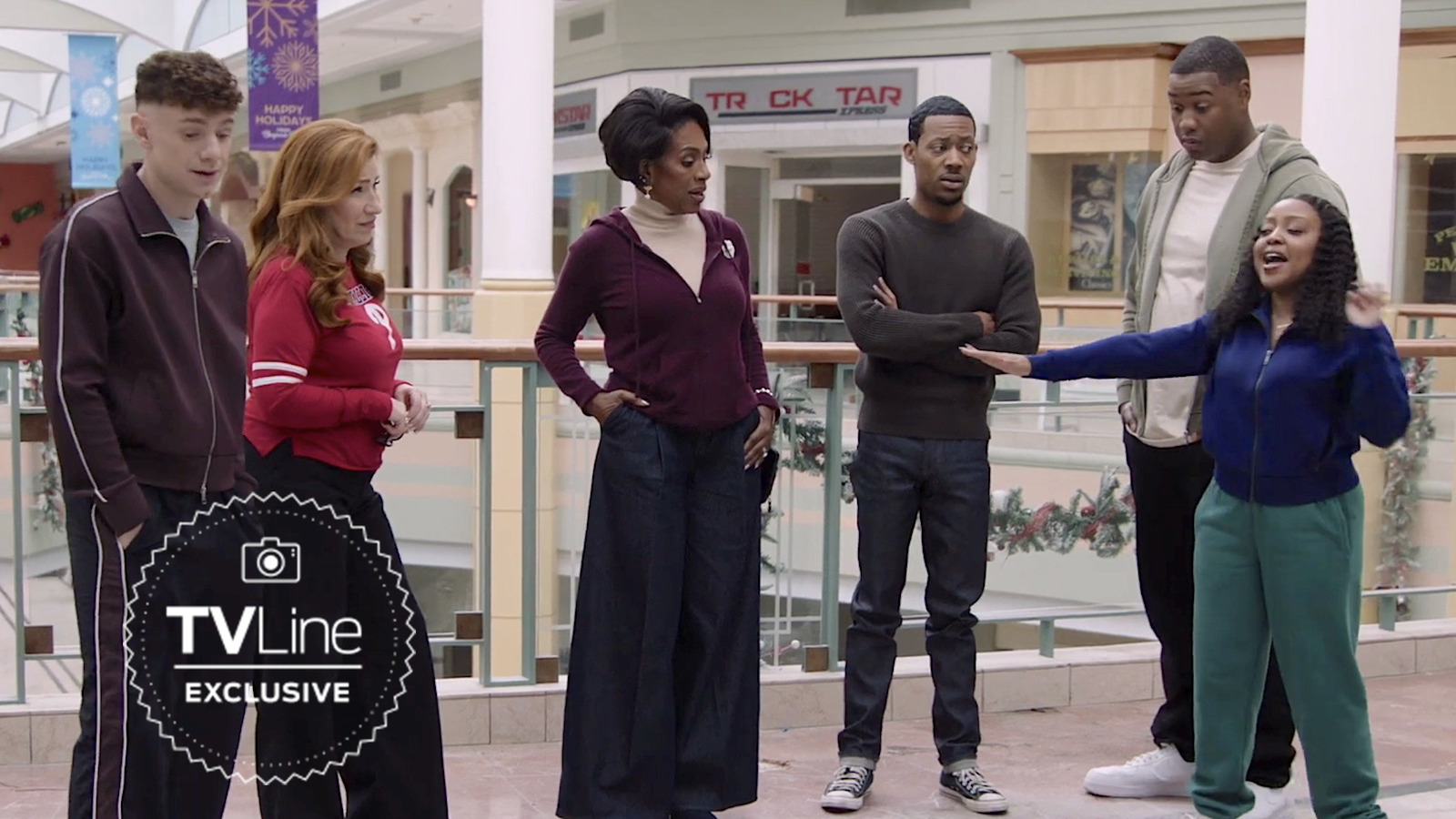
Abbott Elementary captures its authentic Philadelphia public school environment primarily through soundstages at Warner Bros. Studios in Burbank alongside select Southern California exterior locations. While urban exploration enthusiasts often investigate vacant retail properties and commercial spaces used across television production, accessing active or decommissioned set sites requires understanding legal permits, safety hazards, and studio security protocols.
Production Footprint: How Abbott Elementary Built Its World
The Emmy-winning mockumentary series Abbott Elementary, created by Quinta Brunson, is celebrated for its grounded, realistic depiction of an underfunded public school in Philadelphia. However, like many major network television productions, the vast majority of the series is filmed in Southern California. The production balances controlled studio soundstages with practical exterior locations to recreate the texture of an East Coast educational facility.
- Abbott Elementary Production Footprint
- Warner Bros. Studios - Burbank
- Classroom Sets & Hallways
- Cafeteria & Faculty Lounge
- Controlled Lighting & Sound
- Exterior Location - Compton, CA
- Main Building Façade
- School Yard & Parking Areas
- Architectural Anchoring
- Warner Bros. Studios - Burbank
Primary interior filming takes place on soundstages at Warner Bros. Studios in Burbank, California. Production designers meticulously constructed interconnected hallway corridors, classroom spaces, administrative offices, and the central faculty lounge. This layout allows camera operators to execute long, continuous tracking shots that mirror real documentary filmmaking styles. The design team deliberately chose specific color palettes—faded blues, institutional yellows, and muted greens—along with distressed linoleum flooring and fluorescent lighting fixtures to mimic a building constructed in the mid-20th century that has undergone decades of piecemeal repairs.
For exterior establishing shots, the production utilized Enterprise Middle School in Compton, California, standing in for the fictional Willard R. Abbott Elementary School in Philadelphia. Location teams selected this facility due to its brick façade, courtyard layout, and architectural features that closely resemble traditional urban public school buildings found in the Mid-Atlantic region. Supplemental second-unit photography takes place in Philadelphia itself, capturing authentic footage of SEPTA buses, local streetscapes, neighborhood landmarks, and seasonal weather changes that are seamlessly edited into episodes to maintain geographical credibility.
The Role of Vacant Commercial Properties and Malls in Film Production
Television location managers frequently utilize decommissioned commercial spaces, including vacant shopping malls, disused office complexes, and repurposed industrial parks across Los Angeles County. Large-scale retail structures offer unique practical advantages for television and film crews:
- Sprawling Square Footage: Vacant department stores and mall corridors provide thousands of square feet of uninterrupted, high-ceiling space ideal for set builds, equipment staging, talent holding, and production offices.
- Controlled Environmental Conditions: Unlike active public spaces, empty commercial buildings allow location teams to shoot without disturbing local foot traffic or commercial operations.
- Structural Flexibility: Production designers can erect temporary drywall partitions, construct mock storefronts, or reconfigure interior layout configurations without permanent structural alterations.
- Sound and Lighting Insulation: Large indoor enclosures allow gaffers and sound engineers to control ambient audio and artificial lighting regardless of outside daylight conditions.
One prominent example of a vacant commercial property used extensively by Hollywood is the Hawthorne Plaza Mall in Hawthorne, California. Built in the late 1970s and closed to the public in 1999, this multi-level retail facility became one of Southern California's most famous filming locations and urban exploration points of interest. It has served as a backdrop for high-budget films, music videos, and television sequences requiring abandoned or modified interior environments.
When location crews adapt vacant retail structures for television shoots—whether for large community events, field trip sequences, or pop-up sets—they work alongside structural engineers, environmental safety inspectors, and local fire marshals. Temporary electrical distribution systems, portable HVAC units, and heavy-duty rigging grids are brought in to transform static, empty concrete shells into compliant, functional shooting environments.
Behind-the-Scenes Location Safety vs. Unauthorized Urban Exploration
The intersection between television location scouting and urban exploration (UrbEx) often leads to significant misconceptions. Urban exploration involves individuals trespassing into abandoned, derelict, or off-limits man-made structures to photograph or investigate the spaces. While UrbEx video content frequently highlights abandoned filming locations, the operational reality of a studio-sanctioned location shoot contrasts sharply with unauthorized entry.
Studio Hazard Mitigation Protocols
Before any production crew enters a vacant retail space or decommissioned building, the studio conducts rigorous environmental testing and remediation. Empty commercial buildings built prior to the 1990s often contain latent environmental hazards, including:
- Asbestos and Mold: Aging insulation, ceiling tiles, and water-damaged drywall can release airborne spores or hazardous fibers if disturbed.
- Structural Instability: Neglected roofs, water intrusion, and rotted subflooring pose collapse risks.
- Hazardous Materials: Legacy electrical transformers, ballasts, or abandoned commercial refrigerants require containment.
Production companies hire certified industrial hygienists to abate structural hazards, seal off dangerous areas, reinforce compromised walkways, and establish clear emergency egress routes. Furthermore, studios obtain temporary permits from local municipality building safety departments, install temporary fire suppression systems, and post licensed safety marshals throughout the site during shooting hours.
- Pre-Production Hazard Assessment
- Environmental Testing & Abatement (Asbestos, Lead Paint, Mold)
- Structural & Fire Safety Rigging (Temporary Lighting, Egress)
- Municipal Permits & Security (FilmLA, On-Site Guards, Alarms)
The Legal and Physical Risks of Unauthorized UrbEx
In contrast to permitted film crews, urban explorers who trespass on active, former, or abandoned filming locations face severe physical dangers and legal liability. Decommissioned properties are monitored continuously by private security services, remote motion-activated camera networks, and local law enforcement agencies.
Under laws such as California Penal Code 602 (Trespassing), unauthorized entry onto private commercial property, gated studio backlots, or leased location sites is a criminal offense that can result in citations, physical arrest, vehicle impoundment, and substantial monetary fines. Additionally, property owners and production companies hold strict zero-tolerance policies regarding unauthorized site access due to premises liability risks.
From a safety perspective, entering unmitigated abandoned locations without structural clearance, proper atmospheric monitoring equipment, or professional personal protective equipment (PPE) exposes individuals to structural floor failures, exposed high-voltage electrical lines, broken glass, open elevator shafts, and toxic atmospheric contaminants.
Comparing Authorized Filming Locations and Urban Exploration Sites
Understanding how professional film sets differ from unauthorized urban exploration targets helps clarify the operational boundaries of television production.
| Assessment Aspect | Authorized Studio Filming Location | Unauthorized Urban Exploration Site |
|---|---|---|
| Legal Status & Access | Full municipal permits, explicit owner consent, legal lease agreements | Unauthorized entry, civil trespass, criminal misdemeanor liability |
| Environmental Safety | Mandatory asbestos, lead, and mold testing and professional abatement | High risk of toxic exposure, loose asbestos, mold, and industrial waste |
| Structural Integrity | Certified by structural engineers; hazardous zones cordoned off | Unmonitored floor deterioration, ceiling collapses, open shafts |
| Security Measures | 24/7 contracted security guards, perimeter fencing, safety marshals | Motion sensors, silent alarms, guard dog patrols, law enforcement response |
| Infrastructure & Utilities | Temporary generator power, industrial HVAC, temporary fire systems | No lighting, disabled emergency exits, zero active utilities or communication |
| Insurance Coverage | Multi-million dollar commercial general liability and worker protection | Zero coverage; personal liability for damages, injuries, or rescue costs |
| Site Impact | Reversible set dressing, site restoration post-wrap, clean removal | Property damage, vandalism risks, potential criminal mischief charges |
Safe, Legal Alternatives for Television and Location Fans
Fans of Abbott Elementary and television production design who are interested in exploring how sets are created do not need to risk illegal trespassing or dangerous urban exploration. Several safe, fully legal avenues exist to gain authentic behind-the-scenes insights:
Authorized Studio Tours
Because Abbott Elementary films primarily on the Warner Bros. lot in Burbank, visiting official studio facilities provides direct exposure to active soundstages, standing backlot sets, and prop archives:
Warner Bros. Studio Tour Hollywood: Located in Burbank, California, this guided experience offers fans access to real soundstage exteriors, property department archives, interactive set displays, and detailed explanations of multi-camera and single-camera production techniques.
Behind-the-Scenes Exhibits: Studios frequently rotate costume displays, production floor plans, and prop collections from ongoing series, offering authentic insight into practical set construction.
Legal Ways to Explore Film Locations
- Warner Bros. Studio Tour
- Official Backlot Access
- Real Props & Soundstages
- FilmLA Permit Database
- Verify Exterior Sites
- Public Sidewalk Viewing
- Public Architecture Tour
- Explore Public Sites
- Historical Context
- Warner Bros. Studio Tour
Public Architecture and Location Scouting Resources
For enthusiasts interested in the practical exterior locations featured in television production, location tracking can be conducted entirely from public rights-of-way:
- FilmLA Permit Records: The official film office for the City and County of Los Angeles publishes public notification data regarding film permits, allowing location enthusiasts to research historic shooting zones legally.
- Public Street Access: Exterior locations used for establishing shots—such as public school façades or municipal streets in Compton and Los Angeles—can be viewed safely from public sidewalks without entering private property or disrupting operating facilities.
- Philadelphia Architectural Landmarks: Visitors to Philadelphia can tour real public educational buildings, historical school structures, and civic architecture across the city that inspired the show's visual design.
Recommended Action Steps for Location Enthusiasts
To safely explore film production history without breaking laws or exposing yourself to environmental hazards, follow this structured approach:
- Research Official Filming Records: Consult verified studio press kits, production designer interviews in trade publications (such as Variety or The Hollywood Reporter), and location manager profiles to learn where specific interior and exterior sets were built.
- Book Authorized Studio Access: Schedule visits through official studio tour programs (such as Warner Bros. Studio Tour Hollywood) to view actual soundstage facilities, prop departments, and backlot streets safely.
- Respect Property Boundaries: When visiting exterior street locations used in establishing shots, remain strictly on public sidewalks. Do not cross fences, enter active school grounds, or trespass on private commercial property.
- Follow Official Media Channels: Network releases, behind-the-scenes featurettes, and audio commentaries from show creators provide far deeper technical insight into camera work, set dressing, and location choices than unauthorized trespass videos can offer.
FAQs
Where is Abbott Elementary filmed?
Abbott Elementary is primarily filmed on soundstages at Warner Bros. Studios in Burbank, California, where interior sets such as classrooms, hallways, and the faculty lounge are constructed. Exterior shots of the school façade are filmed at Enterprise Middle School in Compton, California, supplemented by second-unit establishing footage shot on location in Philadelphia, Pennsylvania.
Did Abbott Elementary film inside an abandoned shopping mall?
Major studio productions frequently utilize vacant commercial facilities or disused retail centers across Los Angeles County for specialized set builds, staging, or holding areas. However, primary interior sets for Abbott Elementary are custom-built, controlled soundstage environments engineered specifically for single-camera mockumentary production.
Is urban exploration legal at abandoned filming locations?
No, urban exploration on private commercial property, decommissioned retail sites, or studio backlots without explicit written owner permission and municipal permits constitutes illegal trespassing. Trespassers face criminal citations, arrests, fines, and serious physical safety risks from unmitigated environmental and structural hazards.
How can fans see the actual sets used in Abbott Elementary?
Fans can book official studio experiences, such as the Warner Bros. Studio Tour Hollywood in Burbank, California. These authorized tours offer rare behind-the-scenes access to studio soundstages, backlot street sets, prop departments, and official production exhibits in a safe and legal environment.
Safely Exploring Television History and Production Locations
Investigating how iconic shows like Abbott Elementary bring their worlds to life highlights the remarkable craftsmanship of Hollywood location managers, production designers, and safety teams. Transforming plain soundstages and practical exterior locations into an authentic Philadelphia elementary school requires extensive engineering, artistic detail, and environmental management. By relying on official studio tours, public location archives, and verified production resources, fans and media researchers can enjoy behind-the-scenes access while respecting property boundaries and physical safety standards.