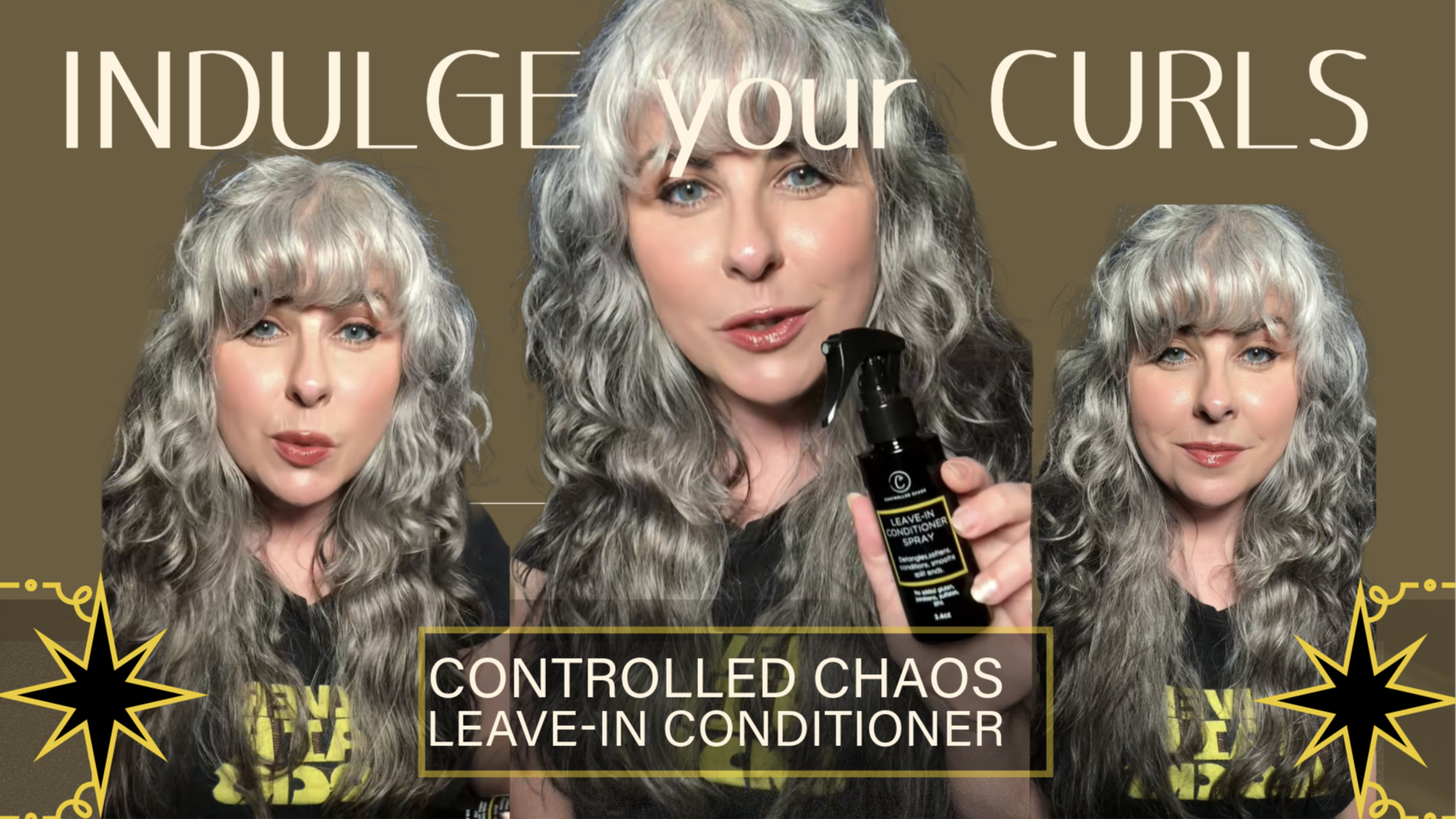
Abbey Yung’s viral method for achieving soft, shiny hair is not a kitchen DIY recipe, but a strategic product-layering routine grounded in cosmetic science. By combining a light, high-slip leave-in conditioner on damp hair with a silicone-based oil or serum to lock in moisture, this technique smooths the hair cuticle, reduces friction, and enhances natural light reflection without causing heavy product buildup.
The Concept: Product Cocktailing vs. Kitchen DIY Recipes
When searching for the Abbey Yung leave-in conditioner soft shiny hair recipe, many people expect a homemade concoction made from olive oil, honey, or avocado. However, trichology practitioner and cosmetic science advocate Abbey Yung explicitly advises against applying raw kitchen ingredients to the hair. Raw food items contain molecules too large to penetrate the hair shaft, lack proper emulsifiers, and can create a stubborn film that attracts dirt and causes buildup.
Instead, the "recipe" refers to a precise method of cosmetic product cocktailing and layering. This approach uses scientifically formulated products containing hydrolysed proteins, silicones, quaternary ammonium compounds (polyquats), and humectants. These ingredients are chemically engineered to bond temporarily to damaged areas of the hair cuticle, fill microscopic gaps, and seal in water content.
The core principle behind this routine relies on two fundamental steps:
- Hydration and Detangling (Water + Humectants + Cationic Surfactants): Applying a liquid or cream leave-in conditioner to soaking-damp hair to bind moisture to the hair shaft.
- Sealing and Cuticle Smoothing (Emollients + Occlusives/Silicones): Following up with a lightweight, protective hair oil or silicone serum to lock in that hydration, smooth out the cuticle scales, and boost shine.
The Science of Softness and Shine: Key Ingredients
Achieving high shine and touchable softness requires an understanding of how light interacts with the hair fiber. Shine occurs when the outer layer of the hair—the cuticle—lies flat and smooth, creating a mirror-like surface that reflects light evenly. When hair is dry, damaged, or raised due to high porosity, light scatters, making the hair look dull and frizzy.
- Rough Cuticle (Dull/Frizzy): Light Scatters
- Smooth Cuticle (Shiny/Soft): Light Reflects
To achieve optimal smoothing, Yung’s routine relies on specific functional ingredient categories found in modern leave-in conditioners and serums:
1. Humectants
Humectants draw moisture from the environment or surrounding dampness into the hair shaft.
- Glycerin: A classic, highly effective humectant that draws water into the cortex.
- Propylene Glycol & Panthenol (Pro-Vitamin B5): Deeply penetrating agents that increase elasticity and help hair retain moisture without weighing it down.
2. Cationic Surfactants and Conditioners
Hair naturally carries a negative electrical charge, particularly when damaged or chemically treated. Conditioning agents carry a positive charge (cationic).
- Behentrimonium Chloride & Cetrimonium Chloride: These positively charged compounds adhere directly to damaged, negatively charged patches on the hair cuticle. They reduce static, eliminate friction between strands, and provide immediate slip for easy detangling.
3. Silicones and Emollients
Silicones are often misunderstood in viral trend culture, but they are central to Yung’s science-backed recommendations for smooth, shiny hair.
- Amodimethicone: A smart silicone that selectively targets heavily damaged areas of the hair cuticle, forming a thin protective coating without layering on top of itself or causing heavy buildup.
- Dimethicone & Cyclopentasiloxane: Lightweight silicones that coat the hair strand to seal in moisture, protect against humidity-induced frizz, and provide thermal protection against hot tools.
Step-by-Step Guide: How to Execute the Method
To replicate this leave-in conditioning technique at home, follow this step-by-step application order. Timing and hair wetness play crucial roles in how well the products absorb and perform.
- Step 1: Cleanse & Condition
- Step 2: Apply Leave-In to Damp Hair
- Step 3: Comb & Heat Protect
- Step 4: Seal Ends with Oil/Serum
Step 1: Start with Properly Cleansed Hair
Leave-in conditioners and oils cannot perform efficiently if applied over existing product buildup. Wash your hair using a well-formulated shampoo. If you frequently use heavy styling products or silicones, integrate a clarifying shampoo once a week or every two weeks to reset the hair surface. Follow with a standard rinse-out conditioner or bonding mask, rinsing thoroughly.
Step 2: Towel-Dampen Gently
Avoid aggressively rubbing your hair with a standard cotton towel, which roughs up the cuticle layer and induces frizz. Instead, gently squeeze out excess water using a microfiber towel or an old cotton T-shirt. Hair should remain thoroughly damp—not dripping wet, but wet enough that the leave-in product can easily emulsify and distribute.
Step 3: Apply the Spray or Cream Leave-In Conditioner
Divide your hair into two sections (left and right). Spray or work your chosen leave-in conditioner evenly from the mid-lengths down to the ends.
- For fine hair, focus primarily on liquid spray formulas.
- For coarse, dry, or thick hair, a richer leave-in cream or a combination of spray and cream works best.
- Keep leave-in conditioners away from the root area to avoid flattening scalp volume.
Step 4: Detangle with a Wide-Tooth Comb or Flexible Brush
Gently comb through your hair starting at the ends and working your way up to the roots. This ensures every individual strand receives a thin coating of the leave-in conditioner and prevents localized product buildup.
Step 5: Seal with a Silicone-Based Hair Oil or Serum
While the hair is still damp (or right after rough-drying, depending on your hair's density), dispense 1 to 3 drops of a lightweight hair oil or silicone serum into your palms. Rub your hands together to spread the product evenly, then rake it through the bottom third of your hair. This locks the moisture from the leave-in conditioner inside the hair shaft and seals the cuticle shut as it dries.
Product Combinations and Alternatives
Choosing the right pairing depends on your budget, hair texture, and porosity. Below is a comparative breakdown of top-performing leave-in conditioners and sealing oils that fit into the Abbey Yung framework.
| Product Type | Product Name | Key Ingredients | Best Hair Type | Core Benefit |
|---|---|---|---|---|
| Leave-In Spray | Pureology Color Fanatic Multi-Tasking Leave-In | Xylose, Camelina Oil, Coconut Oil | All Hair Types (Especially Color-Treated) | Provides 21 benefits, exceptional thermal protection, and rapid detangling. |
| Leave-In Spray | Redken One United Multi-Benefit Spray | Lactic Acid, Coconut Oil, Cationic Polymers | Fine to Medium Hair | Lightweight formula that softens without weighing hair down. |
| Leave-In Cream | L'Oréal Paris EverPure 21-in-1 Color Caring Spray | Plant Protein, Coconut Oil | Medium to Coarse Hair | Budget-friendly option providing intense smoothing and moisture retention. |
| Sealing Oil/Serum | Kérastase Elixir Ultime L'Huile Originale | Argan Oil, Camellia Oil, Cyclopentasiloxane | Medium to Thick Hair | Delivers high gloss, heat protection up to 450°F, and instant softness. |
| Sealing Oil/Serum | Olaplex No. 7 Bonding Oil | Bis-Aminopropyl Diglycol Dimaleate, Dimethicone | Damaged or Bleached Hair | Rebuilds disulfide bonds while adding a non-greasy, reflective shine layer. |
| Sealing Oil/Serum | Verb Ghost Oil | Bamboo Extract, Hydrolyzed Soy Protein, Dimethiconol | Fine to Normal Hair | Extremely lightweight formula that vanishes into strands while controlling frizz. |
Customizing the Routine for Your Hair Type
Not all hair textures respond identically to conditioning cocktails. Adjusting product weights prevents fine strands from collapsing while ensuring thick strands receive adequate hydration.
Fine or Low-Porosity Hair
Fine hair is easily weighed down by heavy plant oils (such as unrefined coconut, shea, or castor oil). Low-porosity hair has tightly sealed cuticle scales that resist product absorption, making heavy creams sit on the surface like a greasy film.
- Strategy: Opt for water-based, spray-format leave-in conditioners containing lighter silicones like Amodimethicone or Cyclopentasiloxane. Use only 1 drop of a lightweight, vanishing hair oil (such as Verb Ghost Oil) strictly on the last two inches of your ends.
Thick, Coarse, or High-Porosity Hair
High-porosity hair features open or damaged cuticles that absorb moisture quickly but lose it just as fast. Coarse hair strands require more lipid replacement to feel soft to the touch.
- Strategy: Use a multi-tier layering approach. Apply a hydrating leave-in spray first, followed immediately by a buttery leave-in cream. Seal the system with a richer silicone-oil blend (such as Kérastase Elixir Ultime) while hair is still damp to lock water inside the cortex.
Common Mistakes That Cause Dullness and Buildup
Even when using high-quality products, improper application techniques can yield disappointing results. Avoid these common pitfalls:
Applying Products to Completely Dry, Dirty Hair: Applying leave-in conditioners to dry hair without refreshing it with water first locks out moisture. Leave-in formulations rely on water content to spread smoothly and bind to the hair shaft. Always apply to damp hair or lightly mist your hair with water before reapplication.
Avoiding Silicones out of Misguided Fear: Silicones are often blamed for hair dryness, but cosmetic science demonstrates that water-soluble or easily cleansed silicones are unmatched for reducing cuticle friction and preventing mechanical damage. Skipping silicones often leads to increased breakage and dull-looking strands.
Applying Conditioning Products to the Scalp: Leave-in conditioners and hair oils are formulated for the hair shaft, not the scalp. Applying these formulations directly to the roots clogs hair follicles, accelerates oiliness, and creates scalp irritation. Keep products at least 2 to 3 inches away from the scalp.
Failing to Clarify Regularly: Layering leave-in conditioners, heat protectants, and sealing oils every week without periodic deep cleansing leads to cumulative buildup. When buildup occurs, hair becomes stiff, resists moisture, and looks dull regardless of how much leave-in product you apply.
Frequently Asked Questions
Can I mix leave-in conditioner and hair oil together in my hands before applying?
While you can mix them in your palms (a technique known as "cocktailing"), layering them sequentially yields better results. Applying the leave-in conditioner first allows water-soluble humectants to hydrate the hair shaft. Applying the oil second forms an effective occlusive barrier over top to trap that moisture.
Can I make a DIY leave-in conditioner at home using kitchen ingredients?
It is not recommended. Homemade DIY mixtures using ingredients like avocado, food-grade oils, or raw honey lack preservatives, making them prone to bacterial growth. Furthermore, raw oils cannot penetrate the hair cuticle as effectively as cosmetic-grade, micro-emulsified formulas and can prove difficult to wash out.
How often should I use Abbey Yung's leave-in conditioning method?
This layering method should be used every time you wash your hair, typically 2 to 4 times a week depending on your scalp type. If you dry-style your hair between washes, you can reapply a single drop of hair oil to dry ends daily to maintain shine and control friction.
Will this routine protect my hair from heat styling damage?
Many recommended leave-in conditioners (such as Pureology Color Fanatic) and sealing oils contain built-in thermal protectants. However, you must verify that your specific leave-in product explicitly states heat protection on the label if you plan to use blow dryers, flat irons, or curling wands immediately afterward.
What is the difference between a rinse-out conditioner and a leave-in conditioner?
Rinse-out conditioners have higher concentrations of heavy surfactants meant to be flushed away with water. Leaving them in hair can cause irritation, limpness, and sticky buildup. Leave-in conditioners are specifically formulated with lower molecular weight ingredients and lighter film-formers meant to remain on the hair safely without weighing it down.
How to Maintain Softness and Long-Term Hair Health
To get the most out of this routine, focus on consistent hair care habits alongside your product layering:
- Incorporate a Weekly Clarifying Wash: Use a chelating or clarifying shampoo once every 7 to 14 days to remove hard water minerals and residual silicone buildup. Follow immediately with a deep conditioning mask.
- Protect Hair While Sleeping: Friction against traditional cotton pillowcases creates micro-tears in the cuticle, counteracting the effects of your leave-in products. Switch to a silk or satin pillowcase, or wear a satin bonnet to keep hair smooth overnight.
- Trim Damaged Ends Regularly: Leave-in conditioners mask split ends temporarily by smoothing down the cuticle, but they cannot permanently seal broken hair fibers. Get regular trims every 8 to 12 weeks to keep ends healthy.
By pairing modern cosmetic formulations with proper application timing, you can achieve touchable softness, reduced frizz, and long-lasting shine.