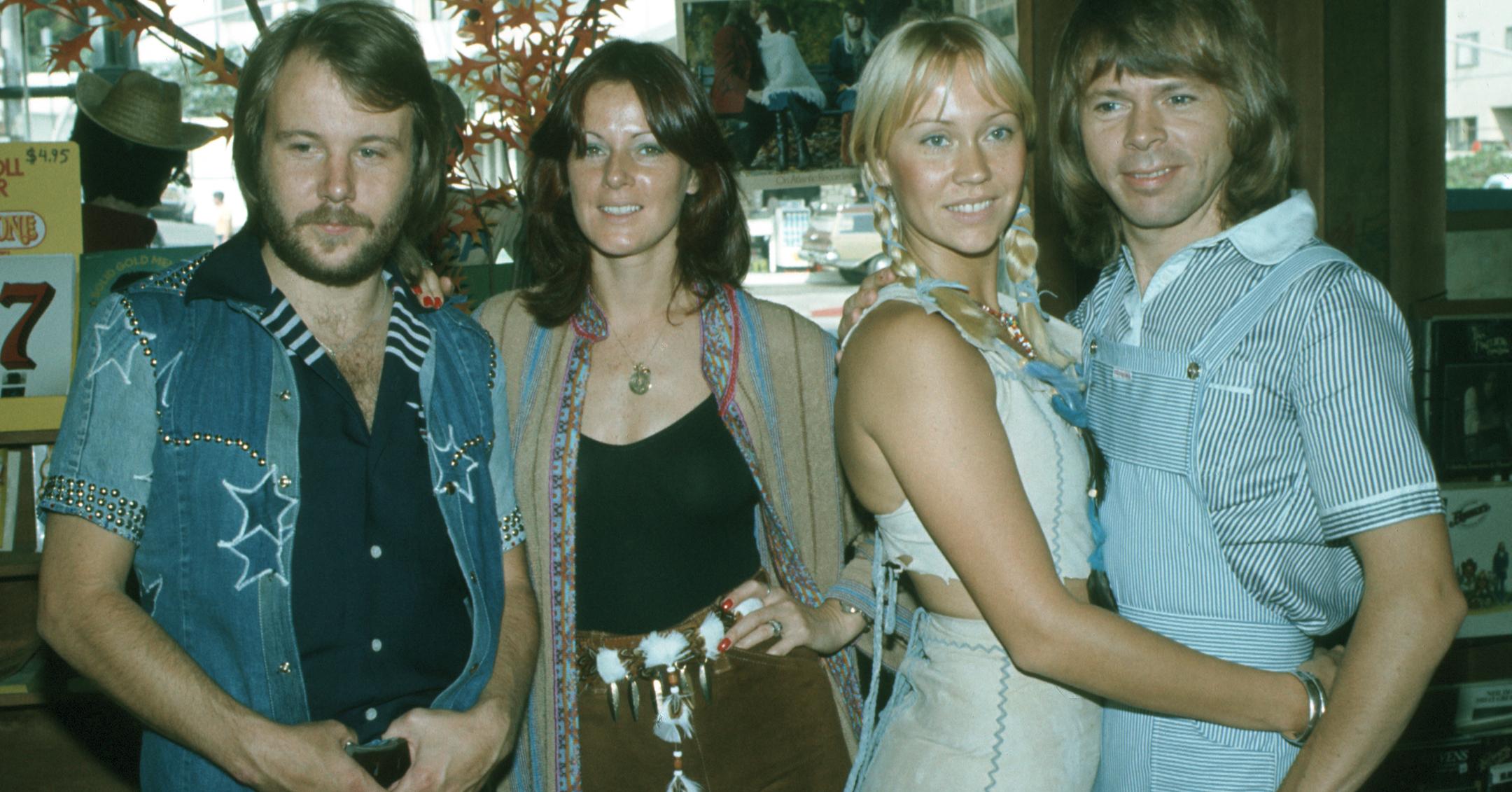
As of 2026, the four members of ABBA—Agnetha Fältskog, Björn Ulvaeus, Benny Andersson, and Anni-Frid Lyngstad—each maintain an individual net worth estimated between $200 million and $300 million. Their collective empire, bolstered by the massive success of the "ABBA Voyage" digital residency and decades of royalties, is valued well in excess of $1 billion.
The financial narrative of ABBA is a rare example of a "long-tail" investment in the music industry. Unlike many groups that fade into obscurity after their peak, ABBA’s brand has seen a compounding effect over the last 50 years. This growth is driven by three primary pillars: the perennial popularity of their music catalogue, the global theatrical success of the Mamma Mia! franchise, and the pioneering "ABBA Voyage" virtual concert series in London, which has revolutionized the concept of legacy performances.
The Resurgence of a Global Empire: ABBA in 2026
Entering 2026, the financial status of ABBA is stronger than at any point since the group’s initial heyday in the 1970s. While they officially disbanded in 1982, the group never fully "disappeared" from the financial charts. The 2021 release of their final studio album, Voyage, and the subsequent opening of the ABBA Voyage residency in London, provided a significant boost to their already substantial fortunes.
The group’s wealth is not merely a product of past record sales. It is a sophisticated business operation involving publishing rights, real estate, and tech-driven entertainment. The "Voyage" show, featuring digital "Abbatars," has been grossing an estimated $2 million per week since its inception. By maintaining a controlling interest in these ventures, the four members have ensured that their wealth continues to grow even as they enter their late 70s and early 80s.
Individual Breakdowns: The Wealth of Each Member
While the four members of ABBA shared the stage, their financial portfolios have evolved differently over the decades due to their varied roles in songwriting, production, and personal investments.
Benny Andersson
Benny Andersson, often cited as one of the wealthiest members, owes much of his fortune to his role as a primary songwriter. Along with Björn Ulvaeus, Benny composed nearly all of ABBA’s hits. This grants him a significantly higher share of publishing royalties compared to the vocalists. Beyond ABBA, Benny’s company, Mono Music, handles his various musical projects, including film scores and his Swedish folk band, Benny Anderssons Orkester. His meticulous management of his creative rights has made him a titan of the Swedish music industry.
Björn Ulvaeus
Björn Ulvaeus has transitioned into a high-level entrepreneur and tech investor. As the other half of the songwriting duo, his royalty income is immense. However, Björn’s recent wealth growth is tied to Pophouse Entertainment, a company he co-founded. Pophouse is responsible for the ABBA Museum in Stockholm and has been aggressive in acquiring the catalogues of other artists, such as KISS and Cyndi Lauper. Björn’s ability to merge music with technology and hospitality (including the "Mamma Mia! The Party" dining experiences) has diversified his portfolio far beyond traditional music sales.
Anni-Frid (Frida) Lyngstad
Anni-Frid’s net worth is influenced by both her musical career and her personal life. In 1992, she married Prince Heinrich Ruzzo Reuss of Plauen. While the Prince passed away in 1999, Frida inherited a significant estate, which, combined with her ABBA royalties, solidified her position as a high-net-worth individual. Frida has been highly selective about her public appearances and investments, focusing on environmental philanthropy while maintaining a robust financial portfolio that benefits from the group's global resurgence.
Agnetha Fältskog
Agnetha Fältskog has historically preferred a quieter, more private life on her estate in Ekerö, Sweden. Despite her relative seclusion compared to the others, her financial standing remains elite. As a performer and one of the most recognizable voices in pop history, she earns substantial royalties from the group’s master recordings and the use of her likeness. Her 2023 solo project, A+, further contributed to her earnings, proving that her brand remains commercially viable on a global scale.
Revenue Streams: How ABBA Stays Top of the Charts
The sustained wealth of ABBA is built on a "tripartite" revenue model that ensures consistent cash flow across different media formats.
- Music Publishing and Master Royalties: Every time "Dancing Queen" is played on the radio, streamed on Spotify, or used in a commercial, the group earns. With billions of streams across platforms, these "passive" earnings are estimated to be in the tens of millions annually.
- The Mamma Mia! Franchise: The stage musical Mamma Mia! has been seen by over 65 million people worldwide in over 50 productions and 16 languages. The two feature films grossed a combined $1 billion at the box office. As executive producers and rights holders, the members receive a percentage of the gross revenue from these productions.
- Experiential Entertainment: The ABBA Museum and "Mamma Mia! The Party" are physical locations that generate daily revenue. These assets represent a shift from selling records to selling "experiences," which are less susceptible to the volatility of the digital music market.
The "ABBA Voyage" Phenomenon and Its Financial Impact
The most significant development in ABBA's financial landscape in the 2020s has been the ABBA Voyage residency in London. Built at a cost of approximately £140 million ($175 million), the custom-built ABBA Arena was a massive financial gamble that has paid off handsomely.
| Financial Metric | Estimated Value/Impact | Description |
|---|---|---|
| Initial Investment | £140 Million | Cost of technology, arena construction, and development. |
| Weekly Gross Revenue | ~$2 Million | Ticket sales and merchandise for the London residency. |
| Occupancy Rate | 99% | Average ticket sales performance since opening. |
| Ancillary Income | $30-50 per person | Revenue from food, beverages, and high-end merchandise. |
| Future Expansion | Multi-City Plans | Proposals for identical arenas in Las Vegas, Singapore, and Sydney. |
The "Abbatars" represent a revolutionary intellectual property (IP) play. Because the performers do not need to be physically present, the show can technically run indefinitely, providing a perpetual income stream with lower overhead costs than a live touring act once the initial capital is recouped.
Comparing ABBA's Wealth to Other Music Legends
To understand the scale of ABBA's success, it is helpful to compare their financial standing with other icons of their era. While bands like The Beatles or The Rolling Stones have massive valuations, ABBA’s wealth is unique because it is split equally among four members who have maintained a cohesive brand strategy for five decades.
Unlike many legacy acts that sold their publishing rights for a lump sum (such as Bob Dylan or Bruce Springsteen), ABBA has historically kept a tighter grip on their IP. This decision has allowed them to capture the full upside of the streaming revolution and the Mamma Mia! boom. By retaining control, they have built a multi-generational brand that appeals to both the original fans from the 1970s and younger "Gen Z" listeners who discovered them through TikTok and social media trends.
Strategic Asset Management and Future Projections
As we look toward the remainder of 2026, the members of ABBA are focusing on long-term legacy management. Their wealth is now managed through various trusts and sophisticated holding companies. Björn Ulvaeus, in particular, has been vocal about the importance of "future-proofing" the band's legacy.
The next phase of their financial growth is expected to come from the international licensing of the Voyage technology. By franchising the digital show to other major cities, the group can generate hundreds of millions in licensing fees without the physical strain of touring. This "software-as-a-service" (SaaS) approach to music performance is a first for the industry and ensures that the "ABBA Net Worth" will likely continue to climb well into the 2030s.
Why ABBA's Financial Model Works
- Total Control: By owning their production company and holding onto publishing rights, they avoid the "middleman" fees that drain other artists.
- Brand Protection: They rarely license their music for purposes that might cheapen the brand, maintaining a "premium" status.
- Innovation: They were early adopters of music videos in the 70s and digital avatars in the 20s.
FAQ
Who is the richest member of ABBA?
While all four are multi-millionaires, Benny Andersson and Björn Ulvaeus are generally considered the wealthiest. This is primarily because they wrote the majority of the band's music, granting them the lion's share of songwriting and publishing royalties, which are often more lucrative than performance royalties over time.
Did ABBA lose money in the 1970s?
Yes, during the peak of their initial fame, ABBA faced significant financial hurdles due to Sweden's extremely high tax rates (which could exceed 80% for high earners). They famously wore their iconic flamboyant costumes partly because Swedish law allowed them to be tax-deductible if they were too "outrageous" to be worn as everyday street clothes.
Does ABBA still earn money from the Mamma Mia! movies?
Absolutely. As rights holders of the music and executive producers of the films, the members receive ongoing royalties from streaming, television broadcasts, and DVD sales of both Mamma Mia! (2008) and Mamma Mia! Here We Go Again (2018).
How much does ABBA Voyage make?
The London residency grossed over $150 million in its first year alone. With high occupancy rates and a dedicated arena that minimizes travel and logistics costs, the profit margins are significantly higher than traditional live tours.
Are the members of ABBA billionaires?
While the collective value of the ABBA brand and its various holdings (publishing, Pophouse, etc.) exceeds $1 billion, the individual net worth of each member is typically estimated to be in the $200 million to $300 million range. They are "brand billionaires" but "individual multi-millionaires."
Navigating the ABBA Legacy Today
For fans and investors interested in the business of music, ABBA serves as the ultimate case study in brand longevity. The best way to engage with their current era is through the "ABBA Voyage" experience in London or by visiting the ABBA Museum in Stockholm. These venues offer a direct look at how the group has successfully commodified their history into a modern, high-tech enterprise. As they continue to expand their digital presence, the group’s financial influence is set to remain a cornerstone of the global entertainment economy throughout 2026 and beyond.