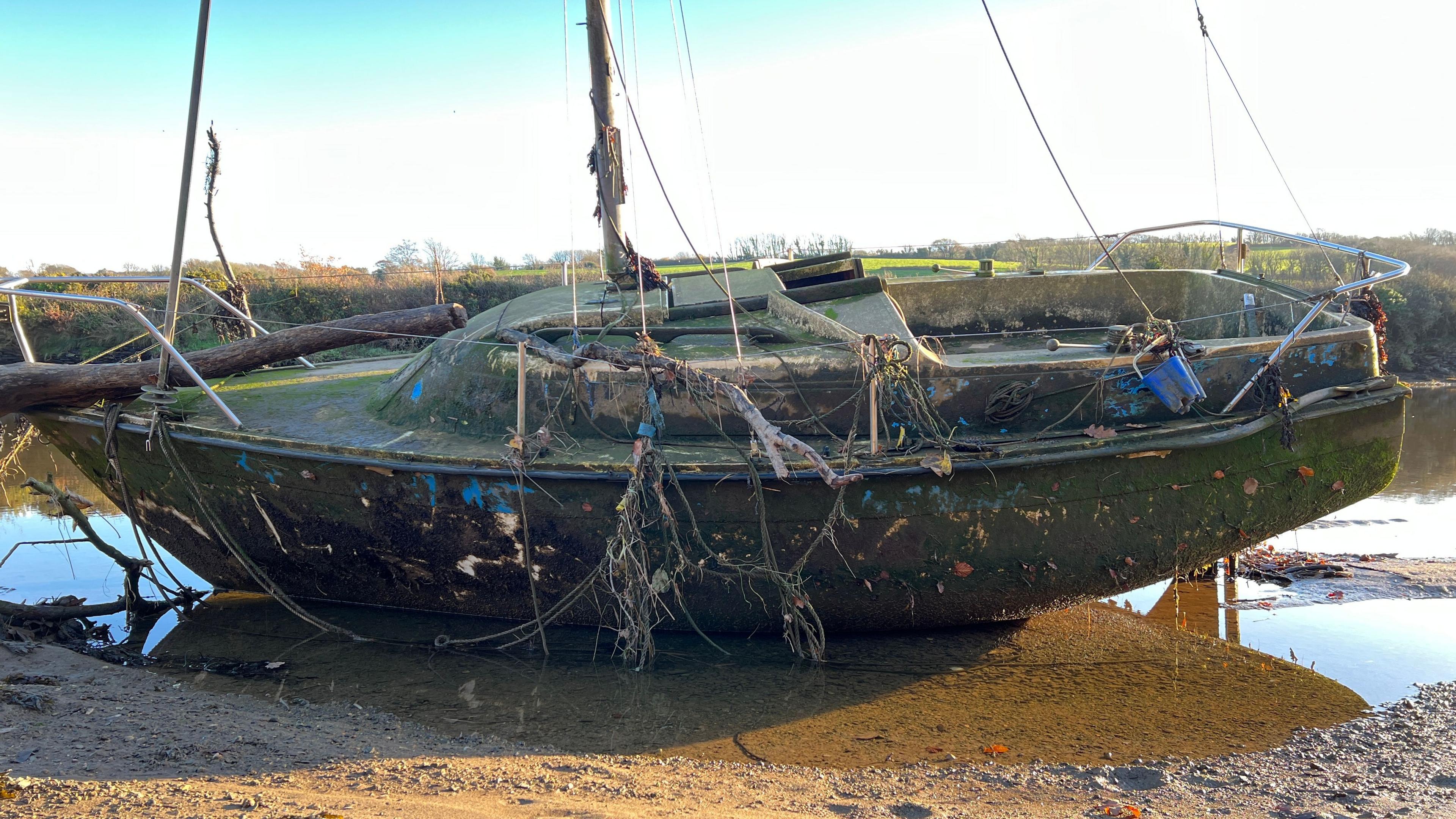
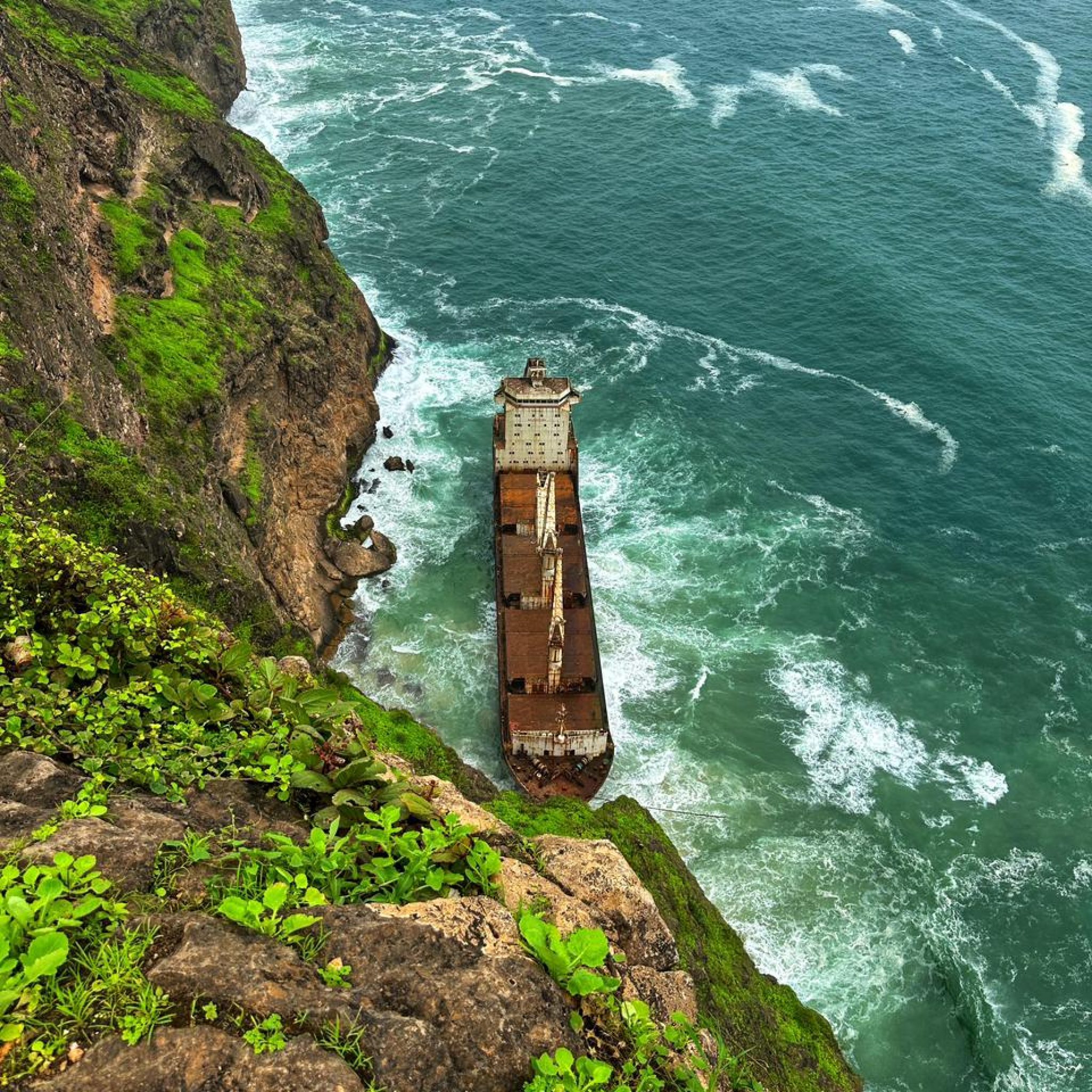
An abandoned vessel is any watercraft left on public waters or private property without the owner’s consent for a duration exceeding local statutory limits, often ranging from 30 to 90 days. Managing these vessels involves a complex intersection of maritime law, environmental protection protocols, and local law enforcement procedures to determine ownership, mitigate environmental hazards, and execute safe removal.
Defining the Abandoned Vessel: Legal and Technical Distinctions
As of 2026, the maritime industry and coastal authorities distinguish strictly between "abandoned" and "derelict" vessels, though the terms are often used interchangeably by the public. An abandoned vessel is primarily defined by the intent of the owner. It is a craft where the owner has relinquished all rights, titles, and interests without vesting them in any other person. This is often evidenced by the vessel being left moored or anchored in a single location for an extended period without maintenance or use.
In contrast, a derelict vessel is one that is not only abandoned but is also in a significant state of decay, sinking, or is a hazard to navigation. Legal definitions are critical because they dictate which government agencies have the authority to intervene. For instance, the U.S. Coast Guard (USCG) may only prioritize a vessel if it poses a direct threat to federal navigation channels or causes a significant oil spill, whereas local marine police or state wildlife agencies handle the "nuisance" aspect of an aesthetically decaying boat.
The determination of abandonment usually relies on a set of criteria:
- Duration: The vessel has remained in a specific location for a timeframe exceeding state or local laws.
- Condition: The vessel is inoperable, lacks current registration, or shows signs of neglect (e.g., barnacle growth above the waterline, tattered canvas).
- Consent: The vessel is located on property (submerged land or docks) where the owner of that property has not granted permission for its presence.
The Environmental and Economic Impacts of Vessel Abandonment
The presence of abandoned vessels in 2026 continues to pose a severe threat to marine ecosystems. When a boat is left to rot, it becomes a leaking vessel of hazardous materials. Lead-acid batteries, fuel tanks containing degraded gasoline or diesel, mercury switches, and asbestos insulation are common in older models. As the hull integrity fails, these toxins leach directly into the water column, affecting local fish populations and sensitive habitats like seagrass beds and coral reefs.
Beyond chemical pollution, physical damage is a major concern. Abandoned vessels that break free from their moorings during storms can collide with bridges, docks, or healthy vessels, causing millions of dollars in infrastructure damage. Furthermore, a sunken vessel can scour the seabed, destroying benthic communities.
Economically, the burden of removal almost always falls on the taxpayer. The cost of extracting a medium-sized fiberglass cabin cruiser can range from $3,000 to over $20,000, depending on its location and state of decay. Specialized salvage equipment, such as crane barges and commercial divers, is required to lift a vessel without it breaking apart and spreading debris further. In 2026, many states have increased vessel registration fees specifically to fund "Abandoned and Derelict Vessel" (ADV) programs to offset these rising industrial costs.
Jurisdictional Oversight and Reporting Procedures
Determining who is responsible for an abandoned vessel depends heavily on its location. If a vessel is found on the high seas or in a primary federal channel, it falls under federal jurisdiction, often involving the National Oceanic and Atmospheric Administration (NOAA) or the USCG. However, the vast majority of abandoned vessels are found in state-controlled coastal waters or inland lakes.
To report a vessel in 2026, individuals should follow a tiered contact strategy:
- Local Marine Patrol/Sheriff: This is the first point of contact for vessels near public docks or shorelines. They can check the Hull Identification Number (HIN) against registration databases to contact the last known owner.
- State Environmental Agency: If the vessel is leaking fluids, the state’s department of environmental protection or wildlife commission must be notified to contain the spill.
- National Response Center (NRC): For significant pollution events in navigable waters, the NRC (operated by the USCG) is the primary federal reporting point.
It is vital for citizens to avoid boarding or attempting to move an abandoned vessel themselves. These structures are often structurally unsound, and "finders-keepers" does not apply to maritime property without a rigorous legal process. Unauthorized boarding can lead to charges of trespassing or vessel theft.
The Legal Process for Removing and Disposing of Abandoned Craft
Once a vessel is officially reported, a legal clock begins. Authorities do not simply tow the boat away immediately; they must provide due process to the owner, even if that owner appears to have disappeared.
The standard procedure usually involves:
- Identification and Notification: Authorities attempt to find the owner via the HIN or registration numbers. A physical notice is often "posted" on the vessel itself, and a certified letter is sent to the last known address.
- Wait Period: Owners are typically given 15 to 30 days to remove the vessel or contest the abandonment status.
- Declaration of Abandonment: If the owner fails to respond or cannot be found, the vessel is legally declared abandoned. At this point, the state or a designated contractor can take possession.
- Disposal or Auction: If the vessel has value, it may be auctioned to recover costs. However, most abandoned vessels are in such poor condition that they are transported to a specialized facility for hazardous material remediation and hull crushing.
Comparison of State-Level Abandoned Vessel Programs (2026 Data)
Different jurisdictions have varying levels of funding and legal frameworks for handling these cases. The table below compares the approaches of several major coastal regions.
| Feature | Florida (FWC) | California (DBW) | Washington (DNR) | Maryland (DNR) |
|---|---|---|---|---|
| Primary Funding Source | Vessel registration fees & General Fund | Abandoned Watercraft Abatement Fund | Derelict Vessel Removal Account | State Boat Act Fund |
| Grace Period for Owner | 21 Days | 10–30 Days | 30 Days | 30 Days |
| Vessel Turn-In Program? | Yes (VTIP) | Yes (SAVE) | Yes (DVRP) | Limited/Grant-based |
| Max Penalty for Owner | $5,000 + Removal Costs | Misdemeanor + Costs | $1,000 per day | $1,000 + Costs |
| Enforcement Priority | High (High storm risk) | High (Environmental) | Moderate (Navigation) | Moderate (Estuary health) |
Can You Claim Ownership of an Abandoned Vessel?
A common misconception is that finding an abandoned boat gives the finder an automatic right to title it. This is false. In nearly every jurisdiction, the state owns the "right of first refusal" or the vessel must go through a public auction.
If a private citizen wishes to claim a vessel, they must usually follow a "Lien Sale" or "Found Property" statute. This involves:
- Reporting the find to the local police or maritime authority.
- Paying for an advertisement in a local newspaper for several weeks to notify the public.
- Conducting a title search to ensure there are no existing bank liens or salvage claims.
- Applying for a new title after the statutory waiting period (often 6 months to a year) has passed without a claim from the original owner.
Prospective owners should be cautious. The cost of bringing an abandoned vessel up to USCG safety standards often exceeds the market value of the boat. Furthermore, if the vessel was involved in a crime or has significant unpaid marina fees, the new owner could inherit a legal nightmare.
Prevention and Proper Vessel Turn-In Programs
To combat the rising number of abandoned boats, many states have introduced "Vessel Turn-In Programs" (VTIP). These initiatives allow owners of unwanted or non-functional vessels to surrender them to the state for free or at a reduced cost before they become a legal liability.
In 2026, these programs are seen as a cost-saving measure for the government. It is significantly cheaper for a state to crush a boat brought to a facility on a trailer than it is to raise a sunken boat from the bottom of a bay. Owners who utilize these programs are protected from future liability and avoid the heavy fines and criminal records associated with illegal abandonment.
FAQs About Abandoned Vessels
What should I do if a boat is abandoned on my private dock?
You cannot legally take ownership or destroy the boat immediately. You must contact your local law enforcement or marine authority to start an official abandonment investigation. In many states, you may eventually be able to file a "mechanic’s lien" or "storage lien" to gain the title if the owner fails to pay for the space the boat is occupying, but this requires a specific legal filing process through the court system.
Is it illegal to abandon a vessel?
Yes. In most jurisdictions, abandoning a vessel on public or private property is a criminal offense, often categorized as a misdemeanor or a "vessel-specific" civil violation. Owners can be held liable for all removal and environmental cleanup costs, which can reach tens of thousands of dollars. Failure to pay these costs can result in the suspension of driver’s licenses or the placement of liens on other property.
Does maritime salvage law allow me to keep an abandoned boat?
Not usually. Modern salvage law, governed by the International Convention on Salvage, generally entitles a salvor to a "salvage reward" (a percentage of the vessel's value) rather than the vessel itself. To claim a boat via salvage, you must prove you saved it from "peril" and then file a claim in an admiralty court. This is a complex and expensive legal process that is rarely applicable to small abandoned recreational craft.
How do I know if a boat is truly abandoned?
Only a law enforcement officer or a representative of a state maritime agency can officially declare a vessel abandoned. However, common signs include a lack of current registration stickers, significant marine growth on the hull, a lack of lines or anchors, and a vessel that is taking on water or sitting low in the water column.
What happens to a boat after the state removes it?
Most abandoned vessels are beyond repair. After the legal notice period expires, the vessel is typically towed to a demolition site. Hazardous materials like fuel, oil, and batteries are removed and recycled. The hull is then crushed and sent to a landfill. If the boat is in exceptionally good condition, it may be sold at a public auction to help replenish the state's derelict vessel removal fund.
Proactive Steps for Property Owners and Boaters
If you encounter an abandoned vessel, the most effective next step is to document the situation and notify the authorities. Take clear photographs of the vessel’s name, registration numbers (usually located on the bow), and its current condition. Note the exact GPS coordinates or nearby landmarks.
For boat owners who can no longer maintain their craft, the recommendation is to seek out a certified vessel disposal program or donate the vessel to a legitimate charity that accepts boats. Abandoning a vessel not only destroys the environment but also leaves the owner vulnerable to lifelong financial and legal repercussions. By following established disposal routes, you protect the waterways and your own financial standing.