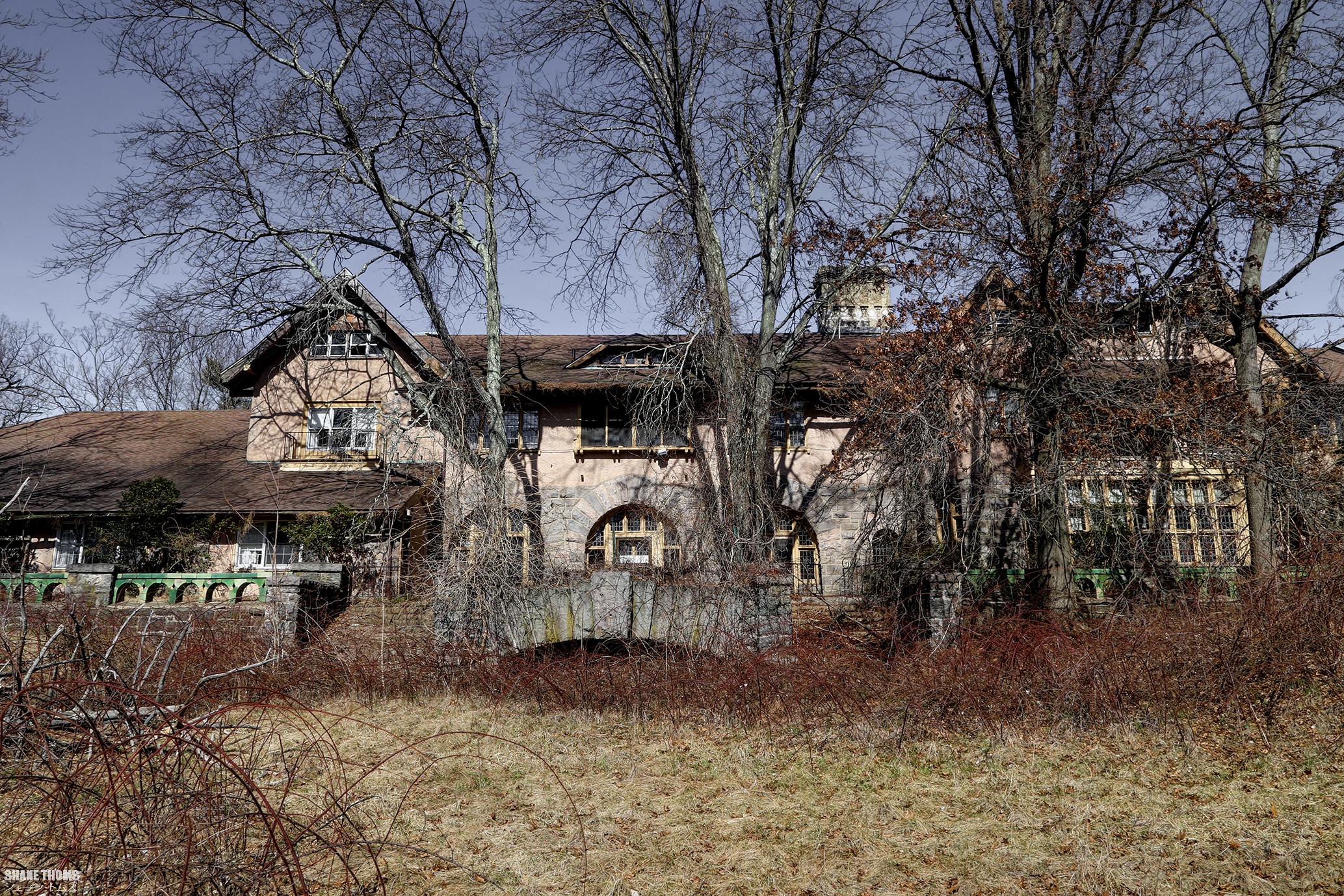
Purchasing an abandoned New York mansion in 2026 requires a high-risk, high-reward strategy that balances historical preservation with extreme financial due diligence. Prospective buyers must navigate significant structural decay, complex "landmark" regulations, and specialized financing challenges, as these properties are often ineligible for traditional mortgages due to their uninhabitable condition.
The allure of a derelict Gilded Age estate or a crumbling Hudson Valley manor is a recurring theme in the New York real estate market. However, the gap between a romanticized restoration project and the logistical reality of New York’s regulatory and environmental landscape is vast. As we look at the market in 2026, the inventory of "abandoned" mansions has shifted from the traditional ruins of the early 20th century to include more recent architectural casualties of economic shifts. For the serious investor or the dedicated preservationist, understanding the specific risks—legal, physical, and fiscal—is the first step toward a successful acquisition.
The Landscape of New York’s Abandoned Estates
New York State possesses one of the highest concentrations of historical "white elephants" in the United States. These properties are typically clustered in three distinct geographic regions: the "Gold Coast" of Long Island, the Hudson Valley, and the rural Adirondacks or Catskills. Each region presents a different profile of abandonment.
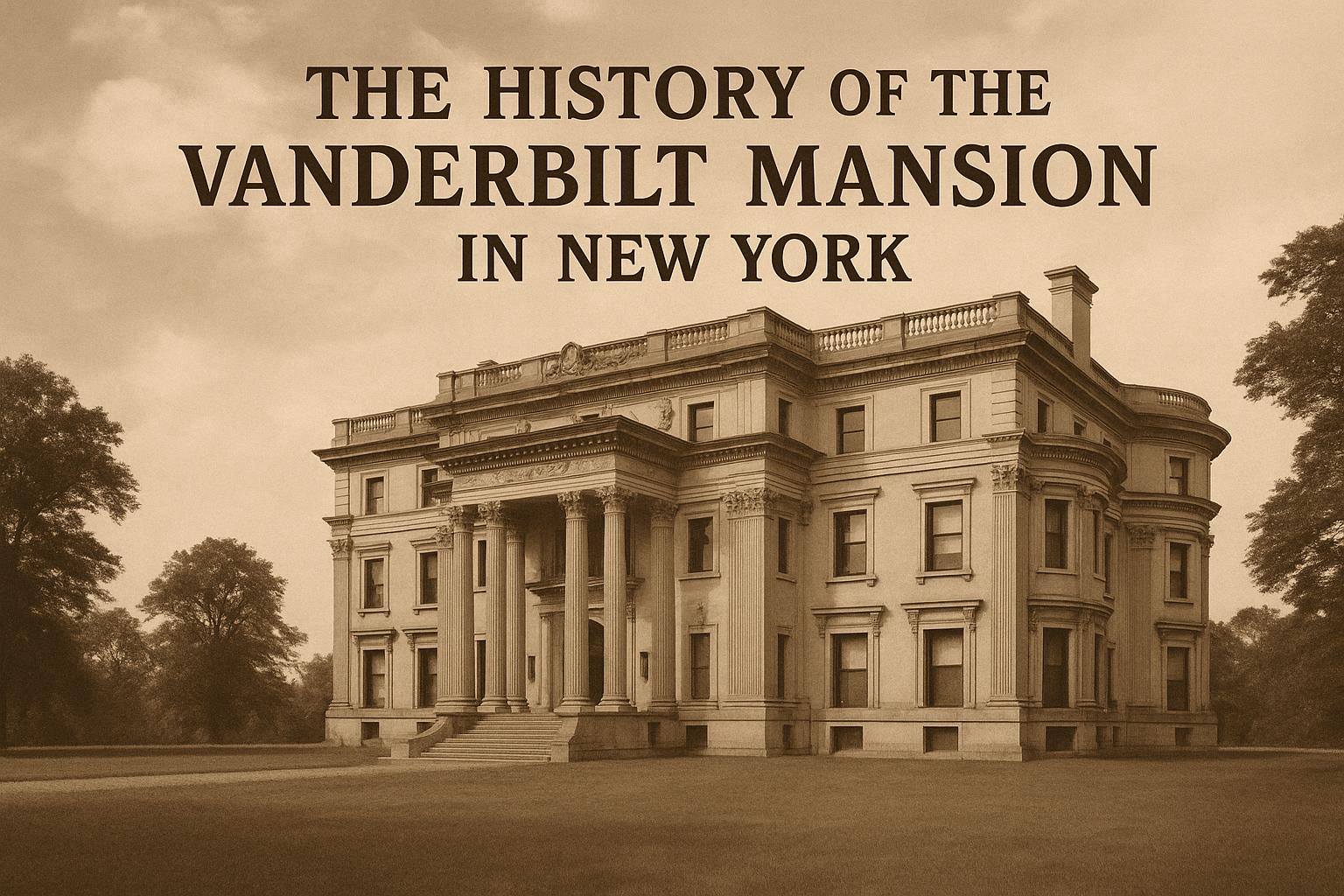
In the Gold Coast, mansions often sit on prime real estate where the land value eventually exceeds the value of the structure. Here, abandonment is frequently a precursor to "demolition by neglect," where owners wait for the building to become structurally unsound enough to bypass historical preservation laws and subdivide the land. Conversely, in the Hudson Valley, many abandoned mansions are the result of failed institutional uses—former schools, sanitariums, or religious retreats—that have reverted to private or bank-owned inventory.
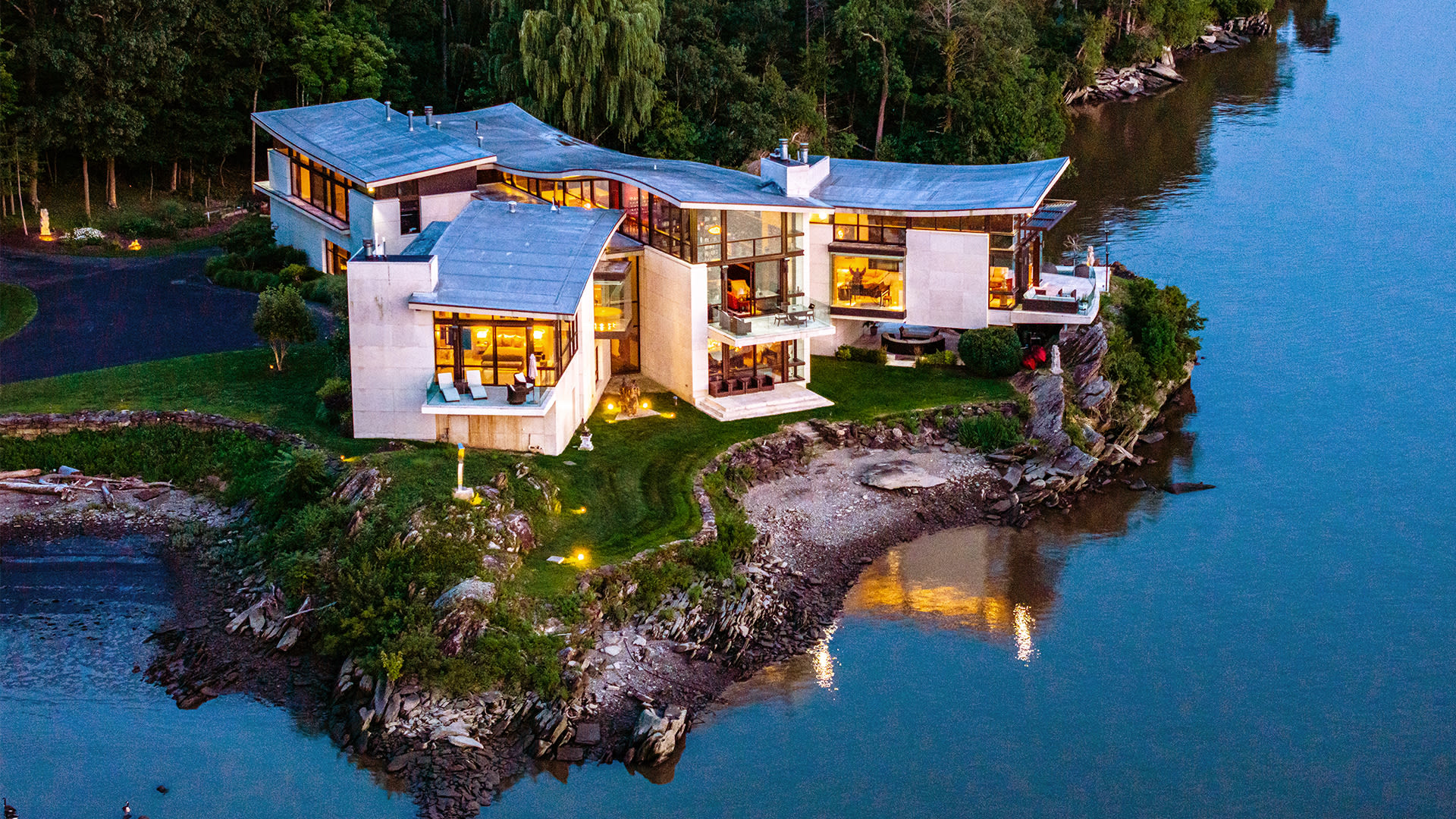
By 2026, the market has also seen a rise in "modern abandonments"—large-scale estates built in the late 1990s or early 2000s that were caught in foreclosure cycles or left vacant during the migratory shifts of the early 2020s. These properties may not have the charm of a 19th-century manor, but they present unique challenges, such as outdated and failing "smart home" infrastructure and large-scale environmental control systems that are prohibitively expensive to repair.
Structural and Environmental Risks: The Hidden Costs
When a mansion is listed as "abandoned" or "in need of total restoration," the physical risks extend far beyond peeling paint. New York’s climate, characterized by harsh winters and humid summers, is particularly unforgiving to unheated, unventilated structures.
Water Ingress and Foundation Failure
The primary enemy of any abandoned property is water. Once a roof fails—which typically happens within five to ten years of neglect—water migrates through the lath-and-plaster walls, rotting floor joists and compromising the building's structural skeleton. In New York's older masonry mansions, "freeze-thaw" cycles can cause catastrophic damage to brickwork and stone foundations. By the time a buyer tours the property, the damage may be internal, hidden behind walls that appear superficially intact but are structurally compromised.
Hazardous Materials
Almost any New York mansion built before 1978 will contain lead-based paint and asbestos. In abandoned properties, these materials are often "friable," meaning they are crumbling and easily airborne. The cost of professional asbestos abatement for a 10,000-square-foot mansion can easily reach six figures. Furthermore, abandoned estates often have underground oil tanks (USTs) that may have leaked into the soil, triggering mandatory—and expensive—environmental remediation required by the New York State Department of Environmental Conservation (DEC).
The Financial Reality: Beyond the Purchase Price
The "bargain" price of an abandoned mansion is often a mirage. In the 2026 market, the purchase price usually represents less than 20% of the total capital required to make the home habitable.
Financing Hurdles
Traditional lenders (Fannie Mae, Freddie Mac) generally do not provide mortgages for properties that lack a functioning kitchen, bathroom, or heating system. For an abandoned mansion, buyers must typically utilize one of three options:
- All-Cash Purchase: The most common method for acquiring distressed assets.
- Hard Money Loans: High-interest, short-term loans based on the "after-repair value" (ARV) of the property.
- FHA 203(k) or Specialized Construction Loans: These are difficult to secure for massive estates and often have caps that do not cover the scale of a mansion restoration.
Tax Assessments and Liens
One of the most overlooked risks is the "tax trap." New York has some of the highest property taxes in the nation. An abandoned mansion may still be assessed at its former "luxury" value, leading to annual tax bills that are disconnected from its current ruined state. Furthermore, buyers must perform an exhaustive title search to identify municipal liens, unpaid utility bills, or "zombie" mortgages that may have accrued over decades of neglect.
Regulatory Complexity and Historical Designations
New York’s commitment to historical preservation can be a significant hurdle for buyers. If a mansion is listed on the State or National Register of Historic Places, or if it falls within a local historic district, the owner may be subject to the New York State Historic Preservation Office (SHPO) guidelines.
While these designations can provide access to tax credits (such as the NYS Historic Homeownership Rehabilitation Credit), they also restrict what you can do with the property. You may be required to use period-accurate materials—such as slate roofing instead of asphalt shingles or custom-milled wood windows instead of vinyl—which can triple the cost of exterior renovations. Failure to adhere to these guidelines can result in heavy fines and a "stop-work" order, leaving the property in a state of perpetual limbo.
Comparison of Abandoned Mansion Archetypes (2026 Market)
| Mansion Type | Common Region | Primary Risk Factor | Restoration Difficulty | Profit Potential |
|---|---|---|---|---|
| Gilded Age Estate | Long Island / Gold Coast | Structural decay & SHPO rules | Extreme | High (Land Value) |
| Hudson Valley Manor | Dutchess/Ulster County | Environmental (Mold/Asbestos) | High | Moderate |
| Institutional Convert | Upstate / Rural NY | Zoning & Occupancy Permits | Moderate | Variable |
| 90s "McMansion" | Suburban NY | Failing systems/Poor build quality | Low/Moderate | Low |
The Due Diligence Checklist for Prospective Buyers
Before signing a contract for an abandoned New York property, a rigorous due diligence period is essential. This process should involve a team of specialists who understand the nuances of distressed historical real estate.
- Structural Engineering Report: Do not rely on a standard home inspector. You need a licensed engineer to verify the integrity of the load-bearing walls and foundation.
- Mains and Utilities Survey: Abandoned properties often have severed utility lines. Reconnecting to the local grid or repairing a massive private septic system can cost tens of thousands of dollars.
- Zoning Verification: Ensure the property is zoned for residential use. If it was previously used as a school or inn, "grandfathered" rights may have expired, requiring a difficult re-zoning process.
- Security and Liability Assessment: As the owner of an abandoned mansion, you are legally liable for injuries to trespassers or "urban explorers." You must factor in the cost of immediate fencing, boarding, and potentially 24/7 security.
Common Mistakes in the Restoration Market
The most frequent mistake made by buyers in 2026 is underestimating the "time-value" of the project. A mansion restoration is rarely a one-year project; it is often a three-to-five-year endeavor. During this time, the owner is paying taxes, insurance (which is significantly higher for vacant, high-risk buildings), and carry costs without the benefit of living in the home.
Another common error is failing to account for "soft costs." Architectural fees, legal fees for zoning variances, and permit costs in New York municipalities can add 15-20% to the total budget before a single nail is driven. Buyers often focus on the "bricks and mortar" but forget the bureaucratic toll of New York’s building departments.
FAQ
Can I buy an abandoned mansion for the back taxes alone?
In New York, some counties conduct tax foreclosure auctions where properties are sold to recover unpaid taxes. However, these auctions are highly competitive and typically require an all-cash payment on the day of the sale. Furthermore, buying a "tax deed" often comes with the risk of the previous owner attempting to "redeem" the property or legal challenges to the foreclosure process.
Are there grants available to fix up an abandoned mansion in NY?
Direct grants for private residences are rare. However, the New York State Historic Homeownership Rehabilitation Credit offers a state income tax credit covering up to 20% of qualified rehabilitation expenditures, provided the property is in a qualifying census tract and is listed on the State or National Register of Historic Places.
How do I find abandoned mansions that aren't on the MLS?
Searching for "zombie properties" or "off-market" ruins often requires looking through municipal "distressed property" lists or using specialized real estate software that tracks properties with "Lis Pendens" (notice of pending legal action) or those that have had their water/power disconnected for more than six months.
What is the biggest "hidden" cost of a mansion restoration?
In 2026, the biggest hidden cost is often the modernization of the "unseen" infrastructure. Retrofitting a 100-year-old stone mansion with modern HVAC, high-speed fiber optics, and energy-efficient insulation without destroying the historical interior finishes is a delicate and incredibly expensive balancing act.
Is it legal to enter an abandoned mansion to inspect it before buying?
No. Entering an abandoned property without the owner's or the listing agent's permission is trespassing. Even if a property appears "abandoned," it is owned by someone—either a private individual, a bank, or a municipality. Unauthorized entry also poses significant safety risks due to structural instability or hazardous materials.
Final Recommendation for Investors
If you are considering an abandoned New York mansion for sale in 2026, approach the project as a business venture rather than a passion project. The "reality" of the market is that these properties are often "money pits" unless acquired at a deep discount with a clear exit strategy—whether that is a high-end luxury resale or a conversion into a boutique hospitality venue.
Prioritize properties with "good bones" and a clear title. Avoid buildings with significant foundation failure or those located in regions with declining property values. Most importantly, ensure your renovation budget includes a 30% contingency fund; in the world of abandoned New York real estate, the only certainty is the discovery of unforeseen challenges once the walls are opened.