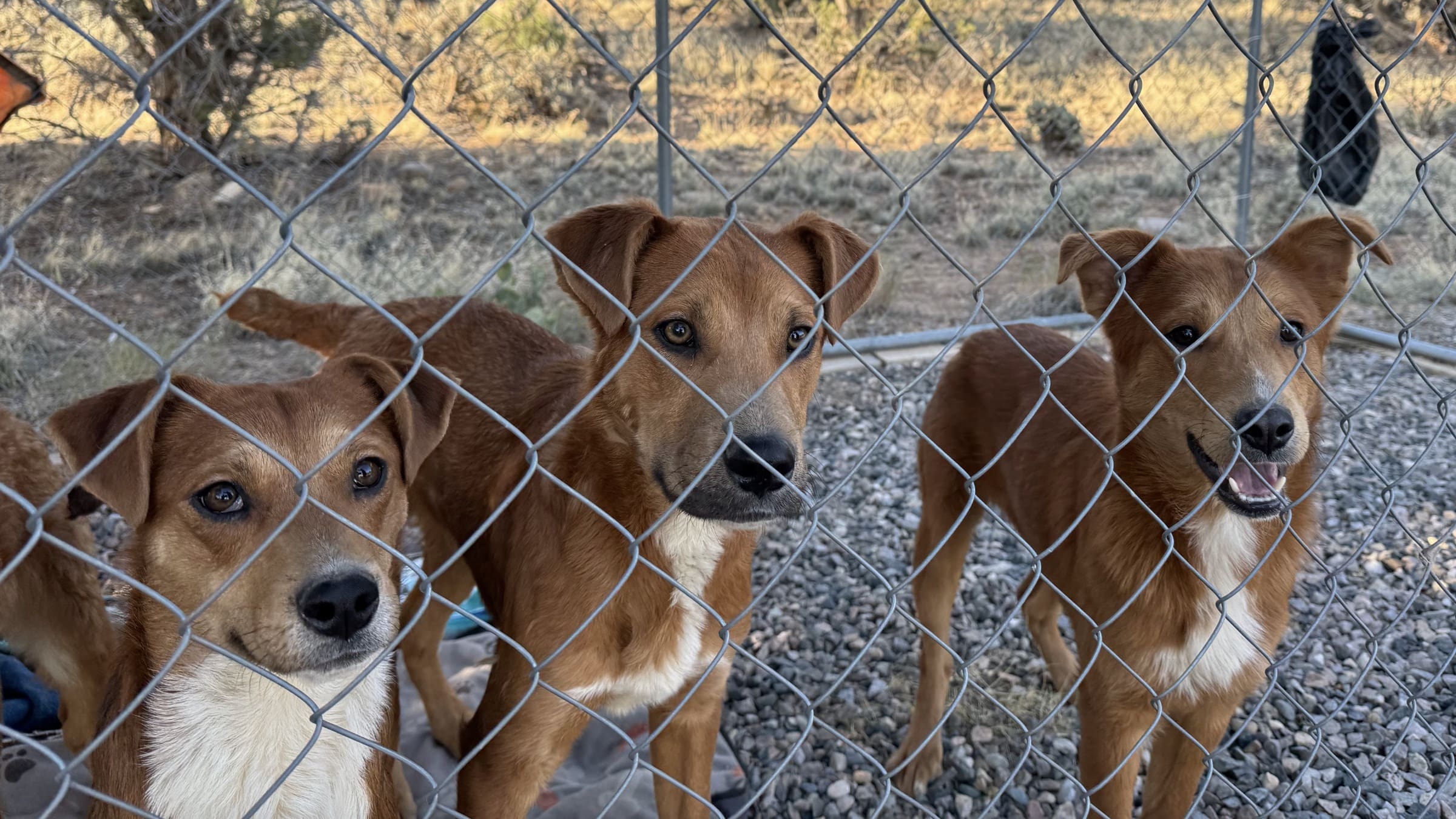
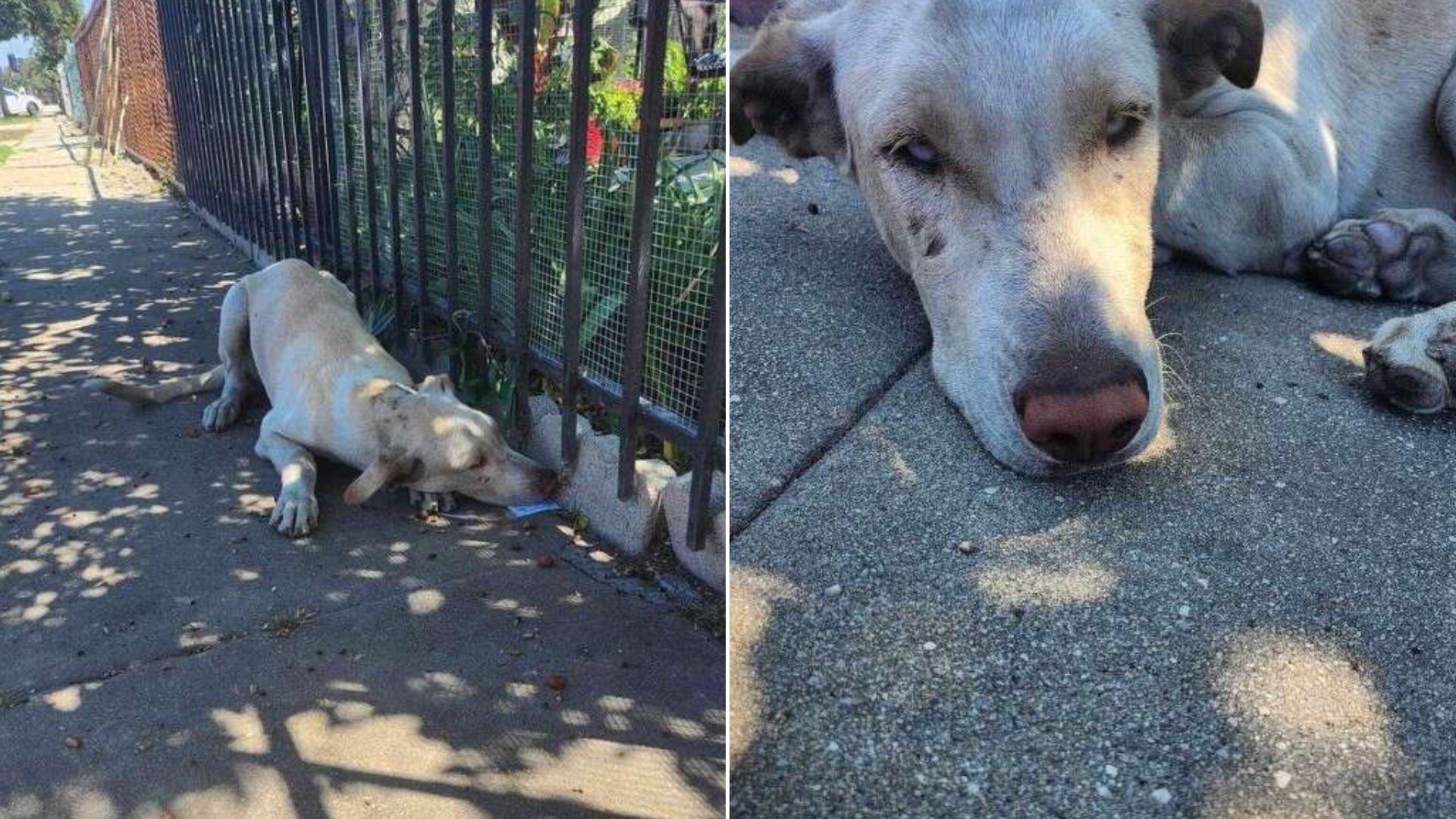
If you find an abandoned dog, prioritize safety by approaching slowly and securing the animal with a leash if possible. Immediately check for identification tags and contact local animal control or a veterinarian to scan for a microchip. Legally, you must report the found animal to local authorities to satisfy "found property" requirements before initiating adoption or rehoming processes.
Identifying Abandonment: Distinguishing Between Stray, Lost, and Abandoned Dogs
In 2026, the distinction between a lost pet and a truly abandoned dog remains a critical first step for any rescuer. An abandoned dog is one that has been intentionally left behind by its owner, often in a specific location like a park, a foreclosed home, or tied to a post. In contrast, a stray or lost dog is typically roaming and may show signs of panic or purposeful movement as it tries to find its way home.
Observing the dog's environment provides the first clue. If a dog is found with its belongings—such as a crate, a bag of food, or toys—it is a clear case of intentional abandonment. Behavioral cues also offer insight; abandoned dogs may exhibit "denning" behavior, staying in the exact spot where they were last seen by their owner, waiting for a return that will not happen. This differs from feral dogs, which generally avoid human contact entirely, or lost dogs, which may be found miles from their point of origin.
Understanding these nuances is vital because the legal and psychological approach for each differs. An abandoned dog often suffers from acute separation anxiety and may be more prone to depression or "shutting down" than a dog that has been living on the streets for an extended period. Rescuers must treat these animals with extreme patience, as their trust in humans has been fundamentally compromised.
Immediate Safety and Containment Protocols
Your physical safety and the safety of the dog are the primary concerns during an initial encounter. An abandoned dog is often in a state of high cortisol distress, which can lead to unpredictable "fight or flight" responses. Even a normally docile breed may snap or bite when cornered or frightened.
When approaching the dog, use the "low and slow" method. Avoid direct eye contact, which many canines perceive as a challenge or a threat. Instead, turn your body slightly to the side and crouch down to appear less intimidating. Use a calm, monotonous tone of voice. If you have food, toss small, high-value treats (like plain cooked chicken or specialized dog treats) toward the dog to build a positive association.
Once the dog allows you to get closer, try to secure it using a slip lead rather than reaching for a collar, as reaching over a dog's head can trigger a defensive reaction. If the dog is aggressive or too fearful to approach, do not attempt to force containment. In these 2026 guidelines, it is recommended to maintain a visual on the animal while calling professional animal recovery services or local police non-emergency lines. If you are in a vehicle, you can often use your car as a temporary barrier or a safe space to lure the dog into using food.
The Legal Landscape: Reporting and Found Property Laws
In 2026, most jurisdictions continue to classify dogs as "property," which means there are specific legal frameworks governing how you handle an abandoned animal. Simply taking a dog home and keeping it without following due process can technically be considered "theft by finding" in many regions.
To protect yourself and the dog, you must report the find to the local animal control agency or the police department. This creates an official record of the abandonment. Most areas have a mandatory "stray hold" period—typically 3 to 10 days—during which the original owner has the legal right to claim the animal. While abandonment is a crime under animal welfare acts (such as the UK’s Animal Welfare Act or various US state statutes), the legal process must be respected to ensure the dog’s eventual "clear title" for adoption.
Document everything. Take high-quality photographs of the dog, the location where it was found, and any items left with it. This evidence is crucial for potential animal cruelty investigations and for shelters to track the dog's history. If you wish to foster the dog during the stray hold period, ask the authorities about "foster-to-adopt" or "finder’s keepers" programs, which allow you to house the dog while the legal clock runs down, provided you have satisfied the reporting requirements.
Veterinary Assessment and Initial Care Requirements
Once the dog is secured and reported, the next mandatory step is a professional veterinary examination. This is not merely for the dog's health but also for public safety and legal verification.
A veterinarian will perform a universal microchip scan. As of 2026, microchip technology is the primary method for reuniting pets, but abandoned dogs often have chips with outdated information or are "orphaned" in the database. The vet will also check for:
- Dehydration and Malnutrition: Abandoned dogs often lack access to clean water and consistent food.
- Parasites: Heartworm, fleas, ticks, and intestinal parasites are common in neglected animals and require immediate intervention.
- Contagious Diseases: Parvovirus, Distemper, and Rabies (if vaccination status is unknown) pose risks to other pets in your household.
- Injury Trauma: Checking for "silent" injuries like internal bruising or dental fractures that may have occurred during the abandonment.
Note: Always keep the found dog quarantined from your own pets until a veterinarian has cleared them of communicable diseases.
Comparative Overview of Canine Status
The following table helps distinguish between different types of found dogs to determine the appropriate response.
| Feature | Stray Dog | Abandoned Dog | Feral Dog |
|---|---|---|---|
| Behavior | Anxious, searching, friendly | Depressed, "denning," confused | Avoidant, fearful, aggressive |
| Physical Condition | Usually clean, well-fed | Varies; may have "stuff" left with them | Thin, matted, scarred |
| Legal Status | Lost property | Neglected/Relinquished property | Unowned/Wildlife-equivalent |
| Primary Action | Contact owner via tags/chip | Police/Animal Control report | Professional trapping service |
| 2026 Trend | Rapid reunification via apps | Shelter crisis; high foster need | TNR (Trap-Neuter-Return) focus |
Navigating the 2026 Shelter System and Fostering
The animal shelter system in 2026 faces significant capacity challenges. Economic fluctuations have led to an increase in abandonment, meaning many municipal shelters are at "code red" levels. When you find an abandoned dog, the shelter might not be able to take the animal immediately.
If you choose to foster the dog, you are providing a critical service that saves lives. Fostering allows the dog to decompress in a home environment, which is far less stressful than a kennel. During this time, focus on "decompression" rather than training. The "3-3-3 Rule" is a standard guideline: 3 days to feel overwhelmed, 3 weeks to start settling in, and 3 months to feel truly at home.
If you cannot foster, you must advocate for the dog by contacting breed-specific rescues or no-kill private organizations. These groups often have more resources than city-run pounds and can provide better behavioral rehabilitation for traumatized abandoned dogs. When contacting these groups, provide the police report number and the veterinary records you’ve already gathered; this makes the dog a "low-barrier" intake for them.
Prevention and Root Causes: Why Abandonment Happens
Understanding why people abandon dogs is essential for 2026 community prevention. It is rarely a decision made out of malice but often one of desperation. The primary drivers include:
- Financial Hardship: The rising cost of veterinary care and specialized pet food can become unsustainable for families.
- Housing Instability: Many rental agreements still include restrictive pet policies, forcing owners to choose between a home and their dog.
- Behavioral Issues: Without access to affordable training, owners may feel overwhelmed by aggression or anxiety-driven behaviors.
To combat this, many communities have established pet food banks and low-cost "vet-van" clinics. If you know someone struggling with their pet, directing them to these resources can prevent the trauma of abandonment for both the human and the dog. Organizations like the ASPCA and local humane societies often have "surrender prevention" programs designed to keep pets in their original homes.
Frequently Asked Questions
Is it legal to just keep an abandoned dog I found?
No, you cannot legally keep an abandoned dog without first reporting it to local animal control or the police. Dogs are legally considered property, and you must follow the local "stray hold" and "found property" laws to ensure the original owner’s rights are extinguished. Failure to do so could lead to legal disputes if the owner later comes forward.
Who pays for the vet bills of a dog I found?
In most cases, the person who finds the dog is responsible for the initial veterinary costs unless they surrender the animal to a municipal shelter immediately. Some non-profit organizations or "Good Samaritan" funds at veterinary clinics may help cover costs, but you should be prepared to pay for a basic exam and core vaccinations if you intend to foster the dog yourself.
What should I do if the abandoned dog bites me?
Seek medical attention immediately for any bite that breaks the skin. Legally, you are required to report the bite to animal control, as the dog will need to be quarantined for rabies observation (usually 10 days), regardless of its perceived health. Do not abandon the dog again; professional handlers should take over the case to assess the animal's behavior.
How can I find the owner of an abandoned dog if there is no tag?
Beyond scanning for a microchip, you should post "Found Dog" notices on social media platforms like Nextdoor and Facebook, as well as specialized apps like Petco Love Lost or PawBoost. Check "Lost Dog" listings daily. Even if a dog appears abandoned, it could have been stolen and then dumped by the thief, meaning a rightful owner is still searching for them.
Can I rehome the dog myself?
You should only rehome the dog after the legal stray hold period has passed and you have been granted ownership by the local authorities. When rehoming, it is safest to work through an established rescue group to ensure the new home is properly vetted. Avoid giving dogs away for "free to a good home" on unverified platforms, as this can attract individuals involved in dog fighting or animal hoarding.
Establishing a Safe Path Forward
The most effective next action after finding an abandoned dog is to create a "Found Dog Digital Portfolio." This should include the veterinary health certificate, the police report number, and a clear behavioral assessment (e.g., "good with other dogs," "house trained"). This portfolio makes the transition to a permanent home or a rescue organization much smoother and more professional.
By following the 2026 legal and safety protocols, you ensure that the dog's journey from abandonment to a "forever home" is legally sound and physically safe. Whether you choose to adopt the animal yourself or act as a bridge to their next life, your structured approach is what saves a life in crisis.
Disclaimer: This guide provides general information regarding animal rescue and is not a substitute for professional legal or veterinary advice. Local laws vary significantly by jurisdiction.