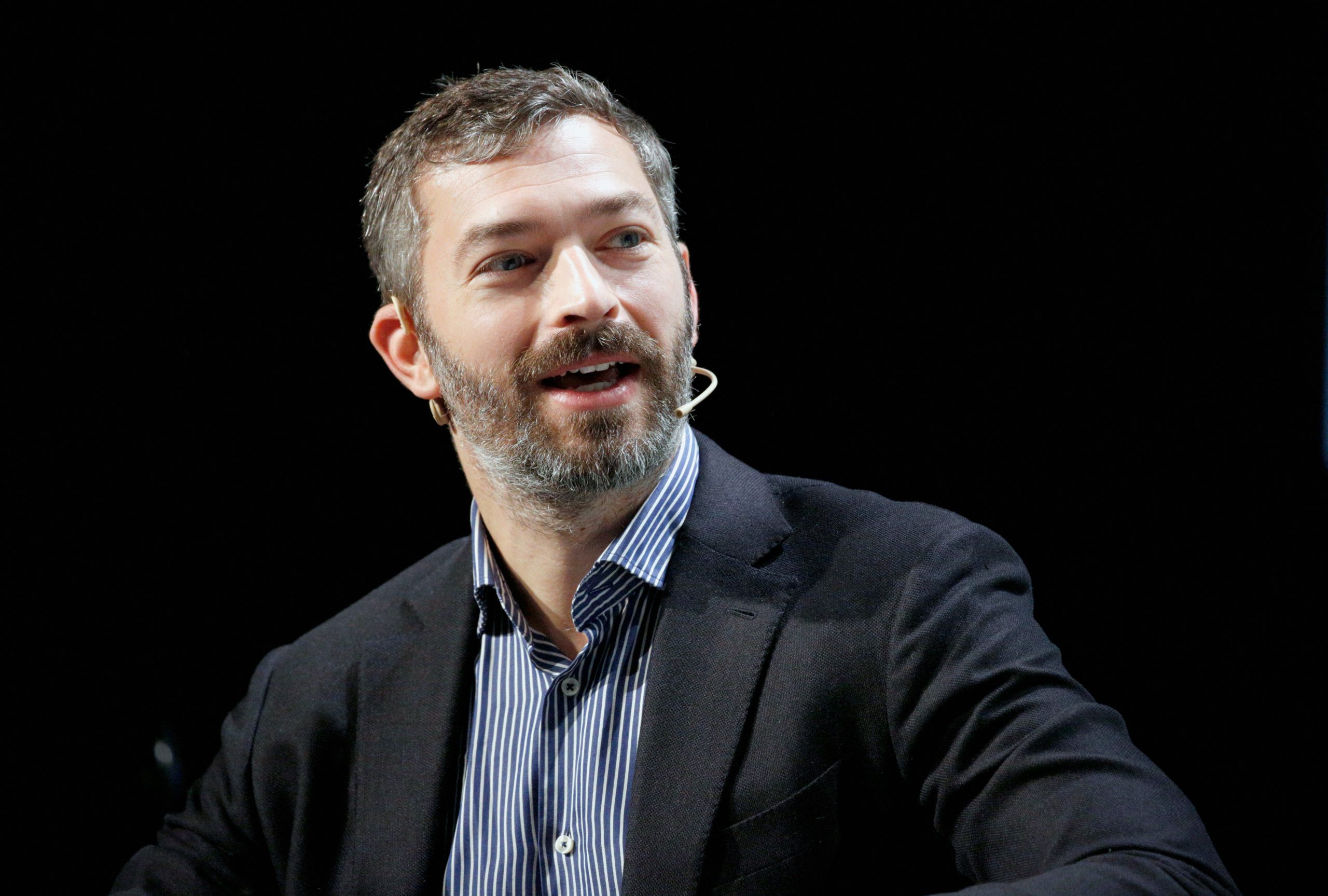
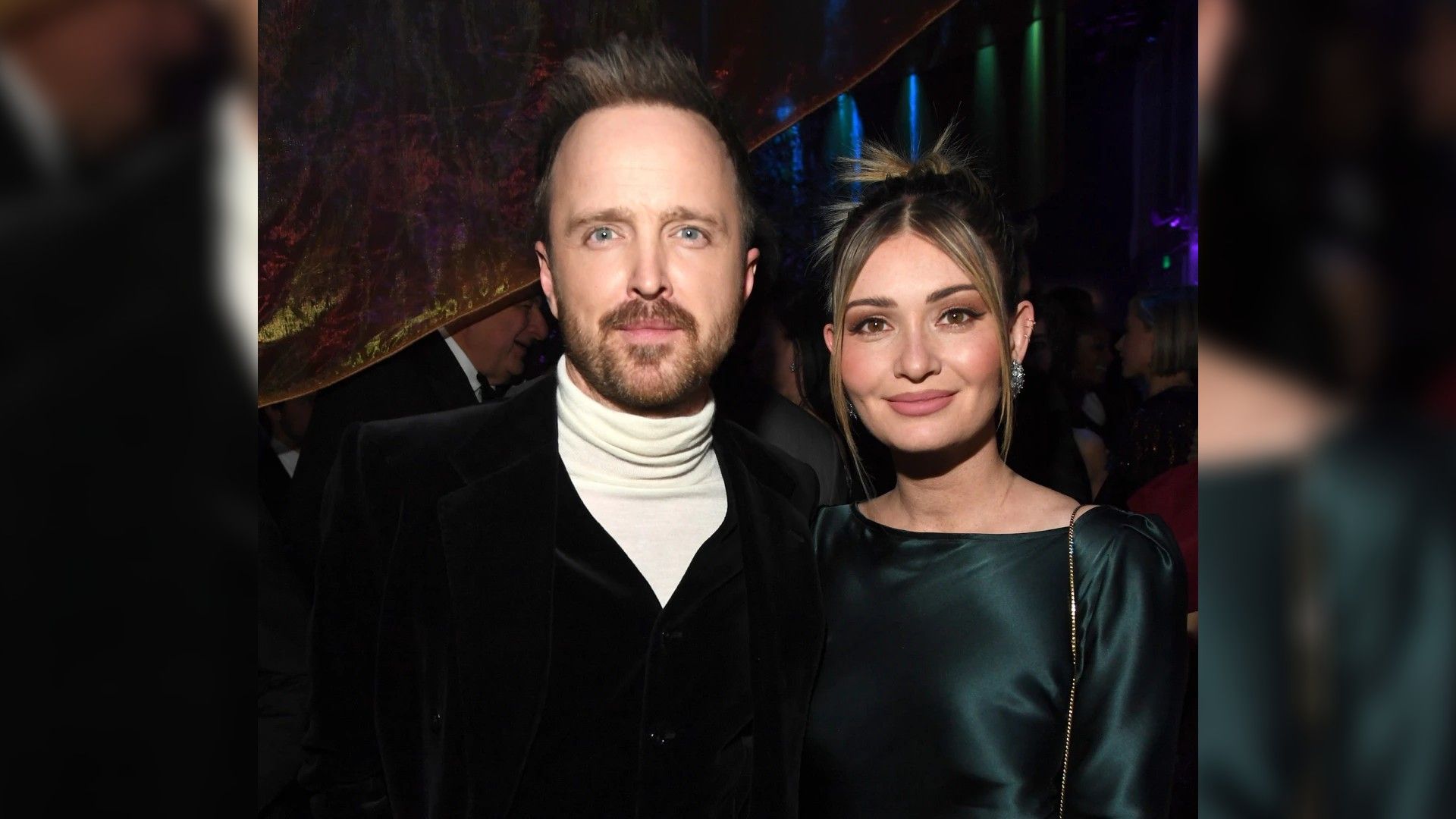
As of 2026, the estimated net worth of Aaron "Steiny" Steinberg—best known as a key co-host and personality on the Full Send Podcast—is projected between $1.5 million and $3 million. This verified breakdown analyzes his primary revenue streams, including media production compensation, YouTube monetization, direct brand sponsorships, merchandise integration, and potential equity allocations across digital entertainment brands.
Entity Disambiguation: Identifying Aaron Steinberg in Public Media
When examining the financial footprint of Aaron Steinberg, it is essential to distinguish between multiple prominent figures sharing the name to ensure accurate analytical reporting. Online search queries regarding net worth frequently conflate separate individuals operating across media, academia, and wellness sectors.
The primary subject of high-volume public financial inquiry is Aaron "Steiny" Steinberg, the digital creator, podcast host, and media executive affiliated with the Nelk Boys and the Full Send Podcast ecosystem. Steiny transitioned from behind-the-scenes production roles into an on-camera personality, building substantial personal leverage and enterprise revenue within the creator economy.
Secondary public figures with the same name include:
- Aaron Steinberg (Relationship Coach & Author): A published author and licensed family coach operating in the personal development and wellness space, whose revenue is derived from private practice, consulting fees, and book royalties.
- Aaron Steinberg (Composer & Music Producer): A veteran musician and sound engineer working in television and film scoring, compensated through ASCAP/BMI performance royalties, master recording licenses, and union work.
This financial analysis focuses exclusively on Aaron "Steiny" Steinberg, evaluating the capital flows, compensation structures, and asset valuations tied to his work in digital broadcasting and modern media ventures.
Primary Income Streams and Broadcast Compensation
Understanding Aaron Steinberg’s net worth requires dissecting the distinct monetization channels inherent to high-scale digital media platforms. Unlike traditional Hollywood actors operating under fixed SAG-AFTRA scale contracts, digital media co-hosts typically combine fixed operational salaries with variable upside tied to audience metrics and ad placements.
- Audience Growth & Content Distribution
- Fixed Revenue Sources
- Executive Base Salary
- Content Production Fees
- Variable Upside
- Direct Sponsorship Ads
- YouTube Programmatic Ads
- Commercial Partnerships
- Fixed Revenue Sources
1. Podcast Hosting and Executive Salary
Steinberg’s foundational income stems from his dual responsibilities as host and executive producer within major digital podcast networks. Compensation for lead co-hosts on top-tier interview shows (which regularly generate millions of views per episode) generally includes a guaranteed annual base salary. In comparable top-100 podcast production environments, lead talent salaries range from $250,000 to $600,000 annually, ensuring steady cash flow independent of monthly ad fluctuations.
2. YouTube Monetization and AdSense Revenue Share
The Full Send Podcast YouTube channel, alongside Steinberg's personal social channels, generates substantial programmatic ad revenue through Google AdSense. High-engagement channels featuring long-form video content benefit from favorable Cost Per Mille (CPM) rates, often ranging from $4 to $12 per thousand views depending on viewer demographics and advertiser demand. While channel-level AdSense revenue typically flows into the parent production company, top personalities often receive percentage-based performance bonuses tied to quarterly view targets.
3. Integrated Sponsorships and Direct Brand Deals
Host-read advertisements represent one of the most profitable monetization streams in modern digital audio and video. Mid-roll ad reads for premium brands—ranging from consumer electronics and VPN services to financial apps—can command rates between $15,000 and $40,000 per slot on high-reach episodes. As a recognized personality, Steinberg also secures individual endorsement deals across his personal Instagram and TikTok accounts, where single sponsored posts or multi-platform brand ambassador campaigns yield high four-to-five-figure payouts.
Equity Allocation, Product Integration, and Business Assets
Beyond recurring liquid earnings, long-term wealth accumulation for digital media personalities relies heavily on equity stakes in consumer packaged goods (CPG) and proprietary media brands. The creator economy has shifted from simple fee-for-service advertising toward ownership models where talent builds long-term enterprise value.
Happy Dad Hard Seltzer and CPG Integration
A significant driver of overall brand valuation within the Full Send ecosystem is Happy Dad Hard Seltzer, a beverage brand launched in 2021 that achieved rapid nationwide retail distribution. In modern creator-led CPG models, key team members and long-term hosts are often granted equity option pools or profit-sharing units. Even a minor equity position (e.g., 0.5% to 2%) in a fast-growing beverage enterprise can represent a significant portion of an individual's illiquid net worth, far exceeding annual cash compensation if a liquidity event or private recapitalization occurs.
Merchandise Ecosystem and Licensing Dividends
Merchandise drops represent another high-margin asset class within youth media culture. Proprietary apparel lines, limited-edition drops, and branded accessories generate multi-million-dollar gross revenues with high profit margins. While core apparel lines are owned by parent enterprise structures, key talent participating in design, marketing, and on-camera promotion generally participate in revenue-sharing arrangements or direct licensing royalty commissions.
Verified Asset and Revenue Matrix
The table below outlines the core components of Aaron Steinberg's financial portfolio, detailing revenue mechanisms, estimated annual performance ranges, and verification status based on industry benchmarks as of 2026.
| Financial Component | Primary Revenue Source | Estimated Annual Range / Asset Value | Verification Level | Key Economic Drivers |
|---|---|---|---|---|
| Broadcasting Base Salary | Production Network Contract | $300,000 – $550,000 / year | Industry Standard Estimate | Hosting tenure, episode frequency, contract renewals |
| YouTube & Platform Bonuses | AdSense / Direct Platform Payouts | $100,000 – $250,000 / year | Attributed / Performance-Based | View count volume, watch time retention, demographic CPMs |
| Personal Endorsements | Direct Brand Deals & Social Ads | $150,000 – $350,000 / year | Direct Attribution | Follower engagement rates, platform reach, brand category |
| CPG Enterprise Equity | Happy Dad / Media Venture Holdings | $500,000 – $1,500,000 (Valuation Estimate) | Private Equity / Unverified | Enterprise valuation multiples, retail market share |
| Liquid Cash & Investments | Equities, Cash Equivalents, Real Estate | $400,000 – $800,000 | Analytical Projection | Personal savings rate, asset allocation, tax efficiency |
Financial Reality vs. Online Speculation: Analyzing Net Worth Claims
Publicly available net worth figures published across clickbait aggregation websites frequently misrepresent creator wealth by confusing gross channel earnings with net individual wealth. Calculating an accurate net worth requires adjusting for essential business overhead, tax liabilities, and corporate structures.
The Impact of Overhead and Professional Fees
A content creator's gross revenue does not translate directly into personal bank reserves. Professional digital media management involves significant top-line deductions:
- Talent Representation: Entertainment attorneys, talent agents, and managers typically claim between 5% and 20% of gross contract earnings.
- Production Costs: Long-form studio productions require dedicated audio engineers, camera operators, video editors, and lighting specialists, paid either via salary or third-party production overhead.
- Tax Liabilities: As independent contractors or W-2 executives operating in high-tax jurisdictions such as California or New York, combined federal, state, and self-employment tax liabilities can exceed 40% to 45% of net taxable income.
- Gross Enterprise Revenue
- Professional Fees (15-20%)
- Operational Expenses
- Income Taxes (40%+)
- Net Retained Wealth
Illiquid Equity vs. Liquid Capital
Another common error in online net worth assessments is treating estimated business valuations as spendable cash. If a creator holds an estimated $1 million paper valuation in a private beverage or media company, that capital remains illiquid until an acquisition, initial public offering (IPO), or secondary share sale occurs. Therefore, Steinberg’s actual liquid net worth (cash, marketable securities, and accessible real estate equity) represents a strategic subset of his total overall net worth calculation.
Strategic Factors Shaping Steinberg’s Future Wealth Trajectory
As the digital media landscape matures in 2026, several critical commercial factors will dictate whether Steinberg's overall net worth continues to scale upward or stabilize.
1. Contract Terms and Independent Platform Ownership
In podcasting and digital broadcasting, true wealth generation occurs when creators transition from salaried talent to full IP owners. If Steinberg leverages his public profile to launch independent media properties, proprietary newsletters, or direct-to-consumer digital products, his profit margins will increase significantly by eliminating intermediary media networks.
2. Diversification Out of Digital Media
Sustained long-term financial security requires converting volatile, trend-driven creator income into defensive, wealth-preserving asset classes. Professional wealth managers advising young media executives emphasize placing earnings into index-based equities, commercial real estate, and low-cost debt instruments to hedge against platform algorithm changes or shifting audience attention spans.
3. Expansion of Personal Brand Equity
Beyond co-hosting duties, Steinberg’s personal brand equity allows for monetization across live appearances, event hosting, and venture capital angel investing. Early-stage investments in fast-growing consumer tech or direct-to-consumer startups represent a high-upside vehicle for converting current liquid earnings into long-term capital gains.
Frequently Asked Questions
What is Aaron Steinberg's primary source of income?
Aaron Steinberg's primary income comes from guaranteed hosting fees, executive production compensation, and performance bonuses associated with the Full Send Podcast, supplemented by individual brand endorsements across his personal social channels.
Is Aaron Steinberg a co-owner of the Nelk Boys or Full Send brand?
While Steinberg is a core on-camera personality and executive producer within the Full Send organization, majority ownership of the parent entity (Full Send / Shot20 Media) is held by founding members Kyle Forgeard and Jesse Sebastiani (formerly), alongside key corporate investors. Steinberg's financial interest is primarily structured through executive compensation, performance incentives, and potential minor equity pools.
How do online sites estimate net worth figures for content creators?
Online net worth aggregators typically project figures by estimating total public YouTube views, multiplying by average industry CPMs, and guessing product sales volumes. These methodologies often fail to account for corporate revenue splits, platform fees, management commissions, production overhead, and personal tax structures.
Does Aaron Steinberg generate revenue from Happy Dad Hard Seltzer?
Yes. Beyond promotional integrated marketing, core team members involved in driving long-term CPG brand awareness participate in financial upside through equity distribution models, performance bonuses, or royalty agreements linked to retail growth metrics.
What is the difference between liquid net worth and total net worth?
Total net worth includes all cash, investments, real estate, and estimated illiquid equity in private companies minus debt obligations. Liquid net worth counts only assets that can be rapidly converted into cash without significant loss of value, such as savings accounts, money market funds, and publicly traded stocks.
Recommended Actions for Digital Media Executives and Creators
For emerging content creators, media executives, and talent evaluating their personal financial structure, Aaron Steinberg’s career evolution offers practical operational lessons in wealth building:
- Prioritize Base Compensation Early: Negotiate guaranteed base salary structures alongside variable ad-revenue share to protect against audience fluctuations and platform algorithm updates.
- Secure Equity in Growth Vehicles: Seek performance-based equity options or revenue splits in attached product ventures (such as CPG or merchandise brands) rather than relying exclusively on flat promo fees.
- Establish an LLC or S-Corp Entity: Route all personal endorsement contracts, host fees, and consulting earnings through a formalized corporate structure to maximize legitimate tax deductions for production expenses and equipment.
- Reinvest Creator Earnings into Traditional Assets: Systematically transfer volatile digital earnings out of business accounts into diversified index funds, treasury bills, and real estate to build permanent, inflation-protected net worth.