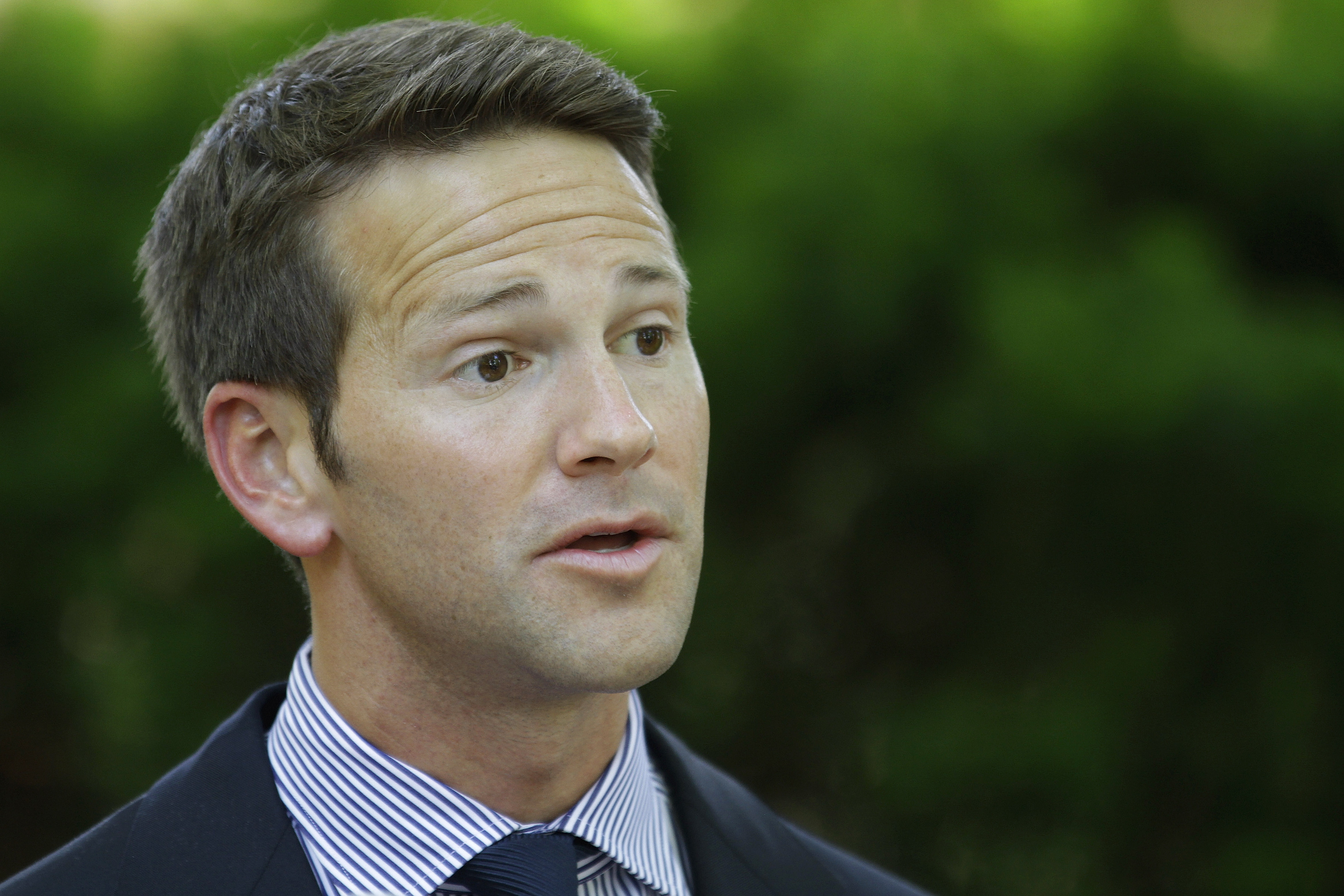
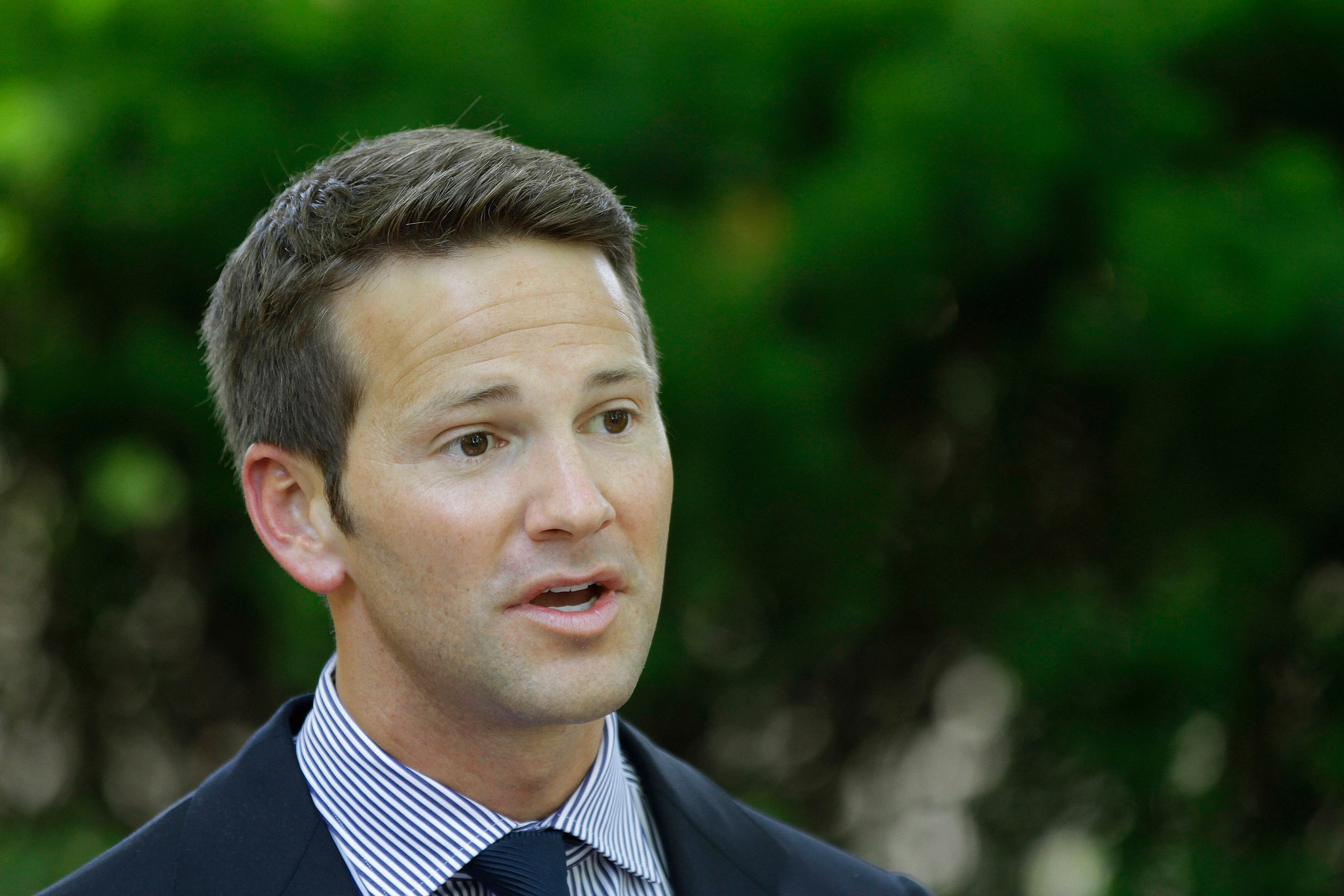
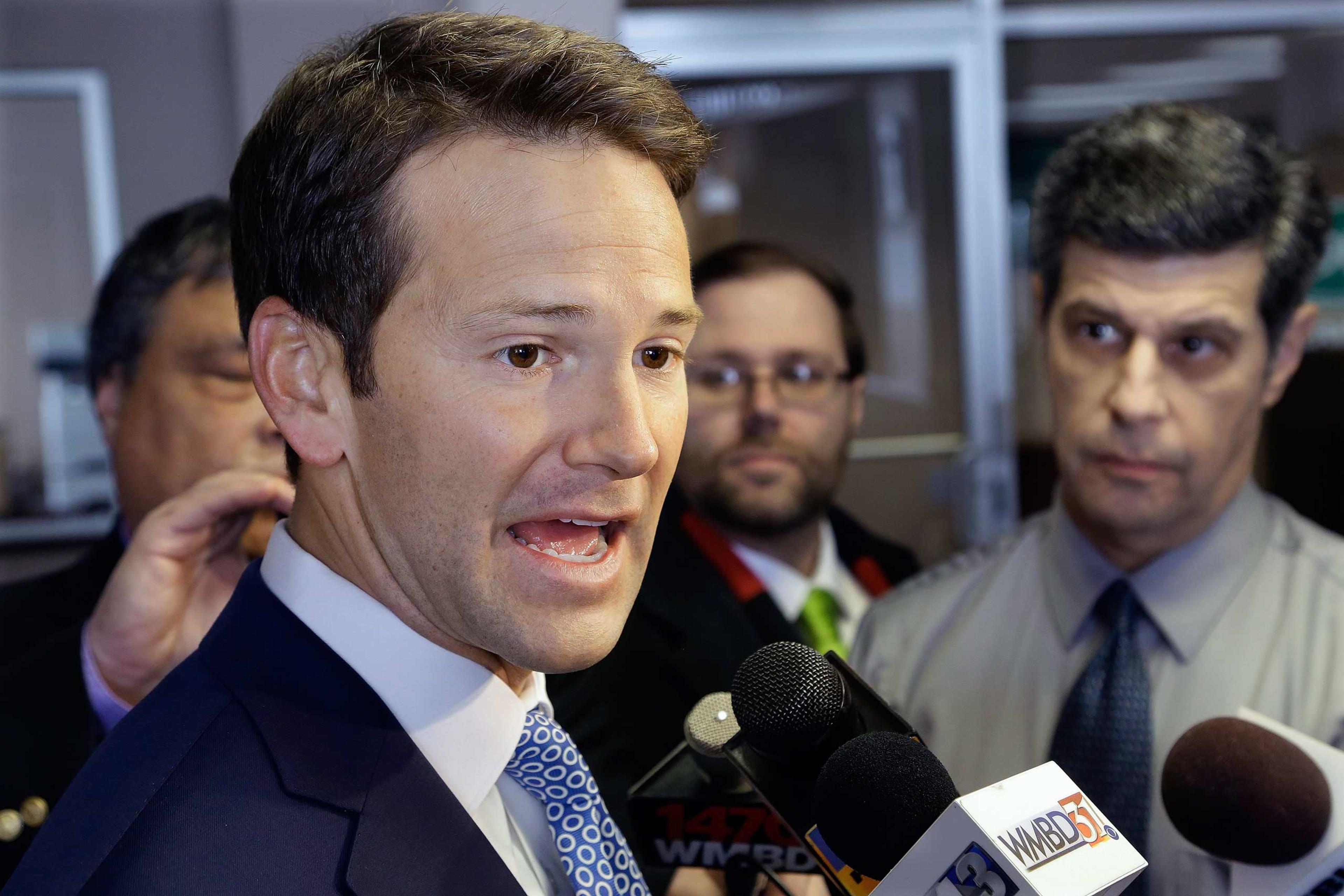
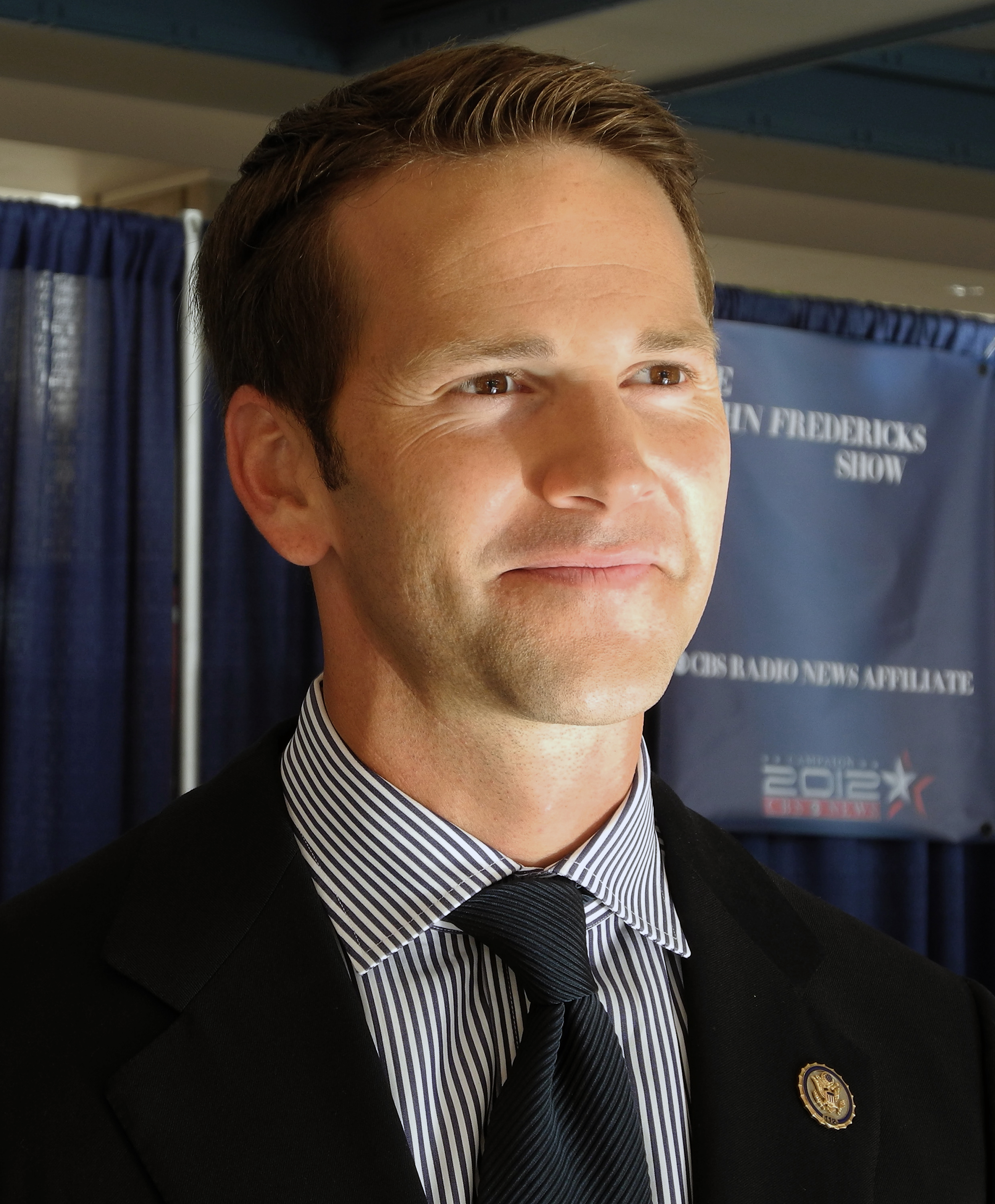
Aaron Schock is a former American politician who served as the U.S. Representative for Illinois's 18th congressional district from 2009 to 2015. Recognized initially as the youngest member of Congress at the time of his election, his tenure ended abruptly following federal scrutiny into his campaign spending, personal travel expenses, and office redecoration costs.
Early Life and Rapid Political Rise in Illinois
Aaron Jon Schock was born on June 18, 1981, in Troy, Ohio, and later moved with his family to Peoria, Illinois. He demonstrated an early interest in public administration and civic affairs, earning a Bachelor of Science degree in Finance from Bradley University in 2002 at the age of 21.
Schock’s political career began unusually early. In 2001, at just 19 years old, he launched a write-in campaign for the Peoria Board of Education after being declared too young to officially file for the ballot. He won the election, becoming the youngest school board member in Illinois history, and later served as board president.
Illinois House of Representatives (2005–2009)
Building on his local political visibility, Schock ran for the Illinois House of Representatives in 2004 to represent the 92nd District. He defeated incumbent Democrat Ricca Slone by a narrow margin of 235 votes, becoming the youngest member of the Illinois General Assembly at age 23. During his four years in the state legislature, Schock focused on fiscal conservative priorities, local infrastructure development, and education funding reform, earning a reputation as an energetic organizer within the Illinois Republican Party.
Election to the U.S. House of Representatives (2008)
When veteran Republican Congressman Ray LaHood announced his retirement from Illinois's 18th congressional district in 2008, Schock entered the race. Running on a platform centered on economic development, lower taxes, and government transparency, he won the Republican primary decisively and secured the general election in November 2008 with over 62% of the vote.
Taking office in January 2009 at age 27, Schock was the youngest sitting member of the 111th United States Congress. His youth, photogenic image, and social media savvy quickly made him a prominent figure in national media outlets, positioning him as a representative of a younger generation of conservative leadership.
The 2015 Congressional Spending Controversy and Resignation
Schock’s national profile began to shift in early 2015 when journalists and ethics watchdogs began scrutinizing his use of public funds and campaign contributions. The initial trigger was an article published by The Washington Post detailing the lavish interior decoration of his Washington, D.C., congressional office, which had been styled after the British period drama Downton Abbey.
Key Timeline of the Ethics Investigation:
- [Feb 2009 – Jan 2015] Rapid legislative rise, committee assignments, high public profile.
- [Feb 2015] Media reports surface regarding office redecoration costs and travel reimbursements.
- [Mar 2015] Formal ethics complaints filed; Office of Congressional Ethics opens review.
- [Mar 17, 2015] Schock announces resignation, effective March 31, 2015.
The Downton Abbey Decor and Financial Scrutiny
Reports revealed that Schock had accepted complimentary interior design services to transform his office into a vibrant red room featuring antique fixtures, gold-framed mirrors, and customized furniture. House ethics rules strictly regulate the acceptance of gifts, including professional design services, and govern how public money can be spent on office expenses.
Subsequent investigations by news outlets, including the Chicago Sun-Times and Associated Press, revealed broader financial irregularities, including:
- Mileage Reimbursements: Schock claimed reimbursement for over 170,000 miles driven on his personal vehicle between 2008 and 2014, despite his vehicle’s odometer showing significantly fewer miles logged upon trade-in.
- Private Aviation and Event Travel: Use of campaign funds and taxpayer money to pay for private aircraft charters to transport him and companions to sporting events and concerts without proper authorization or reporting.
- Real Estate Transactions: A commercial transaction involving a property in Peoria linked to major political donors, which raised questions regarding potential below-market financial benefits.
Formal Ethics Review and Resignation
As pressure mounted, the Office of Congressional Ethics (OCE) initiated a formal review. On March 17, 2015, Schock announced his resignation from the House of Representatives, stating that the continuous legal and media scrutiny had become an unacceptable distraction for his constituents. His resignation took effect on March 31, 2015.
Federal Indictment, Defense Strategy, and Deferred Prosecution Agreement
Following Schock’s resignation, the U.S. Department of Justice (DOJ) launched a comprehensive federal criminal investigation led by the United States Attorney’s Office for the Central District of Illinois.
The 2016 Federal Indictment
On November 10, 2016, a federal grand jury indicted Schock on 24 criminal counts. The charges included:
- Wire Fraud and Mail Fraud: Scheme to defraud taxpayers and campaign committees by submitting false reimbursement claims.
- Filing False Income Tax Returns: Omitting income generated through private sales of tickets and improper expense conversions on federal tax filings.
- Making False Statements: Submitting inaccurate reports to the Federal Election Commission (FEC) and the Clerk of the House of Representatives.
- Theft of Government Funds: Unauthorized conversion of official funds for personal use.
Schock pleaded not guilty to all charges, maintaining that while his record-keeping was flawed and disorganized, he had committed no intentional crimes.
Summary of Federal Allegations (24-Count Indictment):
| Category of Charge | Core Allegation |
|---|---|
| Mail & Wire Fraud | Submitting inflated travel and mileage expense claims |
| False Statements | Submitting inaccurate financial disclosure reports to FEC |
| Tax Fraud | Failing to report personal financial income on tax returns |
| Theft of Public Property | Converting government funds for personal air travel and decor |
Defense Arguments and Legal Battles
Schock’s legal defense team raised structural legal challenges to the prosecution, arguing that the indictment relied on internal House administrative rules that fell outside the jurisdiction of federal prosecutors under the Constitution’s Rulemaking and Separation of Powers clauses. His defense contended that the executive branch was improperly enforcing vague legislative accounting procedures to establish criminal liability.
While the district court and the U.S. Court of Appeals for the Seventh Circuit allowed key elements of the case to proceed, the legal maneuvering delayed the trial significantly.
The 2019 Deferred Prosecution Agreement (DPA)
In March 2019, prosecutors and Schock reached a settlement through a Deferred Prosecution Agreement (DPA), avoiding a federal criminal trial. Under the terms of the agreement:
- Restitution and Tax Payment: Schock agreed to pay $42,000 in restitution to the U.S. House of Representatives and $68,000 to his campaign committees. He also agreed to pay all back taxes owed to the Internal Revenue Service (IRS).
- Civil Tax Settlement: He agreed to resolve all pending civil tax obligations stemming from the omitted income.
- Dismissal of Charges: The federal government agreed to dismiss all 24 felony charges after a six-month period of compliance.
In September 2019, having fulfilled all monetary obligations and conditions specified in the DPA, federal prosecutors formally moved to dismiss all criminal charges against Schock.
Public Re-emergence and Personal Disclosure
In March 2020, Schock addressed long-standing media speculation regarding his personal life by releasing a public statement on his personal website and social media channels coming out as a gay man.
Statement on Sexuality and Legislative Record
In his statement, Schock discussed the tension between his personal identity and his public record as a conservative member of Congress. During his tenure in the House, Schock supported traditional Republican policy stances on social issues, including:
- Voting against the repeal of "Don't Ask, Don't Tell" (DADT) in 2010.
- Voting against the passage of the federal Hate Crimes Prevention Act.
- Opposing the constitutional recognition of same-sex marriage and the federal Employment Non-Discrimination Act (ENDA).
Schock acknowledged the contradiction between his voting record and his identity, expressing regret over his past legislative positions and noting how personal growth and social change shaped his perspective after leaving public office.
Post-Political Career
Since the resolution of his federal legal proceedings in 2019, Schock has operated primarily in the private sector. He has focused on real estate development, commercial property investment, and private investments, dividing his time primarily between Los Angeles and Palm Springs, California. He has maintained a low political profile, abstaining from public office campaigns.
Overview of Aaron Schock’s Career and Legal History
The following table summarizes the key milestones, positions, legal rulings, and resolutions throughout Aaron Schock’s career.
| Year Period | Position / Event | Key Details & Outcome |
|---|---|---|
| 2001–2005 | Peoria Board of Education | Elected as a write-in candidate at age 19; served as Board President. |
| 2005–2009 | Illinois State Representative | Served the 92nd State House District; focused on tax policy and infrastructure. |
| 2009–2015 | U.S. House of Representatives | Elected to Illinois's 18th Congressional District; youngest sitting member in 111th Congress. |
| Feb 2015 | Financial & Expense Audits | The Washington Post and news outlets reveal office spending and mileage irregularities. |
| Mar 2015 | Resignation from Congress | Resigned effective March 31, 2015, amid House Ethics Committee scrutiny. |
| Nov 2016 | Federal Criminal Indictment | Indicted by grand jury on 24 felony counts (wire fraud, tax evasion, false statements). |
| Mar 2019 | Deferred Prosecution Agreement | Reached agreement requiring $110,000+ in restitution/repayments and back taxes. |
| Sep 2019 | Formal Charge Dismissal | All 24 criminal charges officially dismissed after full compliance with DPA terms. |
| Mar 2020 | Public Personal Statement | Came out publicly as gay; acknowledged past legislative stance on LGBTQ+ issues. |
Frequently Asked Questions About Aaron Schock
Why did Aaron Schock resign from the House of Representatives?
Aaron Schock resigned in March 2015 following public reports and ethics reviews concerning improper spending of government funds and campaign contributions. The primary issues included unapproved private air travel, lavish office redecoration expenses, and significant over-reimbursement claims for personal automobile mileage.
Was Aaron Schock convicted of a crime?
No. Aaron Schock was not convicted of a felony. Although he was indicted on 24 federal counts in 2016, his defense team negotiated a Deferred Prosecution Agreement (DPA) in March 2019. Under the agreement, all charges were formally dismissed in September 2019 after he completed required financial restitution and back tax payments.
How much money did Aaron Schock pay to resolve his legal case?
Under the terms of the Deferred Prosecution Agreement, Schock paid $42,000 in restitution to the U.S. House of Representatives and $68,000 to his political campaign accounts. Additionally, he agreed to pay back taxes owed to the IRS to resolve related civil tax liabilities.
What legislative positions did Aaron Schock take on social issues while in office?
During his tenure from 2009 to 2015, Schock aligned with conservative Republican platform positions. He voted against the repeal of "Don't Ask, Don't Tell," opposed the expansion of federal hate crime legislation to cover sexual orientation, and opposed federal recognition of same-sex marriage.
What is Aaron Schock’s current professional activity?
Following the conclusion of his legal case in 2019, Schock transitioned into private enterprise, focusing on real estate acquisition, property development, and private investments, predominantly based in Southern California.
Navigating Public Records and Ethics Rules in Congressional Oversight
The case of Aaron Schock remains a frequently cited modern reference in federal ethics compliance, campaign finance regulation, and congressional expense oversight. For legal scholars, researchers, and public administration professionals, examining the documentation surrounding his case offers clear insight into how federal statutes intersect with internal congressional administrative rules.
To review primary records, legal briefs, and statutory guidelines associated with congressional expense compliance and deferred prosecution mechanics:
- Federal Election Commission (FEC) Filings: Access public candidate committee campaign records and financial disclosures on the official Federal Election Commission website.
- House Ethics Regulations: Inspect official standard rules regarding travel, gifts, and office decorations outlined by the House Committee on Ethics.
- Department of Justice Court Records: Detailed court filings and the terms of the 2019 Deferred Prosecution Agreement are maintained via the PACER database under the U.S. District Court for the Central District of Illinois.