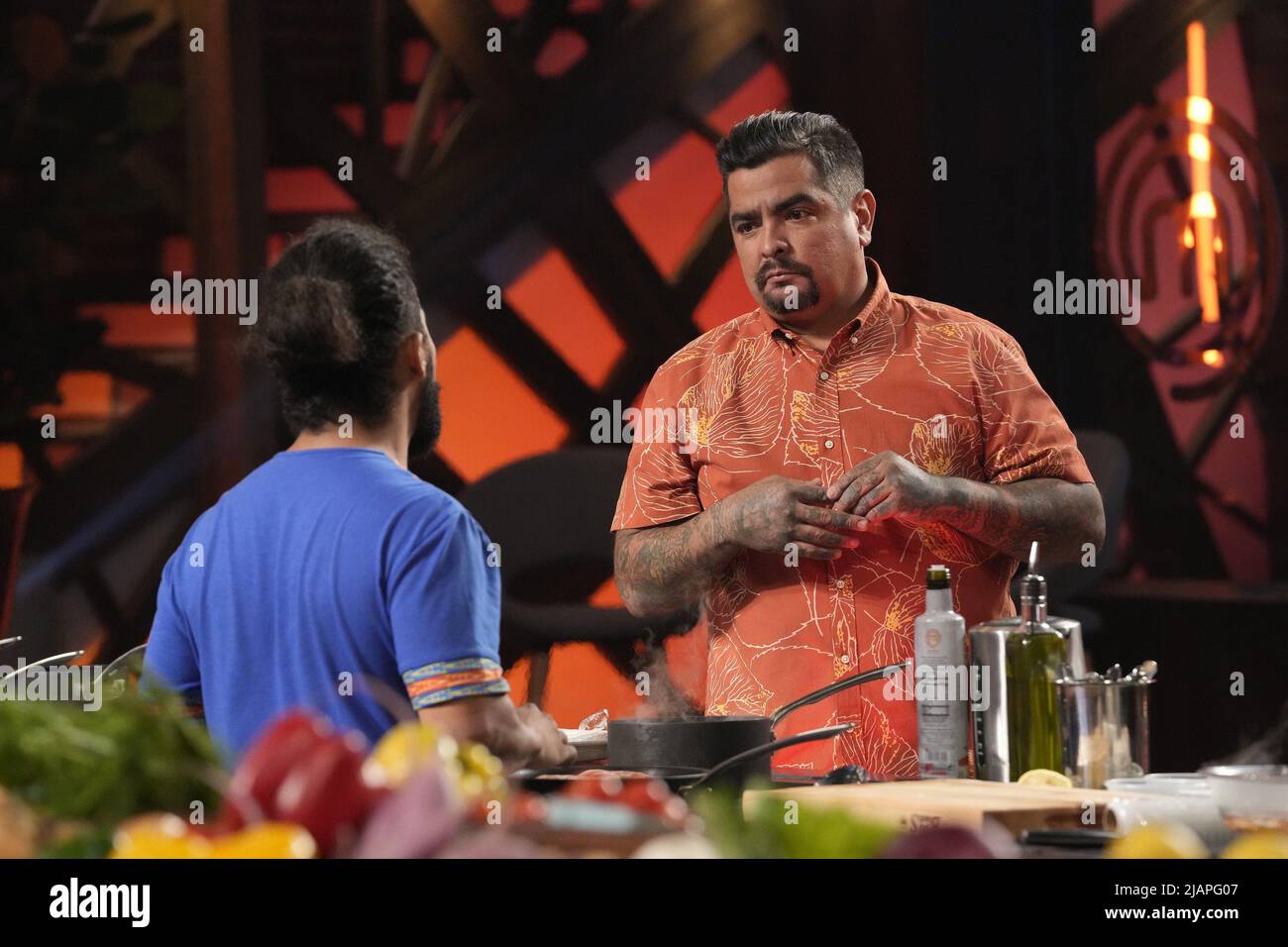
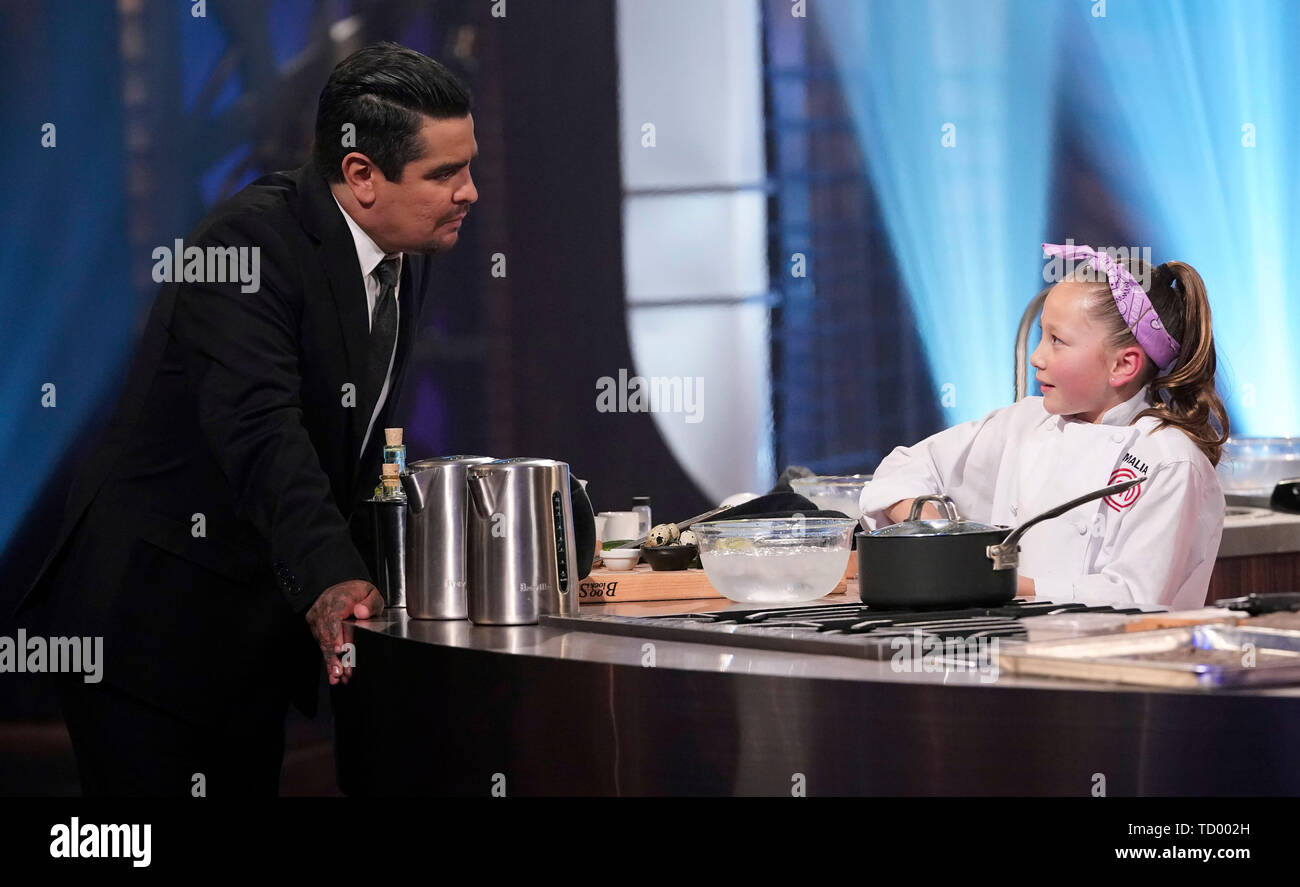
Chef Aarón Sánchez has transformed the MasterChef kitchen by emphasizing authentic Latin American flavors, foundational sauce-making, and rigorous culinary discipline. Known for his balanced approach to heat, acidity, and depth, Sánchez offers home cooks practical wisdom through his cookbooks, television appearances, and signature recipes that demystify high-level Mexican cuisine.
Aarón Sánchez’s Journey on MasterChef: Bringing Authentic Latin Flavor to Prime Time
Aarón Sánchez joined FOX's MasterChef as a permanent judge in Season 8 (2017), bringing a distinct perspective rooted in traditional Latin American gastronomy and professional kitchen rigor. Trained under his mother—culinary icon Zarela Martínez—and refined in legendary American kitchens, Sánchez acts as a mentor who bridges the gap between home cooking and professional fine dining.
On the MasterChef panel alongside Gordon Ramsay and Joe Bastianich, Sánchez evaluates contestants not just on visual presentation, but on flavor balance and respect for ingredients. While Ramsay often focuses on classic European techniques and precision, and Bastianich evaluates front-of-house execution and concept viability, Sánchez scrutinizes sauce construction, spice extraction, and protein execution. He frequently challenges contestants to move beyond basic interpretations of Latin food, demanding that they master foundational elements like purees, braises, and complex salsas rather than relying on superficial garnishes.
His presence on both MasterChef and MasterChef Junior has elevated Mexican and Latin American cuisine on mainstream television. Rather than treating spice as mere heat, he teaches contestants to view peppers as flavor profiles with varied notes of fruit, smoke, and earthiness. This mentorship style has made his critiques among the most actionable for home cooks watching the show.
Signature Aarón Sánchez Recipes and Culinary Foundations
To understand Chef Aarón’s cooking, one must understand his foundational building blocks. His recipes rely on building layers of flavor over time rather than assembling raw ingredients at the end of the cooking process.
- Dry Spices & Whole Chilies
- Toasting & Blooming
- Tatemado / Charring Aromatics
- Emulsification & Blending
- Simmering & Acid Balancing (Lime/Vinegar)
1. Classic Mole Negro
Mole is often misunderstood as a simple chocolate sauce, but Sánchez emphasizes that chocolate is merely a background component used to smooth out the intense heat of charred peppers. His Mole Negro relies on a precise combination of dried chilies—typically Ancho, Pasilla, and Mulato—that are stemmed, seeded, and lightly toasted in a dry skillet before being rehydrated in warm stock.
The depth of the sauce comes from charring tomatoes, tomatillos, garlic, onions, and plantains until heavily blackened (a technique known as tatemado). These ingredients are blended with toasted pumpkin seeds, sesame seeds, almonds, cinnamon, cloves, and Mexican chocolate. The mixture is then fried in hot lard or neutral oil to crack the flavors open before undergoing a long, slow simmer. The result is a velvety, complex sauce that balances smoky bitterness, mild sweetness, and rich earthiness.
2. Coffee-Rubbed Skirt Steak with Chimichurri
A favorite demonstration recipe from Chef Aarón involves pairing robust beef cuts like skirt or flank steak with an earthy, aromatic dry rub. His signature rub combines finely ground dark roast coffee, dark brown sugar, ground cumin, coriander, garlic powder, and chipotle chili powder.
The coffee creates a caramelized crust when seared over high heat in a cast-iron skillet, while the sugar balances the bitterness of the coffee beans. To cut through the rich fat of the beef, Sánchez pairs this steak with a bright, herbal chimichurri made from finely chopped fresh flat-leaf parsley, oregano, minced garlic, red pepper flakes, extra virgin olive oil, and red wine vinegar.
3. Pan-Seared Red Snapper with Veracruz Sauce
Showcasing his mastery of coastal Mexican cuisine, Sánchez’s Veracruz sauce highlights the Spanish influence on traditional Mexican cooking. The dish features skin-on red snapper fillets seared until crisp, served atop a vibrant sauce made from tomatoes, green olives, capers, pickled jalapeños, onions, and garlic.
The key technique in this recipe is controlling the acidity. The brine from the capers and pickled jalapeños cuts through the rich, flaky fish, while stewing the tomatoes with herbs like bay leaves and thyme softens the sharp edges of the vinegar.
Reviewing Chef Aarón Sánchez’s Cookbooks and Published Guides
For home cooks looking to replicate Sánchez's recipes, his published works offer structured culinary instruction ranging from foundational sauces to personal memoirs.
| Work Title | Focus & Intent | Key Takeaway for Cooks |
|---|---|---|
| Simple Food, Big Flavor (2011) | Modular flavor pastes & bases for everyday home cooking. | Master 6 bases for 50+ distinct recipes. |
| Where I Come From (2019) | Memoir combined with traditional family recipes & stories. | Deep cultural context & historical roots. |
| Johnny Sánchez Restaurant Menu (New Orleans Concept) | Professional upscale Mexican-Southern fusion techniques. | High-end protein execution with authentic salsas. |
Simple Food, Big Flavor: Unforgettable Mexican-Inspired Recipes from My Kitchen to Yours
Simple Food, Big Flavor remains Sánchez’s most practical cookbook for daily home cooking. The core premise of the book is built around 15 key "flavor bases"—including garlic-chipotle paste, roasted tomato-tomatillo salsa, achiote paste, and citrus marinades.
Usability and Layout: The book is organized so that cooks prepare a batch of a single flavor base on the weekend and utilize it across multiple dishes throughout the week (such as using an adobo paste for chicken on Monday and for roasted vegetables on Wednesday).
Critique: The recipes are exceptionally clear, and the ratios of spice to fat and acid are reliable. However, home cooks living in smaller markets may need to source specific dried chilies (such as guajillo or pasilla) online or at international markets, as substituting generic chili powders significantly alters the intended flavor profile.
Where I Come From: Life, Lessons, and Song
Part cookbook and part personal memoir, Where I Come From explores Sánchez’s growth within the restaurant industry, his heritage, and the influence of his mother, Zarela Martínez.
Usability and Layout: While less structured as an everyday reference manual than Simple Food, Big Flavor, this book excels at explaining the cultural context behind traditional Mexican cooking techniques. The included recipes focus on classic family comfort foods, such as slow-cooked pork carnitas, tamales, and traditional caldos (soups).
Critique: This book is ideal for intermediate cooks who want to understand why certain techniques exist in Mexican tradition. It is less suited for beginners seeking quick 20-minute weeknight meals.
MasterChef Insider Tips: Chef Aarón’s Golden Rules for the Kitchen
Throughout his seasons on MasterChef, Chef Aarón has shared specific, actionable culinary rules that dramatically improve home cooking.
1. Toast and Rehydrate Whole Dried Chilies
One of Sánchez’s most frequent critiques on MasterChef is the reliance on pre-ground chili powder. Commercial chili powders often contain fillers, added salt, and oxidized oils that create a dusty, stale flavor.
- The Technique: Take whole dried chilies (such as Ancho, Guajillo, or Pasilla), tear them open, discard the seeds and stems, and press them flat on a dry hot skillet for 10 to 15 seconds per side until fragrant. Immediately submerge them in hot water for 15 minutes, then blend the hydrated peppers into a smooth paste. This unlocks vibrant, natural oils and sweet fruit notes without scorched bitterness.
2. Master the Art of Tatemado (Charring Aromatics)
Sánchez regularly instructs contestants to char their vegetables before blending them into salsas or sauces. Raw tomatoes and tomatillos yield sharp, water-heavy sauces, whereas charred aromatics create depth and sweetness.
- The Technique: Place tomatoes, tomatillos, garlic cloves (in their skins), and halved onions under a broiler or directly over an open gas flame until the skins blister and turn black in spots. The blistering caramelizes the natural sugars, reducing raw acidity and imparting a rich smokiness.
3. Season with Acid at the Finish
A common mistake on MasterChef is adding more salt when a dish tastes flat or overly greasy. Sánchez constantly reminds cooks that rich proteins and heavy stews require acid, not extra sodium, to balance the palate.
- The Technique: Keep fresh limes, Mexican sour oranges, and high-quality red wine or sherry vinegars on hand. Finish braises, soups, and seared meats with a squeeze of fresh lime juice or a dash of vinegar right before serving to brighten the heavy fats and wake up the spices.
4. Respect the Rest Time for Seared Proteins
Whether judging a high-stakes MasterChef elimination challenge or demonstrating steak prep, Sánchez stresses the importance of resting meat. Cutting into a hot piece of steak immediately after it leaves the pan causes muscle fibers to contract and release essential juices onto the cutting board.
- The Technique: Allow steaks, pork chops, and roasted poultry to rest on a wire rack for at least half the total cooking time (e.g., rest a steak seared for 8 minutes for at least 4 to 5 minutes) before slicing. This allows the internal muscle fibers to relax and reabsorb moisture.
Comparing Aarón Sánchez’s Key Culinary Techniques and Flavor Bases
The following table breaks down Chef Aarón's essential flavor foundations, detailing their core ingredients, culinary purpose, and recommended uses.
| Base / Technique | Core Ingredients | Key Culinary Function | Ideal Recipe Applications |
|---|---|---|---|
| Adobo Paste | Dried guajillo chilies, garlic, vinegar, cumin, oregano | Rich, tangy, medium-heat marinade and braising liquid | Pork carnitas, roasted chicken, grilled skirt steak |
| Sofrito | Onions, garlic, sweet peppers, tomatoes, cilantro/culantro | Savory aromatic foundation built low and slow in oil | Mexican red rice, braised pinto beans, seafood stews |
| Tatemado (Charring) | Whole tomatoes, tomatillos, garlic, fresh jalapeños/serranos | Develops smoky sweetness and reduces harsh raw acidity | Roasted salsa verde, salsa roja, mole bases |
| Recado Rojo (Achiote) | Annatto seeds, bitter orange juice, garlic, allspice | Earthy, peppery, vibrant red marinade | Cochinita pibil, grilled snapper, roasted pork shoulder |
| Ceviche Acid Cure | Ultra-fresh raw fish/shellfish, fresh lime juice, salt | Denatures fish proteins ("cooks" without heat) while preserving ocean flavor | Sea bass ceviche, shrimp aguachile, scallop crudo |
Frequently Asked Questions About Aarón Sánchez’s Recipes and MasterChef Career
When did Aarón Sánchez join MasterChef as a permanent judge?
Chef Aarón Sánchez joined MasterChef as a full-time judge in Season 8, which premiered in 2017. Prior to becoming a permanent member of the panel alongside Gordon Ramsay and Joe Bastianich, he appeared as a guest judge on the series.
What is Aarón Sánchez's secret to making authentic Mexican salsa?
Sánchez’s primary rule for authentic salsa is using charred (tatemado) aromatics and fresh, whole ingredients rather than raw, unseasoned vegetables. Blistering tomatoes, tomatillos, garlic, and chilies before blending releases natural sugars and adds a smoky layer of flavor. Additionally, he advocates finishing salsas with fresh lime juice and sea salt right before serving.
Are Aarón Sánchez’s cookbook recipes accessible for beginners?
Yes, particularly his cookbook Simple Food, Big Flavor. The book breaks down complex Latin cooking into manageable steps by focusing on pre-made flavor pastes. While some recipes require sourcing specific dried chilies, the step-by-step techniques for making pastes and rubs are straightforward and suitable for home cooks of all skill levels.
How does Chef Aarón recommend balancing heat in spicy dishes?
Sánchez advises that heat should complement a dish, not overpower it. To tone down excessive heat in a sauce or stew, he recommends balancing the capsaicin with fat (such as crema, avocado, or butter), acidity (fresh lime juice or vinegar), or a subtle touch of natural sweetness (like roasted plantains or dark chocolate).
What restaurants does Aarón Sánchez own and operate?
Chef Aarón Sánchez is the co-owner of Johnny Sánchez, a celebrated restaurant in New Orleans, Louisiana. The concept combines traditional Mexican culinary heritage with modern techniques and local Gulf ingredients, featuring dishes such as wood-grilled fajitas, street tacos, and inventive ceviches.
How to Apply Aarón Sánchez’s Culinary Philosophy in Your Home Kitchen
To implement Chef Aarón’s professional advice and elevate your everyday cooking, start by restructuring how you handle seasonings and foundational flavor steps:
- Build an Authentic Dried Chili Pantry: Stock your pantry with three fundamental Mexican dried peppers: Ancho (mild, sweet, raisin-like), Guajillo (tangy, tea-like, medium heat), and Pasilla (earthy, rich, smoky).
- Invest in Heavy Cookware: Use cast-iron skillets for dry-toasting chilies and achieving the heavy char required for tatemado salsa bases. The superior heat retention of cast iron mimics the performance of traditional Mexican comales.
- Prep Flavor Bases in Advance: Take inspiration from Simple Food, Big Flavor by blending batches of garlic-chipotle paste or adobo marinade on the weekend. Freeze them in small ice cube trays to quickly drop high-impact flavor into weeknight soups, rice dishes, and marinades.
- Focus on Texture and Contrast: Every dish should feature a balance of rich protein, sharp acidity, heat, and fresh texture. Garnish hot, braised meats with quick-pickled red onions, fresh cilantro, thinly sliced radishes, and a squeeze of raw lime juice to replicate the balanced flavor profiles evaluated on the MasterChef judging table.