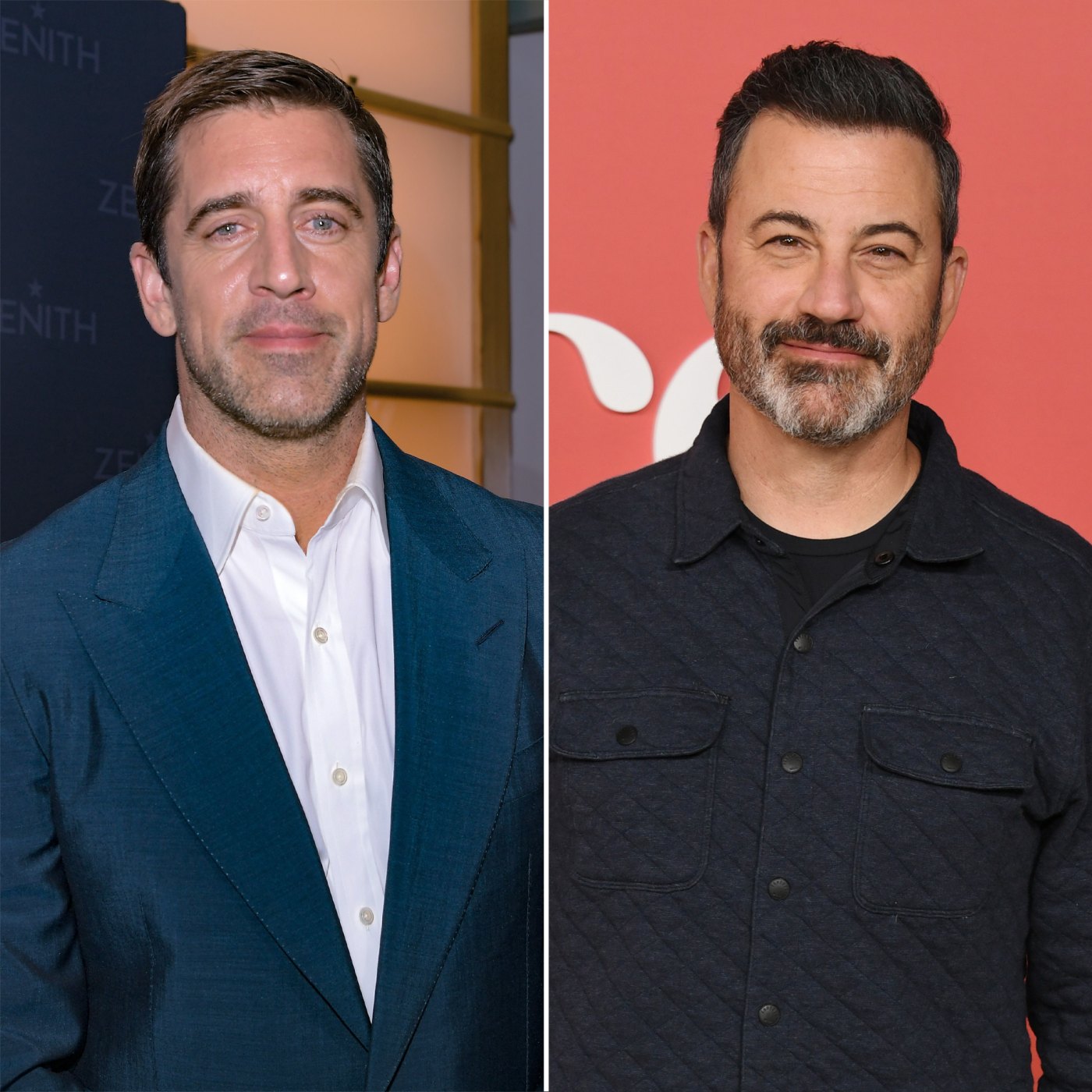
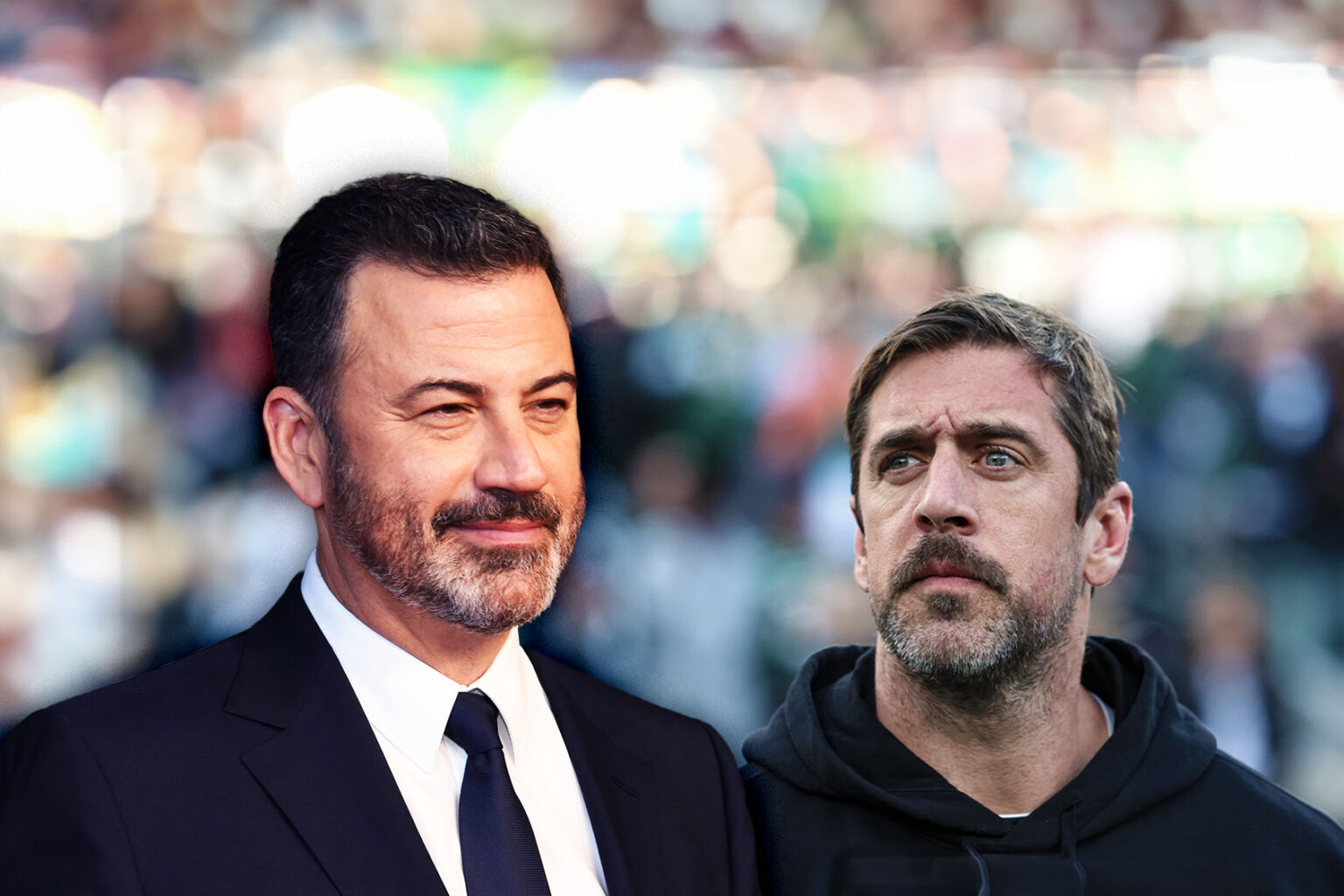
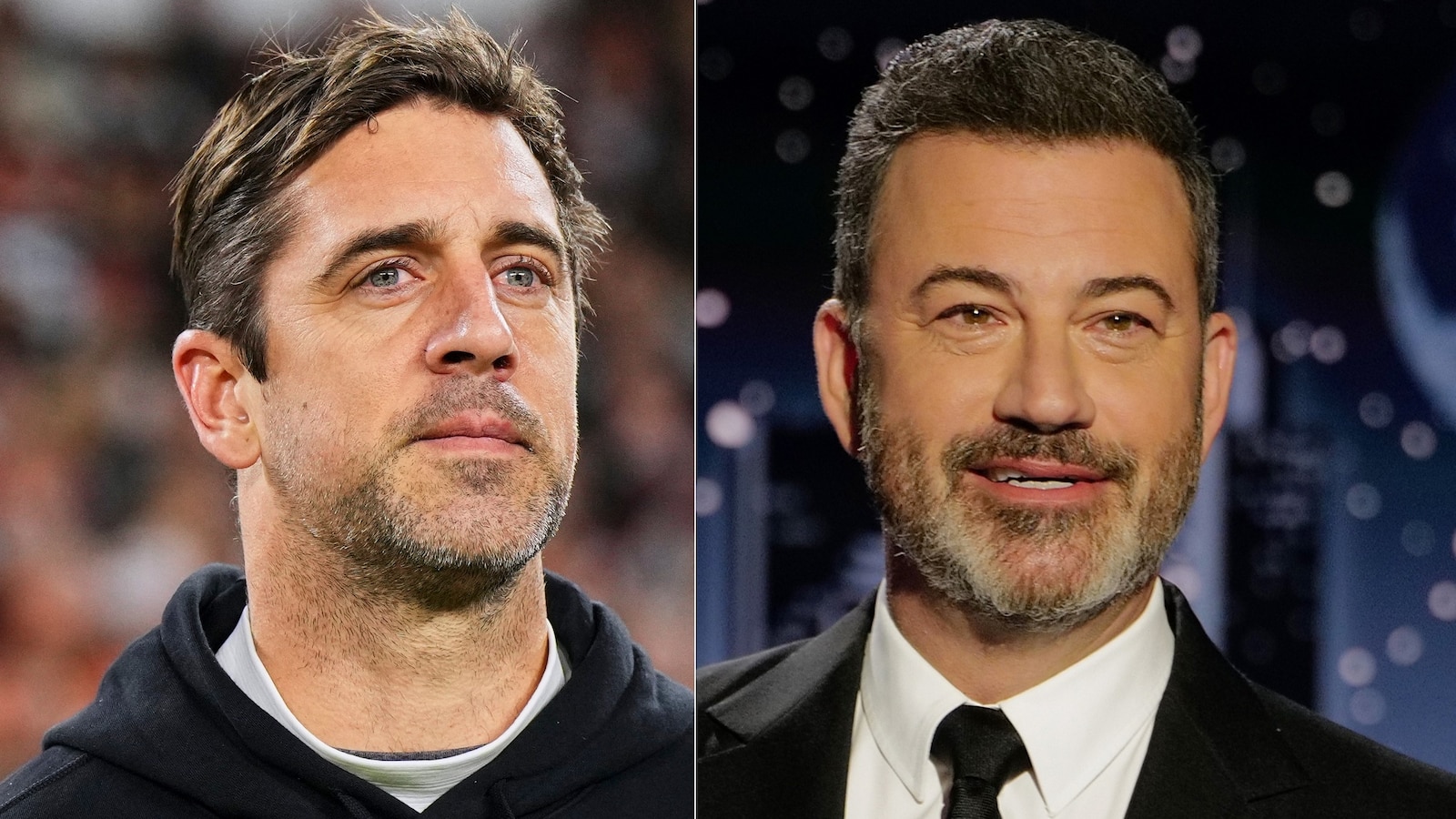
In January 2024, NFL quarterback Aaron Rodgers created a major media firestorm on ESPN’s The Pat McAfee Show by suggesting late-night host Jimmy Kimmel was anxious about the release of court documents related to Jeffrey Epstein. Kimmel vehemently denied any connection, threatened legal action for defamation, and issued a scathing late-night monologue addressing the risks of conspiracy-driven accusations.
The Incident on The Pat McAfee Show: What Aaron Rodgers Actually Said
The controversy began on January 2, 2024, during a regular appearance by then-New York Jets quarterback Aaron Rodgers on ESPN’s afternoon sports talk program, The Pat McAfee Show. Rodgers had been a weekly recurring guest on the show for several seasons, participating in an unscripted segment known to viewers as "Aaron Rodgers Tuesdays." During these appearances, Rodgers frequently discussed topics extending beyond professional football, including personal philosophy, public health controversies, and pop culture.
On the January 2 episode, conversation turned toward the anticipated public release of unsealed federal court documents pertaining to civil litigation against Ghislaine Maxwell, an associate of the deceased convicted sex offender Jeffrey Epstein. As the host and co-hosts discussed the potential public figures named in the filings, Rodgers interjected with a statement targeting comedian and talk-show host Jimmy Kimmel:
"There's a lot of people, including Jimmy Kimmel, really hoping that doesn't come out."
Rodgers added that if the list were made public, he would be "popping some bottles" in celebration. The remark immediately created an uncomfortable atmosphere on the set, though the broadcast quickly moved to other subjects. However, within hours, short video clips of the exchange circulated widely across social media, reaching millions of viewers and sparking intense public scrutiny.
Connecting an individual to Jeffrey Epstein—even through implication—carries massive reputational consequences. Because Epstein's criminal activities involved the trafficking and abuse of underage girls, public association with his network implies criminal wrongdoing or complicity. Rodgers provided no evidence, documentation, or background context to support his claim during the live broadcast.
Jimmy Kimmel’s Immediate Reaction and Legal Warnings
Jimmy Kimmel reacted swiftly to the viral clip on the evening of January 2, 2024, publishing a direct response on X (formerly Twitter). Kimmel forcefully denied any relationship with Epstein and issued a clear legal warning regarding defamatory statements:
"Dear Aasshole, for your information, I have not met, flown with, visited, or had any contact with Epstein whatsoever, nor will you find my name on any list you've seen or will see... Your reckless words put my family in danger. Keep it up and we will debate the facts further in court."
The public threat of legal action elevated the situation from a standard celebrity dispute into a potential high-stakes defamation case. Kimmel emphasized that unfounded claims broadcast on national media platforms carry severe consequences, exposing individuals and their families to online harassment and physical threats from conspiracy theorists.
| KEY CONFLICT TIMELINE |
|---|
| Jan 2, 2024: Rodgers implies Kimmel is linked to Epstein documents on ESPN. |
| Jan 2, 2024: Kimmel denies all claims on X and threatens defamation litigation. |
| Jan 3, 2024: Pat McAfee issues on-air apology, citing intent as "banter." |
| Jan 8, 2024: Kimmel delivers 10-minute monologue on ABC dissecting the claims. |
| Jan 9, 2024: Rodgers clarifies statements, refuses formal apology to Kimmel. |
| Jan 10, 2024: ESPN confirms Rodgers' appearances are finished for the NFL season. |
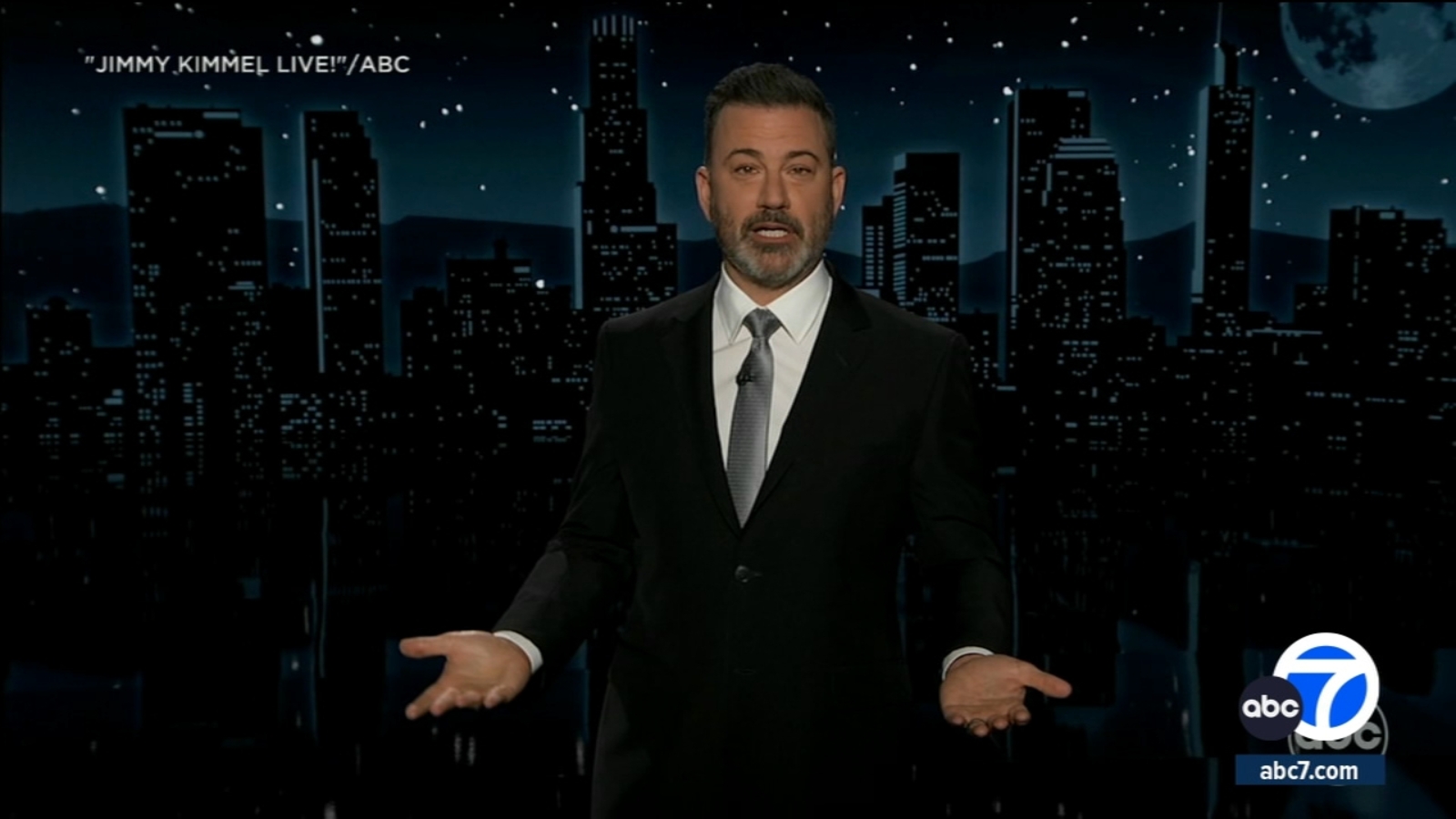
On January 8, 2024, during his first broad broadcast following the holiday break, Kimmel devoted his opening monologue on ABC's Jimmy Kimmel Live! to the feud. Over ten minutes, Kimmel dissected Rodgers' remarks, outlining the harm of weaponizing conspiracy theories against public figures. Kimmel characterized Rodgers as a gifted athlete whose self-perceived intellectual superiority led him to believe that unsubstantiated rumors could be stated as fact on live television.
Kimmel also pointed out the real-world impact on victims of violent conspiracy movements, reminding the audience that spreading lies about child exploitation creates genuine security risks for innocent people. While Kimmel noted he would prefer not to file a lawsuit, he reiterated that false statements alleging involvement in sex crimes cross a legal and ethical boundary.
Chronology of Events: From Live Segment to Corporate Response
The collision between a top NFL player and a leading late-night host created an awkward corporate crisis for media executives. Both ESPN (which broadcasts The Pat McAfee Show) and ABC (which produces Jimmy Kimmel Live!) are owned by parent entity The Walt Disney Company. This organizational structure meant that an employee on one Disney platform was airing unverified defamatory claims against a primary personality on another Disney network.
| Date | Platform / Medium | Key Event / Statement | Primary Impact |
|---|---|---|---|
| Jan 2, 2024 | The Pat McAfee Show (ESPN) | Rodgers suggests Kimmel fears Epstein document release. | Video goes viral; instant public and corporate reaction. |
| Jan 2, 2024 | X (formerly Twitter) | Kimmel denies ties, threatens legal action. | Establishes potential grounds for a defamation lawsuit. |
| Jan 3, 2024 | The Pat McAfee Show (ESPN) | Host Pat McAfee apologizes for platforming the comment. | Acknowledges error; attempts corporate damage control. |
| Jan 8, 2024 | Jimmy Kimmel Live! (ABC) | Kimmel delivers detailed 10-minute monologue. | Refutes claims; explains real-world dangers of libel. |
| Jan 9, 2024 | The Pat McAfee Show (ESPN) | Rodgers addresses dispute on air without formal apology. | Re-frames conflict around past media feuds. |
| Jan 10, 2024 | ESPN Internal Decision | Network concludes Rodgers' segment for remainder of season. | Removes contributor to prevent further liability. |
On January 3, 2024, Pat McAfee opened his show with a formal explanation and apology. McAfee explained that Rodgers was attempting to talk trash back and forth regarding previous comedic monologues, but acknowledged that the execution went too far. McAfee stated that the show did not intend to serve as a venue for unsubstantiated allegations against Kimmel or anyone else.
Rodgers’ Follow-Up: Clarification, Context, and Refusal to Apologize
On January 9, 2024, Aaron Rodgers returned for his scheduled appearance on The Pat McAfee Show to respond to Kimmel's monologue and public reaction. During the 45-minute segment, Rodgers clarified his position but explicitly declined to offer a formal apology.
Rodgers argued that his original statement had been misinterpreted by news outlets and commentary channels. He claimed he was not directly accusing Kimmel of being a pedophile or an associate of Epstein. Instead, Rodgers asserted that his comments were intended to highlight what he perceived as double standards in mainstream media reporting.
To explain his mindset, Rodgers pointed back to late 2021, when Kimmel used his late-night television show to mock Rodgers' decision to avoid the COVID-19 vaccine and his reliance on alternative medical treatments. Kimmel had previously referred to Rodgers as a "tin-foil hat-wearing quarterback" and joked about unvaccinated individuals. Rodgers maintained that his January 2 comment was a callback to those previous TV segments:
"I'm not calling him a pedophile, and I think it's ridiculous that people think I called him a pedophile. I wish him the best, I don't give a shit what he thinks about me. But I understand how serious an allegation like that is."
While Rodgers attempted to frame the exchange as a personal feud between two media personalities, critics noted that implying someone is on an Epstein associate list carries an unmistakable implication, regardless of whether explicit terms like "pedophile" are uttered on air.
Corporate and Media Industry Fallout: The Role of ESPN and Disney
The dispute highlighted the risks legacy networks accept when integrating independent, unscripted digital content into traditional broadcast schedules. In late 2023, ESPN signed a multi-year licensing agreement to broadcast The Pat McAfee Show on its daily cable lineup and streaming platforms. A core selling point of McAfee’s brand was its relaxed, non-traditional format, which allowed athletes to speak freely without typical network scripting.
However, that lack of editorial oversight created liability when live commentary drifted into potential defamation. Executive leadership at ESPN issued public statements distancing the network from Rodgers' comments:
- Corporate Disavowal: ESPN executives publicly called Rodgers' remarks "wrong and unfortunate," clarifying that his opinions did not reflect the editorial standards of the network.
- Segment Suspension: On January 10, 2024, McAfee announced on air that Rodgers would not return to the show for the remainder of the 2023–2024 NFL regular season and playoffs. While framed as a mutual decision to reduce distractions, media analysts viewed it as a necessary corporate step to insulate Disney from ongoing legal exposure.
- Editorial Review: The incident led to stricter real-time monitoring and delay protocols for live, unscripted commentary segments across sports talk networks.
The fallout underscored the delicate balance media conglomerates must maintain between supporting entertaining, high-profile personalities and protecting their broad corporate portfolio from libel litigation.
Legal Framework: Slander, Defamation, and Public Figures
The public feud between Rodgers and Kimmel provided a clear real-world case study in modern media law, specifically regarding slander and the legal standards applied to public figures in the United States.
Slander vs. Libel
Defamation consists of false statements made to a third party that cause harm to an individual's reputation. When spoken aloud—such as during a live television broadcast—the tort is classified as slander. When published in writing or permanent media, it is classified as libel.
The Public Figure Standard
Because Jimmy Kimmel is a prominent public figure, any legal action filed by him would be governed by the legal precedent established in the 1964 U.S. Supreme Court decision New York Times Co. v. Sullivan. Under this standard, a public figure cannot win a defamation lawsuit simply by proving a statement was false and damaging. They must prove actual malice.
Actual malice requires demonstrating that the speaker made the statement with:
- Knowledge that the statement was false, or
- Reckless disregard for whether the statement was true or false.
In this context, Kimmel's legal team argued that Rodgers made a devastating claim without conducting basic factual verification, meeting the threshold for reckless disregard. Because no public records, flight logs, or court filings tied Kimmel to Epstein, broadcasting the claim to a national audience of millions carried significant legal liability.
Although Kimmel did not ultimately pursue formal litigation following Rodgers' clarification and ESPN's corrective measures, the incident remains a reference point for how unscripted live broadcasts can cross the boundary into actionable defamation.
Frequently Asked Questions
What did Aaron Rodgers say about Jimmy Kimmel?
Aaron Rodgers stated live on The Pat McAfee Show that Jimmy Kimmel was among a group of people hoping that public court documents related to Jeffrey Epstein would not be unsealed.
Did Jimmy Kimmel sue Aaron Rodgers over the comments?
Jimmy Kimmel threatened legal action on social media, warning Rodgers that they could "debate the facts further in court." However, Kimmel did not file a formal lawsuit after Rodgers issued an on-air clarification and ESPN suspended his regular segment.
Why did Aaron Rodgers target Jimmy Kimmel in his statements?
The tension stemmed from late 2021, when Jimmy Kimmel mocked Rodgers on Jimmy Kimmel Live! regarding Rodgers' unvaccinated status and alternative health commentary. Rodgers considered his January 2024 comment to be a continuation of their public back-and-forth.
Was Jimmy Kimmel named in the Jeffrey Epstein court documents?
No. Jimmy Kimmel was not named, listed, or referenced in any unsealed court documents, flight logs, or official evidence associated with Jeffrey Epstein or his civil and criminal cases.
What was ESPN’s official response to the controversy?
ESPN leadership publicly disavowed Aaron Rodgers' comments, describing them as wrong and unacceptable. Host Pat McAfee issued an on-air apology, and ESPN subsequently removed Rodgers from his regular weekly appearances for the remainder of that season.
Navigating Live Commentary and Public Defamation Risks
The dispute between Aaron Rodgers and Jimmy Kimmel highlights the expanding friction between unscripted digital sports broadcasting and traditional media standards. For media platforms, content creators, and broadcast organizations, several key operational takeaways emerge from this conflict:
- Implement Editorial Safeguards on Live Streams: Networks airing unscripted commentary must utilize live-broadcast delays and trained production teams capable of muting or redacting unverified personal attacks before they reach a national audience.
- Distinguish Sarcasm from Defamatory Claims: While public figures frequently engage in media rivalries, linking an individual to serious criminal activity—even in a sarcastic context—exceeds standard entertainment banter and introduces grave legal liability.
- Understand Corporate Ownership Dynamics: Content creators working under larger corporate umbrellas must remain aware of how statements impact sister networks and parent brands, as internal conflicts often trigger immediate executive intervention.
- Prioritize Immediate Verification: When high-profile personalities make unexpected public statements, media outlets must verify facts against official court documents, primary records, or legitimate news sources before amplifying clips across secondary platforms.
Ultimately, the resolution of the Rodgers-Kimmel feud demonstrated that while sports media thrives on candid opinions, the legal boundaries surrounding personal reputation and factual accuracy remain strict across all broadcast channels.