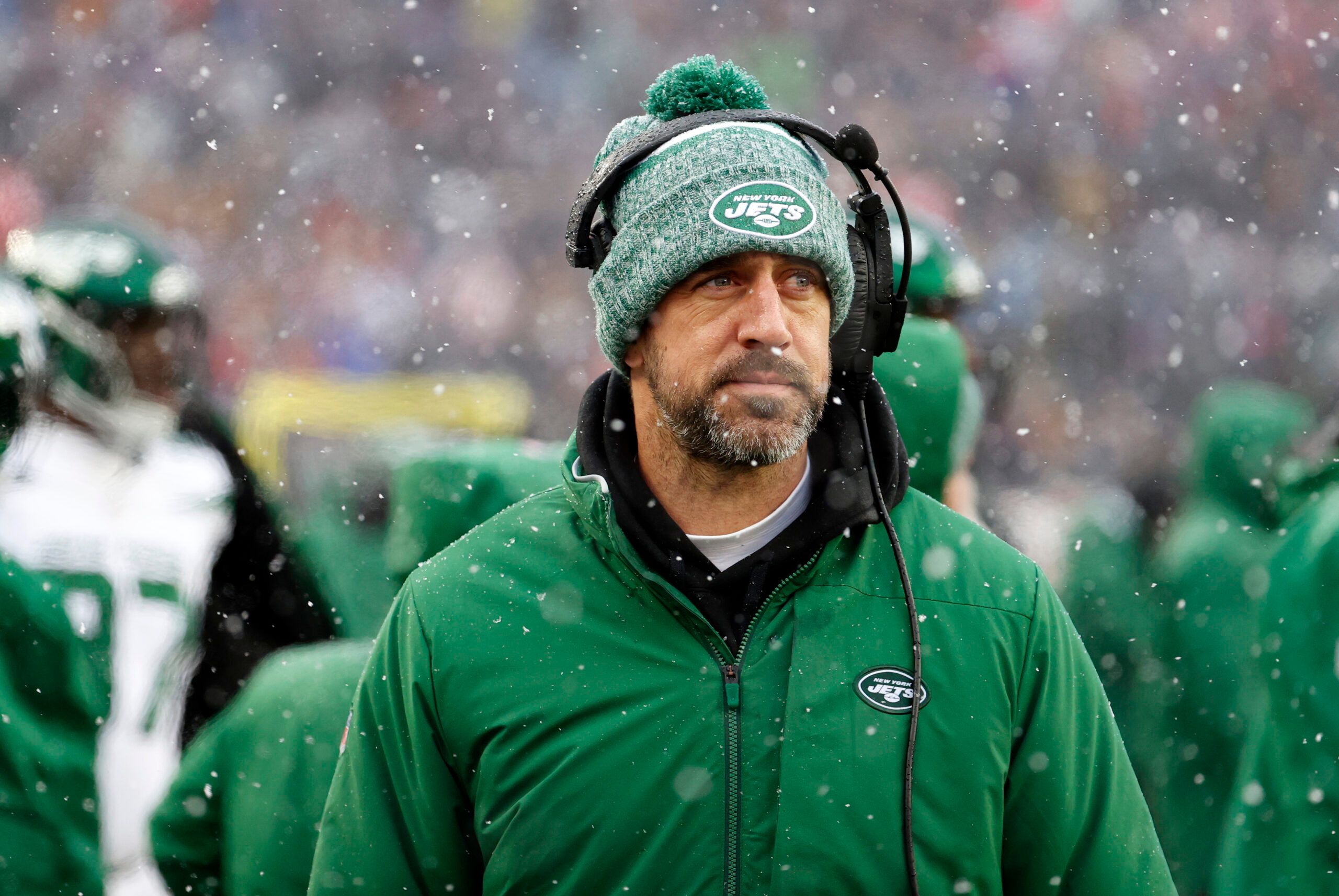
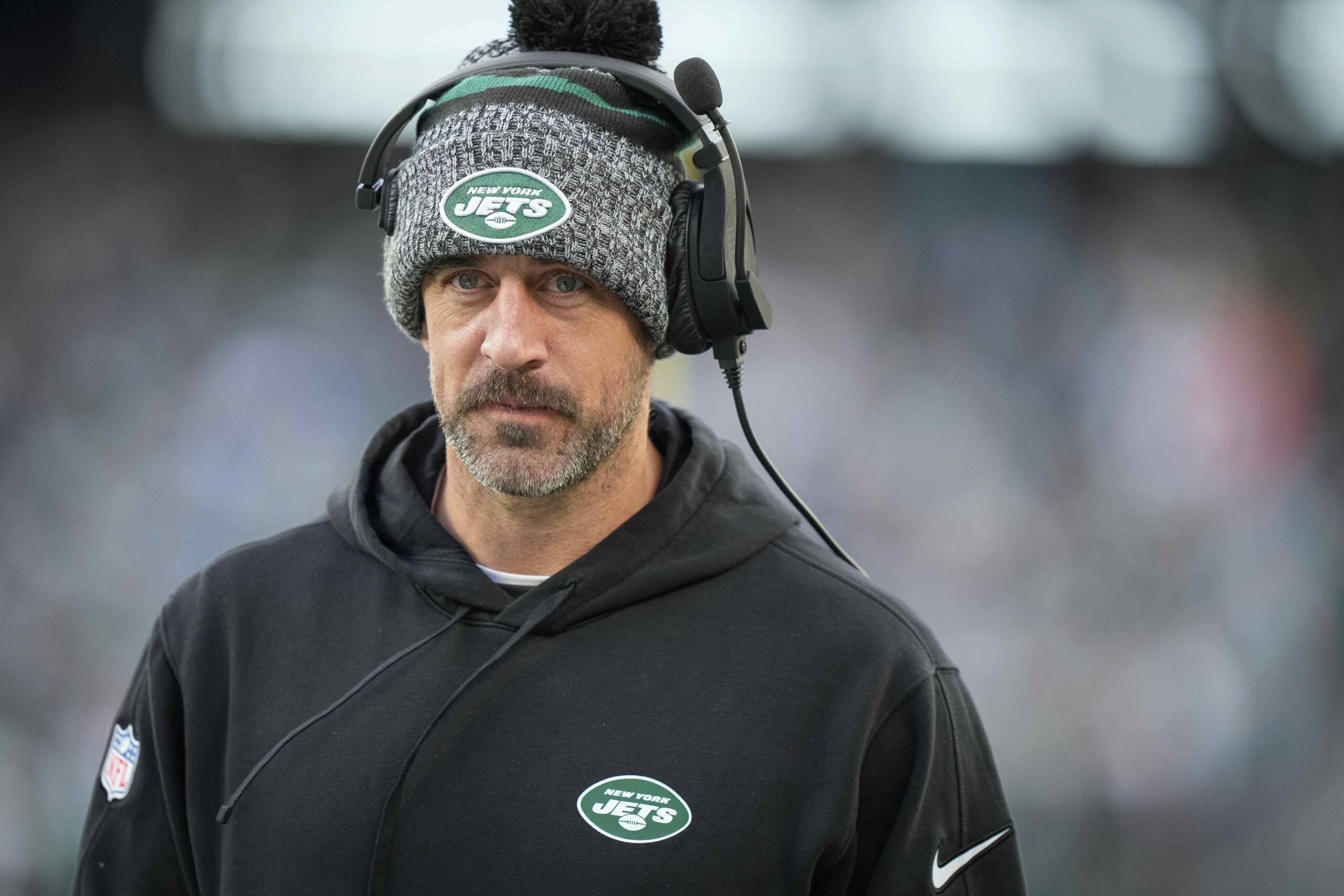
The controversy surrounding NFL quarterback Aaron Rodgers and claims regarding the 2012 Sandy Hook Elementary School shooting stems from a March 2024 investigative report by CNN. The report alleged that Rodgers had privately expressed conspiracy theories about the tragedy during private conversations in 2013. Rodgers publicly denied the claims, stating he has always recognized Sandy Hook as a tragic event.
Understanding the Controversy: Context and Allegations
The intersection of sports, politics, and media coverage reached a unique flashpoint in March 2024 when national headlines connected New York Jets quarterback Aaron Rodgers to conspiracy theories surrounding the Sandy Hook Elementary School shooting. The mass shooting, which occurred on December 14, 2012, in Newtown, Connecticut, resulted in the deaths of 20 children and six adult staff members, standing as one of the deadliest school shootings in American history.
Over the years, misinformation networks and high-profile conspiracy theorists questioned the legitimacy of the attack, causing immense distress to the victims' families and leading to landmark defamation lawsuits. When reporting surfaced alleging that a prominent sports figure had privately echoed some of these discredited claims years earlier, it immediately triggered widespread national debate, journalistic scrutiny, and public statements from those involved.
To evaluate the claims objectively, one must analyze the factual sequence of events, the specific claims published by media outlets, the public statements released by Rodgers, and the broader political environment in which the story emerged.
Detailed Timeline: From 2012 to the 2024 Media Report
Understanding the claims requires tracing the timeline across more than a decade, separating confirmed public events, private interactions alleged by journalists, and official responses.
- Dec 2012: Sandy Hook Tragedy Occurs
- May 2013: Alleged conversation at Kentucky Derby party (Pamela Brown/Rodgers)
- March 13, 2024: CNN publishes investigative report
- March 14, 2024: Rodgers issues public denial on X (Twitter)
December 14, 2012: The Sandy Hook Elementary School Shooting
On December 14, 2012, a gunman entered Sandy Hook Elementary School in Newtown, Connecticut. The tragedy left 26 victims dead. Federal, state, and local law enforcement agencies conducted exhaustive investigations, releasing comprehensive official public reports confirming the details of the attack.
May 2013: The Alleged Kentucky Derby Encounter
According to subsequent reporting by CNN journalist Pamela Brown, she met Aaron Rodgers at a Kentucky Derby post-race party in May 2013. Brown stated that upon learning she worked for CNN, Rodgers raised the topic of the Sandy Hook shooting, allegedly claiming that the event was not what it appeared to be in news reports and suggesting government involvement or media manipulation.
March 13, 2024: CNN Publishes the Investigative Story
In mid-March 2024, independent presidential candidate Robert F. Kennedy Jr. confirmed to news outlets that Aaron Rodgers was on his short list of potential vice-presidential running mates. Following this political development, CNN published an article authored by Pamela Brown and Jake Tapper detailing alleged past interactions in which Rodgers privately shared Sandy Hook conspiracy theories. The report cited Brown's firsthand account from 2013 alongside comments from an anonymous secondary source who claimed Rodgers made similar remarks to them several years prior.
March 14, 2024: Aaron Rodgers Issues a Public Clarification
One day after CNN published its report, Aaron Rodgers addressed the claims directly in a statement posted to his official account on X (formerly Twitter). Rodgers explicitly stated that he had never believed or claimed that the Sandy Hook shooting did not happen, affirming the event as an undeniable tragedy.
Timeline and Key Events Overview
The table below outlines the core milestones, reporting origins, and official responses defining the timeline of this public controversy.
| Date | Event / Milestone | Primary Parties Involved | Key Details & Statements |
|---|---|---|---|
| December 14, 2012 | Sandy Hook Elementary Tragedy | Victims, Families, Law Enforcement | Shooting in Newtown, CT results in 26 casualties; confirmed by official police reports. |
| May 2013 | Alleged Private Conversation | Aaron Rodgers, Pamela Brown (CNN) | Reported interaction at a Kentucky Derby event where conspiracy theories were allegedly discussed. |
| March 12, 2024 | Vice-Presidential Consideration | Robert F. Kennedy Jr., Aaron Rodgers | News breaks that RFK Jr. was considering Rodgers as a potential political running mate. |
| March 13, 2024 | CNN Investigative Report Published | CNN (Brown & Tapper), Aaron Rodgers | CNN reports on Rodgers' alleged private statements regarding Sandy Hook from 2013. |
| March 14, 2024 | Public Statement and Denial | Aaron Rodgers | Rodgers posts an explicit denial on X, stating Sandy Hook was an absolute tragedy. |
| March 26, 2024 | RFK Jr. VP Announcement | RFK Jr. Campaign, Nicole Shanahan | Campaign selects Nicole Shanahan as VP candidate, ending speculation regarding Rodgers. |
Breakdown of the Allegations: The CNN Report
The primary driver of the controversy was the March 13, 2024 article published by CNN. Because the story broke during a heightened news cycle involving presidential politics, the nature of the allegations received immediate national attention.
1. Firsthand Account from CNN Reporter
CNN reporter Pamela Brown disclosed that during a casual conversation at a 2013 Kentucky Derby event, Rodgers initiated a discussion about the Sandy Hook tragedy. According to Brown's account in the report, Rodgers questioned the official narrative, claiming that the event was a government cover-up and that fake actors were involved. Brown reported that when she pushed back using documented facts, Rodgers maintained his skeptical stance.
2. Supporting Secondary Source
The CNN article included statements from a second, anonymous individual who claimed to have had a similar conversation with Rodgers several years prior. This individual reported that Rodgers asked them if they believed the official story regarding Sandy Hook, making claims consistent with fringe conspiracy theories circulating online at the time.
3. Editorial Context and Timing
The timing of the report was directly tied to Rodgers' political visibility. As media outlets began vetting Rodgers following reports that Robert F. Kennedy Jr. was considering him for a political platform, journalists examined past statements and private interactions to inform the voting public.
Aaron Rodgers' Official Public Response
Following intense public scrutiny and media commentary, Aaron Rodgers issued a direct statement on March 14, 2024, via X to clarify his position on the Sandy Hook tragedy.
"As I’m on the record saying in the past, I have never believed that Sandy Hook was anything other than a tragic event. What happened on December 14, 2012, in Newtown, CT was a tragedy beyond comprehension that took the lives of so many innocent children and bright souls. It should never be forgotten, and we should all be united in our support for the victims and their families and the courage they show in the face of such grief."
Key Elements of the Response
- Direct Denial of Denialism: Rodgers rejected the assertion that he ever held or expressed the belief that the shooting was fabricated or staged.
- Acknowledgment of Loss: He explicitly referenced the date, location, and loss of innocent lives, matching the established historical facts of the event.
- Focus on Support for Victims: The statement emphasized solidarity with the families of Newtown, Connecticut, avoiding direct public attacks against the journalists or network that published the original report.
While the statement addressed his overall stance on the tragedy, critics noted that it did not explicitly detail or address the specifics of the private conversation recounted by Pamela Brown from 2013. However, the statement stood as his formal, record-setting stance on the topic.
The Political and Media Context: RFK Jr.'s Vice-Presidential Search
The controversy cannot be separated from the political landscape of early 2024. Aaron Rodgers, a four-time NFL Most Valuable Player, had previously generated public commentary regarding his views on health regulations, vaccine mandates, and mainstream media reporting.
When independent presidential candidate Robert F. Kennedy Jr. confirmed that Rodgers was among a short list of individuals under consideration for his vice-presidential ticket, media scrutiny escalated dramatically. Political vetting processes naturally bring heightened journalistic investigation into a candidate's history, public statements, and private conduct.
- Candidate Consideration: RFK Jr. names Rodgers to VP shortlist.
- Media Vetting Escalation: Journalists investigate past statements/claims.
- VP Selection: Nicole Shanahan selected as VP.
Ultimately, on March 26, 2024, Kennedy formally announced attorney and philanthropist Nicole Shanahan as his vice-presidential running mate, bringing an end to speculation regarding Rodgers entering electoral politics for the 2024 election cycle.
Fact-Checking and Disambiguating the Claims
When evaluating high-profile media disputes involving private conversations, separating established facts from reported assertions is essential for maintaining journalistic accuracy.
Did Sandy Hook occur as documented?
- Fact: Yes. Comprehensive investigations by the Connecticut State Police, the Federal Bureau of Investigation (FBI), and municipal authorities documented the tragedy in exhaustive detail. Claims to the contrary have been disproven in courts of law and independent investigations.
Did CNN report that Aaron Rodgers made these statements?
- Fact: Yes. CNN published a reported story attributing these statements to a 2013 private conversation recounted by reporter Pamela Brown and an additional anonymous source.
Did Aaron Rodgers confirm making those statements?
- Fact: No. Rodgers issued a public statement denying that he ever held or expressed opinions denying the Sandy Hook tragedy.
Is there public audio or video recording of the 2013 conversation?
- Fact: No public audio or video recordings of the 2013 Kentucky Derby interaction have been produced. The report relies on the reported memory and accounts of the individuals present.
Frequently Asked Questions
What sparked the 2024 news reports regarding Aaron Rodgers and Sandy Hook?
The news reports were triggered when independent presidential candidate Robert F. Kennedy Jr. listed Aaron Rodgers as a candidate for his vice-presidential ticket in March 2024. This political visibility prompted CNN to report on private interactions from 2013 in which Rodgers allegedly questioned the official accounts of the Sandy Hook shooting.
What was Aaron Rodgers' exact response to the CNN report?
Rodgers posted a statement on X on March 14, 2024, stating he had never believed or claimed that Sandy Hook was anything other than a tragic event. He described the December 14, 2012 attack as a "tragedy beyond comprehension" and called for unity in supporting the victims and their families.
Did Aaron Rodgers face NFL sanctions or disciplinary action over the report?
No. The allegations pertained to private conversations reported to have taken place in 2013, long before the 2024 news report. The NFL and the New York Jets did not issue formal disciplinary suspensions or fines regarding the CNN report.
Who did RFK Jr. eventually select as his vice-presidential candidate?
Robert F. Kennedy Jr. announced attorney and tech entrepreneur Nicole Shanahan as his vice-presidential running mate on March 26, 2024, ending speculation about Aaron Rodgers joining the ticket.
Were there any recorded public statements of Rodgers denying Sandy Hook prior to 2024?
There are no recorded public speeches, interviews, or broadcasts prior to March 2024 in which Aaron Rodgers publicly claimed Sandy Hook was a hoax. The CNN report was based entirely on private, off-air conversations alleged to have occurred years earlier.
How to Evaluate Complex Media Controversies
When navigating high-profile media reports involving public figures, unrecorded conversations, and sensitive historical events, applying structured critical evaluation techniques ensures accurate understanding:
- Distinguish Official Statements from Reported Allegations: Separate a source's direct public quotes or written statements from secondhand accounts or unrecorded private conversations reported by news outlets.
- Examine Primary Documentation: Consult official government records, police reports, and court documents for foundational facts regarding historical events like Sandy Hook.
- Analyze the Political and Media Timeline: Recognize how political milestones (such as campaign vetting cycles) influence when news stories are investigated and published.
- Verify Source Attribution: Look for transparent reporting methods, identifying whether claims rely on named, firsthand witnesses or anonymous secondary sources.