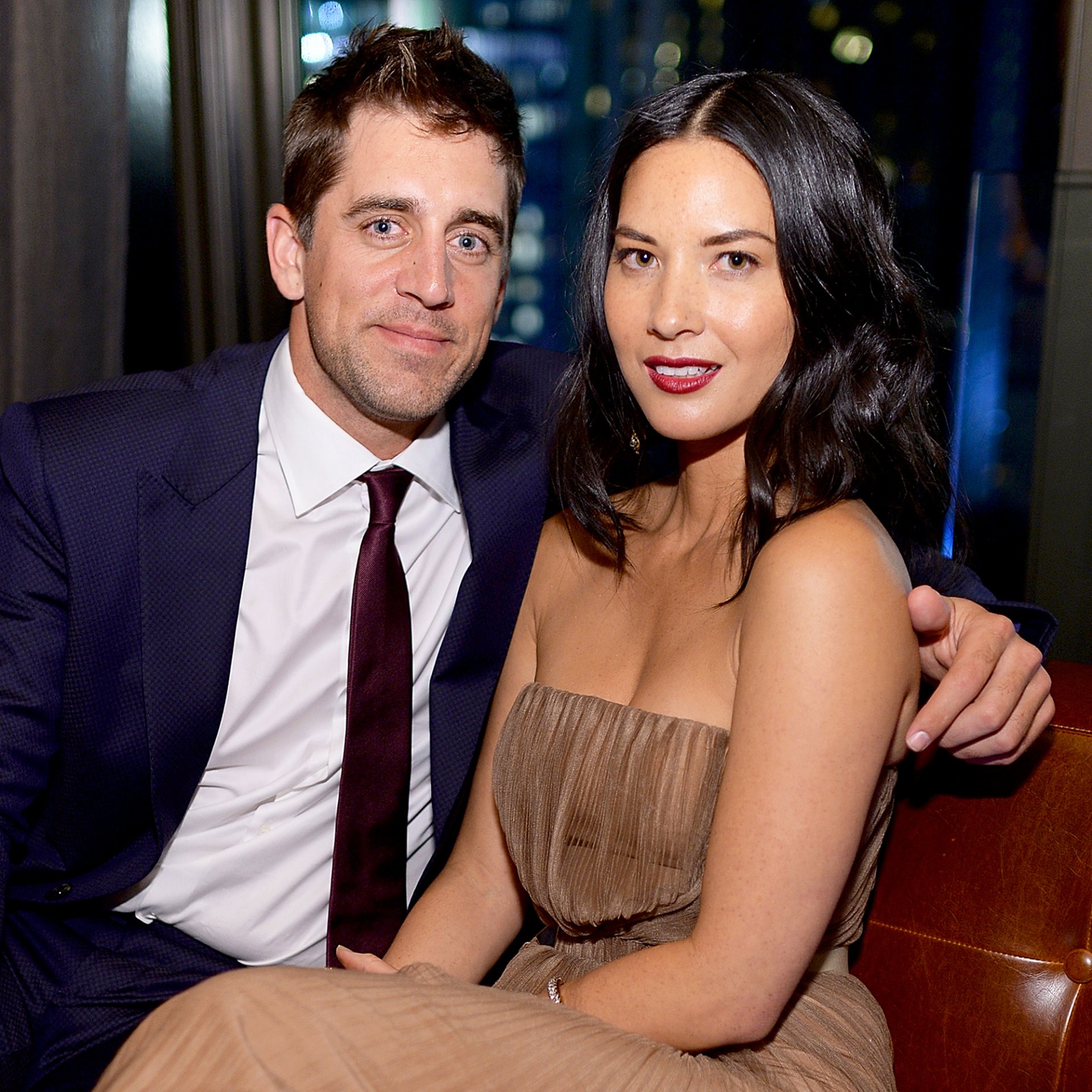
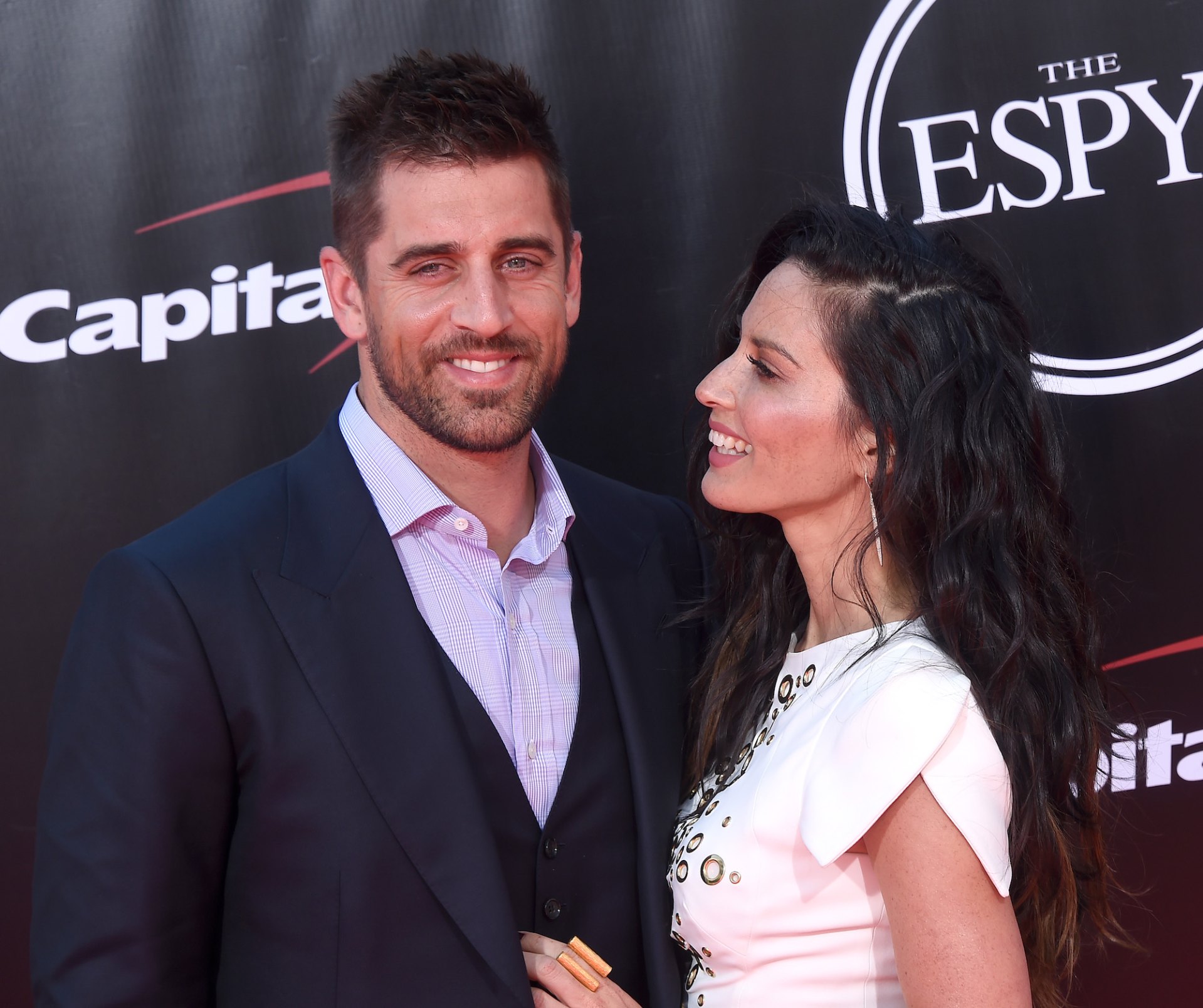
The persistent online searches for an "Aaron Rodgers Olivia Munn Snapchat leak viral video" typically lead to outdated archive material from historical privacy breaches or, more commonly in 2026, malicious phishing sites and clickbait scams. There is no legitimate, newly released "viral video" involving the former couple; instead, these search terms are frequently exploited by bad actors to distribute malware or harvest user data through deceptive social engineering.
The Historical Context of the Rodgers-Munn Privacy Breaches
To understand why searches for an Aaron Rodgers and Olivia Munn "leak" remain prevalent in 2026, it is necessary to look back at the digital landscape of the mid-2010s. Aaron Rodgers, the Hall of Fame-caliber quarterback, and Olivia Munn, the acclaimed actress and former "Newsroom" star, were in a high-profile relationship from 2014 to 2017. During this era, several major celebrity privacy breaches occurred, most notably the 2014 "Celebgate" incident, where hundreds of private photos were stolen from iCloud accounts.
While Munn was one of many celebrities targeted during various waves of these illegal releases, the specific "Snapchat" angle often cited in modern searches is largely a byproduct of how digital rumors evolve. Snapchat, known for its ephemeral nature, became a popular buzzword for scammers who claimed to have "intercepted" disappearing content. In reality, the vast majority of the media associated with these two individuals originated from private cloud storage thefts rather than a Snapchat-specific vulnerability. By 2026, these images have been indexed and re-indexed thousands of times, often serving as the "bait" for "viral video" headlines that do not actually contain video content.
The longevity of this specific search query highlights the "long tail" of celebrity scandals. Even though the couple separated nearly a decade ago, the intersection of NFL stardom and Hollywood celebrity creates a permanent interest that bad actors continue to monetize.
The Anatomy of Modern "Viral Video" Scams in 2026
When users search for "viral video" leaks in 2026, they are rarely greeted with actual content. Instead, the search results are often dominated by "SEO-poisoned" websites designed to look like legitimate news outlets or forums. These sites employ several specific tactics to deceive the user:
- The Click-Jacking Overlay: A website may display a video player with a play button centered over a provocative thumbnail. Clicking the "play" button does not start a video; instead, it triggers an invisible script that might "like" a page on social media, download a file, or redirect the user to an advertisement-heavy landing page.
- Human Verification Gateways: Users are often told they must complete a "survey" or "verify they are human" before viewing the alleged Aaron Rodgers or Olivia Munn footage. These surveys are lead-generation tools that steal personal information or trick users into signing up for expensive recurring mobile subscriptions.
- Malware Distribution: In more dangerous scenarios, the "video file" is actually an executable (.exe) or a malicious script disguised as a media codec. Once downloaded, these files can install keyloggers or ransomware on the user's device.
- Deepfake Proliferation: By 2026, generative AI has advanced to the point where "viral videos" are often sophisticated deepfakes. These are not genuine recordings of the individuals but AI-generated fabrications that are used to drive traffic to adult sites or scam platforms.
It is critical to recognize that if a high-profile "leak" were genuinely new and trending, it would be covered by reputable news organizations focusing on the legal and privacy implications, rather than obscure blogs promising "exclusive access" via a download link.
Legal Protections and the Evolution of Privacy Laws
The legal landscape surrounding the distribution of non-consensual intimate imagery (NCII) has changed significantly since the initial Rodgers and Munn reports surfaced. In 2026, both federal and state laws in the United States, as well as international regulations like the GDPR in Europe, provide much stricter penalties for those who host or distribute stolen private media.
Most platforms now utilize "hashing" technology to identify and automatically remove known stolen images and videos. When a piece of media is identified as part of a privacy breach, its digital fingerprint (hash) is added to a database used by major social media companies and search engines to prevent its re-upload. This is why "leaks" from the 2014–2017 era are increasingly difficult to find on mainstream sites, further driving desperate or curious users toward dangerous, unverified corners of the internet.
Furthermore, "revenge porn" laws now specifically cover the distribution of hacked material, even if the distributor was not the original hacker. Victims have significantly more recourse in 2026 to pursue civil litigation against websites that profit from their stolen data, leading to the shutdown of many "gossip" sites that previously hosted such content with impunity.
Technical Comparison: 2014 Security vs. 2026 Protections
The vulnerabilities that allowed the original celebrity hacks to occur have largely been patched or replaced by more robust security frameworks. The following table compares the digital environment of the initial Rodgers-Munn era with the security standards of 2026.
| Feature | 2014–2017 Standards | 2026 Modern Standards |
|---|---|---|
| Authentication | Basic Passwords / SMS 2FA | Passkeys / Biometric Hardware Keys |
| Cloud Encryption | Server-side encryption (mostly) | End-to-end encryption (E2EE) by default |
| Account Recovery | Security Questions (Easily guessed) | Identity Verification / Encrypted Recovery Keys |
| App Privacy | Limited permissions management | Granular, one-time media access permissions |
| AI Detection | Non-existent for deepfakes | Real-time AI-synthetic media labeling |
| Legal Recourse | Emerging "Revenge Porn" laws | Federal NCII protections and automated DMCA |
This evolution explains why "new" leaks of high-profile celebrities are much rarer today. Modern quarterbacks and actresses utilize sophisticated security teams and hardware-based authentication that makes traditional "brute force" or "security question" hacking nearly impossible.
The Risks of Searching for Compromised Media
Beyond the ethical considerations of seeking out non-consensual media, the technical risks to the user in 2026 are substantial. The "leak" niche is one of the primary vectors for contemporary cyberattacks.
Identity Theft and Phishing
Many sites claiming to host the "Aaron Rodgers Olivia Munn Snapchat leak" are designed to harvest credentials. They may prompt a user to "Sign in with Google" or "Sign in with Facebook" to verify their age. These are fake login portals that capture the user's email and password, allowing the attacker to take over the user’s real accounts.
Browser Hijacking and Adware
Simply visiting a site optimized for these keywords can result in "drive-by downloads." These scripts can alter your browser settings, change your default search engine, and force-feed you intrusive advertisements. In 2026, these hijacks often include "crypto-jacking" scripts that use your device's processing power to mine cryptocurrency in the background, slowing down your computer and increasing power consumption.
The Deepfake Factor
In the current year, any "video" that does appear is highly likely to be an AI-generated deepfake. These videos use the likenesses of Rodgers and Munn but are entirely fraudulent. Engaging with this content often supports "deepfake farms" that exploit celebrity identities for profit, contributing to a broader ecosystem of digital misinformation.
How to Protect Your Own Digital Footprint
While the focus of these searches is often on public figures, the same vulnerabilities can affect anyone. The persistence of the Rodgers-Munn search terms serves as a reminder of how difficult it is to remove data once it has been compromised. To prevent being a victim of similar privacy breaches, users should adopt the following 2026 security protocols:
- Adopt Passkeys: Move away from traditional passwords. Passkeys use public-key cryptography and are resistant to phishing, as they require physical access to your device or biometric verification.
- Audit Cloud Syncing: Review which folders on your phone automatically sync to the cloud. Many users are unaware that their private "vaults" or "hidden" folders are still being backed up to unencrypted servers.
- Use Advanced Protection Programs: For individuals with a high public profile (or those who want maximum security), enrolling in programs like Google’s Advanced Protection provides an extra layer of defense against targeted attacks.
- Regularly Clear "Zombie" Accounts: Delete old social media or storage accounts that you no longer use. These are often the "weak links" that hackers use to find old photos or personal information.
FAQs About the Rodgers-Munn Viral Video Rumors
Is there a new Aaron Rodgers and Olivia Munn video in 2026?
No. There are no credible reports or evidence of any new video involving the former couple. The relationship ended in 2017, and any current "viral" claims are typically recycled images from old breaches or AI-generated fakes designed to spread malware.
Why do "Snapchat leak" headlines keep appearing?
Scammers use "Snapchat" as a keyword because the app's reputation for private, temporary messaging makes the idea of a "leak" more intriguing to users. It is a social engineering tactic used to increase click-through rates on malicious links.
Are the old photos of Olivia Munn still online?
While some images from historical hacks may exist in illicit archives, major search engines and social media platforms have implemented aggressive filtering to remove this content. Attempting to find them often leads users to dangerous websites that pose a significant security risk.
What should I do if I clicked a link for a "viral leak"?
If you clicked a suspicious link, you should immediately run a full system scan with reputable antivirus software. If you entered any passwords, change them immediately and enable multi-factor authentication (MFA) using an authenticator app rather than SMS.
Can someone be arrested for sharing these videos?
Yes. In 2026, the distribution of non-consensual intimate imagery is a crime in many jurisdictions. Even "retweeting" or sharing a link to such content can result in account bans or legal consequences depending on local laws and platform terms of service.
Verification and Digital Hygiene Recommendation
The best course of action when encountering "viral leak" headlines for celebrities like Aaron Rodgers or Olivia Munn is to exercise extreme skepticism. If a video is not being reported on by major, verified news outlets, it does not exist in a legitimate capacity. Prioritize your own digital safety by avoiding high-risk search terms and keeping your security software up to date. In 2026, the value of your personal data and the security of your devices far outweigh the curiosity of viewing "leaked" content that is, in almost all cases, a fraudulent trap.