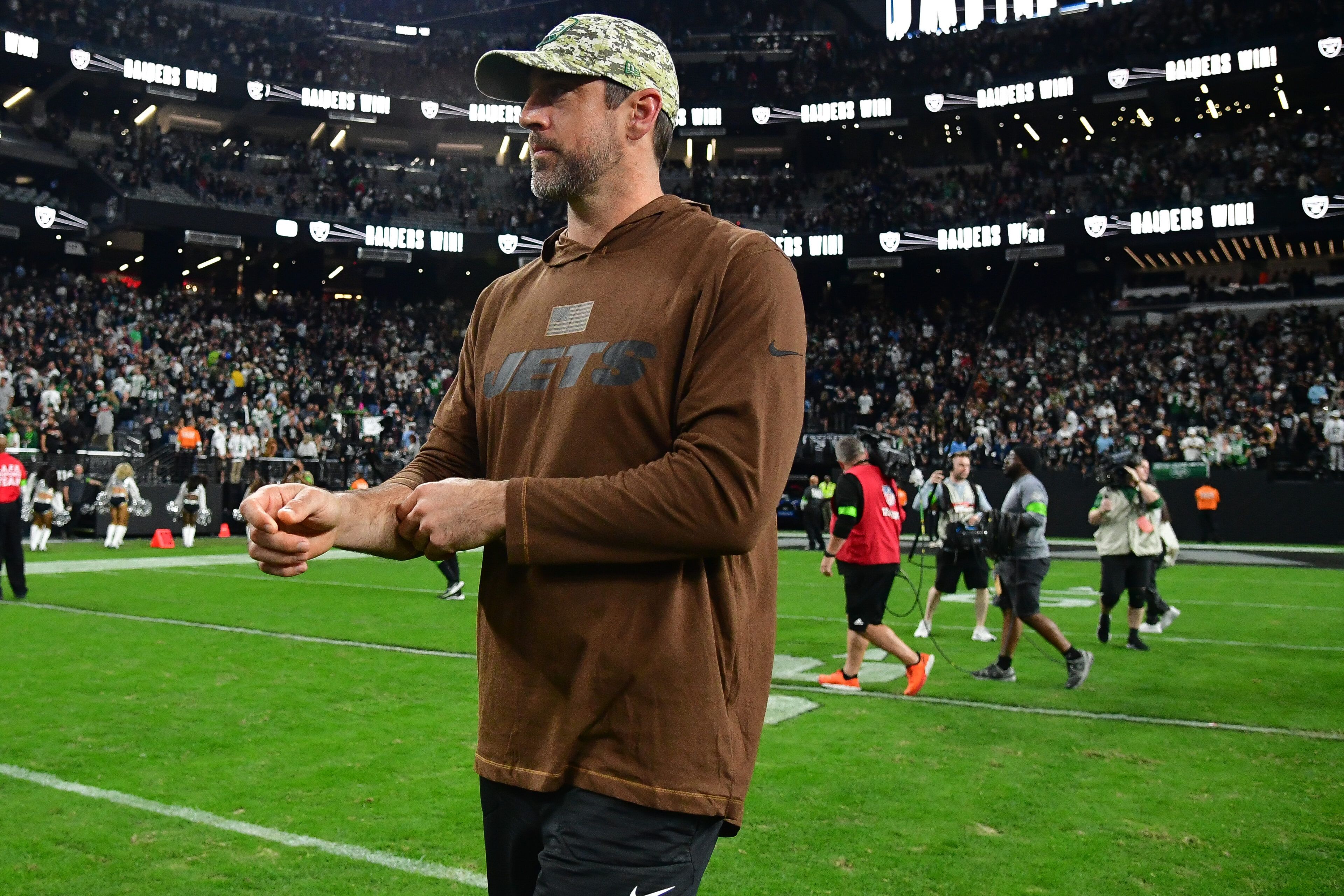
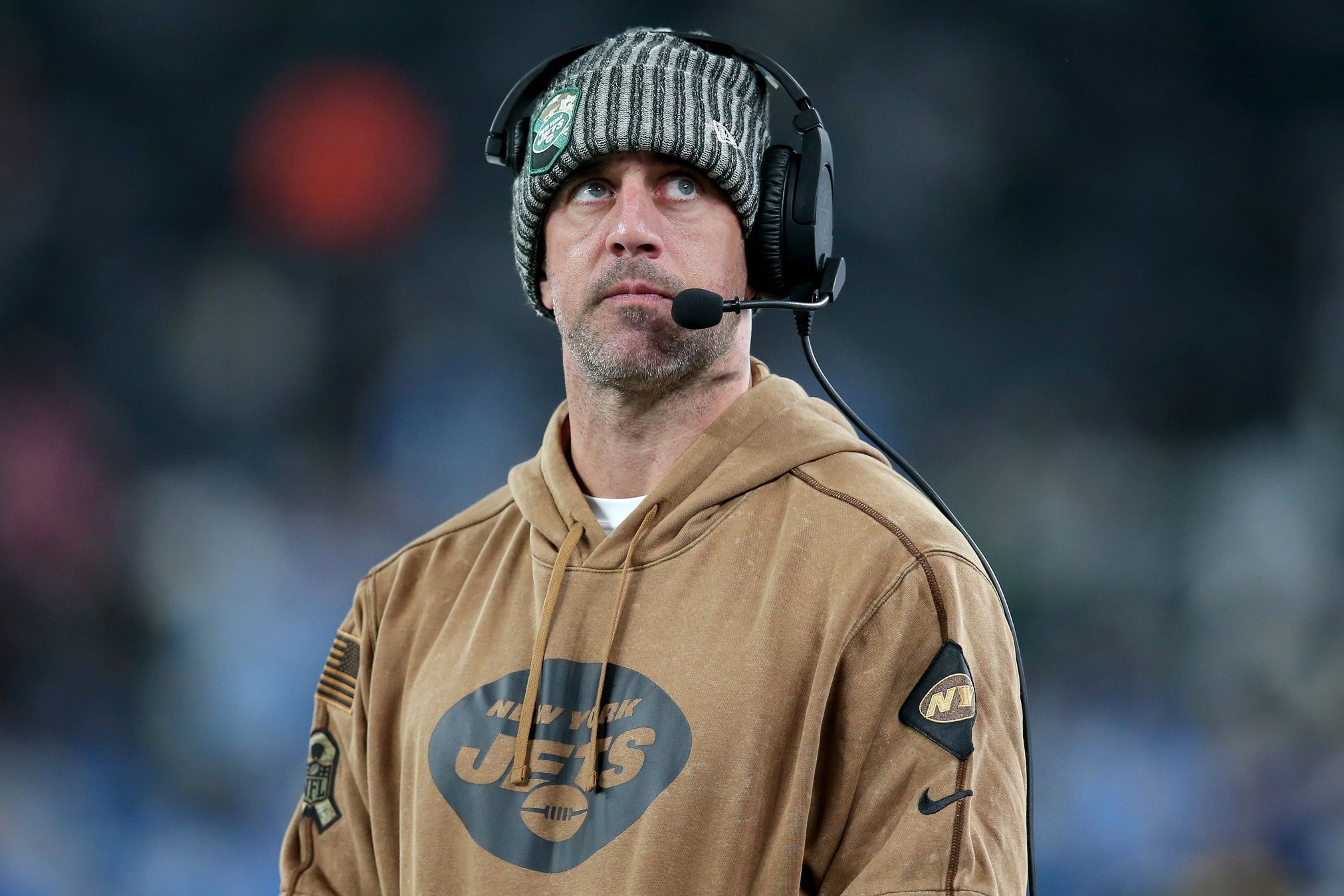
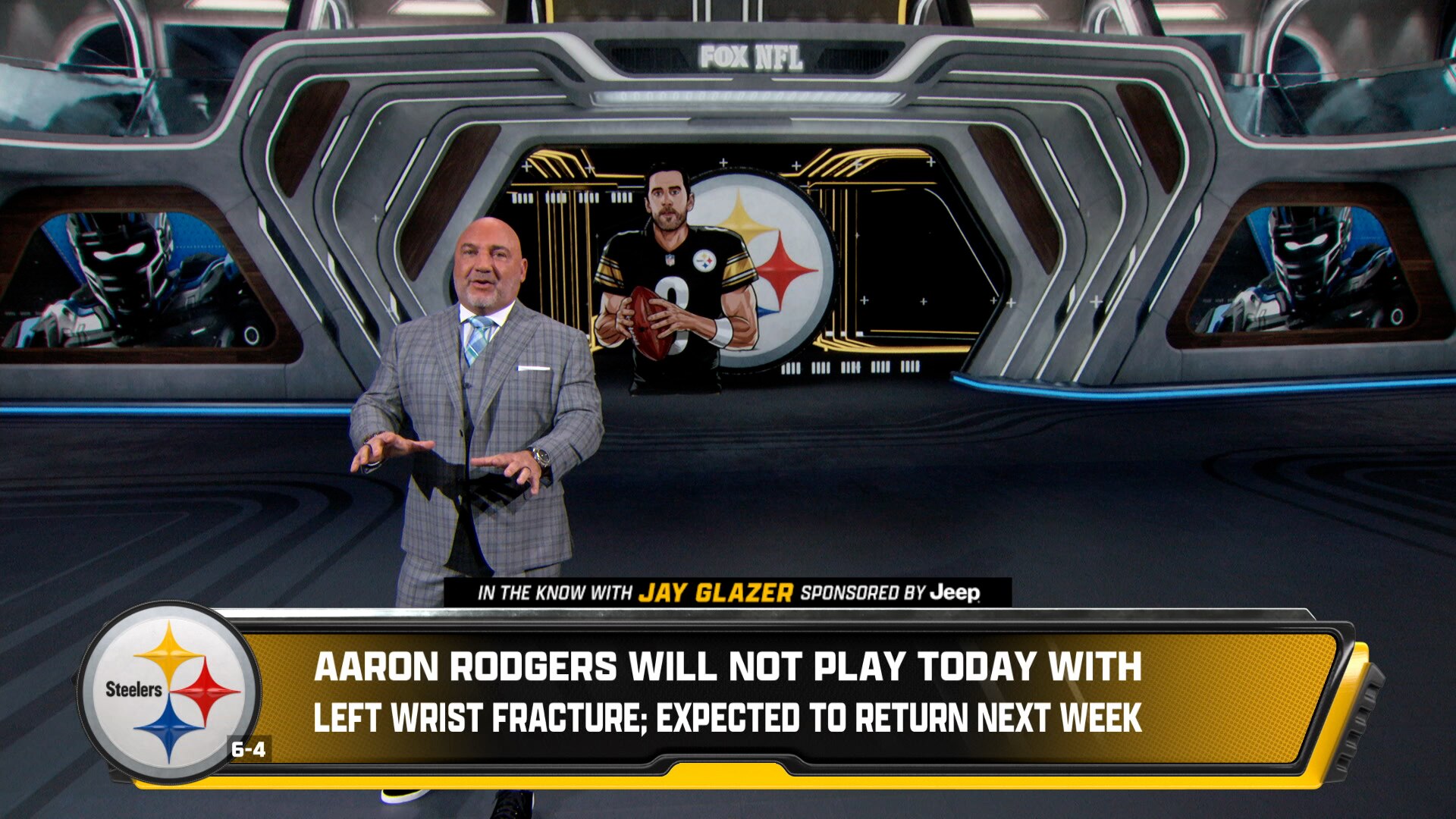
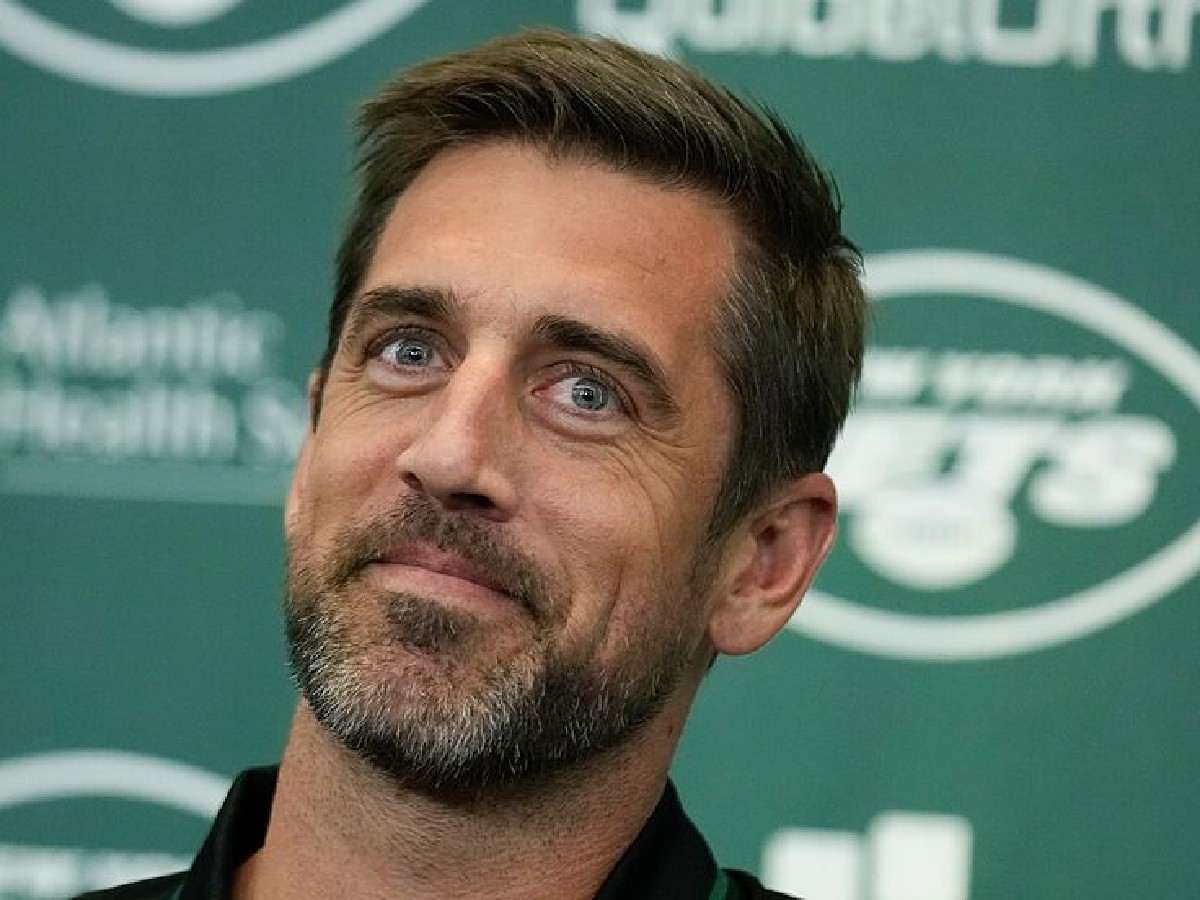
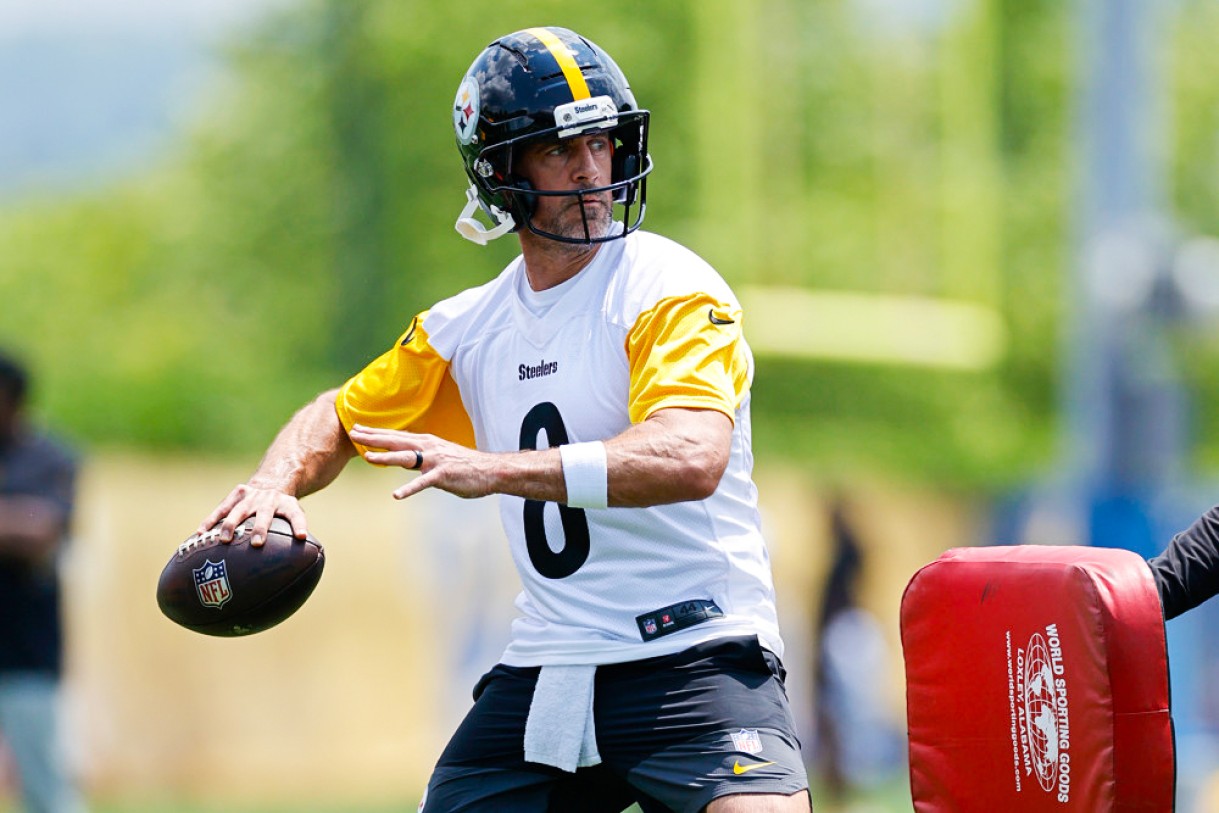
Aaron Rodgers has maintained an elite level of play for over two decades by balancing aggressive recovery protocols with an evolving pocket presence. While his 2023 Achilles tear stands as his most significant setback, a history of collarbone fractures, knee injuries, and minor fractures illustrates a career defined by resilience and meticulous physical management.
Across twenty-one seasons in the NFL, Aaron Rodgers has navigated the transition from a mobile, scrambling threat to a precision-based pocket passer. This evolution was not merely a choice but a necessity dictated by a series of significant injuries that altered his physical ceiling. To understand Rodgers' current status in 2026, one must analyze the cumulative impact of his surgical history and the biomechanical shifts required to maintain longevity into his 40s.
The 2023 Achilles Tear: A Pivotal Career Moment
The most significant inflection point in Rodgers’ later career occurred during his debut with the New York Jets in September 2023. A complete rupture of the left Achilles tendon on just the fourth snap of the season appeared to be a potential career-ender for a player nearing age 40. However, the subsequent "return analysis" became a case study in modern sports medicine.
Rodgers underwent an innovative "SpeedBridge" procedure performed by Dr. Neal ElAttrache. Unlike traditional repairs, this method utilizes high-strength tape to brace the tendon, potentially allowing for earlier weight-bearing and range-of-motion exercises. While Rodgers made headlines by attempting an unprecedented return within the same season, he was ultimately not activated, prioritizing full strength for the 2024 campaign.
The long-term impact of this injury has been visible in the years since. The Achilles is vital for a quarterback’s "drive leg"—the leg used to push off and generate velocity on deep throws. By 2026, Rodgers has successfully compensated for any loss of explosive twitch by refining his footwork, relying more on a quick release and upper-body torque than on the lower-body drive that characterized his MVP years in Green Bay.
Upper Body Resilience: The Clavicle and Thumb Injuries
Rodgers’ history with upper-body injuries is defined by his ability to play through significant discomfort. The most notable of these are his two separate collarbone (clavicle) fractures, which occurred four years apart.
- 2013 Left Clavicle Fracture: Occurred during a Week 9 game against the Chicago Bears. Because it was his non-throwing shoulder, Rodgers avoided surgery and returned after seven weeks to lead the Packers to a playoff berth. This injury highlighted his high pain tolerance but also established a pattern of "accelerated" returns.
- 2017 Right Clavicle Fracture: This was significantly more severe, as it involved his throwing shoulder. Following a hit from Anthony Barr, Rodgers required surgery that involved the insertion of 13 screws and two plates to stabilize the bone. Despite a brief return later that season, the injury forced him to recalibrate his throwing motion to account for the hardware in his shoulder.
- 2022 Avulsion Fracture of the Thumb: During his final season in Green Bay, Rodgers suffered a fracture in his right (throwing) thumb. He opted to play through the injury for several weeks, which clearly impacted his accuracy and the "zip" on his intermediate passes.
These injuries collectively forced Rodgers to become more economical with his movements. By 2026, medical analysts note that his shoulder stability remains high, though the cumulative scar tissue from the 2017 surgery requires a more extensive daily warm-up routine than earlier in his career.
Lower Extremity Stability: Knees, Calves, and Toes
While the Achilles tear is the most famous of his leg injuries, Rodgers has dealt with a recurring "chain" of lower-body issues that often stem from one another. In professional athletics, a foot injury often leads to calf strain, which can eventually put undue stress on the knee or Achilles.
In 2018, Rodgers suffered a tibial plateau fracture and an MCL sprain in Week 1. Remarkably, he played the entire season with a heavy brace, demonstrating a shift toward a "stationary" style of play. This period was crucial for his later career, as it taught him to navigate the pocket with limited mobility—a skill that became essential after his 2023 Achilles reconstruction.
Additionally, the 2021 season was marred by a fractured pinky toe (often referred to in media as "COVID toe," though Rodgers clarified it was a mechanical fracture). This minor but nagging injury prevented him from practicing for much of the season, though his on-field performance remained at an MVP level. This period proved that Rodgers’ mental processing and pre-snap reads could overcome physical limitations that would sideline lesser athletes.
Aaron Rodgers Career Injury Timeline
The following table summarizes the primary injuries that have resulted in missed games or required surgical intervention throughout his professional career.
| Year | Injury Type | Body Part | Games Missed | Primary Treatment |
|---|---|---|---|---|
| 2006 | Fracture | Left Foot | 10 | Rest/Rehab |
| 2010 | Concussion | Head | 1 | Protocol/Rest |
| 2013 | Fracture | Left Clavicle | 7 | Non-Surgical Rehab |
| 2017 | Fracture | Right Clavicle | 9 | Surgery (Plates/Screws) |
| 2018 | Fracture/Sprain | Knee (Tibial/MCL) | 0 | Braced Play/Rehab |
| 2021 | Fracture | Pinky Toe | 0 | Pain Management |
| 2022 | Fracture | Right Thumb | 0 | Taping/Bio-Management |
| 2023 | Rupture | Left Achilles | 16 | SpeedBridge Surgery |
| 2024 | Strain | Calf/Hamstring | 1 | Load Management |
| 2025 | Sprain | Ankle | 0 | Physical Therapy |
Biomechanical Analysis: The "New" Rodgers Playstyle
As of 2026, the "return analysis" for Aaron Rodgers indicates a player who has mastered the art of compensation. Biomechanically, Rodgers no longer relies on the "off-platform" throws that made him a highlight-reel staple in the 2010s. Instead, his game is built on three pillars:
- Pre-Snap Neutralization: By identifying blitzes and coverages earlier, he minimizes the time he needs to hold the ball, thereby reducing the "exposure window" where he might take a hit.
- Torque vs. Extension: Since the Achilles and calf injuries have slightly reduced his ability to "drive" from the ground up, Rodgers has increased his core rotational strength. This allows him to generate passing power through the obliques and hips rather than relying solely on the plant-foot push.
- Load Management: In the 2024 and 2025 seasons, the Jets implemented a strict practice regimen that limited his mid-week throwing volume. This "maintenance-first" approach has been essential in preventing the soft-tissue strains (calf and hamstring) that often plague older quarterbacks.
Recovery Philosophy and Modern Rehabilitation
Rodgers has often been vocal about his unconventional approach to health and recovery. Beyond traditional NFL physical therapy, he has utilized a variety of methods to extend his career into 2026. This includes hyperbaric oxygen therapy to accelerate tissue repair, specific nutritional protocols designed to reduce systemic inflammation, and a heavy emphasis on neurological training to maintain his elite reaction times.
From a clinical perspective, his recovery from the 2017 shoulder surgery and the 2023 Achilles tear are the most impressive. The use of internal bracing and advanced orthobiologics (such as platelet-rich plasma or PRP) played a role in maintaining the integrity of his joints. His "return timeline" has consistently outpaced standard medical expectations, largely due to his commitment to year-round conditioning.
FAQs: Understanding the Long-Term Impact
How did the Achilles injury change Rodgers' mobility?
The 2023 injury significantly reduced his "scramble-drill" capacity. While he can still move within the pocket to avoid pressure, he rarely attempts to gain significant yardage on the ground. His mobility is now "functional" rather than "explosive," focusing on creating better throwing lanes.
Is Aaron Rodgers still at risk for another collarbone fracture?
While the hardware (plates and screws) provides structural stability, the bone around the hardware can sometimes be more susceptible to stress. However, at this stage in his career, the risk is managed through a quicker release and a team offensive line strategy designed to prevent direct hits to his throwing side.
What is the SpeedBridge surgery Rodgers underwent?
The SpeedBridge is a surgical technique that uses high-strength SutureTape rather than traditional sutures alone. It provides more immediate stability to the Achilles tendon, allowing for an earlier start to the rehabilitation process, which is why Rodgers was able to return to practice much faster than athletes who underwent older surgical methods.
How has he managed to play through multiple fractures?
Rodgers is known for using a combination of specialized padding, custom orthotics (for his toe and foot injuries), and high-level pain management. His ability to maintain "accuracy under duress" while dealing with fractures in his feet or hands is a result of both mental toughness and advanced athletic taping techniques.
Will he require further surgeries after retirement?
Most NFL quarterbacks with his injury profile undergo "clean-up" procedures after retirement. This may include the removal of hardware from his 2017 shoulder surgery or arthroscopic procedures to address lingering scar tissue in his knees and ankles.
Future Outlook and Longevity Strategy
As the 2026 season progresses, Aaron Rodgers remains a formidable presence in the NFL, but his "injury history" is now a permanent part of his weekly preparation. For the New York Jets, the priority has shifted from maximum output to maximum availability.
Readers and fans should monitor the team’s injury reports not for "new" injuries, but for "maintenance days." At age 42, Rodgers’ ability to remain on the field is less about avoiding all injury and more about managing the cumulative stress of two decades of professional football. For those tracking his performance, the key metrics are no longer 40-yard dash times or rushing yards, but rather "time to throw" and "completion percentage under pressure." These figures indicate that while the body has been reconstructed, the mind remains the most effective tool in his arsenal.