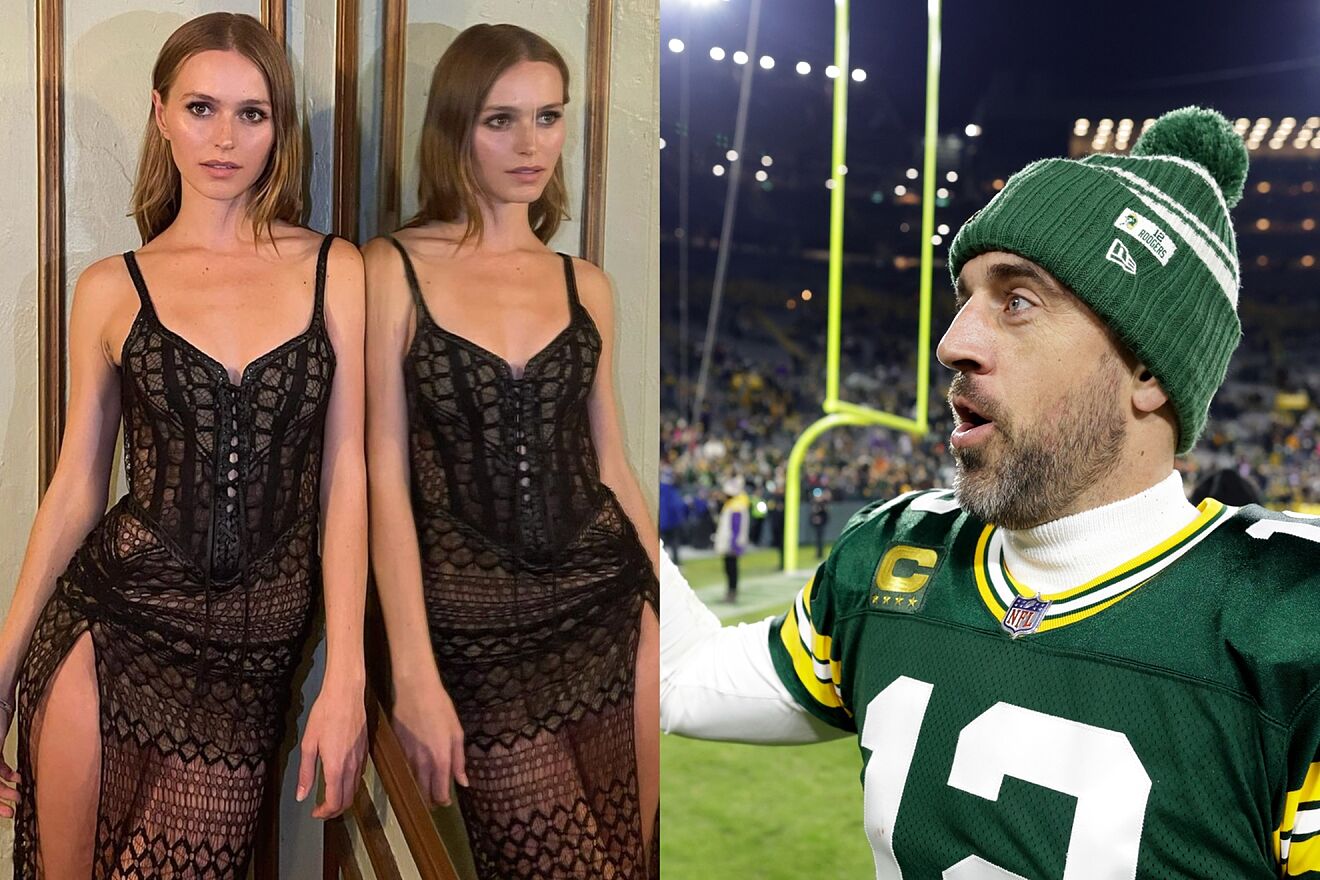
As of 2026, Aaron Rodgers continues to hold his minority ownership stake in the Milwaukee Bucks, a position he has maintained since his landmark acquisition in 2018. While his professional football career saw him transition from the Green Bay Packers to the New York Jets, his financial and emotional ties to the Wisconsin sports landscape remain anchored through this equity in the NBA franchise. The investment has proven to be one of the most successful ventures in his diversified portfolio, benefiting from the soaring valuations of NBA teams and the consistent competitive success of the Bucks organization.
The Evolution of Aaron Rodgers' Minority Stake in the Bucks
Aaron Rodgers officially joined the Milwaukee Bucks ownership group in April 2018, making history as the first active NFL player to hold an ownership stake in an NBA franchise. At the time, the move was seen as a profound statement of his commitment to the state of Wisconsin, despite the eventual conclusion of his playing days with the Green Bay Packers. Rodgers purchased a limited partnership interest from the original primary ownership group, which then consisted of Wes Edens, Marc Lasry, and Jamie Dinan.
The acquisition was not merely a vanity project; it was a strategic entry into the world of professional sports management. Under the NBA’s rules for limited partners, Rodgers does not oversee day-to-day basketball operations or salary cap management. Instead, he functions as a high-profile stakeholder who participates in major organizational milestones and benefits from the brand's global expansion. By 2026, this stake has transitioned from a symbolic gesture of loyalty to a significant pillar of Rodgers' post-playing career wealth management strategy.
Ownership Structure Changes and the Haslam Influence
The most significant shift in the Bucks' executive landscape since Rodgers joined occurred in 2023, when Marc Lasry sold his 25% stake in the team to Jimmy and Dee Haslam (owners of the NFL's Cleveland Browns) for a valuation of approximately $3.5 billion. This transaction fundamentally altered the majority governance of the team but did not displace minority owners like Rodgers.
As we look at the organization in 2026, the partnership between Wes Edens and the Haslam Sports Group defines the "Governor" rotation—the primary decision-making role that alternates between the majority owners. For Rodgers, this transition required navigating a new executive dynamic. The Haslams brought a different philosophy regarding sports multi-franchise ownership, yet they have publicly acknowledged the value of having a figure of Rodgers' stature involved in the Bucks’ ecosystem. Rodgers continues to operate as a Limited Partner (LP), providing him with access to the financial upsides of the league’s growth without the administrative burdens of a lead governor.
Financial Growth and NBA Market Valuation in 2026
The financial trajectory of the Milwaukee Bucks since Rodgers’ entry has been nothing short of meteoric. When Wes Edens and Marc Lasry purchased the team in 2014, the price was roughly $550 million. By the time Rodgers invested in 2018, the value had risen significantly, but it was the post-2021 championship era and the subsequent NBA media rights explosion that truly redefined the asset's value.
By 2026, several factors have contributed to the increased valuation of Rodgers' stake:
- Media Rights Expansion: The NBA’s latest multi-billion dollar media rights deal, which commenced recently, has dramatically increased the annual distributions to all 30 teams.
- Fiserv Forum and Deer District Development: The continued maturation of the "Deer District" around the arena has turned the Bucks into a real estate powerhouse as much as a basketball team.
- International Brand Growth: Led by the global stardom of Giannis Antetokounmpo, the Bucks have become a top-tier international brand, driving jersey sales and sponsorship revenue in markets far beyond the Midwest.
Milwaukee Bucks Valuation Milestones (2014–2026)
| Year | Milestone | Estimated Franchise Valuation |
|---|---|---|
| 2014 | Edens/Lasry Purchase | $550 Million |
| 2018 | Aaron Rodgers Joins Ownership | $1.07 Billion |
| 2021 | NBA Championship Title | $1.9 Billion |
| 2023 | Haslam Purchase of Lasry Stake | $3.5 Billion |
| 2026 | Current Market Position | $4.2 - $4.5 Billion |
The "Packer to Jet" Transition and Its Impact on Ownership
One of the most frequent questions regarding Rodgers' ownership concerns his move to the New York Jets in 2023. Critics and fans initially wondered if leaving the Green Bay Packers would necessitate a divestment from the Milwaukee Bucks. However, NBA ownership rules do not require a minority owner to reside in the same state or play for a local team, provided there is no conflict of interest with the NBA's own regulations.
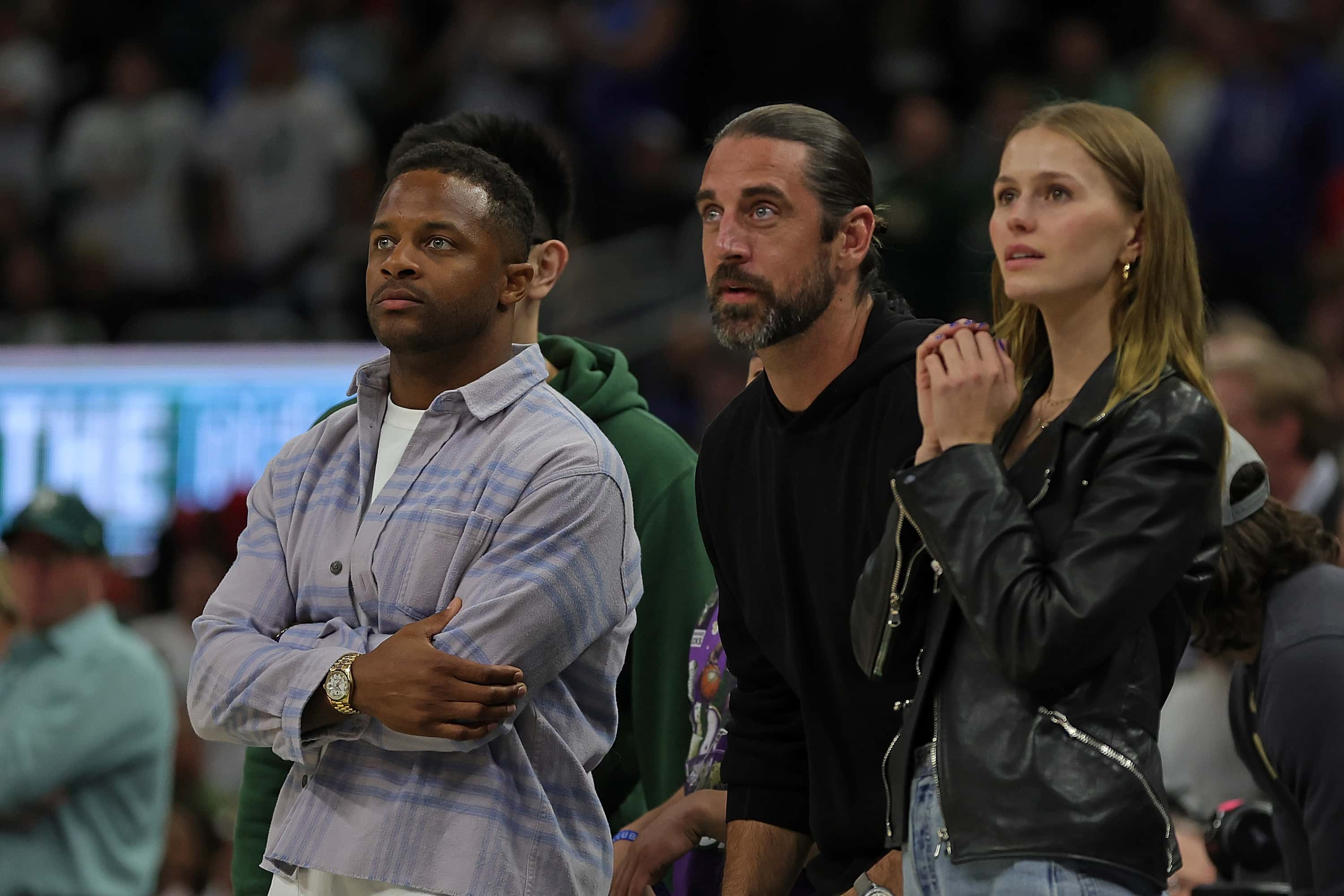
Rodgers has maintained a visible presence at Bucks games when his NFL schedule allows, often appearing courtside during the NBA playoffs. In 2026, his role as a bridge between the Wisconsin sports legacy and the New York market has actually served the Bucks' marketing interests. He remains a vocal supporter of the team's stars, particularly his long-standing friendship with Giannis Antetokounmpo. This relationship has become a benchmark for how elite athletes across different sports can collaborate and support one another’s professional ventures.
Legal and Ethical Considerations for Athlete-Owners
The NBA and NFL have strict guidelines regarding "cross-ownership" and player-owner relationships to prevent salary cap circumvention or unfair competitive advantages. Rodgers' status as a minority owner of the Bucks while being an active (or recently retired) NFL player required rigorous vetting by both leagues’ legal departments.
- Conflict of Interest: Since the NFL and NBA are separate entities, there is no direct conflict of interest. However, Rodgers cannot hold a stake in an NFL team while playing in the league.
- Collective Bargaining Agreement (CBA): The NBA’s CBA includes provisions that limit how active players can be involved in ownership. While these rules primarily target NBA players owning NBA teams, they also set a precedent for how external professional athletes like Rodgers are integrated into the league's financial structure.
- Governance Rights: As a Limited Partner, Rodgers is generally restricted from influencing player trades, free-agent signings, or league-level voting. His role is primarily that of a capital investor with peripheral branding influence.
Future Outlook: Will Rodgers Increase His Stake?
As Rodgers moves deeper into the 2020s, speculation often turns to whether he will seek a larger role in sports ownership. There are persistent rumors in the sports finance world that Rodgers could eventually headline an investment group for a future expansion team or seek to increase his percentage in the Bucks should one of the other limited partners decide to exit.
However, the barrier to entry for majority ownership has risen significantly. With NBA team valuations now consistently exceeding $4 billion, even a high-earning athlete like Rodgers typically requires a massive private equity backing to move from a minority "celebrity" owner to a controlling governor. In the current 2026 landscape, Rodgers appears content with his current position, which allows him to enjoy the prestige and profit of NBA ownership while focusing on his various other business interests, including health and wellness ventures and sustainable technology investments.
Strategic Benefits of Sports Team Ownership
For Rodgers, the Bucks ownership is more than just a financial asset; it is a laboratory for learning the mechanics of the sports business.
- Networking: Being part of an ownership group that includes figures like Wes Edens (founder of Fortress Investment Group) provides Rodgers with unparalleled access to elite financial minds.
- Post-Career Platform: Ownership ensures that Rodgers remains a relevant figure in sports media and executive circles long after his final touchdown pass.
- Tax Advantages: Professional sports ownership offers unique depreciation and amortization benefits that are highly attractive to high-net-worth individuals.
Frequently Asked Questions
Does Aaron Rodgers have a vote in Bucks' player personnel decisions?
No. As a minority owner and limited partner, Aaron Rodgers does not have voting rights regarding trades, coaching hires, or player drafts. These decisions are handled by the General Manager and the primary Governors (Wes Edens and the Haslam family). Rodgers' role is primarily as a financial stakeholder.
Did Aaron Rodgers sell his stake when he joined the New York Jets?
No, Rodgers did not sell his stake in the Milwaukee Bucks upon his trade to the New York Jets. He has maintained his investment consistently since 2018. The NBA permits out-of-market owners, and there is no rule preventing an NFL player from owning a stake in an NBA team in a different city.
What percentage of the Milwaukee Bucks does Aaron Rodgers own?
While the exact figure is not a matter of public record due to the private nature of the partnership agreement, it is widely reported to be a "minority" or "limited" stake, likely representing 1% or less of the total franchise equity. Despite the small percentage, the multi-billion dollar valuation of the team makes this a multi-million dollar asset.
Can Aaron Rodgers own an NFL team while owning the Bucks?
Yes, he can own a stake in an NBA team while owning a stake in an NFL team, but there is a major catch: the NFL prohibits active players from owning any portion of an NFL franchise. If Rodgers wished to buy into an NFL team, he would generally need to be fully retired from the league first.
How often does Rodgers attend Bucks games in 2026?
Rodgers' attendance has become more frequent during the NFL off-season. While his time in New York made regular-season attendance difficult, he remains a staple at high-stakes playoff games at Fiserv Forum, often seen supporting the team alongside other prominent Wisconsin figures.
Tracking Your Investment Portfolio Like a Pro
For those looking to follow in the footsteps of athlete-investors like Aaron Rodgers, the key takeaway is diversification and long-term holding. Rodgers invested in the Bucks during a period of league-wide growth and held through championship wins and ownership restructuring.
If you are tracking sports equities or considering "fractional ownership" platforms that have become popular by 2026, focus on franchises with strong local infrastructure (like the Deer District) and international growth potential. While you may not be able to buy a direct stake in an NBA team for the price Rodgers paid, the rise of sports-focused ETFs and publicly traded sports groups provides a pathway for the average investor to gain exposure to the same economic tailwinds that have benefited the Bucks' ownership group.