Aaron Hernandez and Shayanna Jenkins maintained a high-profile, complex relationship spanning high school romance, NFL stardom, and multiple criminal trials. Despite frequent media references calling Jenkins his wife, the couple was engaged but never legally married. Their bond endured through Hernandez's 2015 murder conviction, his 2017 death, and subsequent legal battles over his estate.
Clarifying the Marital Status: Fiancée vs. Legally Married Wife
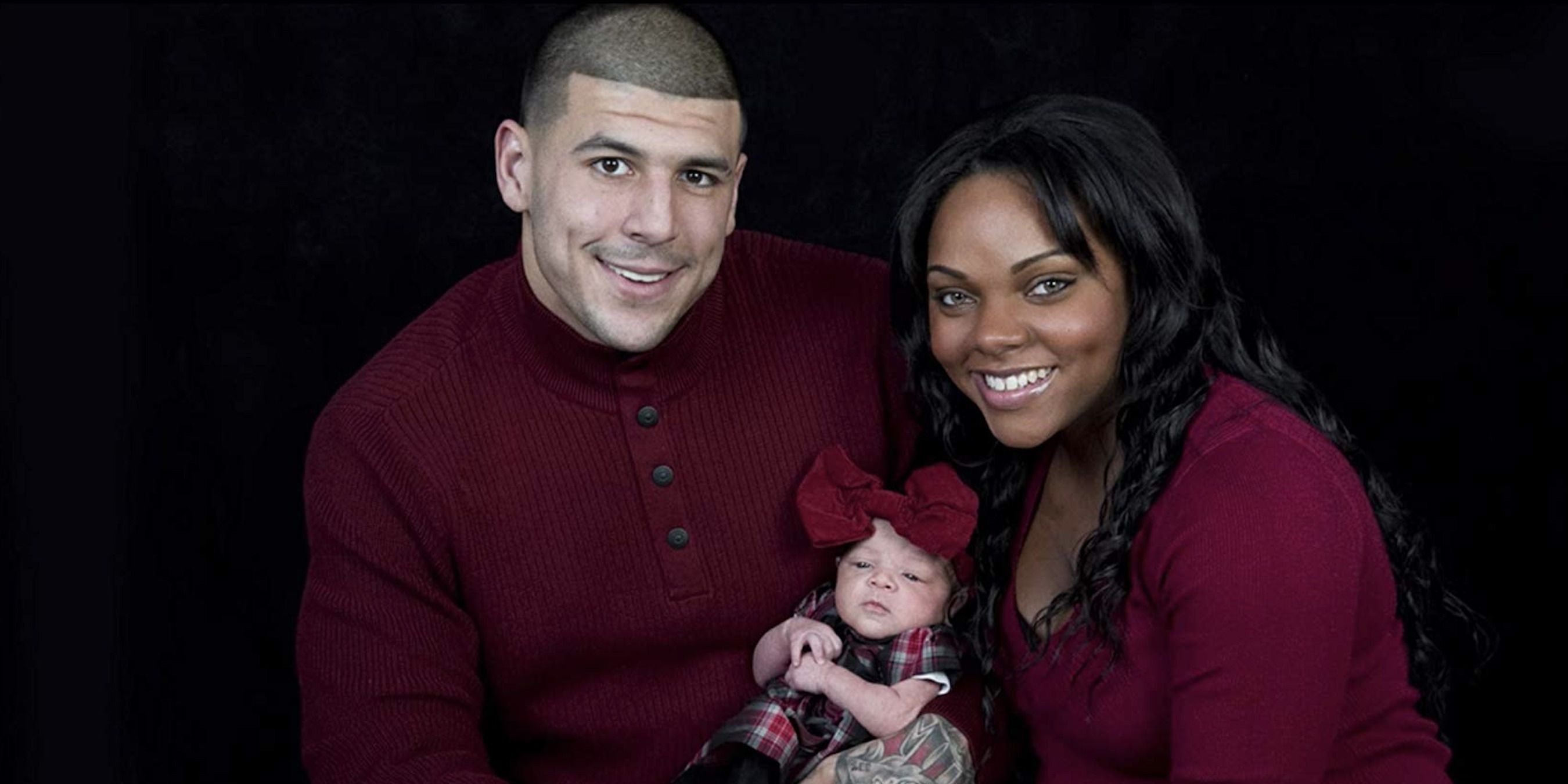
Public commentary often refers to Shayanna Jenkins as Aaron Hernandez’s wife, but official records confirm they were never legally married. The couple became engaged in November 2012, shortly after the birth of their daughter, Avielle Janelle Hernandez. While they shared a home in North Attleborough, Massachusetts, and lived as a family unit, no marriage certificate was ever filed in any jurisdiction.
- Bristol Central High School
- Relationship Begins
- Avielle Born (Nov 2012)
- Engaged Nov 2012
- Name Change Filed: Jenkins-Hernandez (2015)
- Never Legally Married
- Formal Legal Status: Engaged
In September 2015, while Hernandez was serving a life sentence without the possibility of parole, Jenkins filed a formal petition in Bristol County Probate and Family Court to legally append "Hernandez" to her surname. The court approved the request, changing her legal name to Shayanna Jenkins-Hernandez. This legal name change was a personal designation and did not alter her civil marital status under Massachusetts state law.
The distinction between a legal spouse and a fiancée carried significant evidentiary implications during the criminal investigations. Under Massachusetts law (M.G.L. c. 233, § 20), spousal privilege allows a legally married individual to decline to testify against their spouse in a criminal proceeding. Because Jenkins and Hernandez were not legally married, Jenkins could not claim marital privilege during grand jury proceedings or trials. Consequently, prosecutors compelled her testimony under a court order of transactional immunity to gather evidence regarding the aftermath of the June 2013 murder of Odin Lloyd.
Chronological Timeline of the Relationship (2007–2017)
The personal history between Aaron Hernandez and Shayanna Jenkins spans a decade marked by professional success, severe criminal charges, and personal tragedy.
| Year | Event / Milestone |
|---|---|
| 2007 | Relationship begins at Bristol Central High School |
| 2010 | Hernandez drafted by New England Patriots; pair relocates |
| 2012 | Daughter Avielle born (Nov 6); pair becomes engaged |
| 2013 | Odin Lloyd murdered (June 17); Hernandez arrested (June) |
| 2015 | Murder conviction (April); Jenkins legally changes name |
| 2017 | Hernandez acquitted of double murder; dies by suicide |
| 2019 | Mass. Supreme Judicial Court restores murder conviction |
High School Years and Early Life (2007–2009)
Hernandez and Jenkins met while attending Bristol Central High School in Bristol, Connecticut. They began dating during their teenage years, establishing an on-and-off relationship while Hernandez emerged as a nationally ranked high school football prospect. When Hernandez graduated early to attend the University of Florida in 2007, the couple maintained their connection despite the geographic distance.
NFL Career and Engagement (2010–2012)
Following his selection by the New England Patriots in the 2010 NFL Draft, Hernandez relocated to Massachusetts, where Jenkins joined him. Their relationship stabilized publicly as Hernandez established himself as an elite NFL tight end, leading to a five-year contract extension in 2012 worth up to $40 million. On November 6, 2012, Jenkins gave birth to their daughter, Avielle Janelle Hernandez. Later that same month, the couple formally announced their engagement.
The Murder Investigation and Arrest (2013)
On June 17, 2013, semi-professional football player Odin Lloyd was found shot to death in an industrial park in North Attleborough, Massachusetts. Lloyd was dating Shaneah Jenkins, Shayanna’s younger sister, which introduced an immediate strain into the family dynamics.
Investigators focused on Hernandez after finding text messages and surveillance footage linking him to Lloyd on the night of the homicide. Hernandez was arrested on June 26, 2013, and charged with first-degree murder. The New England Patriots released him within hours of his arrest.
Conviction, Incarceration, and Continued Support (2014–2016)
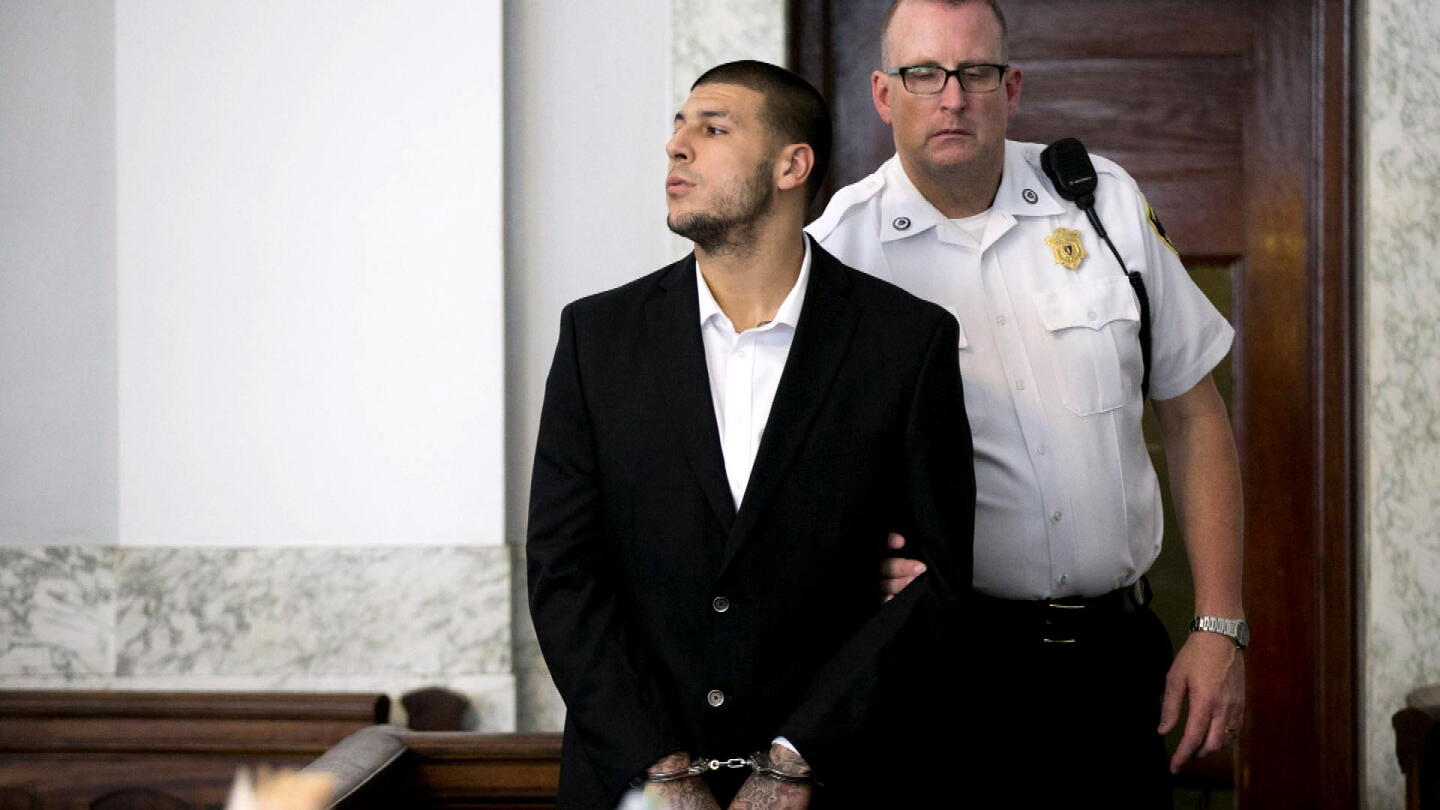
Throughout the 2015 trial in Bristol County Superior Court, Jenkins attended proceedings regularly, taking a seat directly behind the defense table. On April 15, 2015, the jury found Hernandez guilty of first-degree murder, resulting in an automatic sentence of life imprisonment without parole. Despite the verdict, Jenkins publicly maintained her belief in his innocence, continued visiting him at the Souza-Baranowski Correctional Center, and changed her surname to Jenkins-Hernandez later that year.
Double Murder Acquittal and Hernandez’s Death (2017)
In early 2017, Hernandez stood trial in Suffolk County for the 2012 drive-by shootings of Daniel de Abreu and Safiro Furtado in Boston. On April 14, 2017, a jury acquitted Hernandez of double murder while convicting him of a single charge of unlawful gun possession.
Five days later, on April 19, 2017, correction officers found Hernandez dead in his cell. The state medical examiner ruled his death a suicide by hanging. He left behind three handwritten notes, including one addressed to Jenkins and another to their daughter, Avielle.
The Legal Proceedings, Sisterly Conflict, and Immunity
The criminal proceedings against Aaron Hernandez divided the Jenkins family. Shaneah Jenkins was dating victim Odin Lloyd at the time of his death, placing her in direct alignment with the prosecution. Shayanna Jenkins aligned herself with Hernandez, creating a permanent rift between the sisters during the grand jury phase and trial.
- Odin Lloyd Homicide (June 2013)
- Shaneah Jenkins (Dating Odin Lloyd)
- Aligned with Prosecution & Lloyd Family
- Shayanna Jenkins (Engaged to Hernandez)
- Granted Immunity; Testified about Disposing of Box
- Shaneah Jenkins (Dating Odin Lloyd)
Because Shayanna was not married to Hernandez, prosecutors subpoenaed her to testify before a grand jury. When she initially hesitated to answer questions regarding Hernandez's actions after the murder, prosecutors charged her with perjury. To secure her cooperation for the trial, the Commonwealth granted her transactional immunity, meaning she could not be prosecuted for disclosures made in her testimony unless she committed perjury on the stand.
During her trial testimony in March 2015, Jenkins disclosed key details about the days immediately following Lloyd's murder:
- She testified that Hernandez asked her to remove a heavy trash bag or box from their North Attleborough home's basement.
- She stated she placed the item into a large trash bag, covered it with clothes, and drove to an undisclosed location to discard it in a dumpster.
- She testified under oath that she never opened the box and could not identify its contents, nor could she remember where she threw it away. Prosecutors asserted the container housed the missing murder weapon, a .45-caliber Glock pistol, which was never recovered.
Legal Status of Conviction and Abatement History
The legal status of Aaron Hernandez's criminal record underwent unprecedented shifts under Massachusetts law following his death in April 2017.
Initial Abatement Under Massachusetts Common Law (2017)
At the time of his death, Hernandez's direct appeal of his 2015 first-degree murder conviction was pending before the Massachusetts appellate courts. Under a long-standing legal doctrine known as abatement ab initio (abatement from the beginning), if a criminal defendant dies before their direct appeal is decided, the legal system vacates the conviction, dismisses the indictment, and restores the deceased individual's legal status to unconvicted status.
On May 9, 2017, Superior Court Judge E. Susan Garsh applied this precedent and officially abated Hernandez’s first-degree murder conviction for the killing of Odin Lloyd.
Appeal and the Supreme Judicial Court Ruling (2019)
The District Attorney for the Bristol District, along with Odin Lloyd’s estate, appealed the abatement order to the Massachusetts Supreme Judicial Court (SJC). Prosecutors argued that the doctrine was outdated, denied victims' families justice, and incentivized defendants to take their own lives to preserve their legal record or financial assets.
On March 13, 2019, the SJC issued a definitive ruling in Commonwealth v. Hernandez (481 Mass. 582). The court formally abolished the doctrine of abatement ab initio across Massachusetts jurisprudence, holding that a defendant's death while an appeal is pending does not erase a trial court's finding of guilt. The SJC vacated Judge Garsh’s 2017 order, reinstating Aaron Hernandez’s official legal record as a convicted murderer.
Comparative Overview of Key Personal and Legal Events
| Event / Legal Milestone | Date / Period | Primary Entities Involved | Official Legal Outcome / Current Status |
|---|---|---|---|
| High School Relationship Begins | 2007 | Aaron Hernandez, Shayanna Jenkins | Personal relationship established in Bristol, CT. |
| Birth of Avielle & Engagement | Nov 2012 | Aaron Hernandez, Shayanna Jenkins | Engaged; no civil marriage completed. |
| Murder of Odin Lloyd | June 17, 2013 | Aaron Hernandez, Odin Lloyd | Leads to Hernandez's arrest on June 26, 2013. |
| Grant of Immunity & Testimony | March 2015 | Shayanna Jenkins, MA Prosecutors | Immunity granted; testified regarding box disposal. |
| First-Degree Murder Conviction | April 15, 2015 | Commonwealth of MA v. Aaron Hernandez | Convicted; sentenced to life imprisonment without parole. |
| Legal Name Change | Sept 2015 | Shayanna Jenkins | Name changed to Shayanna Jenkins-Hernandez. |
| Double Murder Acquittal | April 14, 2017 | Aaron Hernandez, Daniel de Abreu, Safiro Furtado | Acquitted of murders; convicted of unlawful firearm carry. |
| Death by Suicide | April 19, 2017 | Aaron Hernandez | Died at Souza-Baranowski Correctional Center. |
| Post-Mortem Conviction Restoration | March 13, 2019 | Mass. SJC (Commonwealth v. Hernandez) | Abatement ab initio abolished; murder conviction reinstated. |
Financial Estate, NFL Pension, and Trust Management
Following Aaron Hernandez's death, substantial public interest centered on his financial assets, his contracts with the New England Patriots, and his NFL pension benefits.
- Aaron Hernandez Estate
- Insolvent Direct Estate (Home Sold; Creditor Claims)
- Protected Irrevocable Trust (NFL Pension & Death Benefits)
- Beneficiary: Daughter Avielle (Overseen by Independent Trustees)
Estate Insolvency and Creditor Claims
Upon his death, Hernandez's direct estate was essentially insolvent. His primary real estate asset—a 7,100-square-foot home in North Attleborough—was sold in 2017 for approximately $1 million. The proceeds were tied up in court-supervised escrow to satisfy pending civil suits, including wrongful death claims filed by the mother of Odin Lloyd and the families of Daniel de Abreu and Safiro Furtado.
The New England Patriots withheld unpaid guaranteed money and signing bonus balances totaling roughly $6 million following his 2013 arrest, citing breaches of contract. The estate attempted to pursue grievances through arbitration, but the financial recoveries remained restricted due to civil liabilities.
The Avielle Hernandez Irrevocable Trust
While Hernandez's direct estate lacked liquidity, his NFL pension and death benefits were protected under collective bargaining agreements between the NFL and the NFL Players Association (NFLPA). These funds were directed into an irrevocable trust established for the benefit of his daughter, Avielle Janelle Hernandez.
Shayanna Jenkins-Hernandez served as the court-appointed conservator for Avielle, granting her administrative access to trust distributions intended for raising and educating their daughter. However, this administration led to subsequent legal disputes:
- Trustee Accounting Conflicts: Independent court-appointed conservators and trustees reviewed financial accounting filings made by Jenkins-Hernandez.
- Disputed Expenditures: Proceedings in probate court questioned various trustee expense reimbursements, including clothing, personal travel, and home upkeep expenses, leading to tighter judicial oversight of trust withdrawals.
- Current Status: The trust remains actively protected for Avielle's long-term benefit, independent of claims against the primary Hernandez estate.
Professional Legal Advice Disclaimer and Research Standards
The details surrounding criminal record abatement, marital privilege exceptions, estate administration, and trust governance involve complex statutory interpretations across civil and criminal domains.
Notice: The information presented in this document is compiled strictly for educational, archival, and historical research purposes based on court records, statutory filings, and judicial opinions from the Commonwealth of Massachusetts. It does not constitute legal counsel, formal estate planning advice, or professional consultation. Readers seeking guidance on criminal procedure, probate litigation, or trust administration in Massachusetts or other jurisdictions must consult a qualified attorney licensed to practice law in the relevant state.
Verifying Facts and Accessing Official Archival Records
Researchers, journalists, and legal analysts seeking primary-source documentation regarding Aaron Hernandez, Shayanna Jenkins, and their legal cases should rely on official public repositories rather than speculative media summaries.
- Review Appeals Decisions: Obtain full opinions directly from the Massachusetts Supreme Judicial Court, specifically Commonwealth v. Hernandez, 481 Mass. 582 (2019), available through official state judicial databases such as Mass.gov or Social Law Library archives.
- Examine Superior Court Records: Review trial proceedings and docket entries from the Bristol County Superior Court (Fall River, MA) regarding the 2015 murder trial, including transcripts of Shayanna Jenkins’s immunity testimony.
- Verify Probate & Family Court Filings: Access probate filings in Bristol County Probate and Family Court to trace legal petitions regarding name changes, guardianship, and conservatorship accounting for minor beneficiaries.
- Consult Published Historical Case Studies: Review formal legal analysis papers discussing the abolition of the abatement ab initio doctrine published in standard law reviews, such as the Suffolk University Law Review or Boston College Law Review.
Were Aaron Hernandez and Shayanna Jenkins legally married?
No. Aaron Hernandez and Shayanna Jenkins were high school sweethearts who became engaged in November 2012. Although Jenkins legally added "Hernandez" to her last name via court petition in 2015, the couple never solemnized a legal marriage, and no civil marriage certificate was ever executed.
How was Shayanna Jenkins related to murder victim Odin Lloyd?
Shayanna Jenkins was not directly related to Odin Lloyd, but Lloyd was actively dating her younger sister, Shaneah Jenkins, at the time of his murder in June 2013. This relationship created a severe personal division between the two sisters during the trial.
Is Aaron Hernandez legally considered guilty of murder today?
Yes. Although his first-degree murder conviction was briefly abated (vacated) following his death by suicide in 2017, the Massachusetts Supreme Judicial Court overturned that ruling in March 2019 (Commonwealth v. Hernandez). The court abolished the abatement doctrine, permanently restoring his murder conviction on the legal record.
Did Shayanna Jenkins testify against Aaron Hernandez during his trial?
Shayanna Jenkins testified during the 2015 murder trial after prosecutors granted her transactional immunity, which protected her from perjury-related self-incrimination. She testified about disposing of a heavy trash bag on Hernandez's instructions, though she claimed under oath that she did not know what was inside the container and could not recall where she threw it away.
What happened to Aaron Hernandez's money and NFL assets?
Aaron Hernandez's direct estate was largely insolvent due to legal costs, real estate expenses, and civil claims. However, his NFL pension and death benefits were directed into an irrevocable trust designated for his daughter, Avielle. That trust remains under independent court oversight to preserve funds for her upbringing and education.