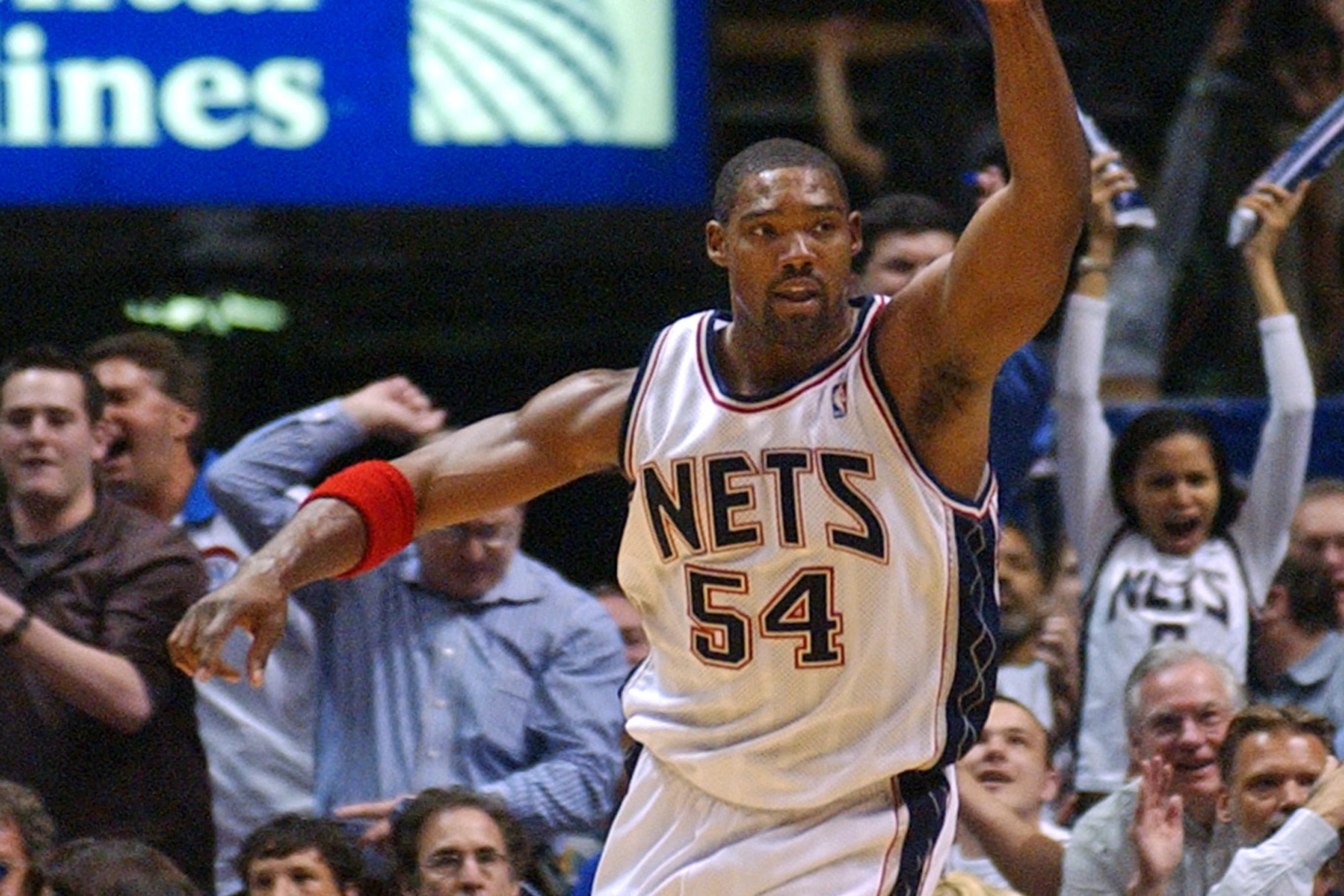
Former NBA center Aaron Gray has an estimated net worth between $4 million and $7 million as of 2026. Over a seven-season playing career in the National Basketball Association, Gray accumulated over $13 million in total gross contract earnings before a career-ending medical condition prompted his successful transition into NBA player development and coaching.
Breakdown of Aaron Gray’s Estimated Net Worth
Determining the net worth of a retired professional athlete involves evaluating gross career earnings, tax obligations, agent commissions, post-playing career income, and long-term asset accumulation. For Aaron Gray, the foundation of his wealth stems from seven years of fully guaranteed NBA contracts across four different franchises.
- Gross NBA Playing Salary: ~$13.2 Million
- Estimated Net Post-Tax/Fees: ~$6.0 Million - $6.5 Million
- Post-Career Coaching Income: ~$1.0 Million - $2.0 Million cumulative
- Estimated 2026 Net Worth: $4.0 Million - $7.0 Million
During an NBA career spanning from 2007 to 2014, gross player compensation is subject to significant deductions. High-earning professional athletes typically lose roughly 40% to 50% of their total contract values to federal income taxes, state income taxes (including "jock taxes" levied by states where away games are played), and local taxes. Additionally, standard sports agency commissions typically range between 3% and 4% of contract value.
After accounting for core living expenses, capital management, and investments, Gray's net retention from playing salaries lies conservatively in the multi-million dollar range. That equity has been further bolstered by his continuous employment within the NBA ecosystem as a player development specialist and assistant coach, alongside vested retirement benefits provided by the NBA Players Association (NBPA).
Year-by-Year NBA Salary and Contract History
Aaron Gray entered the NBA as the 49th overall pick in the second round of the 2007 NBA Draft. Despite being a second-round pick—where contracts are not fully guaranteed by standard rookie scale rules—his impressive size (7 feet 0 inches, 270+ lbs) and solid collegiate performance allowed him to secure consistent, multi-year NBA roster spots.
| Season | Team / Franchise | Contract / Role | Salary (Gross USD) |
|---|---|---|---|
| 2007–08 | Chicago Bulls | Rookie Contract | $427,163 |
| 2008–09 | Chicago Bulls | Rookie Contract | $711,517 |
| 2009–10 | Chicago / New Orleans | Team Option / Trade | $1,000,000 |
| 2010–11 | New Orleans Hornets | Free Agent Contract | $1,049,000 |
| 2011–12 | Toronto Raptors | Multi-Year Deal | $2,500,000 |
| 2012–13 | Toronto Raptors | Guaranteed Contract | $2,574,000 |
| 2013–14 | Toronto / Sacramento | Trade / Final Season | $2,683,000 |
| 2014–15 | Detroit Pistons | Guaranteed Deal* | $1,227,985 |
*Note: Salary paid following guaranteed contract agreement prior to medical retirement.
The Early Years: Chicago Bulls (2007–2010)
Gray spent his first two and a half seasons with the Chicago Bulls, serving as a reliable backup center behind Ben Wallace and later Joakim Noah. In his rookie year, Gray earned $427,163, which scaled up to $711,517 in his second season. During his third year, he was traded to the New Orleans Hornets midway through the season, earning roughly $1 million overall. His physical post defense and rebounding made him a valuable frontcourt asset despite modest stat lines.
Establishing Value: New Orleans Hornets (2010–2011)
In New Orleans, Gray carved out a vital role in the rotation. His performance during the 2011 NBA Playoffs against the Los Angeles Lakers—where he scored 12 points and grabbed 6 rebounds in a key Game 1 victory—significantly raised his profile across the league. His play during this period positioned him for his largest professional contract.
Peak Earning Window: Toronto Raptors & Sacramento Kings (2011–2014)
In December 2011, Gray signed a multi-year deal with the Toronto Raptors. Over his time in Toronto, he averaged over $2.5 million annually, representing the peak earning window of his playing career. In December 2013, Gray was traded to the Sacramento Kings alongside Rudy Gay and Quincy Acy in a multi-player deal. Gray completed the 2013–14 season with Sacramento, earning $2,683,000 for the year.
University of Pittsburgh Legacy and Draft Stock Development
Before earning millions in the NBA, Gray established his financial potential through a standout collegiate career at the University of Pittsburgh. Playing under head coach Jamie Dixon from 2003 to 2007, Gray transformed from a raw reserve into one of the most dominant center prospects in college basketball.
During his junior season (2005–06), Gray averaged 13.9 points and 10.5 rebounds per game, earning the Big East Conference Most Improved Player award and first-team All-Big East honors. Rather than entering the 2006 NBA Draft early, Gray returned for his senior year, where he repeated as a First-Team All-Big East selection and earned Associated Press Honorable Mention All-American honors.
Gray's collegiate accomplishments laid the foundation for his NBA longevity:
- Big East Dominance: Led the conference in rebounding twice, demonstrating elite interior positioning.
- Polished Skill Set: Developed soft touch around the rim and excellent passing out of double teams, traits high-level scouts valued.
- Durability and Frame: Displayed high durability across 130 NCAA games, proving his body could withstand physical interior play.
This collegiate base ensured that NBA front offices viewed him as a long-term fixture in their frontcourt rotations, guaranteeing him consistent contract offers throughout his 20s.
Career-Ending Health Event and NBA Medical Retirement
In July 2014, Aaron Gray signed a multi-year contract with the Detroit Pistons. However, during a voluntary offseason workout in August 2014, Gray experienced a sudden cardiac episode that altered his life and career.
Subsequent medical evaluations revealed a blood clot in his heart. Due to the high risk associated with intense athletic exertion while undergoing blood-thinning treatments, medical professionals advised Gray against continuing his playing career. He officially announced his retirement from active play in July 2015.
Financial Impact of NBA Medical Retirement:
- Fully Guaranteed Pay: Contracts signed prior to injury diagnosis remain guaranteed.
- Insurance Settlements: League-wide disability insurance policies protect contracted salaries.
- Early Transition: Accelerated entry into coaching or front-office career paths.
Because NBA contracts signed by veteran players are fully guaranteed for medical disqualification, Gray received his scheduled salary from the Pistons, shielding his long-term net worth from the immediate financial shock of an unexpected injury.
Post-Playing Career: Coaching and Player Development
Transitioning away from active play, Gray immediately moved into coaching, maintaining a steady income stream while building a secondary professional reputation.
Detroit Pistons (2015–2018)
Recognizing Gray's deep tactical understanding of frontcourt positioning and his strong rapport with players, the Detroit Pistons hired him as an assistant coach for player development in July 2015 under head coach Stan Van Gundy. Over three seasons, Gray worked extensively with young big men, focusing on footwork, defensive communication, and post mechanics.
Golden State Warriors System and Beyond
Following his tenure in Detroit, Gray continued to work in high-level player development, including stints within the Golden State Warriors' organization via their NBA G League affiliate, the Santa Cruz Warriors. Assistant coaches and player development specialists in the NBA ecosystem earn salaries ranging from $150,000 to over $500,000 annually, depending on experience and team hierarchy. This consistent post-playing employment has allowed Gray to maintain a stable lifestyle without liquidating his original NBA contract savings.
NBA Pension and Financial Benefits
A critical component of any long-tenured NBA player's long-term net worth is the league's retirement system, widely considered one of the most generous in professional sports.
Because Gray completed seven credited NBA seasons (surpassing the three-year vesting threshold), he qualifies for key long-term benefits:
- Vested NBA Pension: Players with seven years of service receive substantial monthly pension payouts upon reaching age 50 or 62. At age 62, a seven-year veteran's pension pays significantly over $100,000 per year.
- Lifetime Health Insurance: The NBPA provides comprehensive lifetime health insurance coverage to players with three or more years of service, covering medical costs that might otherwise erode accumulated net worth.
- 401(k) Matching: The NBA matching program matches player contributions to their retirement funds, compounding wealth long after retirement.
Key Factors Influencing Retired Athlete Net Worth Calculations
Estimating athlete net worth accurately requires distinguishing between top-line career earnings and actual retained asset value. Several financial variables dictate how much wealth a retired player retains.
Tax Liabilities across Jurisdictions
NBA players pay federal taxes at the top marginal rate (often 37% or higher during Gray's playing era). Furthermore, state income taxes vary wildly based on team location and road game travel schedules. Playing in California (Sacramento) or Canada (Toronto) carries higher tax burdens compared to jurisdictions without state income taxes.
Financial Management and Capital Preservation
Many professional athletes suffer financial hardship post-retirement due to poor liquidity management, over-leveraged investments, or speculative business ventures. Gray has maintained a low public profile regarding speculative investments, preferring steady coaching roles and conservative wealth management. Preserving capital rather than pursuing high-risk ventures remains the single largest factor separating athletes who retain multi-million dollar net worths from those who exhaust their earnings.
Frequently Asked Questions
How much did Aaron Gray earn during his NBA playing career?
Aaron Gray earned approximately $13.2 million in total gross salary across his seven seasons in the NBA, playing for the Chicago Bulls, New Orleans Hornets, Toronto Raptors, and Sacramento Kings.
Why did Aaron Gray retire from the NBA early?
Gray retired in 2015 after doctors discovered a blood clot in his heart during a voluntary workout in August 2014. The risk associated with playing while receiving medical treatment forced him to retire from active competition.
What is Aaron Gray doing now?
Following his retirement, Gray transitioned into professional basketball coaching. He served as an assistant coach for player development with the Detroit Pistons and has worked in similar player development roles within the NBA and G League systems.
Does Aaron Gray qualify for an NBA pension?
Yes. Having played seven full seasons in the NBA, Gray is fully vested in the NBA Players Association pension and healthcare programs, which provide retirement benefits and lifetime medical coverage.
What team paid Aaron Gray his largest single-season salary?
Aaron Gray earned his highest single-season playing salary during the 2013–14 season, making approximately $2.68 million while split between the Toronto Raptors and the Sacramento Kings.
Long-Term Wealth Management for Former Professional Athletes
For former professional athletes seeking to preserve career earnings after an unexpected career transition, Aaron Gray's financial journey offers several clear takeaways:
- Maximize Guaranteed Contracts: Securing guaranteed deals provides vital protection against career-ending medical events or sudden performance drops.
- Plan for Immediate Career Transitions: Moving directly into coaching, media, or administration preserves regular cash flow, reducing the need to draw down core investment capital early in retirement.
- Leverage League Benefit Programs: Fully utilizing union pension matching, 401(k) allocations, and continuing health coverage preserves personal wealth over a lifetime.
- Adopt Conservative Growth Strategies: Real estate, diversified index funds, and modest living expenses remain the most reliable path to preserving net worth accumulated during brief athletic careers.