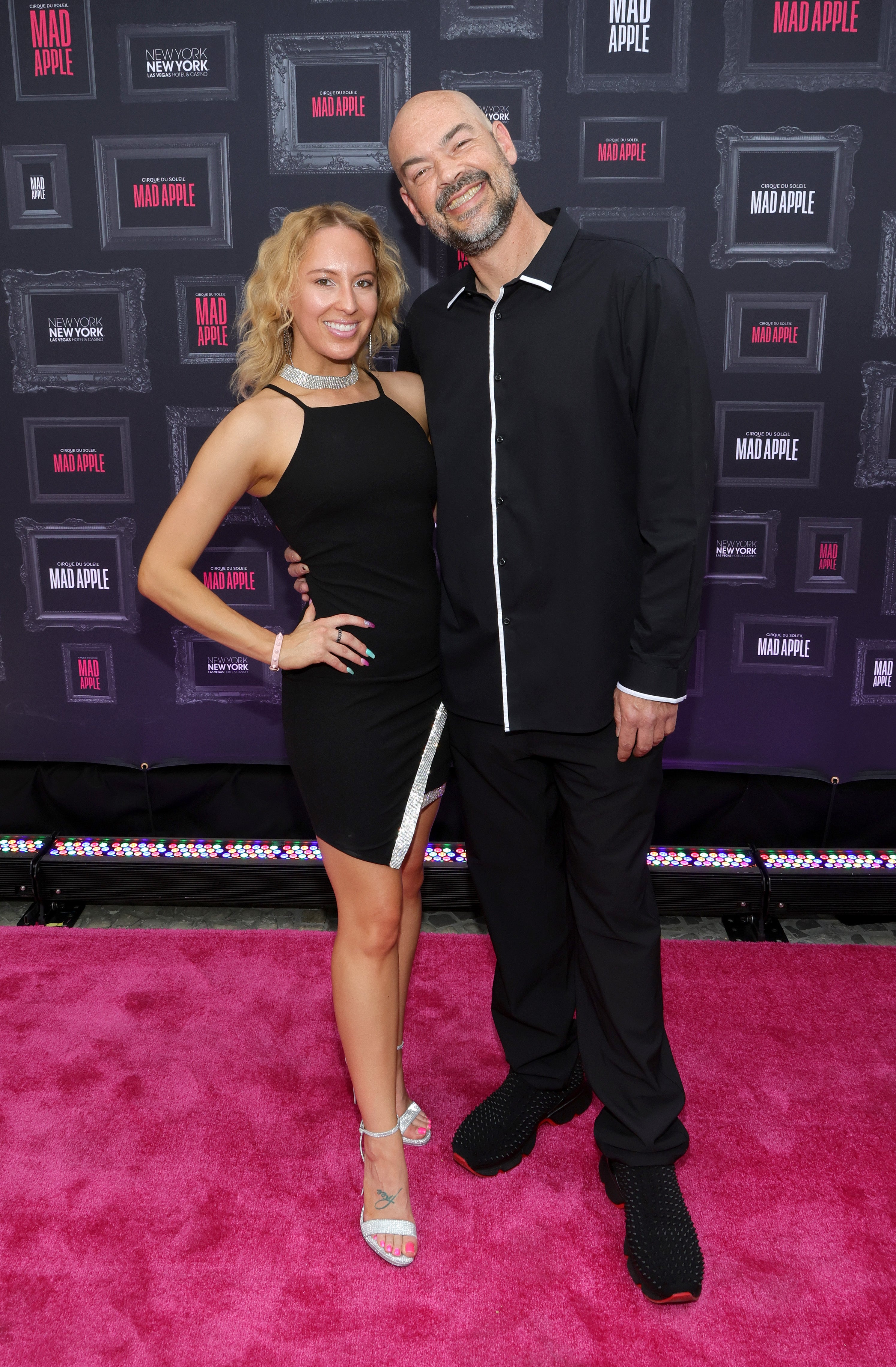
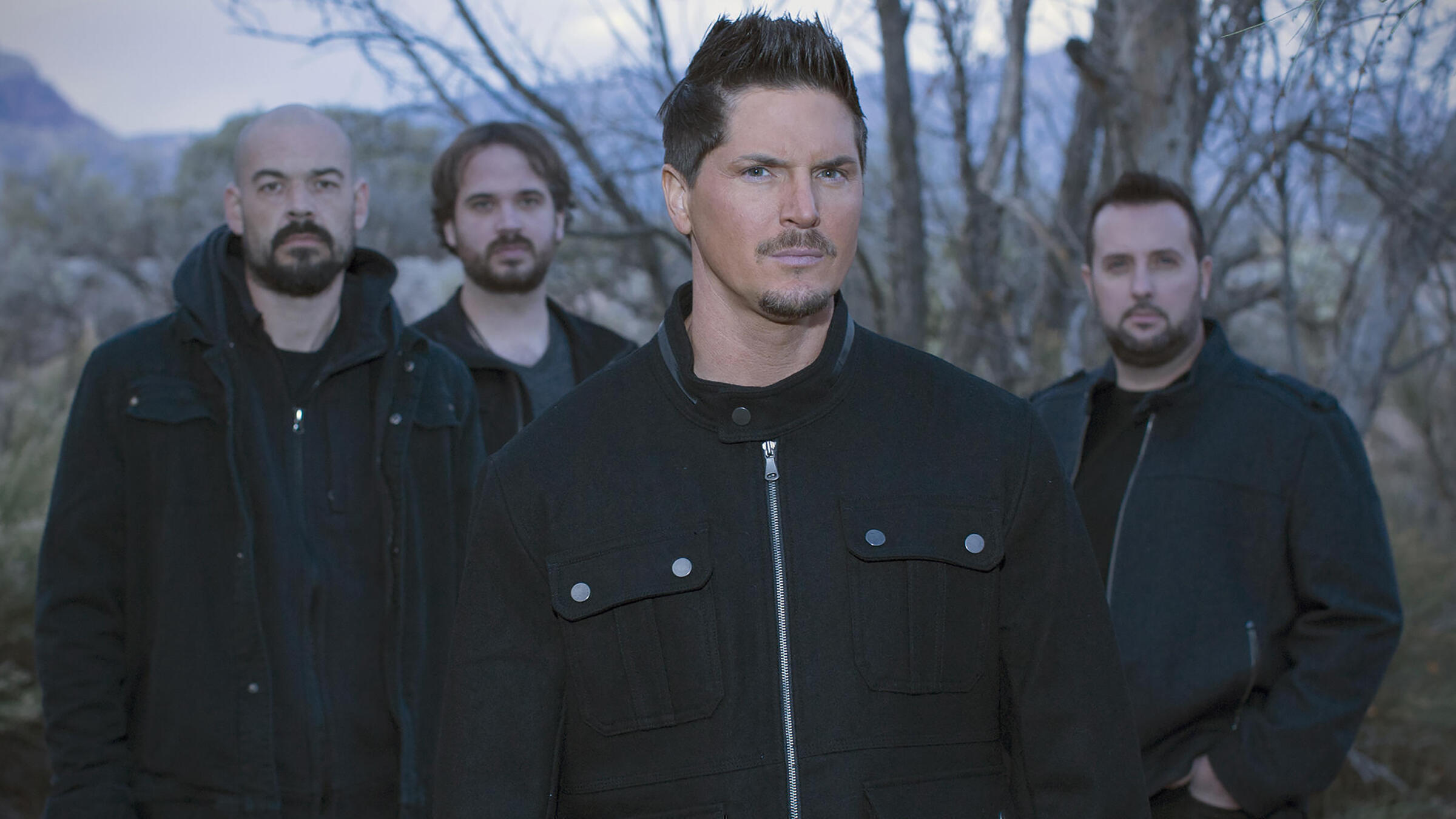
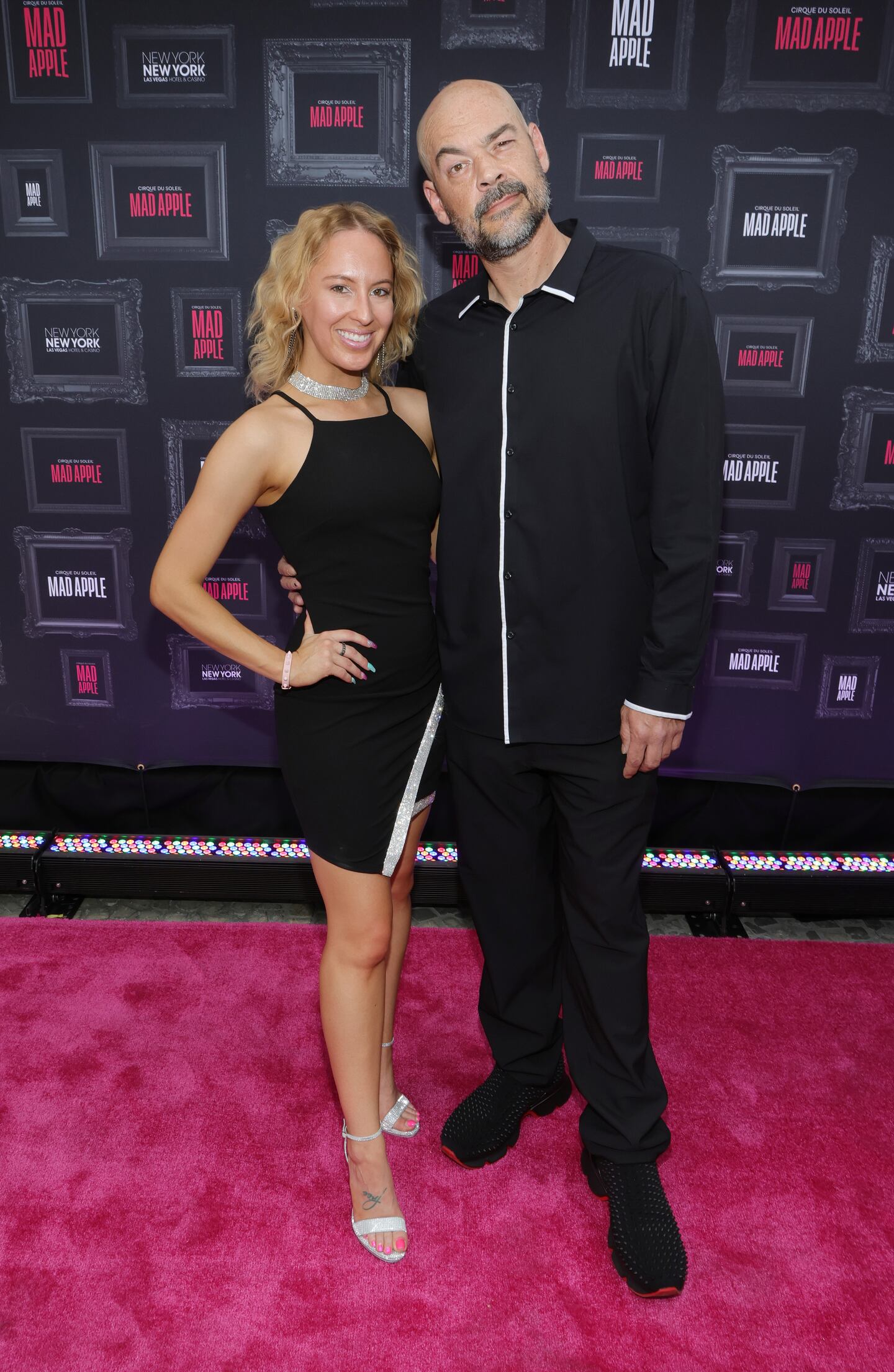
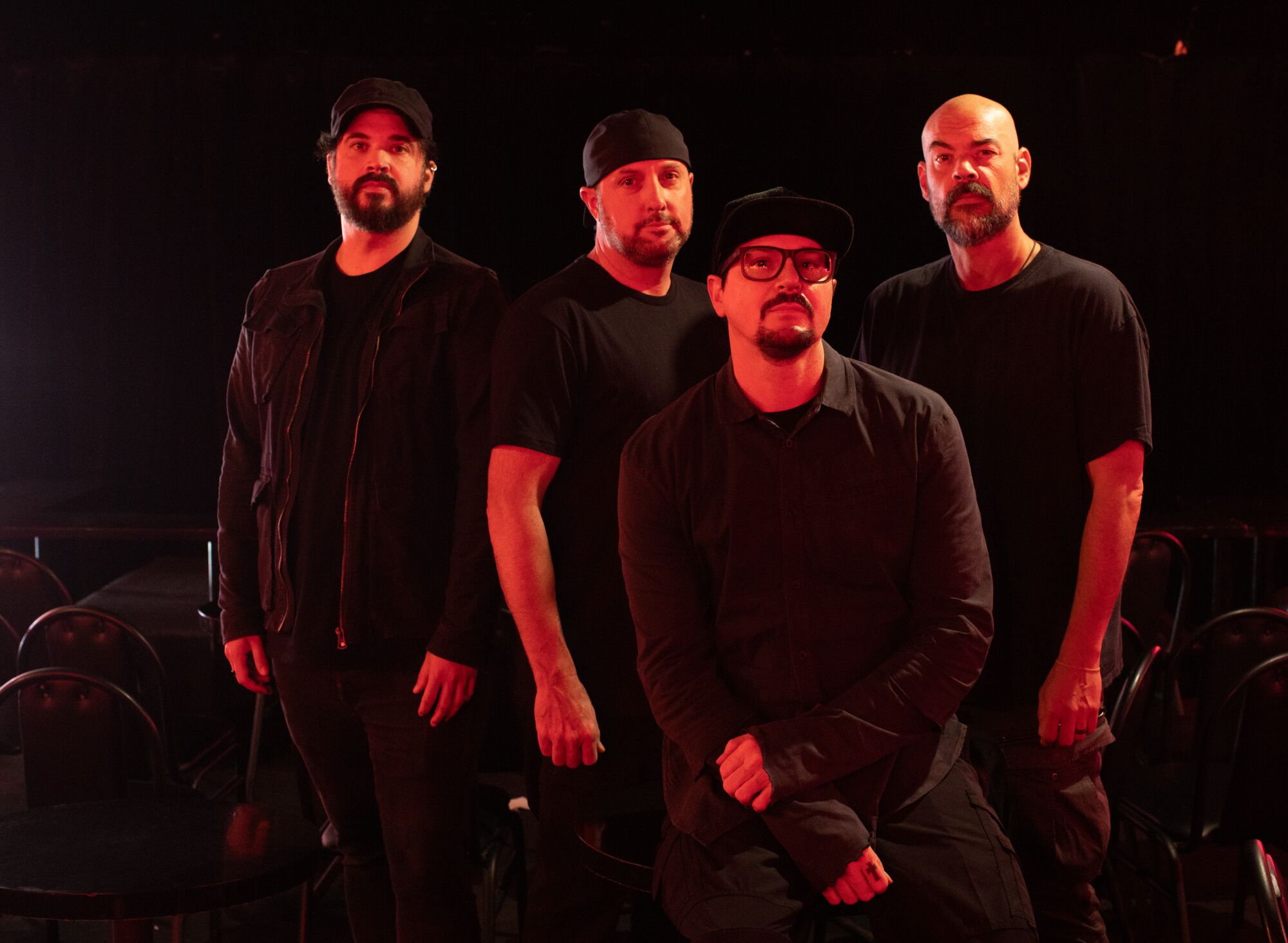
Aaron Goodwin serves as co-investigator and equipment specialist on Travel Channel and Discovery+’s long-running series Ghost Adventures. While the show captures real environmental anomalies, raw audio recordings, and visual data during field investigations, television editing and subjective interpretation heavily influence the final presentation. Goodwin maintains that his reactions and captured phenomena reflect genuine, unscripted encounters experienced during isolated lockdowns.
Aaron Goodwin’s Evolution on Ghost Adventures
Aaron Goodwin initially joined the Ghost Adventures project not as a lead investigator, but as a premier camera operator and equipment technician. Working alongside lead investigator Zak Bagans and former co-host Nick Groff, Goodwin’s primary responsibility during the original 2004 documentary film was to manage filming logistics, rig static night-vision cameras, and ensure uninterrupted recording across location sites.
As the project transitioned into a weekly television series on the Travel Channel in 2008, Goodwin’s role evolved organically. His candid, expressive reactions to unexplained occurrences contrasted with Bagans’s structured lead persona, creating a natural dynamic that resonated with audiences. Over time, Goodwin became a central co-investigator while retaining his primary technical duty: overseeing the deployment of complex camera setups, audio arrays, and specialized environmental sensors.
Within the team dynamic, Goodwin is frequently assigned to conduct solo investigations in areas identified as high-risk or volatile—a tactic often referred to as serving as the team's "bait." This role places him in prolonged isolation within dark, unlit sections of haunted structures while monitored remotely by static audio and video feeds. This isolation strategy is designed to provoke reactive phenomena while isolating variables, allowing the team to compare multi-angle static surveillance with Goodwin’s handheld footage and real-time biometric or environmental data.
Core Methodologies Used in Ghost Adventures Investigations
The investigation framework established on Ghost Adventures relies on a specific sequence of field procedures designed to isolate the team inside locations over extended night shifts. Understanding these methodologies is critical to evaluating the authenticity of the data captured on camera.
Dusk-to-Dawn Lockdowns
The cornerstone methodology of the series is the complete isolation lockdown. Before investigations begin, the crew places physical locks or security seals on key exit points, disabling exterior light and preventing non-investigative personnel from entering the perimeter. The primary goal of this procedure is to eliminate human contamination—such as outside footsteps, shadows, or intentionally staged interference—that could compromise environmental sensors or static video monitors.
Electronic Voice Phenomena (EVP) Recording
EVP capture represents the primary audio methodology used by Goodwin and the crew. Investigators conduct focused audio sessions using broad-spectrum digital voice recorders capable of recording frequencies outside typical human hearing ranges (such as infrasound or ultra-high frequencies). During these sessions, investigators ask structured questions, leaving precise silent gaps to allow potential voices to record without overlapping human speech.
- Structured Questioning
- Silent Interval (10-15s)
- Wide-Spectrum Capture
- Post-Session Audio Analysis
Audio capture is later analyzed using digital audio workstations (DAWs) to inspect waveform density, frequency distribution, and amplitude. An anomaly is classified as a potential EVP only when it displays clear vocal characteristics that cannot be attributed to ambient HVAC noise, radio frequency bleed, or structural settling.
Instrumental Transcommunication (ITC) Devices
In addition to passive audio recording, the crew regularly utilizes active ITC technology. Tools like the Spirit Box (such as the P-SB7 or P-SB11 models) rapidly sweep across AM and FM radio frequency bands at millisecond intervals. The underlying theory posits that unseen entities can manipulate the radio frequency noise (white noise) to form coherent words or phrases. While widely used in modern field investigations, ITC sweeps remain controversial among academic researchers due to the high probability of audio pareidolia and transient radio signal bleed.
Debunking vs. Evidence: Analyzing Claims of Authenticity
Evaluating the authenticity of Ghost Adventures investigations requires distinguishing between raw observational data and the narrative presentation designed for broadcast television. Skeptics, academic researchers, and professional paranormal investigators hold varying perspectives on the validity of the show's claims.
- Investigation Data Classification
- Objective Data (Verifiable)
- Baseline Temperature Drops
- Electromagnetic Field (EMF) Spikes
- Unfiltered Full-Spectrum Video
- Subjective Interpretation (Variable)
- Audio Pareidolia (Spirit Box / EVP)
- Personal Physical Sensations
- Dramatic Post-Production Editing
- Objective Data (Verifiable)
Environmental Variables and Natural Explanations
Skeptics frequently point out that many physical anomalies captured on television can be explained by natural environmental phenomena:
- Thermal Inversions and Drafts: Rapid drops in ambient temperature are often caused by poor insulation, thermal currents, or hidden ductwork rather than spirit activity.
- Electromagnetic Field (EMF) Exposure: High EMF levels caused by exposed wiring, old circuit breakers, or industrial transformers can induce feelings of anxiety, paranoia, or skin prickling—symptoms often misattributed to a demonic or spirits presence.
- Audio Pareidolia: The human brain naturally attempts to find recognizable patterns in random noise. When listening to white noise generated by radio sweepers, viewers may interpret fragmented static as distinct words, especially when assisted by subtitles on screen.
The Role of Television Production
Broadcast television demands visual tension and continuous narrative engagement. Post-production elements—such as dramatic sound design, tension-building music tracks, and selective editing—heighten the emotional impact of an investigation. Critics argue that on-screen subtitles used during audio playback introduce cognitive bias, conditioning the audience to hear specific words in ambiguous audio recordings.
However, Aaron Goodwin and the core team maintain that the underlying incidents—including equipment failures, physical impacts, moving objects, and unexplained audio captures—occur unscripted. While post-production techniques format the footage for commercial entertainment, the crew insists that the field evidence itself is gathered without staged tricks or actors.
Key Investigation Equipment and Evidence Verification Standards
To systematically evaluate the tools used by Aaron Goodwin and the Ghost Adventures team, the table below outlines the primary equipment, its scientific function, common causes of false positives, and how the resulting data is evaluated for evidence weight.
| Equipment / Instrument | Primary Investigative Function | Common Causes of False Positives | Evidence Reliability Weight |
|---|---|---|---|
| TriField / K-II EMF Meter | Detects fluctuations in electromagnetic energy around locations. | Unshielded electrical lines, cellular signals, power outlets. | Moderate; requires baseline mapping to eliminate structural sources. |
| Full-Spectrum & Infrared Cameras | Captures visual light beyond human perception (IR and UV spectrums). | Airborne dust motes, insects passing close to lenses, lens flares. | High for structural motion; low for floating light anomalies ("orbs"). |
| Structured Light Sensor (SLS) Camera | Projects an infrared dot matrix to map physical humanoid shapes in 3D space. | Irregular furniture shapes, patterned wallpaper, reflective surfaces. | Moderate; prone to software misinterpretation of stationary objects. |
| FLIR Thermal Imaging Camera | Measures differential surface temperatures across environments in real time. | Drafts, reflected body heat, recently vacated seating areas. | High when detecting heat anomalies without physical heat sources. |
| Digital Voice Recorder (EVP) | Captures micro-audible and full-spectrum sound anomalies. | Contamination by crew breath, distant traffic, structural creaks. | High when clear, multi-track audio aligns with environmental events. |
| REM-Pod | Radiates a independent localized EM field; alerts to physical proximity via audio/visual cues. | Handheld radio signals, walkie-talkie transmissions, static electricity. | Moderate; highly sensitive to nearby radio frequency interference. |
Aaron Goodwin’s Personal Perspective and Field Experiences
Throughout his career on Ghost Adventures, Aaron Goodwin has maintained a unique stance regarding his experiences in the field. Unlike researchers who approach the subject purely through academic detachment or extreme skepticism, Goodwin’s reactions are largely unfiltered, reflecting personal vulnerability during high-stress lockdowns.
Goodwin has repeatedly cited specific locations as defining moments in his belief in real paranormal activity:
Bobby Mackey’s Music World (Wilder, Kentucky)
During early investigations at this location, Goodwin reported experiencing severe psychological stress, uncharacteristic mood shifts, and physical scratch marks. The intense events documented at this site established the precedent for using isolated lockdown strategies in locations associated with volatile human history.
Trans-Allegheny Lunatic Asylum (Weston, West Virginia)
While conducting solo sweeps in the vast, abandoned corridors of this historic facility, Goodwin documented numerous real-time audio anomalies and thermal variations. The structural size of the facility allowed the crew to rigorously test isolated static camera arrays, verifying that captured footsteps and door movements occurred in closed wings without human presence.
Winchester Mystery House (San Jose, California)
In less hostile, highly intricate architectural settings, Goodwin focused on mapping localized magnetic fields and testing structural acoustic anomalies. The location served as a primary testing ground for full-spectrum camera rigs, helping differentiate environmental echoes from unexplained directional sound sources.
Goodwin often emphasizes the physical and psychological toll long-term paranormal investigating takes on the body. Prolonged sleep deprivation, frequent travel, exposure to low-frequency electromagnetic fields, and extended time spent in hazardous, unheated historic structures contribute to significant fatigue, which investigators must actively manage to maintain clear focus during baseline data collection.
Frequently Asked Questions
Is Ghost Adventures scripted or fake?
The locations, historical background interviews, and investigator reactions are unscripted. While post-production editing, music, and subtitles are applied to fit broadcast formatting standards, the team maintains that evidence capture—such as audio anomalies, camera movements, and environmental readings—occurs organically during lockdowns.
Why is Aaron Goodwin often isolated alone during investigations?
Isolating an investigator in a active location minimizes environmental variables such as extra footsteps, voices, or body heat. Goodwin’s reactions provide a baseline for human interaction, while static cameras and remote monitoring systems verify whether physical anomalies occur independent of other crew members.
How do investigators separate real EVPs from radio interference?
Investigators use high-grade digital recorders isolated from broadcast frequencies and cross-reference audio with static camera feeds. An anomaly is classified as a potential EVP only if it appears across multiple broad-spectrum channels, shows clear waveform structures, and occurs when no crew members or external radio devices were transmitting.
What causes "orbs" on night-vision camera footage?
The vast majority of light anomalies labeled as "orbs" are caused by retroreflection—light from an infrared camera illuminator bouncing off airborne dust motes, small insects, moisture droplets, or camera lens reflections. Genuine anomalies must display self-illumination, independent flight paths, or directional light displacement.
What is the purpose of an SLS camera in ghost hunting?
A Structured Light Sensor (SLS) projects a grid of invisible infrared dots into an environment. Its software analyzes how these dots deform to detect human shapes. While useful for mapping spatial depth, the software can occasionally misinterpret irregular furniture, shadows, or wall patterns as humanoid figures.
Guidelines for Evaluating Paranormal Evidence Independently
For viewers, researchers, and amateur enthusiasts seeking to analyze investigative evidence critically, applying a structured, objective framework is essential. Follow these analytical steps when reviewing field recordings or conducting independent research:
- Establish Environmental Baselines: Always measure and record ambient temperatures, baseline electromagnetic fields, and draft sources prior to an investigation. Without baseline data, environmental changes cannot be accurately identified as anomalous.
- Eliminate Natural Causes First: Assume all physical phenomena—such as creaks, drafts, shadow movements, or light flashes—have natural causes until every environmental variable (such as structural settling, thermal expansion, unshielded wiring, or dust) is systematically ruled out.
- Cross-Reference Multiple Data Streams: Treat single-source anomalies with caution. High-quality evidence requires overlapping data—such as a thermal camera capturing a cold spot at the exact moment a digital recorder captures an EVP and an EMF meter spikes above baseline levels.
- Audit Audio Files without Visual Prompts: Review audio captures without looking at visual subtitles or listening to verbal commentary. If multiple independent listeners cannot identify the same words without cues, the audio is likely a product of audio pareidolia rather than an objective voice recording.
- Document Gear Calibrations and Settings: Maintain detailed logs of equipment models, frequency sweep speeds, gain levels, and battery statuses. Equipment operating on low power can trigger false positive alerts, glitchy sensor readings, or distorted audio artifacts.