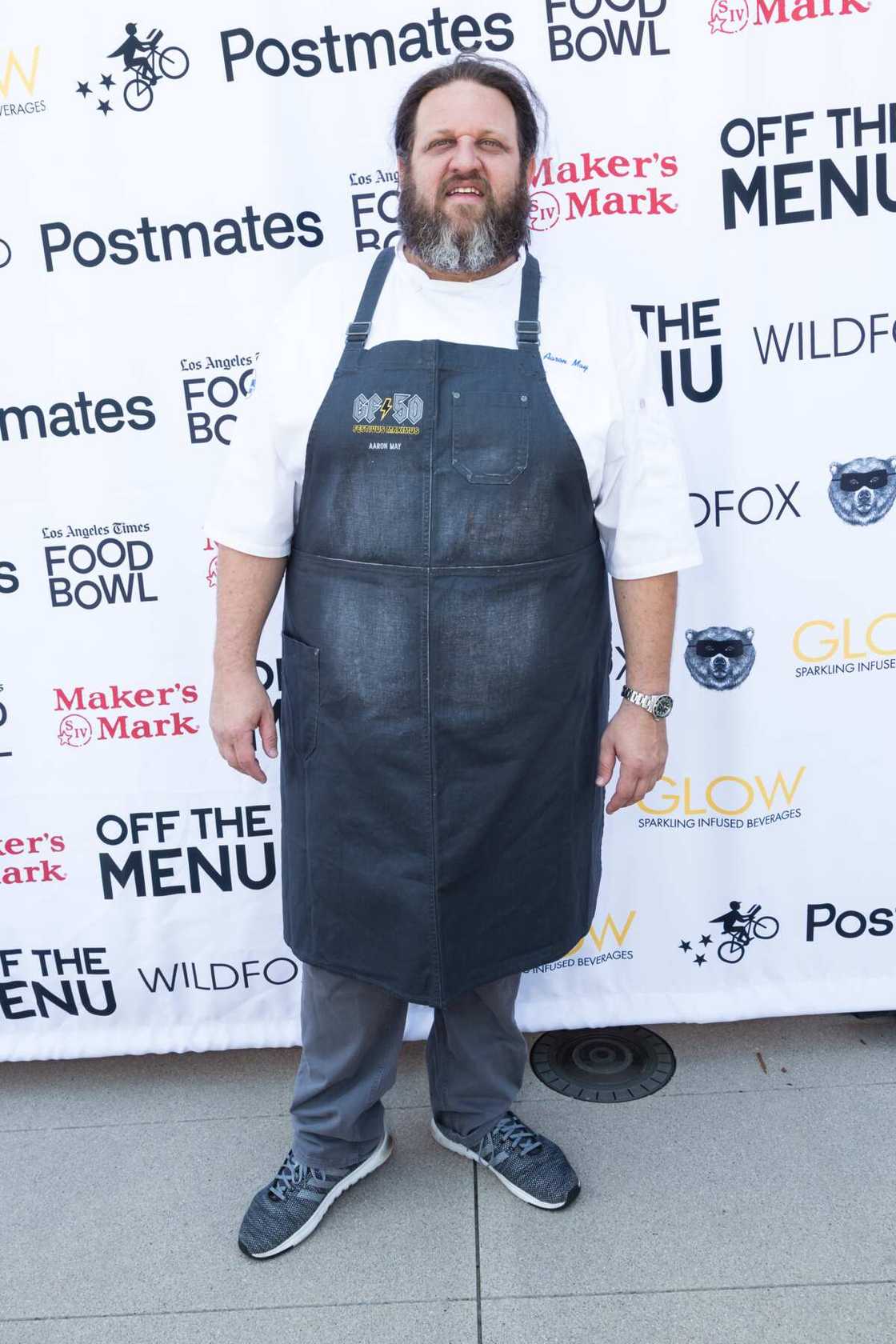
As of 2026, Chef Aaron May’s estimated net worth is between $4 million and $6 million. This valuation reflects his diverse portfolio as a restaurateur, a consistent personality on the Food Network, and his strategic role in high-end event catering, most notably through his leadership in major sporting event hospitality.
Chef Aaron May has transitioned from a local Scottsdale culinary hero to a nationally recognized brand. Unlike many chefs who rely solely on restaurant margins, May has successfully leveraged his "chef-as-a-brand" status to secure lucrative television contracts and consulting roles. His wealth is built on three distinct pillars: a collection of niche restaurant concepts, recurring media appearances, and executive roles in event hospitality. Understanding his net worth requires looking past the kitchen to his business acumen in the highly competitive hospitality industry.
The Architectural Phases of Aaron May’s Career
To understand the financial standing of Aaron May in 2026, one must look at the trajectory of his professional development. May’s journey didn't begin with immediate stardom; it started with rigorous classical training. He attended the prestigious Ecole de Cuisine La Varenne in Paris, a foundation that provided him with the technical credentials necessary to command high-level kitchen operations early in his career.
After returning to the United States and settling in Arizona, May became a pivotal figure in the Scottsdale dining scene. He was instrumental in launching several successful concepts that targeted the "approachable luxury" market. His early success with restaurants like Sol y Sombra and Over Easy demonstrated a keen eye for identifying gaps in the local market—specifically the need for upscale tapas and elevated breakfast fare. These early ventures provided the initial capital and proof of concept required to scale his operations and attract media attention.
Diversified Restaurant Portfolio and Business Strategy
A significant portion of May’s net worth is tied to his equity in various restaurant groups and licensed concepts. In the restaurant world, wealth is rarely generated by a single flagship location but rather through the ability to replicate a concept or maintain a high-performing group of diverse brands.
May’s portfolio has included several notable names over the years:
- Over Easy: A breakfast and brunch concept that received national attention on Diners, Drive-Ins and Dives. The scalability of breakfast concepts—which often benefit from lower food costs and shorter labor hours compared to fine dining—contributed significantly to his early financial stability.
- The Lodge (LTB): A cabin-themed bar and grill that catered to a more casual, high-volume demographic.
- The Yacht Club: A seafood-focused venture that allowed May to demonstrate his range in upscale casual dining.
By 2026, May has shifted much of his focus toward consulting and "executive chef" roles for larger hospitality groups. This move is a common strategy for experienced chefs to reduce personal financial liability while maintaining high income through management fees and profit-sharing agreements. By licensing his name and menus rather than managing the day-to-day grit of every kitchen line, he has stabilized his income streams.
The Food Network Factor and Media Earnings
Television has been a massive multiplier for Aaron May’s net worth. His relationship with the Food Network, and specifically his frequent collaborations with Guy Fieri, has kept him in the national spotlight for over a decade. In the culinary industry, a "regular" on a popular show can earn anywhere from $5,000 to $20,000 per episode, depending on their tenure and role.
May is a staple on several high-rated programs:
- Guy’s Grocery Games (GGG): Whether appearing as a judge or a competitor, May’s frequent appearances on GGG provide consistent "talent fee" income.
- Tournament of Champions: Participating in this high-stakes competition not only offers potential prize money but significantly raises a chef’s "booking fee" for private events and endorsements.
- Guy’s Ranch Kitchen: These appearances help solidify his image as a "chef’s chef," which is vital for securing high-paying consulting contracts.
Media exposure does more than just provide a paycheck; it serves as a massive marketing engine for his physical businesses. When a chef is seen by millions on a Sunday night, the reservation books for their restaurants typically see a measurable spike the following week. This synergy between media presence and business performance is a hallmark of May’s financial strategy.
High-End Event Catering: The Bullseye Event Group
One of the most lucrative yet under-discussed aspects of Aaron May’s wealth is his involvement with Bullseye Event Group. May serves as the lead chef for the Players Tailgate, an ultra-premium hospitality event held annually at the Super Bowl.
This is not standard catering; it is a high-ticket luxury experience where passes often cost several hundred or even thousands of dollars. Serving as the face of such a high-profile event involves:
- Executive Management: Overseeing a massive team to serve thousands of VIP guests, including celebrities and professional athletes.
- Sponsorship Integration: Working with high-end food and beverage brands for product placement, which often involves additional endorsement fees.
- Strategic Partnerships: Leveraging the Super Bowl platform to secure year-round corporate catering contracts for other major sporting events like the US Open or the Masters.
The margins in high-end event hospitality are often much wider than in traditional brick-and-mortar restaurants. For May, this niche has likely become one of his primary revenue drivers leading into 2026.
Financial Breakdown of Career Milestones
The following table outlines the estimated financial impact of May's various career stages and ventures.
| Business Segment | Primary Role | Estimated Revenue Impact | Financial Significance |
|---|---|---|---|
| Over Easy Franchise | Founder / Equity Partner | High | Established initial wealth and brand scalability. |
| Food Network Appearances | Recurring Talent / Judge | Moderate / Consistent | Provides steady cash flow and massive brand equity. |
| Bullseye Event Group | Lead Chef (Super Bowl) | Very High (Seasonal) | High-margin luxury catering with premium fees. |
| Consulting / Brand Deals | Culinary Director | Moderate | Low-overhead income based on intellectual property. |
| Personal Appearances | Guest Chef / Keynote | Moderate | High hourly rate for private and corporate events. |
The Role of Real Estate and Location
Being based in Scottsdale, Arizona, has played a tactical role in May's financial growth. Scottsdale is a hub for luxury tourism and has a high density of affluent residents and visitors. By establishing his "home base" here, May was able to build a local empire in a market where consumers are willing to pay a premium for high-quality dining experiences.
Furthermore, Arizona's business-friendly environment and lower cost of living compared to culinary hubs like New York or San Francisco allowed May to reinvest more of his profits back into new ventures. While he has expanded his reach nationally, his deep roots in the Phoenix metropolitan area remain a cornerstone of his asset base.
Challenges and Economic Resilience
The path to a $4 million to $6 million net worth in the culinary world is rarely a straight line. The restaurant industry is notoriously volatile, with high failure rates and thin margins. May has faced his share of restaurant closures and pivots over the years. However, his ability to diversify is what has preserved his wealth.
When a specific restaurant concept faces headwinds—whether due to rising labor costs or changing consumer tastes—May’s television income and event catering contracts provide a financial safety net. This "triangulated" income model (Restaurants + Media + Events) is the gold standard for modern culinary professionals looking to build long-term wealth.
Frequently Asked Questions
Is Aaron May still opening new restaurants in 2026?
Yes, while his focus has shifted toward consulting and high-profile events, Aaron May continues to be involved in new concepts, often as a partner or culinary director. He tends to favor "chef-driven casual" concepts that can be integrated into larger hospitality developments or hotels.
How did Aaron May meet Guy Fieri?
Their relationship developed through the tight-knit community of Food Network chefs. May first appeared on Diners, Drive-Ins and Dives when Fieri featured his restaurant, Over Easy. Their professional chemistry led to May becoming a frequent guest and judge on Fieri’s subsequent shows, eventually becoming a member of Fieri's inner circle of culinary experts.
Does Aaron May own the Over Easy brand entirely?
No. While Aaron May was the founding chef and a primary face of the brand, Over Easy has undergone various expansion and franchise phases involving different investment groups. May retains an interest in the brand's legacy and has been involved in its growth, but it is now a large-scale operation with multiple stakeholders.
What is Aaron May’s most profitable venture?
While specific tax returns are private, industry analysts suggest that his work with Bullseye Event Group and high-end event catering is likely his most profitable "per-hour" venture. The scale of the Super Bowl Players Tailgate allows for significant revenue generated in a very short window compared to the year-round overhead of a standard restaurant.
What is Chef Aaron May’s culinary style?
Aaron May is known for "comfort food elevated by technique." He excels at taking familiar American classics—like burgers, breakfast sandwiches, and tacos—and applying classical French techniques or high-quality ingredients to create a premium version of the dish.
Strategic Outlook for the Culinary Star
For those looking to emulate Aaron May’s financial success, the key takeaway is the importance of brand diversification. May has proven that a modern chef cannot rely solely on the kitchen line to build a multi-million dollar net worth. Instead, one must treat culinary skills as a foundation for a broader media and consulting business.
Moving forward through 2026, expect May to lean further into digital media and potentially his own line of kitchen products or specialty ingredients. As his national profile continues to remain high thanks to recurring television roles, his "brand equity" remains his most valuable asset. For fans and aspiring restaurateurs, following May’s career provides a masterclass in how to turn culinary talent into a sustainable, multi-faceted business empire.