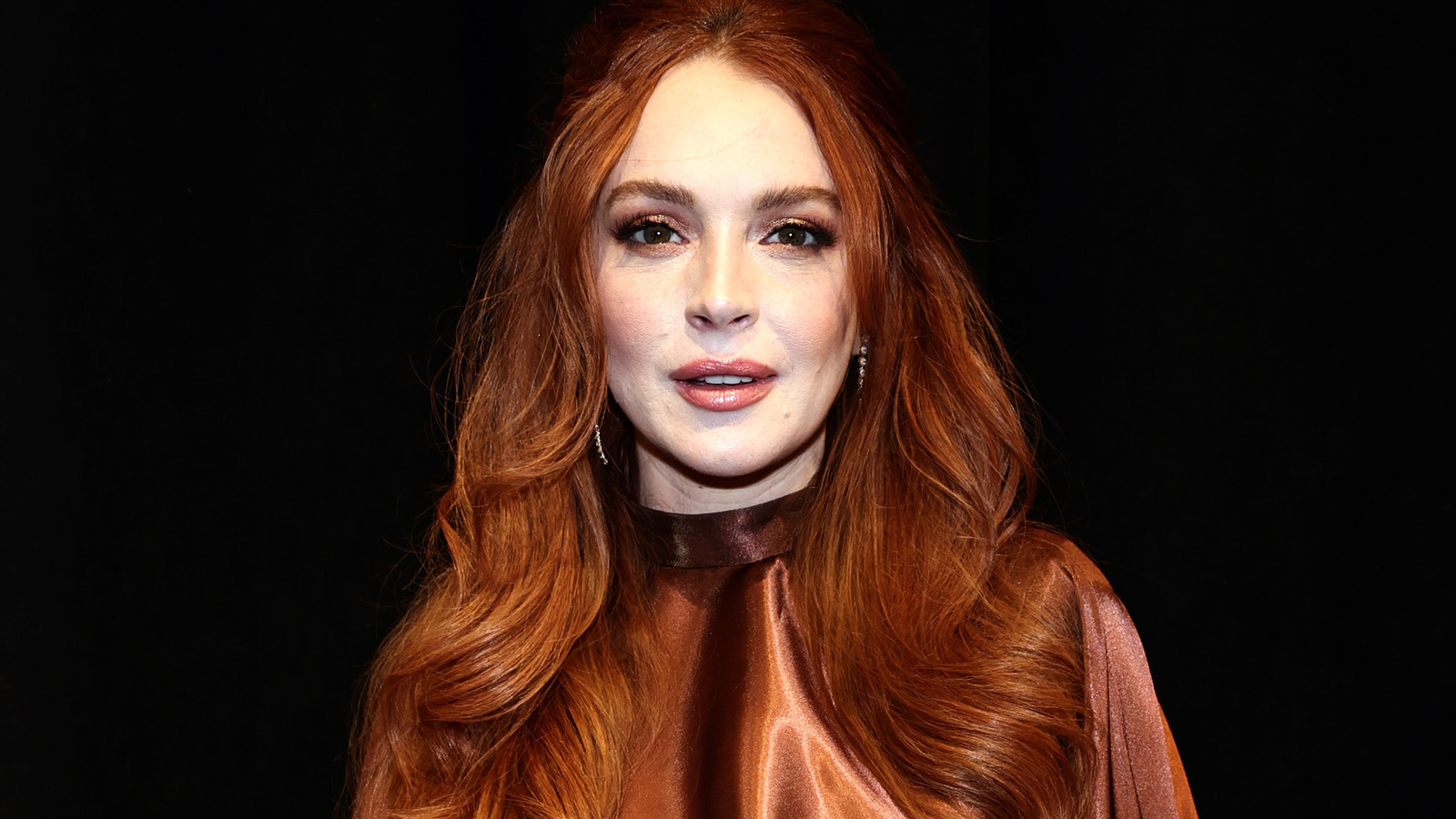
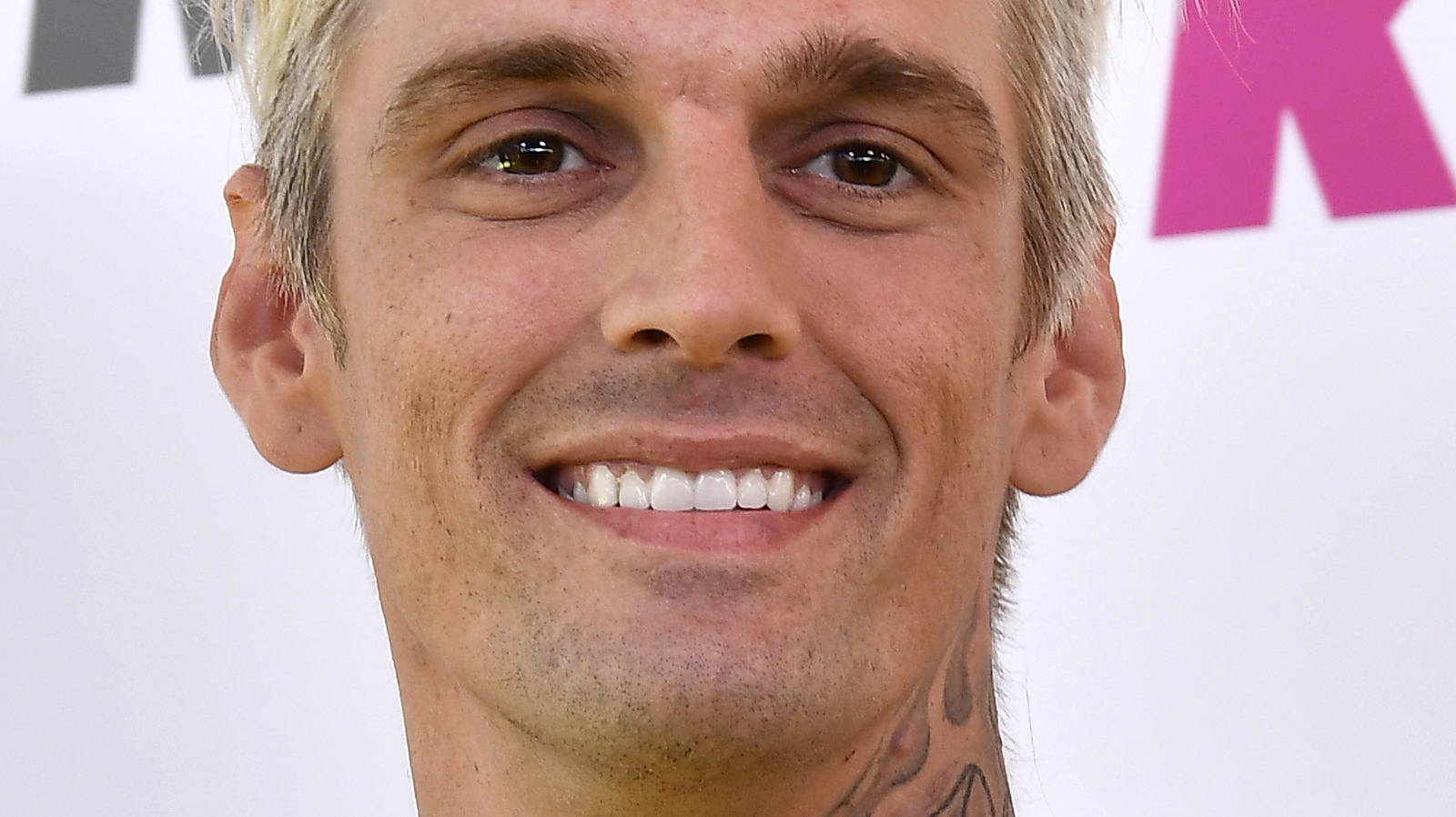
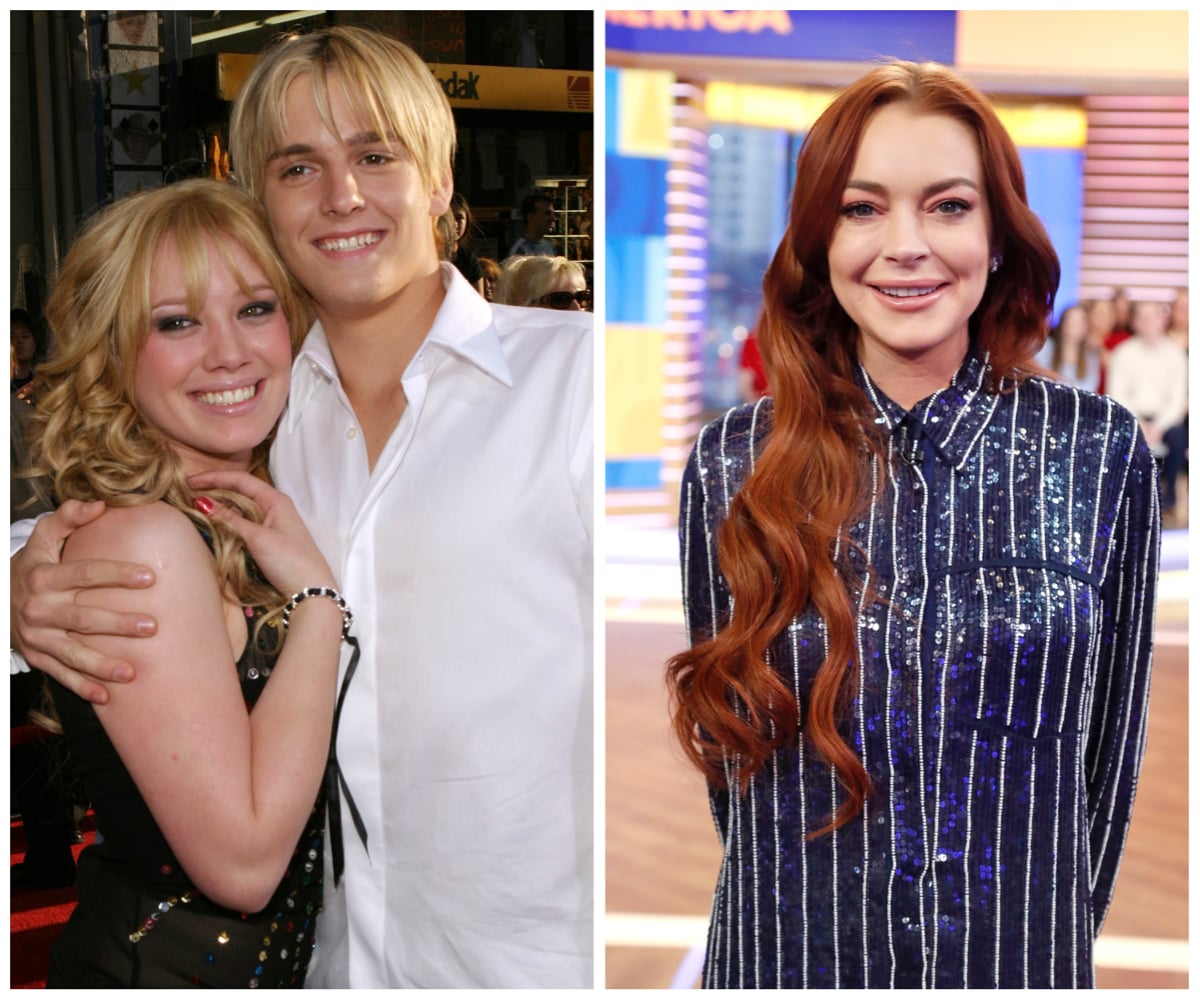
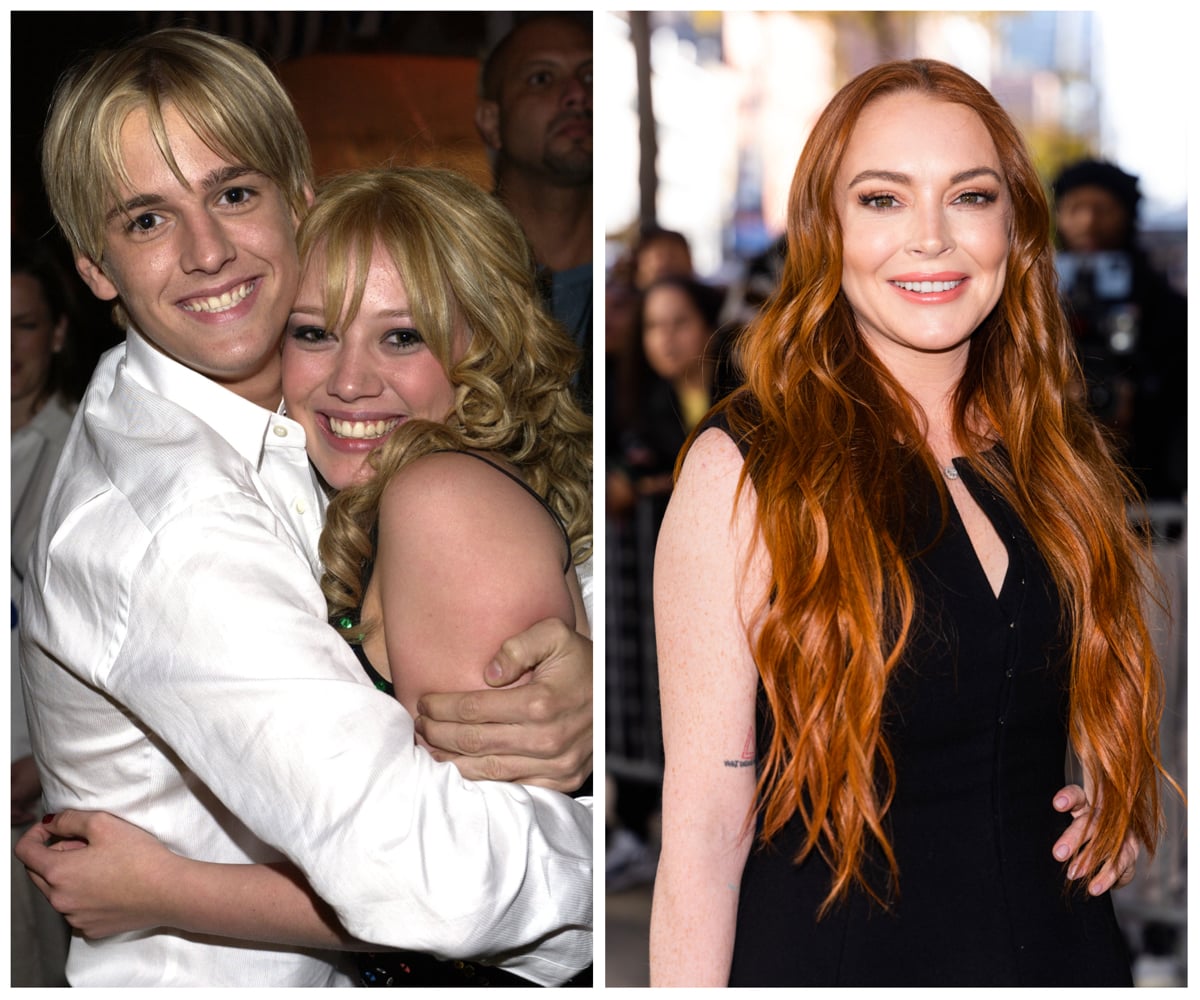
The relationship between Aaron Carter and Lindsay Lohan was a defining moment of early 2000s pop culture, characterized by a brief romantic overlap that sparked a years-long media-driven feud involving Hilary Duff. While the romance itself was short-lived, its impact on the public perception of teen stardom and the destructive nature of tabloid "love triangles" remains a significant case study in celebrity history as of 2026.
The turn of the millennium witnessed the rise of a new breed of celebrity: the teen idol fueled by 24-hour entertainment news cycles and the burgeoning internet. At the center of this whirlwind were Aaron Carter, the "Prince of Pop," and Lindsay Lohan, a rising Disney star. Their intersection was not merely a matter of teenage dating but a catalyst for a narrative that the media would exploit for nearly two decades. To understand their relationship, one must look past the headlines and examine the industry pressures, the specific timeline of events, and how the public’s view of these individuals shifted from fascination to scrutiny, and eventually, to a more empathetic understanding of the tolls of early fame.
The Origins of the Relationship: A Teen Idol Love Triangle
The romantic connection between Aaron Carter and Lindsay Lohan began in 2002, but its context is inseparable from Carter's previous relationship with Hilary Duff. Carter began dating Duff in 2000, on his 13th birthday. After approximately two years, Carter reportedly became "bored" and sought a relationship with Lohan. This transition was not a clean break; it was a messy, overlapping period that the media immediately branded as a "feud" between the two most prominent young actresses of the era.
This era of celebrity culture thrived on the "good girl vs. bad girl" trope. Hilary Duff, the face of Lizzie McGuire, represented the wholesome Disney archetype, while Lindsay Lohan, despite her own Disney roots in The Parent Trap, was increasingly portrayed as the edgier, more rebellious counterpart. Aaron Carter’s oscillation between the two girls provided the perfect "he said, she said" fodder for teen magazines like Tiger Beat and J-14. The public perception at the time was less about the emotional reality of three young teenagers and more about choosing "sides," a precursor to the "Team Jen vs. Team Angelina" narratives that would dominate later in the decade.
Media Influence and the Construction of the "Feud"
The media played an instrumental role in magnifying the friction between Lohan and Carter. In the early 2000s, paparazzi culture was reaching a fever pitch. Every red carpet appearance was scrutinized for signs of tension. When Lohan appeared at the premiere of Duff’s movie The Lizzie McGuire Movie in 2003, or when Duff allegedly showed up at Lohan’s Freaky Friday premiere, the press framed these events as tactical maneuvers in a romantic war.
The public perception during this period was largely shaped by the industry's desire to market "catfights." For Lohan and Carter, this meant their relationship was never allowed to be a private adolescent experience. Instead, it was a public performance. The narrative of the "love triangle" served the commercial interests of the studios and record labels, keeping all three stars in the headlines constantly. However, this constant exposure had a profound effect on the participants' mental health and their ability to form stable identities outside of their public personas.
Key Milestones in the Carter-Lohan Narrative
The following table outlines the critical points in the relationship history and how the public reacted to these developments over time.
| Year | Event | Public/Media Perception |
|---|---|---|
| 2000–2002 | Aaron Carter and Hilary Duff date. | Viewed as the "golden couple" of teen pop culture. |
| 2002–2003 | Carter dates Lindsay Lohan while still linked to Duff. | Perception of a "scandalous" love triangle; Lohan labeled a "home-wrecker." |
| 2004–2005 | Carter attempts to reconcile with Duff; Lohan's career peaks. | Media focuses on the "rivalry" between Lohan and Duff; Carter seen as a "heartbreaker." |
| 2012–2014 | Carter publicly expresses regret and "love" for Duff on social media. | Public views Carter's behavior as erratic or nostalgic; Lohan faces legal/personal struggles. |
| 2022 | The tragic passing of Aaron Carter. | A massive shift toward empathy; reflection on the toxicity of early 2000s media. |
| 2023–2026 | Lindsay Lohan's career "Renaissance" and motherhood. | Public perception shifts to resilience, growth, and the successful reclamation of her narrative. |
The Psychological Toll of Child Stardom
By 2026, the retrospective analysis of the Carter-Lohan relationship often focuses on the systemic failures of the entertainment industry. Both Aaron Carter and Lindsay Lohan were products of a system that commodified children. Carter, who started his career at age seven, faced immense pressure to support his family and maintain a "heartthrob" image. Lohan faced similar pressures, with her personal life often overshadowed by the financial interests of those around her.
Their brief relationship was a symptom of two individuals seeking connection in an environment where they were treated as products. The public perception in the 2020s has largely moved away from the "drama" and toward a critique of the "paparazzi era." We now understand that the erratic behaviors often attributed to "teen angst" or "diva behavior" were likely responses to a lack of privacy and the absence of a normal developmental environment. The relationship between Carter and Lohan is now viewed by many cultural historians as a tragic example of how the industry prioritizes headlines over the well-being of its stars.
Shifting Perceptions: From Tabloid Fodder to Empathy
The most significant change in how the public perceives Aaron Carter and Lindsay Lohan occurred following Carter’s death in November 2022. Before his passing, Carter was often the subject of ridicule due to his public struggles with mental health and substance abuse. However, his death prompted a widespread re-evaluation of how he was treated by the media and the public during his peak years, including his time with Lohan.
Similarly, Lindsay Lohan’s journey from a tabloid fixture to a respected actress and mother has altered her public image. In 2026, Lohan is frequently cited as a "survivor" of the 2000s media landscape. Her ability to distance herself from the "feud" narratives and rebuild her career has garnered significant respect. The public no longer views her through the lens of her 2003 relationship with Carter; instead, that period is seen as a chaotic chapter in a much larger story of resilience.
Comparing Careers and Public Legacies
The legacies of Aaron Carter and Lindsay Lohan are inextricably linked by their shared era, yet they diverged significantly in their later years. Carter’s legacy is one of a cautionary tale regarding the lack of support for child stars transitioning into adulthood. His music remains a nostalgic touchstone for many, but his story is often told through the lens of missed opportunities and a struggle for stability.
In contrast, Lohan’s legacy in 2026 is defined by a successful "rebranding." By moving away from the Hollywood spotlight for several years and eventually returning on her own terms, she demonstrated that it is possible to escape the gravitational pull of childhood notoriety. The relationship they shared as teenagers is now a footnote—a reminder of a specific cultural moment when the lines between personal life and public entertainment were dangerously blurred.
Frequently Asked Questions
Did Aaron Carter ever apologize to Lindsay Lohan or Hilary Duff?
Yes, in various interviews and social media posts throughout the 2010s, Aaron Carter expressed regret for how he handled his relationships with both women. He specifically admitted that he was young and didn't understand the impact of his actions. However, his "apologies" were often viewed as erratic by the public at the time, frequently occurring during periods when he was seeking media attention or reflecting on his peak fame.
How did the Hilary Duff and Lindsay Lohan "feud" actually end?
The feud officially ended in the mid-2010s. Both women publicly stated in various interviews that they were "grown-ups" and that the drama was a product of their youth and media instigation. By 2026, both have moved on to entirely different phases of their lives—Duff with a successful TV career and family, and Lohan with her own career resurgence—making the 2003 "rivalry" a distant memory.
What was the impact of the paparazzi on their relationship?
The paparazzi made it impossible for Carter and Lohan to have a private relationship. Because every date or interaction was photographed and sold to tabloids, the couple was under constant pressure to "perform." This heightened the stakes of their breakup and fueled the narrative of a "love triangle" because the media could easily pit photos of Carter with Lohan against photos of him with Duff.
Is Lindsay Lohan still acting in 2026?
As of 2026, Lindsay Lohan has maintained a steady presence in the industry, focusing on projects that allow her more creative control and a healthier work-life balance. Following her successful "comeback" films in the early 2020s, she has moved into producing and selecting roles that lean into her strengths as a comedic and dramatic actress, effectively distancing herself from her former tabloid image.
Why is their relationship still discussed decades later?
Their relationship is a quintessential example of the "paparazzi era" of the early 2000s. It serves as a historical marker for how the media manufactured celebrity narratives and the lasting impact those narratives had on the individuals involved. For many who grew up in that era, the Carter-Lohan-Duff triangle represents the peak of teen pop culture obsession.
Reflecting on Media Consumption Ethics
Understanding the relationship between Aaron Carter and Lindsay Lohan requires more than just a timeline of dates; it requires an acknowledgement of the cultural environment that consumed them. As we look back from 2026, the primary lesson is one of media literacy and empathy. The "drama" that felt so vital to audiences in 2003 was, in reality, the lived experience of teenagers navigating fame without a safety net.
For modern audiences, the next action is to apply these lessons to contemporary celebrity culture. Recognizing the difference between a person’s actual life and the narrative constructed by social media or news outlets is essential. By prioritizing the mental health and humanity of public figures over the desire for "scandalous" content, the public can help prevent the cycle of exploitation that defined the early years of stars like Carter and Lohan.