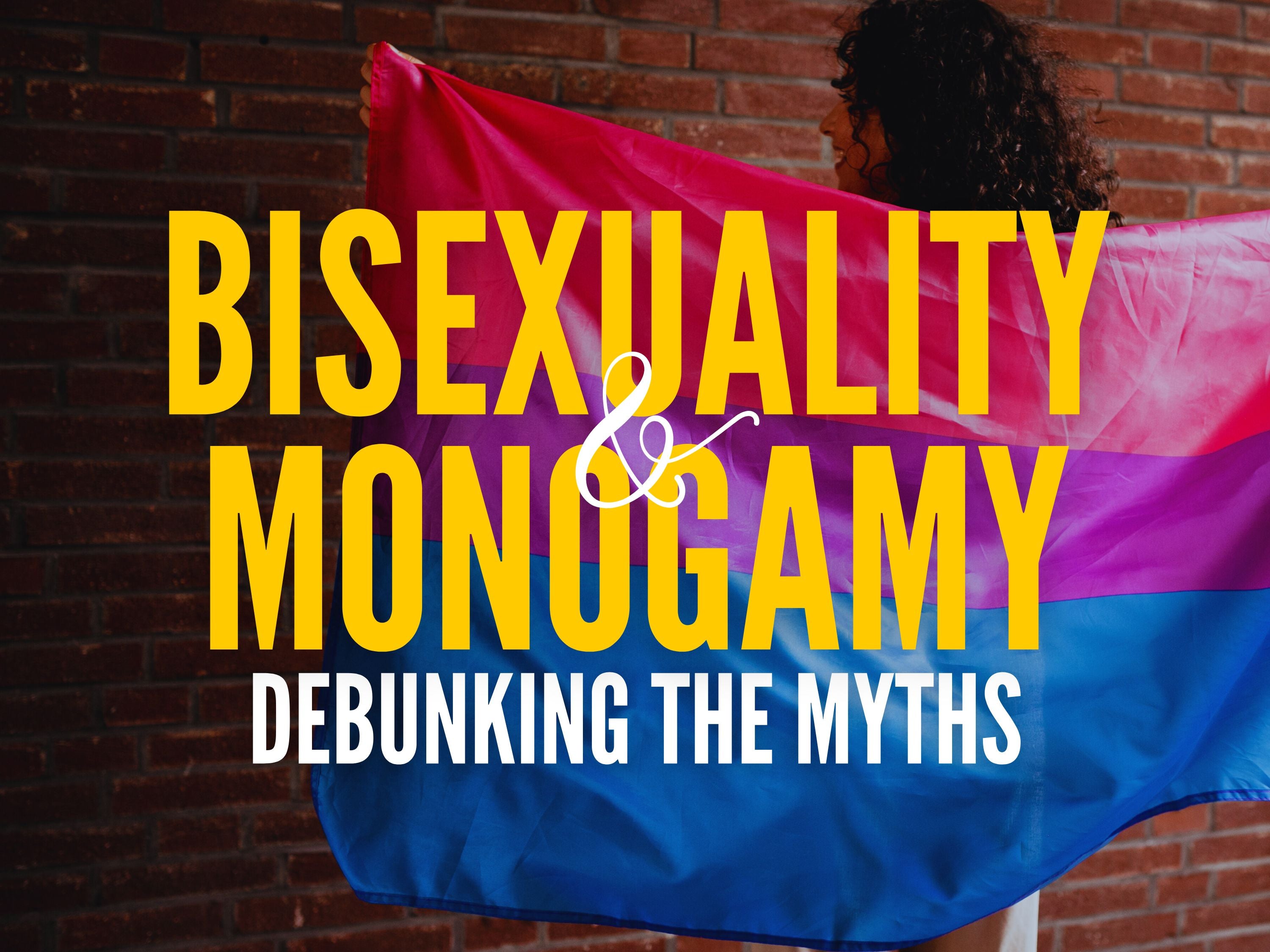
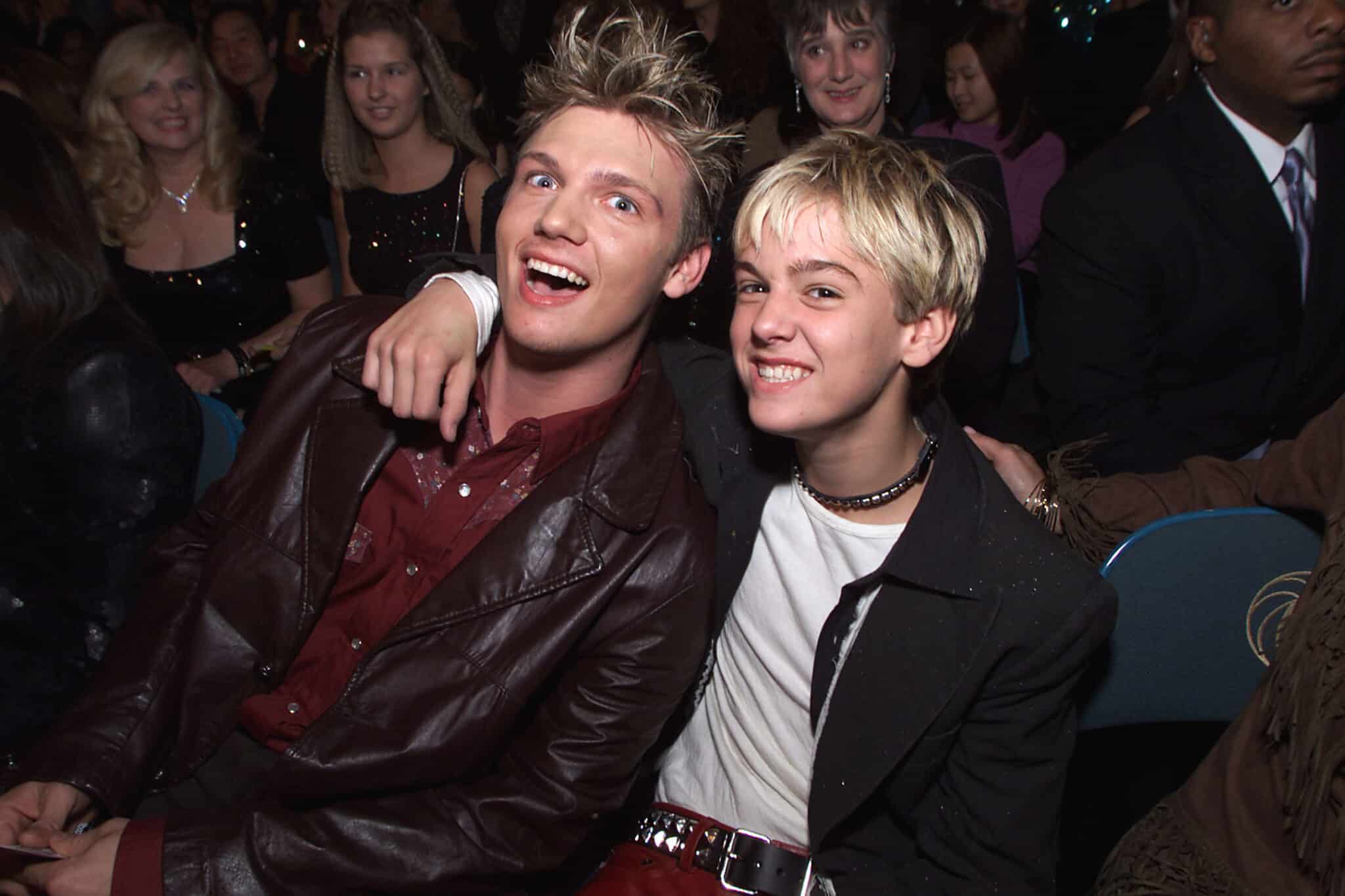
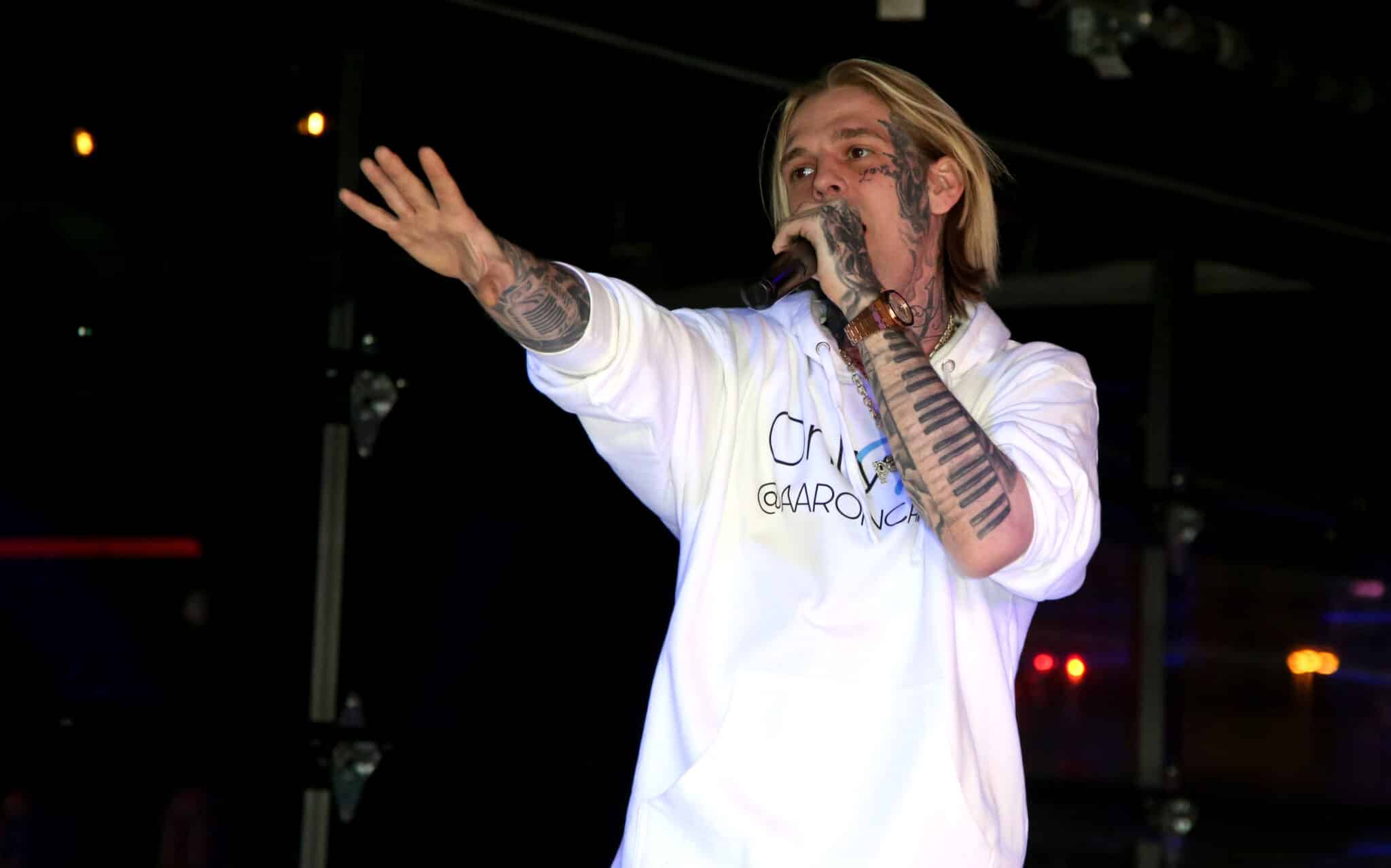
Aaron Carter officially came out as bisexual in August 2017 through a heartfelt social media post, confirming he had been attracted to both men and women since his early teens. While he later clarified his romantic preferences in subsequent interviews, his initial bravery remains a landmark moment for LGBTQ+ representation in the 1990s pop-star era.
The legacy of Aaron Carter, who passed away in late 2022, continues to be a subject of intense public interest. In 2026, as we reflect on his career and personal struggles, the conversation surrounding his sexuality often remains clouded by misinformation. To understand the "truths" and "myths" of Carter’s journey, one must look at the specific timeline of his announcements, the nuances of his later clarifications, and the societal pressures that shaped his narrative.
The 2017 Announcement: A Turning Point in Pop Culture
On August 5, 2017, Aaron Carter took to Twitter to share a deeply personal note with his fans. In the statement, he revealed that at the age of 13, he started finding boys and girls attractive. He further disclosed that by the age of 17, after several relationships with girls, he had an "experience with a male" that he had worked with and grown up with. This announcement was not merely a celebrity headline; it was an act of transparency from a man who had spent his entire life in the spotlight as a teen idol.
The timing of his coming out was significant. Carter was experiencing a professional and personal transition, seeking to distance himself from his child-star persona. Coming out was, in his own words, a way to lift a "weight" off his shoulders that he had carried for over a decade. He expressed that he did not want his sexuality to be a source of shame or a "hidden secret." The immediate reaction from the LGBTQ+ community and his fanbase was largely supportive, praising his courage to speak his truth in an industry that historically pressured male heartthrobs to maintain a strictly heterosexual image.
However, the clarity of this moment was soon tested by the complexities of the entertainment industry and Carter’s own evolving understanding of his identity. For many, this initial post remains the definitive "truth" of his sexuality, serving as a foundation for his legacy as a bisexual public figure.
Debunking the "PR Stunt" Myth
One of the most persistent and damaging myths surrounding Aaron Carter’s sexuality was the accusation that his coming out was a calculated "PR stunt" designed to generate buzz for his upcoming music, specifically the LōVē album. Critics pointed to the proximity of his announcement to his album release and a high-profile breakup with his then-girlfriend, Madison Parker.
To debunk this myth, one must consider the personal cost Carter endured. Coming out as a bisexual man in the public eye—particularly within the hip-hop and pop-rock circles Carter navigated later in life—often carries more social risk than professional gain. Carter’s emotional vulnerability during his subsequent appearance on The Doctors and in various podcasts suggested a man grappling with genuine identity issues rather than executing a marketing strategy.
Furthermore, the "PR stunt" narrative is a common trope used to delegitimize the experiences of LGBTQ+ individuals. By framing his truth as a business move, critics ignored the mental health struggles and the genuine desire for authenticity that Carter frequently cited. Historical records of his interviews show a consistent theme: he wanted to be seen for who he truly was, even when that "truth" was messy or difficult for the public to categorize.
Understanding the "Retraction" and the Fluidity of Identity
In 2018, about a year after his initial announcement, Carter made comments during an interview with the No Jumper podcast that led many to believe he was "taking back" his coming out. He stated, "I’m not gay, and I’m not bisexual. I’m just me." He went on to explain that while he had experiences with men in the past, he saw his future with a woman and wanted to have children.
This led to a widespread myth that his 2017 statement was "debunked" or false. However, a more nuanced analysis suggests this wasn't a retraction but a struggle with labels. The "truth" of Carter’s sexuality likely resides in the concept of sexual fluidity. Bisexuality does not require a 50/50 split in attraction or experience; it is an umbrella term that encompasses attraction to more than one gender. Carter’s desire to marry a woman and start a family—which he eventually pursued with Melanie Martin—did not retroactively erase his past attractions or experiences with men.
The confusion stems from a societal lack of understanding regarding bisexual erasure. When a bisexual person enters a heteronormative relationship, the public often assumes they have "chosen a side" or were "confused" before. Carter’s later comments reflected his personal goals and his current romantic focus, but they did not negate the internal reality he shared in 2017.
Key Milestones in Aaron Carter’s Public Sexuality Timeline
The following table outlines the critical moments in Aaron Carter’s journey of public self-identification and the clarifications that followed.
| Date | Event/Platform | Primary Statement/Outcome |
|---|---|---|
| August 2017 | Twitter Official Statement | Publicly came out as bisexual; detailed attractions starting at age 13. |
| August 2017 | The Doctors Appearance | Discussed the relief of coming out and its impact on his mental health. |
| March 2018 | No Jumper Interview | Stated he was "not bisexual" but "just him," focusing on a future with women. |
| 2019-2022 | Various Social Media Lives | Frequently discussed "attraction to souls" rather than gendered labels. |
| Nov 2022 | Passing of Aaron Carter | Legacy shifts toward a focus on his transparency and mental health advocacy. |
The Role of Mental Health and Media Pressure
It is impossible to discuss the truths of Aaron Carter’s sexuality without acknowledging the intersection of his mental health. Carter was open about his diagnoses, including bipolar disorder and schizophrenia. In the years following his 2017 announcement, his public behavior was often erratic, and the media frequently used his sexuality as a "point of interest" during his more turbulent moments.
A significant myth is that his sexuality was a symptom of his mental health struggles. This is factually incorrect and scientifically unsound. Sexuality is an inherent part of identity, whereas mental health conditions are clinical issues. However, the stress of living as a public figure with a non-normative sexuality certainly exacerbated his anxiety.
The media’s role cannot be understated. Reporters often pressed him for definitive, black-and-white answers: "Are you gay or are you straight?" This binary pressure is difficult for any bisexual individual, but for someone living with the intensity of Carter’s public profile, it led to the fluctuating statements that some fans found confusing. The truth is that Carter was navigating his identity in real-time, under a microscope, while battling addiction and mental health challenges.
Impact on LGBTQ+ Representation in the 2000s Pop Era
Looking back from 2026, Aaron Carter’s coming out is recognized as a pivotal moment for a specific generation of fans. In the late 90s and early 2000s, Carter was the quintessential "boy next door." For him to come out years later provided a retrospective sense of validation for many fans who were also struggling with their identities during that era.
He debunked the myth that a "teen heartthrob" must be exclusively heterosexual to be successful or loved. Although his later years were fraught with tragedy, his initial 2017 statement broke a glass ceiling for male pop stars of his vintage. It paved the way for more honest conversations about how the industry packages male sexuality and the long-term psychological effects of suppressing one's identity for the sake of a brand.
Frequently Asked Questions
Did Aaron Carter ever date a man publicly?
While Aaron Carter spoke about having experiences with men in his youth and during his young adult years, he did not have a high-profile, long-term public relationship with a man. Most of his publicized relationships, such as those with Hilary Duff, Lindsay Lohan, and Melanie Martin, were with women. This lack of a public boyfriend contributed to some of the "myth-making" that his bisexuality wasn't real, despite his own verbal confirmation.
What did he say about "attraction to souls"?
In later interviews, Carter often used the phrase "I'm attracted to the soul" to describe his romantic interests. This terminology is frequently associated with pansexuality or a more fluid understanding of attraction. He wanted to emphasize that his connection with a person was not strictly dictated by their gender, even if his primary romantic partnerships were with women.
Why did he stop using the label "bisexual"?
Carter appeared to move away from the "bisexual" label because he felt it invited too much scrutiny and pigeonholed his future. He expressed frustration that people expected him to act a certain way or date certain people once he used the label. To him, saying "I'm just me" was a way to reclaim his autonomy from a public that demanded he fit into a specific box.
How did his family react to his coming out?
The Carter family dynamics were famously complex. While Aaron’s brother, Nick Carter, and other family members were often estranged from him during his later years due to various legal and personal disputes, the public reactions to his sexuality were secondary to the larger family conflicts. Aaron often felt he lacked a consistent support system, which made his public journey with his sexuality even more isolating.
Is there a definitive biography that covers this?
Several documentaries and investigative reports released after 2022 explore Aaron Carter’s life, including Aaron Carter: Little Prince of Pop. These works provide context for his 2017 announcement and the subsequent years of his life, generally treating his bisexuality as a factual part of his biography while acknowledging the complexities of his later statements.
Moving Toward a Respectful Understanding of His Legacy
To truly honor the memory of Aaron Carter, it is necessary to move past the "debunking" culture and accept the truths he shared at face value. Sexuality is rarely a static, unchanging line for anyone, let alone someone who grew up in the oppressive environment of child stardom.
The most accurate way to view Carter’s sexuality is to respect his self-identification at the time he gave it. He told the world he was bisexual in 2017, and even when he later shied away from the label, he never denied the experiences or the attractions that led him to that initial discovery. For those seeking to understand him, the lesson is one of empathy: recognizing that a person can be many things at once—a pop star, a father, a person struggling with health, and a man who loved fluidly.
As we continue to discuss his impact, focus on the courage it took to speak out in 2017. By debunking the myths of "stunts" and "retractions," we can appreciate the authentic human experience of a man who was simply trying to find his place in a world that often refused to let him be anything other than a "teen idol."