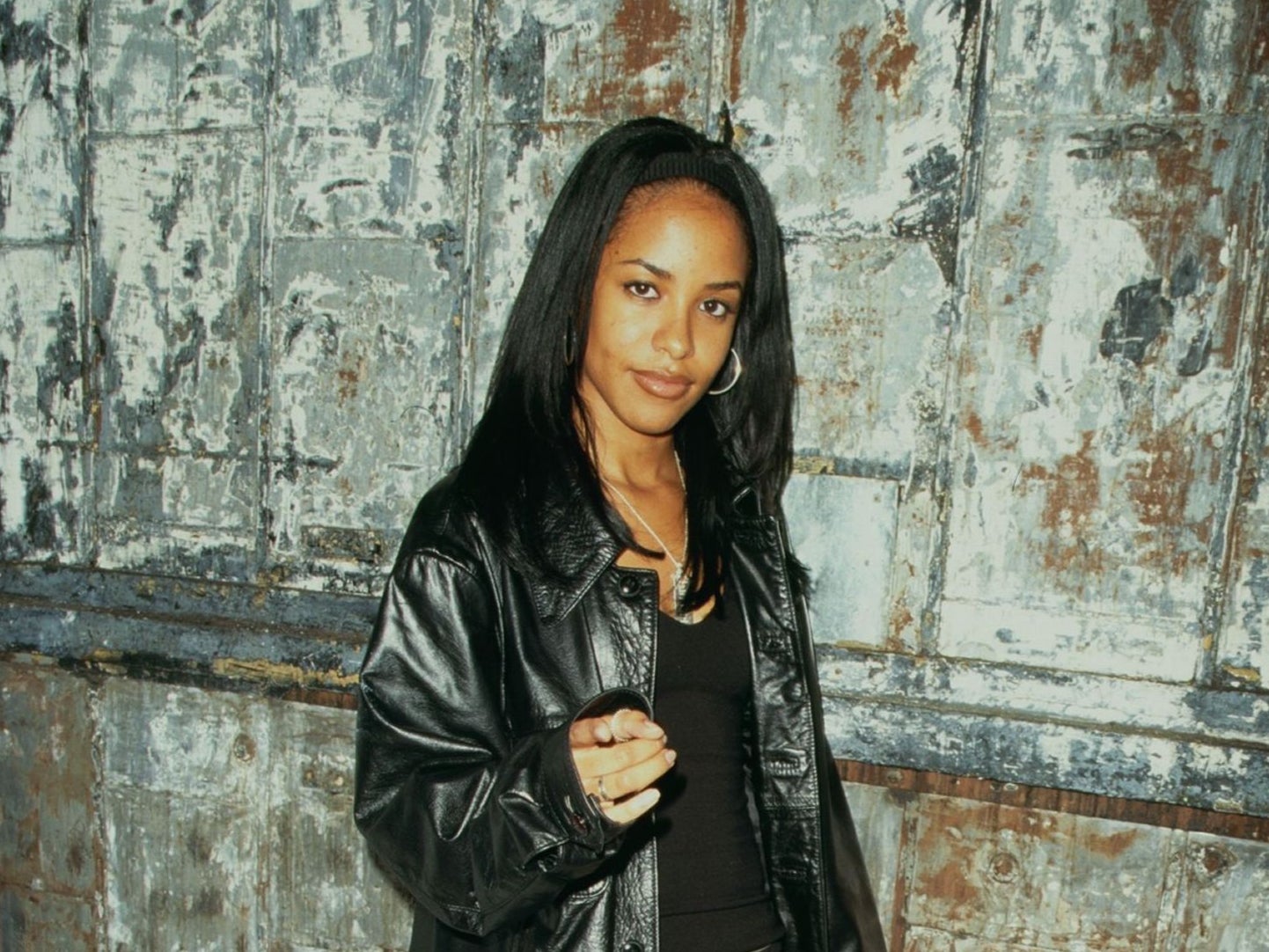
The tragic passing of Aaliyah Dana Haughton on August 25, 2001, remains one of the most somber chapters in music history. While the term "death photo" often draws morbid curiosity, for millions of fans, it represents the final, poignant glimpses of an artist at her creative peak. Remembering her legacy involves looking past the tragedy to honor her unparalleled influence on R&B, fashion, and film.
The Final Moments: The Story Behind the Last Photos
In the days leading up to the tragedy, Aaliyah was in the Bahamas filming the music video for "Rock the Boat," a track from her self-titled third studio album. The production was helmed by director Hype Williams and featured a vibrant, sun-drenched aesthetic that captured Aaliyah’s ethereal beauty and evolving maturity. The "last photos" often cited by fans and historians are those taken on the set—images of Aaliyah smiling on a catamaran, dancing on the beach, and enjoying the company of her crew.
These images serve as a bittersweet reminder of her final hours. In 2026, a quarter-century after the accident, these photographs are viewed not just as historical artifacts but as symbols of a "golden era" in R&B. The production of "Rock the Boat" was ahead of its schedule, and Aaliyah was reportedly eager to return to the United States to spend time with her family and her then-partner, Damon Dash. The final professional stills from the video shoot showcase her in various iconic outfits, including a memorable nautical-themed ensemble, which continues to influence high-fashion mood boards today.
Beyond the professional shots, there are fan-captured and candid images from the Marsh Harbour Airport. These low-resolution photos show the star and her entourage boarding the ill-fated Cessna 402B. For those who study the "Aaliyah death photo" phenomenon, these grainy images represent the final transition from a living icon to a tragic legend. They capture the mundane reality of travel that preceded a catastrophic event, reminding the public of the fragile nature of life, even for those who seem larger than life.
August 25, 2001: The Timeline of the Abaco Islands Tragedy
The events of August 25, 2001, have been meticulously documented by aviation experts and journalists. Aaliyah and eight others—including her hair stylist Eric Foreman, makeup artist Christopher Maldonado, and bodyguard Scott Gallin—were scheduled to fly from Marsh Harbour to Opa-locka, Florida. The group arrived at the airport earlier than expected and was eager to depart.
The aircraft used for the return trip was a Cessna 402B (N8097W). Problems began almost immediately upon arrival at the airport. The entourage had a significant amount of heavy equipment, including cameras, lighting, and personal luggage, which exceeded the aircraft’s maximum takeoff weight. Reports indicate that the pilot, Luis Morales III, and airport staff cautioned the group about the weight, but the desire to get home prevailed.
The flight lasted less than a minute. Shortly after takeoff at approximately 6:45 PM, the plane struggled to gain altitude and veered to the left before crashing into a swampy area near the end of the runway. The impact was devastating. In 2026, the investigation into this crash remains a standard case study in aviation safety, specifically regarding the dangers of "weight and balance" and the pressures exerted on charter pilots by high-profile clients.
Investigation and Findings: What Went Wrong?
The National Transportation Safety Board (NTSB) conducted a thorough investigation into the crash of N8097W. Their findings highlighted several critical failures that contributed to the tragedy. The primary cause was determined to be an overloaded aircraft, which moved the center of gravity beyond its aft (rear) limit, making the plane unstable and difficult to control during the initial climb.
However, the weight was not the only factor. The investigation revealed troubling details about the pilot, Luis Morales III. It was discovered that Morales was not authorized to fly the Cessna 402B for the charter company, Blackhawk International Airways. Furthermore, he had falsely represented his flight hours to the FAA. Post-mortem toxicology reports also found traces of cocaine and alcohol in his system, although the NTSB could not definitively determine how much these substances impaired his performance at the moment of the crash.
The legal aftermath was extensive. Aaliyah’s parents, Diane and Michael Haughton, filed a wrongful death lawsuit against Virgin Records, Blackground Records, and the charter company. The case was eventually settled out of court in 2003. This tragedy led to stricter oversight of independent charter companies and a greater awareness among celebrities and their management teams regarding the safety protocols of private aviation.
| Event Component | Details and Specifications | Impact on Legacy/Investigation |
|---|---|---|
| Aircraft Type | Cessna 402B (Twin-engine) | Standard light transport, sensitive to weight limits. |
| Location | Marsh Harbour, Abaco Islands, Bahamas | Site of the "Rock the Boat" video shoot. |
| NTSB Cause | Overload and Center of Gravity Shift | Became a landmark case in aviation safety education. |
| Casualties | 9 (including Aaliyah and entourage) | Wiped out a significant portion of Aaliyah's creative team. |
| Pilot Status | Unauthorized & Toxicology Issues | Led to calls for stricter FAA and international oversight. |
| Year of Event | 2001 | Marked the end of a transformative era in R&B music. |
Preserving the Visual Legacy vs. Morbid Curiosity
In the digital age, the search for "death photos" often leads users to disturbing imagery of accident scenes or autopsy reports. In the case of Aaliyah, images of the wreckage exist within official NTSB records and news archives. However, the music community and her estate have worked tirelessly to ensure that her visual legacy is defined by her artistry rather than her end.
Ethical remembrance focuses on the distinction between historical documentation and sensationalism. While the NTSB photos are necessary for aviation safety and legal transparency, they do not represent the "Princess of R&B." Instead, the focus has remained on the imagery she chose to share: her music videos, her red carpet appearances, and her film roles in Romeo Must Die and Queen of the Damned.
In 2026, the conversation has shifted toward "digital preservation." With the advent of AI and high-definition remastering, fans can now view Aaliyah’s final performances in 4K resolution. This technological leap allows her legacy to stay vibrant, ensuring that when the next generation searches for her, they find the "One in a Million" star rather than the tragic headlines of 2001. The respectful handling of her final moments is a testament to the deep love her fanbase continues to hold.
Aaliyah’s Enduring Influence on Music and Fashion
Aaliyah’s influence did not cease in 2001; if anything, it has expanded. In the years following her death, artists ranging from Drake to Beyoncé and Rihanna have cited her as a primary inspiration. Her unique vocal style—soft, breathy, and rhythmically precise—became the blueprint for the alternative R&B movement of the 2010s and 2020s.
Her fashion sense, often described as "Street But Sweet," remains a cornerstone of modern aesthetics. The juxtaposition of oversized streetwear with feminine glamor was revolutionary at the time. In 2026, we see her DNA in nearly every major fashion house’s "Y2K" revival collections. From baggy leather pants to the signature swooping hair over one eye, Aaliyah’s image is immortalized.
Furthermore, the long-delayed arrival of her full discography on streaming services (which finally occurred around 2021) allowed for a statistical resurgence of her career. Her self-titled album and One in a Million consistently chart during anniversaries, proving that her music is timeless. She remains a symbol of what could have been, but more importantly, a pillar of what R&B has become.
Common Questions Regarding Aaliyah's Final Days
What was the "final" photo taken of Aaliyah?
The last professional photos of Aaliyah were taken on August 25, 2001, on the set of the "Rock the Boat" music video in the Bahamas. There are also candid photos taken by fans and airport staff at Marsh Harbour Airport shortly before the group boarded the plane. These images typically show her wearing a casual bandana and sunglasses, looking relaxed before the flight.
Why did the plane crash if it was a standard flight?
The investigation by the NTSB determined that the Cessna 402B was significantly overloaded. The weight of nine passengers plus an immense amount of video equipment shifted the center of gravity too far back. This made the plane aerodynamically unstable. Additionally, the pilot was not authorized to fly that specific aircraft and had traces of illicit substances in his system.
Was the "Rock the Boat" video ever finished?
Yes, the music video was nearly complete at the time of the crash. Director Hype Williams and the production team used the footage they had captured over the preceding days to finish the video. It was released posthumously in October 2001 and became a tribute to her life, featuring behind-the-scenes footage and a "rest in peace" message at the end.
Where is Aaliyah buried?
Aaliyah is interred in a private room at the Ferncliff Mausoleum in Hartsdale, New York. Her funeral was held at St. Ignatius Loyola Church in Manhattan and was attended by numerous celebrities and thousands of fans who lined the streets. Her casket was carried in a glass-walled, horse-drawn carriage, followed by the release of 22 white doves to represent her 22 years of life.
How has her estate protected her image since her death?
The Haughton family and the estate of Aaliyah have been very selective about how her image is used. For many years, they restricted the release of her music to streaming platforms to ensure it was handled correctly. They have also worked to prevent the unauthorized use of her likeness in AI or commercial projects that do not align with her original artistic vision.
How to Respectfully Remember the Icon
When engaging with the history of Aaliyah, it is important to prioritize her artistic contributions over the tragic circumstances of her death. For those looking to honor her legacy in 2026, the most impactful way is to support her official releases and authorized biographical works.
- Listen to Official Remasters: Engage with her discography on verified streaming platforms to ensure royalties support her estate and legacy projects.
- Support Fashion and Beauty Tributes: Many brands release authorized collaborations (such as the MAC Aaliyah collection) that donate proceeds to the Aaliyah Memorial Fund.
- Educate on Aviation Safety: For those interested in the technical side of her passing, use the NTSB reports as a tool for understanding the importance of safety protocols rather than for morbid fascination.
- Promote Her Filmography: Watch her performances in Romeo Must Die and Queen of the Damned to appreciate her burgeoning talent as an actress.
Aaliyah’s life was a testament to grace, hard work, and innovation. While the "death photo" may be a point of historical data, it is her vibrant life and "one in a million" spirit that continue to resonate through the halls of music history.