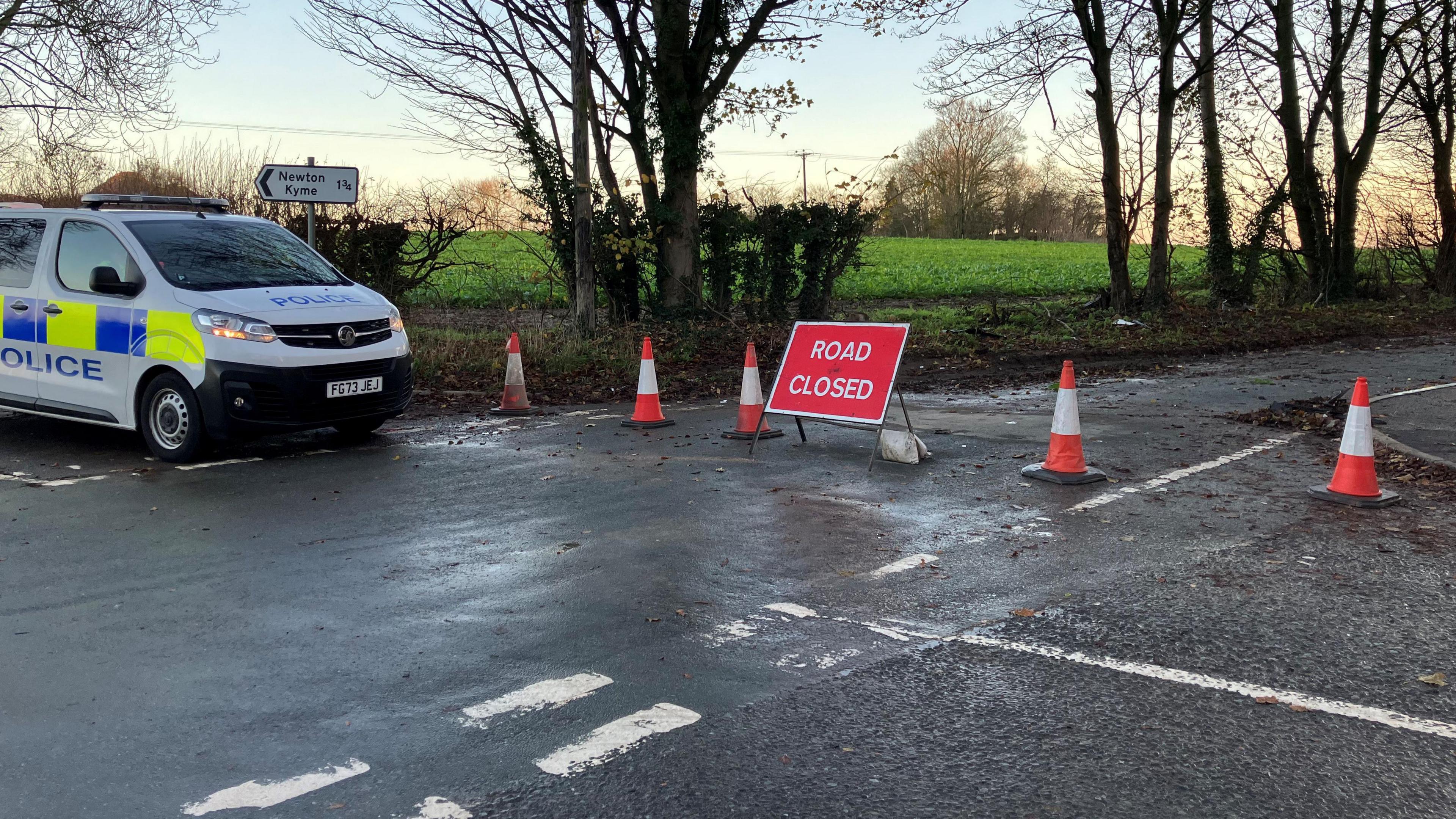
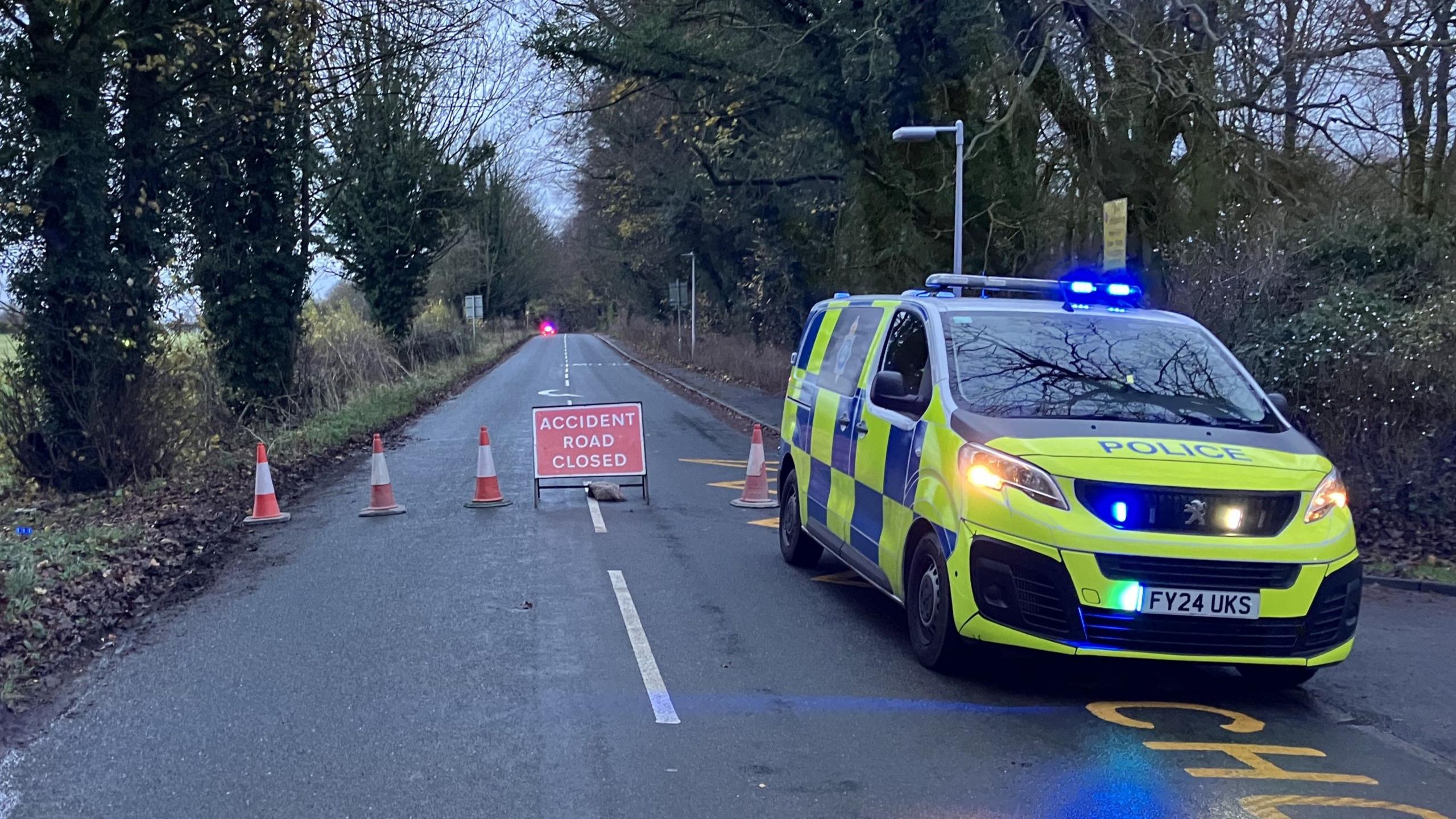
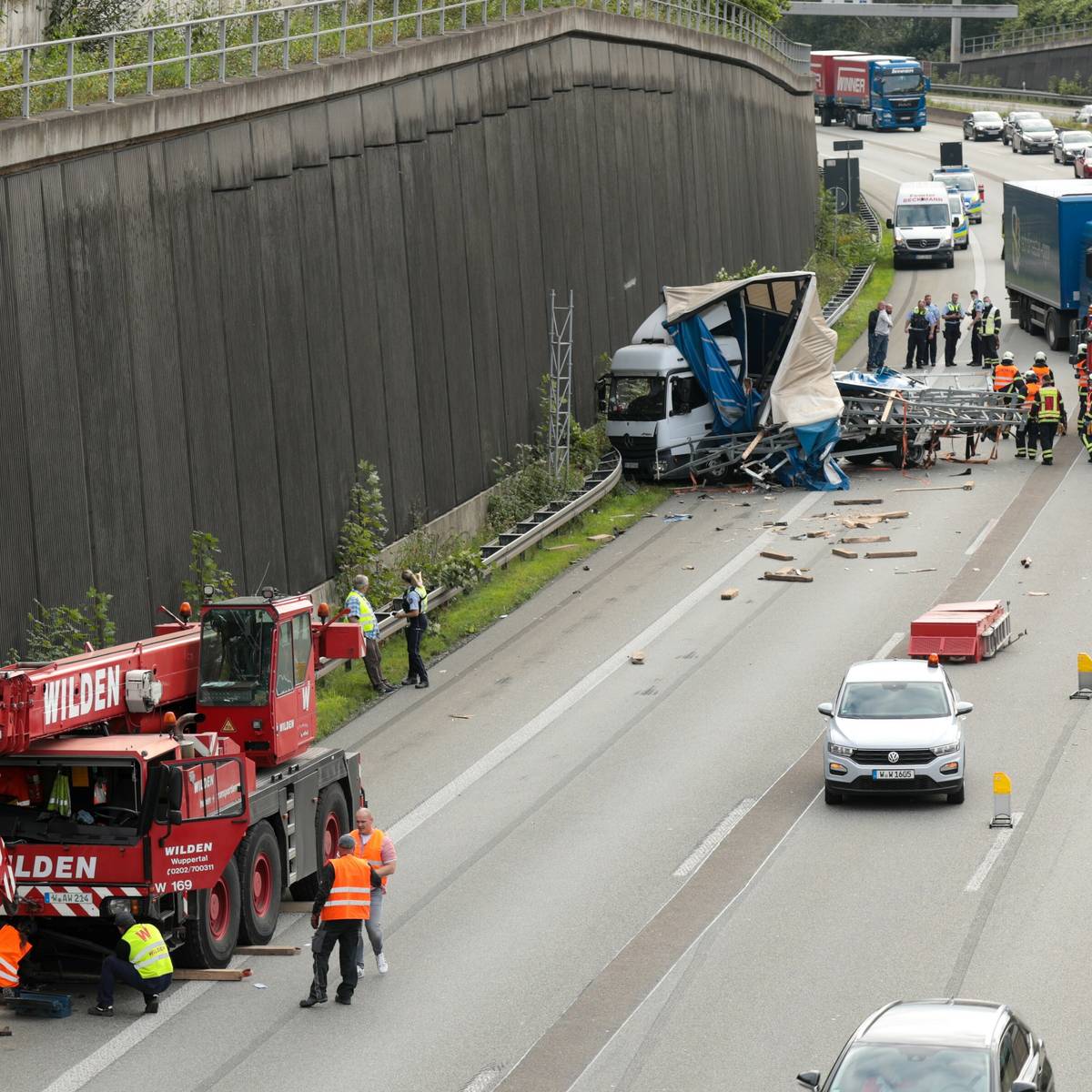
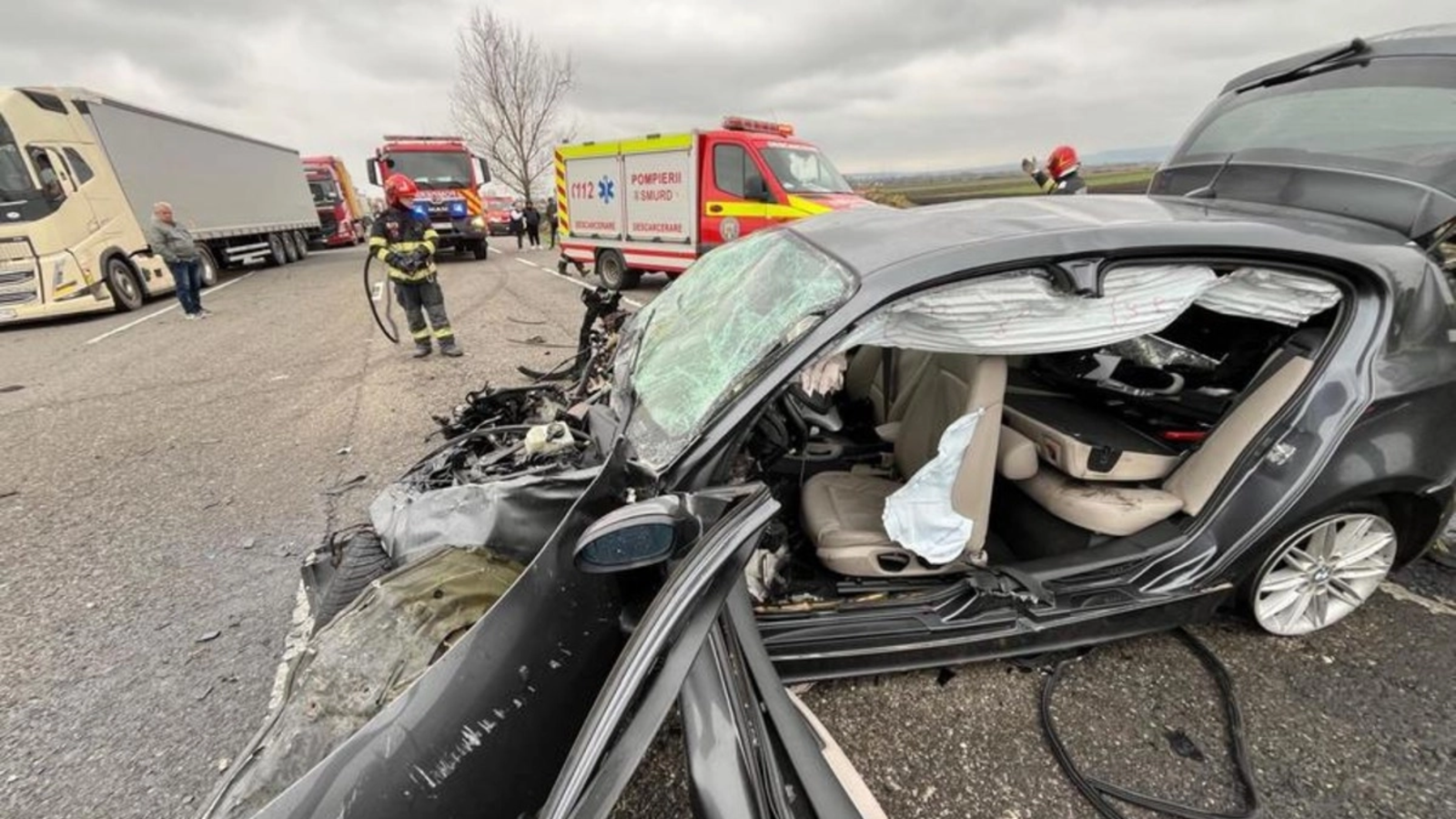
If you are involved in or encounter an accident on the A1(M) near the Tadcaster and Bramham interchange, your immediate priorities are safety, reporting, and evidence preservation. Ensure all occupants are behind the crash barrier, contact emergency services via 999 if there are injuries or lane blockages, and notify National Highways to manage traffic flow and debris.
The stretch of the A1(M) passing near Tadcaster, particularly around the Junction 44 (A64) Bramham Crossroads, remains one of the most significant arterial hubs in North Yorkshire. Serving as the primary link between the North-South A1(M) corridor and the East-West A64 toward York and the coast, this area experiences high traffic volumes, complex merging patterns, and a higher-than-average frequency of road traffic incidents. As of 2026, infrastructure updates and revised safety protocols have changed how drivers should respond to accidents in this specific vicinity.
Understanding the Hazards of the A1(M) Tadcaster Corridor
The geography of the A1(M) near Tadcaster contributes significantly to its accident profile. The Bramham interchange is a high-speed confluence where long-distance freight traffic interacts with local commuters from Leeds, York, and Harrogate. The transition from the dual-carriageway A64 to the multi-lane A1(M) motorway often results in "weaving" maneuvers, where vehicles must cross multiple lanes in a short distance to reach their desired exit.
Historically, this section has seen a variety of incident types, from multi-vehicle shunts during peak-hour congestion to more severe high-speed collisions during adverse weather conditions. The North Yorkshire landscape is prone to sudden fog and heavy surface water, which, combined with the lack of hard shoulders on certain "Smart Motorway" sections (though many were retrofitted with more frequent Emergency Areas by 2025), increases the risk of stationary vehicle collisions.
By 2026, National Highways has implemented enhanced digital signaling in this sector. Drivers must remain vigilant regarding variable speed limits and the "Red X" lane closure signals, which are strictly enforced by automated camera systems to protect recovery crews and emergency responders at the scene of a Tadcaster accident.
Immediate Steps Following an Accident on the A1
If you are involved in a collision near the Tadcaster turn-off, the actions you take in the first ten minutes are critical for physical safety and subsequent legal or insurance claims. Motorway environments are inherently dangerous for pedestrians; therefore, the "Go Left" strategy remains the gold standard for safety.
- Move to a Place of Safety: If your vehicle is still movable, try to exit the motorway at the Tadcaster/A64 junction or pull into a designated Emergency Area (EA). If you must stop on the verge, steer your wheels toward the left (away from traffic).
- Exit the Vehicle: All occupants should exit the vehicle through the left-hand doors (the side furthest from traffic). Move well behind the crash barrier and, if possible, up the embankment.
- Alert the Authorities: Call 999 immediately. State clearly that you are on the A1(M) near the Tadcaster/A64 interchange. Mention your direction of travel (Northbound or Southbound) and the nearest marker post number, which is found on the small signs at the side of the road.
- Do Not Attempt Repairs: Never attempt to place a warning triangle on a motorway or try to change a tyre yourself. The speed of approaching traffic at Tadcaster makes this life-threatening.
Navigating Reporting and Documentation Requirements
In 2026, the process of documenting an accident has become increasingly digital. However, the legal requirement to exchange details under the Road Traffic Act remains unchanged. If the accident involves damage to property or injury to persons, you must provide your name, address, and vehicle registration to anyone else involved.
Dealing with North Yorkshire Police
For accidents in the Tadcaster area, the North Yorkshire Police (NYP) hold jurisdiction. If they attend the scene, they will issue a log number. This number is the primary reference for your insurance company and any legal representatives. If the police do not attend—often the case in minor "damage-only" bumps—you are required to report the incident at a police station or via the NYP online reporting portal within 24 hours.
Digital Evidence and Dashcams
By 2026, dashcam footage has become the most decisive factor in resolving liability disputes for A1 accidents. High-speed merges near Bramham often lead to "he-said, she-said" disputes regarding lane discipline. Ensure your footage is saved and not overwritten. If you were a witness to an accident near Tadcaster, you can often upload footage directly to the National Dash Cam Safety Portal, which North Yorkshire Police use to review driving standards.
Historical Context: Major Incidents and Infrastructure Evolution
To understand the safety landscape of 2026, one must look at the developments following significant incidents in 2024 and 2025. Following a series of high-profile collisions near the A64 merge, local campaigns led by Tadcaster residents and regional MPs prompted a review of the signage and lighting at Junction 44.
Key improvements delivered by 2026 include:
- Enhanced Lighting: LED arrays that improve visibility during the frequent "Vale of York" mists.
- Increased Emergency Areas: The spacing between safe stopping zones on the A1(M) through North Yorkshire was reduced to approximately 0.75 miles.
- A64 Merge Realignment: Minor engineering adjustments to the slip roads entering the A1(M) Southbound to provide drivers with a longer "sighting" window to gauge the speed of oncoming heavy goods vehicles (HGVs).
These changes have aimed to reduce the frequency of side-swipe accidents and rear-end collisions that previously plagued this specific stretch of the Great North Road.
Legal and Insurance Considerations for North Yorkshire Drivers
If you have suffered injuries or significant vehicle loss in an A1 Tadcaster accident, navigating the claims process requires an understanding of regional legal nuances. Because this stretch of road carries a high volume of commercial traffic, many accidents involve HGVs or fleet vehicles, which often entails dealing with complex corporate insurers.
| Incident Type | Primary Responsibility | Recommended Documentation |
|---|---|---|
| Minor Rear-End | Driver at fault | Exchange of insurance details, photos of vehicle positions. |
| HGV/Logistics Collision | Fleet Operator/Insurance | Tachograph data, corporate insurance policy numbers. |
| Infrastructure Failure | National Highways | Photos of road surface, signage, or debris that caused the event. |
| Multi-Vehicle Pileup | Multiple Insurers/Police | Police incident report number, witness contact details. |
In 2026, the "Whiplash Reform" legacy continues to influence how small-scale injury claims are handled in the UK. Claimants are generally expected to use the Official Injury Claim portal for losses under a specific threshold, though accidents involving the high speeds found on the A1(M) often result in more complex injuries that fall outside the simplified portal system.
Road Safety Best Practices for the A1(M) at Tadcaster
Preventing an accident is always preferable to managing the aftermath. The Tadcaster stretch of the A1(M) requires specific defensive driving techniques due to its unique layout.
- Anticipate the A64 Merge: If you are traveling Southbound on the A1(M), move into the middle or outer lanes (if safe) as you approach Junction 44. This leaves the nearside lane clear for vehicles merging at high speed from the A64 Leeds/York road.
- Distance is Safety: Maintaining a two-second gap is the minimum; in North Yorkshire's frequent rain, this should be doubled to four seconds. The A1(M) has many slight gradients that can affect braking distances for heavily laden vehicles.
- Check Live Feeds: Before traveling, check the National Highways "Traffic England" map or local North Yorkshire travel news. Accidents near Tadcaster often cause "trapped traffic" scenarios where the motorway is closed for several hours for forensic investigation.
- Vehicle Health: Ensure your tyres have adequate tread and your lights are functioning. The A1(M) is a fast-moving environment where being "conspicuous" is your best defense against being struck from behind.
Common Questions Regarding A1 Tadcaster Incidents
How do I find out if the A1 is closed near Tadcaster right now?
In 2026, the most reliable source for real-time closures is the National Highways regional X (formerly Twitter) feed or the "Traffic England" website. Local radio stations, such as BBC Radio York, provide frequent updates on the Tadcaster corridor, especially concerning the A64/A1(M) interchange which is a known bottleneck.
What should I do if my car breaks down near the Tadcaster exit but there is no hard shoulder?
Switch on your hazard lights and your sidelights. Try to reach the next Emergency Area or exit. If you cannot, pull as far left as possible, exit the vehicle via the left door, and move behind the barrier. Use the roadside SOS phone if your mobile signal is poor, as this automatically alerts the regional control center to your exact location.
Who is responsible for debris on the A1 near Tadcaster?
National Highways is responsible for maintaining the A1(M) and clearing debris. If you spot a hazard such as a blown tyre or lost cargo, do not stop to move it yourself. Call the National Highways Information Line or 999 if it poses an immediate danger to life.
Can I claim compensation for delays caused by an A1 accident?
Generally, you cannot claim compensation from other drivers or authorities for time lost due to traffic congestion following an accident. However, if you are a commercial driver, your insurance policy or "Goods in Transit" coverage may have specific clauses regarding delays, though these are typically reserved for extraordinary circumstances.
How do I obtain a police report for an accident at the Bramham Crossroads?
You must request a collision report through the North Yorkshire Police "Road Traffic Collision Support" unit. There is usually a standard fee for this service, and it can take several weeks or months if a criminal investigation is ongoing. Your insurance company will typically handle this request on your behalf during a claim.
Moving Forward: Post-Accident Recovery
Recovering from an accident on a major motorway like the A1 involves more than just vehicle repairs. It requires a systematic approach to insurance, legal rights, and, in many cases, psychological recovery from the stress of a high-speed incident.
If your vehicle has been recovered from the A1 near Tadcaster, it will likely be taken to a regional storage compound in Leeds, Wetherby, or York. Ensure you remove all personal belongings as soon as possible and confirm with your insurer which approved repairer will be handling the assessment. For those who frequently commute through this corridor, staying informed about ongoing roadworks and safety campaigns is the best way to remain proactive about road safety in North Yorkshire.