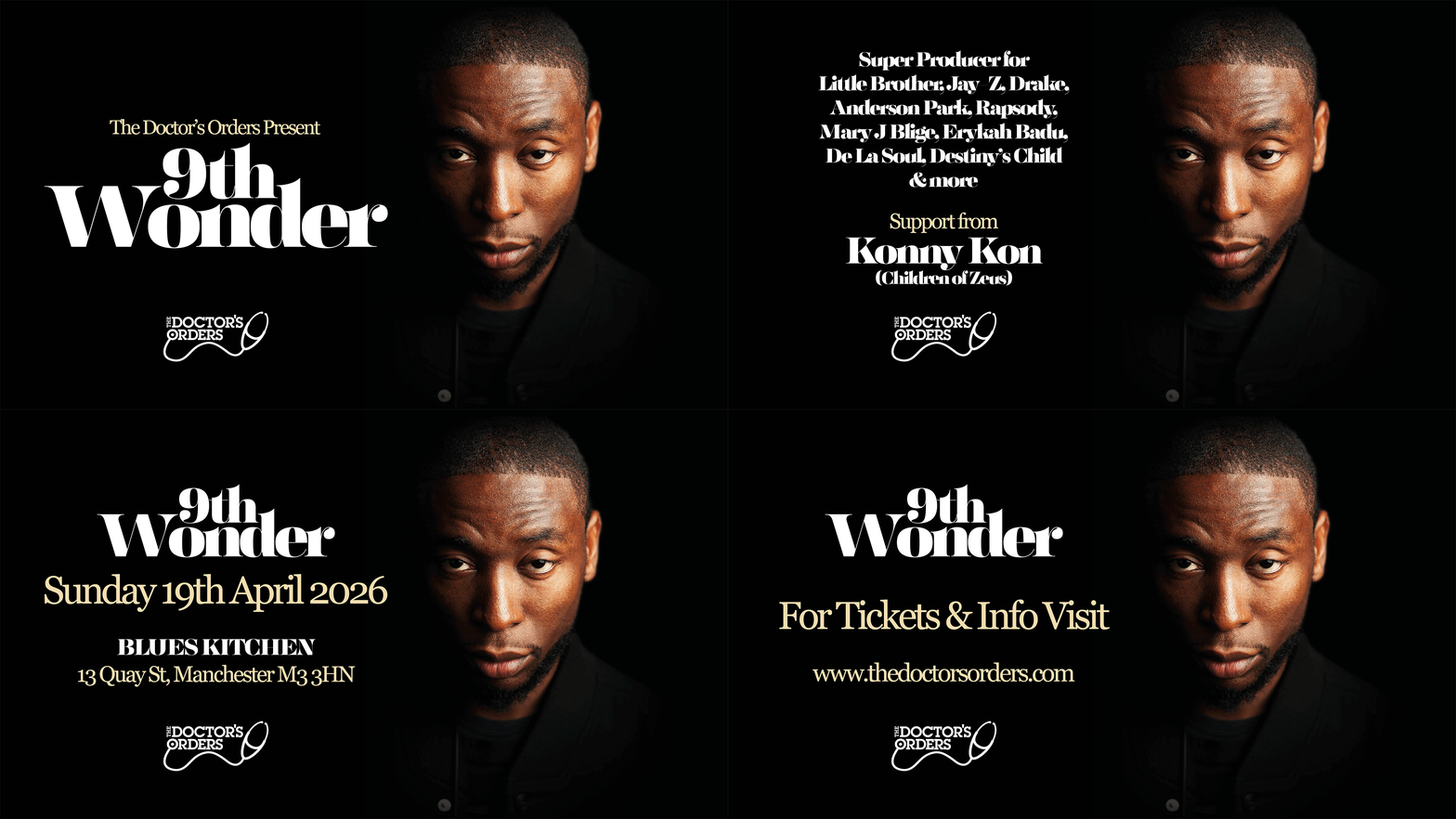
As of 2026, 9th Wonder’s net worth is estimated to be between $2.5 million and $4 million. This valuation is the result of a diversified professional portfolio that includes multi-platinum music production, the founding of Jamla Records, high-level sync licensing, and a pioneering career in academia as a professor and fellow at institutions like Duke University and Harvard.
9th Wonder, born Patrick Denard Douthit, occupies a unique space in the music industry. Unlike many contemporary producers who rely on a singular "hit-making" window, 9th Wonder has built a sustainable financial model based on catalog longevity and institutional credibility. His transition from the underground success of Little Brother to producing for the biggest names in the world—including Jay-Z, Destiny’s Child, and Kendrick Lamar—has provided him with both substantial upfront production fees and a robust stream of residual royalties.
The Foundation of 9th Wonder’s Wealth: Little Brother and the Mid-2000s Breakout
To understand 9th Wonder's financial standing in 2026, one must look back at the early 2000s. His initial wealth was built through the independent success of the group Little Brother. While independent hip-hop rarely yields the massive "advance" checks seen in major label deals, it allowed 9th Wonder to retain a higher percentage of his publishing and masters early on.
The 2003 release of The Listening established his "soul-sampling" sound, which became a highly sought-after commodity. This era was critical because it proved that his production style—heavily reliant on the Akai MPC and the FL Studio (formerly Fruity Loops) software—could compete with the high-budget studio sounds of the era. By the time he moved into solo production for other artists, his "brand" was already established, allowing him to command premium rates for his beats.
Analyzing the "Richest Beats": Major Label Royalties and Global Hits
While 9th Wonder is often associated with the "underground," his "richest beats"—those that have generated the most significant revenue through sales, streaming, and licensing—reside in the catalogs of global superstars.
The Jay-Z Connection: "Threat"
In 2003, 9th Wonder produced "Threat" for Jay-Z's The Black Album. This was a pivotal financial moment. The Black Album is a multi-platinum landmark in hip-hop. Being a producer on such a project provides a lifetime of mailbox money through mechanical royalties. In the 2026 streaming economy, a placement on a classic Jay-Z album continues to yield high returns due to the consistent monthly listenership of legacy hip-hop catalogs.
Destiny’s Child and Mainstream Pop: "Girl"
Perhaps his most commercially lucrative beat was "Girl" by Destiny’s Child, released in 2004. Unlike "Threat," which was a hard-hitting rap record, "Girl" was a worldwide R&B hit that reached the top 10 in multiple countries. The performance royalties from international radio play, television syncs, and digital sales for a Destiny’s Child single are exponentially higher than standard rap album cuts. This single remains a cornerstone of his production wealth.
The Kendrick Lamar Impact: "DUCKWORTH."
In 2017, 9th Wonder produced the closing track "DUCKWORTH." on Kendrick Lamar’s Pulitzer Prize-winning album DAMN. The financial significance of this beat cannot be overstated. DAMN. was a global phenomenon, and as streaming became the primary mode of consumption, the sheer volume of plays for this track contributed significantly to 9th Wonder's modern earnings. Furthermore, the prestige of being associated with a Pulitzer-winning work increased his market value for future collaborations and speaking engagements.
Institutional Income: The Academic Pioneer
A significant portion of 9th Wonder’s net worth in 2026 is derived from sources outside the traditional music industry. He has successfully monetized his expertise through high-level academia, a path few other hip-hop figures have navigated so successfully.
- Duke University: As a lecturing professor, he has taught courses on hip-hop history and sample-based production. These are not merely guest appearances; they are formal academic appointments that provide a stable, high-tier salary and benefits.
- Harvard University: His residency as a Fellow at the Hip-Hop Archive and the W.E.B. Du Bois Institute further solidified his status. Fellowships at Ivy League institutions often come with significant stipends and open doors to lucrative consulting roles.
- North Carolina Central University (NCCU): His long-standing relationship with his alma mater has involved both teaching and program development, contributing to his steady non-touring income.
This "Academic Alpha" status protects his net worth from the volatility of the music charts. Even if he does not produce a hit song in a given year, his institutional income remains constant.
Jamla Records and the Independent Business Model
As the founder of Jamla Records, 9th Wonder transitioned from being a "work-for-hire" producer to a label executive. The primary financial engine of Jamla is the artist Rapsody. By discovering, producing, and managing Rapsody, 9th Wonder participates in the revenue of her entire career—including touring, merchandise, and features—rather than just a single production fee.
The Jamla business model focuses on "quality over quantity," maintaining low overhead by utilizing in-house production (The Soul Council) and focused marketing. This efficiency means a higher percentage of gross revenue remains as net profit for the label.
Comparative Value of 9th Wonder’s Key Productions
The following table outlines the estimated commercial impact and revenue potential of 9th Wonder's most significant "richest beats" based on RIAA certifications and historical performance.
| Song Title | Artist | Album | Estimated Commercial Impact | Primary Revenue Source |
|---|---|---|---|---|
| "Girl" | Destiny's Child | Destiny Fulfilled | Multi-Platinum (Single) | Radio, Global Streaming, Pop Airplay |
| "Threat" | Jay-Z | The Black Album | Multi-Platinum (Album) | Catalog Sales, Legacy Streaming |
| "DUCKWORTH." | Kendrick Lamar | DAMN. | Multi-Platinum (Album) | High-Volume Streaming, Sync Licensing |
| "Honey" | Erykah Badu | New Amerykah Part One | Gold/Platinum | R&B Airplay, Music Video Royalties |
| "A Day in the Life" | Mary J. Blige | The Breakthrough | Multi-Platinum (Album) | Major Label Mechanical Royalties |
Catalog Value and the Future of Music Assets
By 2026, the market for music catalogs has matured. While 9th Wonder has not publicly sold his entire publishing catalog in the manner of Dr. Dre or Bruce Springsteen, the valuation of his catalog is a major component of his net worth.
His beats are valuable because they utilize "soul" samples that have a timeless quality. This makes them highly attractive for sync licensing in films, documentaries, and prestige television series. When a production company wants a sound that evokes the "Golden Era" but feels modern, 9th Wonder’s catalog is the premier choice. A single major sync placement in a Netflix series or a global ad campaign can net a producer anywhere from $20,000 to $150,000 in one-time fees, plus ongoing residuals.
Strategic Partnerships and Roc Nation
9th Wonder’s management deal with Roc Nation (Jay-Z’s company) has been a significant force multiplier for his net worth. Roc Nation provides the infrastructure for high-level branding deals and ensures that his royalty collection is optimized globally. Being under the Roc Nation umbrella also allows him to negotiate better terms for his artists on Jamla Records, creating a "trickle-up" financial benefit for 9th Wonder as the label head.
Frequently Asked Questions
Does 9th Wonder make more money from teaching or music?
While his music catalog (specifically royalties from hits by Jay-Z and Destiny's Child) likely provides a higher potential for large lump sums, his academic career at Duke and Harvard provides a more stable, predictable six-figure annual income. In 2026, the balance is likely 60% music-related (royalties/label) and 40% institutional (academia/consulting).
How does sampling affect his net worth?
Sampling is a double-edged sword. Because 9th Wonder uses samples, a portion of the publishing revenue for his beats must be paid to the original creators. This means his "points" on a song might be lower than a producer who creates entirely original melodies. However, the demand for his specific sampled sound is what allows him to charge higher upfront fees, offsetting the loss in publishing.
Is Rapsody’s success a major factor in his wealth?
Yes. As the head of Jamla Records, 9th Wonder benefits from Rapsody’s status as one of the most respected lyricists in hip-hop. Her Grammy nominations and touring revenue contribute directly to the label’s bottom line, which 9th Wonder owns.
What is 9th Wonder's most profitable song?
Commercially, "Girl" by Destiny's Child is likely his most profitable song due to its crossover pop success and international radio rotation. Culturally, "DUCKWORTH." by Kendrick Lamar has provided the most modern "boost" to his catalog value and streaming numbers.
Does he own his masters?
9th Wonder owns the masters for much of his independent work and the Jamla Records catalog. For his major-label placements (Jay-Z, Kendrick Lamar), he typically does not own the master recording but retains a percentage of the writer's and producer's share of the publishing.
Final Financial Outlook and Professional Recommendation
For those tracking the financial trajectory of legendary music producers, 9th Wonder serves as a blueprint for career diversification. His net worth is not tied to the fleeting popularity of a specific "vibe" or sub-genre. Instead, it is anchored in the education system, independent label ownership, and a catalog of timeless hits.
If you are looking to emulate his success or understand his value, the key is intellectual property management. By 2026, the most successful producers are those who treat their beats as long-term assets rather than one-time sales. 9th Wonder’s move into academia wasn't just a passion project; it was a strategic move that turned his "hip-hop IQ" into a billable asset, ensuring his net worth continues to grow long after the "Threat" beat first hit the airwaves.