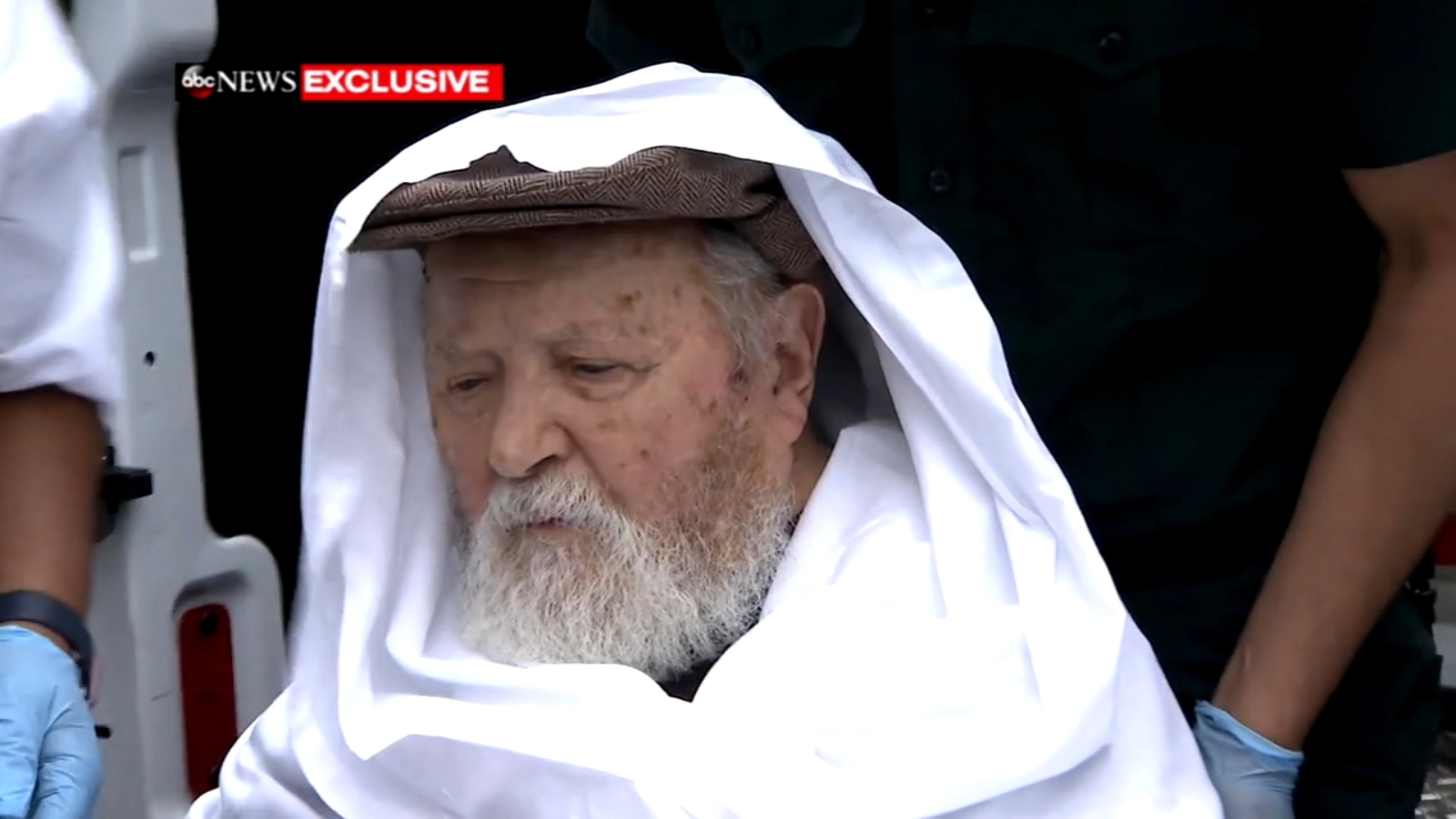
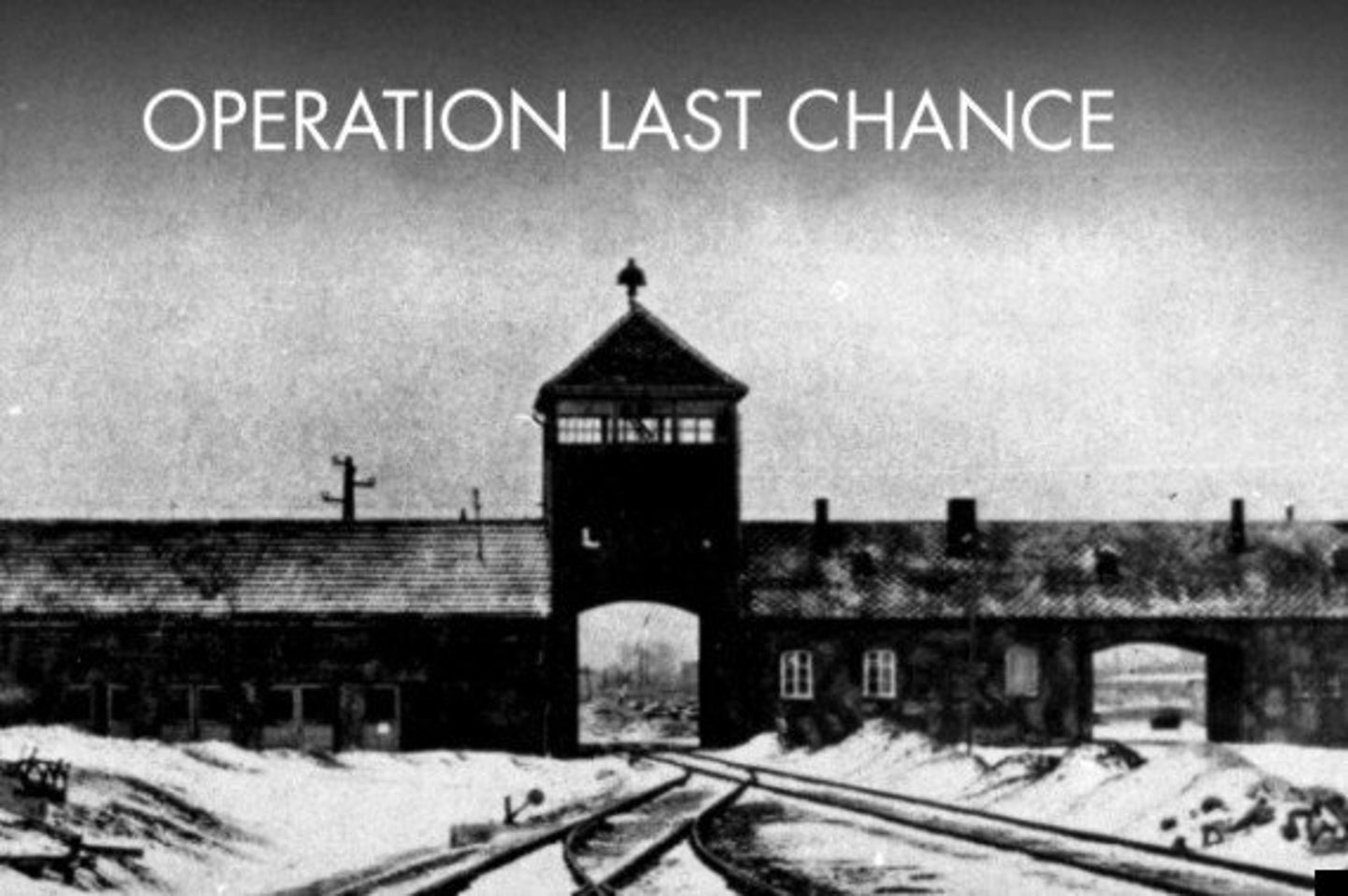
The exposure of a 95-year-old Nazi war criminal in 2026 represents one of the final chapters in the century-long pursuit of Holocaust accountability. These cases typically involve individuals who served as camp guards or administrative staff, now being prosecuted under modern legal precedents that define "accessory to murder" as participation in the machinery of systemic genocide, regardless of proof of specific individual killings.
The Closing Window of Nazi War Crimes Investigations
As we move through 2026, the window for judicial accountability regarding the Second World War is nearly shut. The individuals currently being identified and brought to trial were often in their late teens or early twenties during the final years of the conflict (1944–1945). A person who is 95 years old in 2026 would have been born in 1931, making them approximately 14 years old at the war's end. This demographic reality means that most "exposed" individuals in the current year are more likely to be in their late 90s or early 100s, though investigations continue to surface for those who were juvenile conscripts or younger guards.
The pursuit remains a priority for organizations like the Simon Wiesenthal Center and Germany’s Central Office for the Investigation of National Socialist Crimes in Ludwigsburg. The primary goal is not merely incarceration, given the age and health of the suspects, but the formal establishment of historical truth and the judicial recognition of the victims' suffering. These late-stage trials serve as a "pedagogical service to history," ensuring that the details of the Holocaust are documented in a court of law one last time.
The Legal Evolution: From Direct Killers to the "Cog in the Machine"
For decades following the Nuremberg Trials, German law required prosecutors to prove that a suspect had personally committed a specific act of murder or cruelty. This high evidentiary bar allowed thousands of lower-level SS personnel and camp guards to live out their lives in anonymity. However, a significant legal shift occurred in the 21st century that redefined how we view war crimes today.
The 2011 conviction of John Demjanjuk, a former guard at the Sobibor extermination camp, established a revolutionary precedent. The court ruled that anyone who served at a death camp could be convicted of being an accessory to murder, even without evidence of a specific individual crime. The logic was simple: the camps were designed solely for killing; therefore, anyone working there was a functional part of the killing process. This was further solidified by the 2015 trial of Oskar Gröning, the "Accountant of Auschwitz," which confirmed that even those in administrative roles shared criminal responsibility for the collective genocide.
Identification and Investigative Methods in 2026
Exposing a war criminal eight decades after the fact requires a combination of high-tech forensics and traditional archival research. In 2026, investigators rely on several primary sources to build their cases:
- The Arolsen Archives: Formerly the International Tracing Service, this massive repository contains over 30 million documents. Digitalization has allowed investigators to cross-reference SS payrolls with post-war immigration records.
- SS-Stammrolle (Muster Rolls): These official documents listed every member of an SS unit. By matching these names against modern pension records or social media profiles of descendants, investigators can locate suspects living under their real names or thin aliases.
- Wartime Transport Lists: Comparing the names of guards assigned to specific "death trains" or camp barracks allows prosecutors to place a suspect at the scene of a crime during specific massacres.
- Geospatial Analysis: Using modern satellite imagery and historical aerial reconnaissance, investigators can recreate camp layouts to prove that a guard at a specific tower would have had a direct view of the atrocities, negating the "I didn't know" defense.
Recent Outcomes of Late-Era Nazi Trials
The following table highlights the legal outcomes of prominent trials involving elderly defendants in the years leading up to 2026. These cases demonstrate the biological and legal hurdles faced by the justice system.
| Defendant Name | Role / Location | Age at Trial | Verdict / Status | Year of Action |
|---|---|---|---|---|
| Irmgard Furchner | Secretary, Stutthof | 97 | 2-year suspended sentence | 2022 |
| Josef Schütz | Guard, Sachsenhausen | 101 | 5 years (died pending appeal) | 2022 |
| Friedrich Karl Berger | Guard, Neuengamme | 95 | Deported to Germany | 2021 |
| Bruno Dey | Guard, Stutthof | 93 | 2-year suspended sentence | 2020 |
| Oskar Gröning | Accountant, Auschwitz | 94 | 4 years (died before prison) | 2015 |
The Ethics of Prosecuting the Elderly
The exposure of 95-year-old suspects often ignites a global debate: Is it "too late" for justice? There are two primary perspectives that dominate this discussion in 2026.
The Argument for Prosecution
Proponents argue that murder has no statute of limitations. For survivors and the families of victims, the age of the perpetrator does not diminish the gravity of the crime. These trials are seen as a vital defense against Holocaust denial. When a court verifies the facts of a suspect's service and the operations of a camp, it creates an unassailable legal record that counters disinformation. Furthermore, it sends a message to modern war criminals that they will be pursued for the rest of their lives.
The Argument for Compassion or Futility
Critics often point to the health and mental state of the defendants. Many are wheelchair-bound or suffer from dementia, leading some to question whether they can truly understand the proceedings against them. In some cases, the cost of the trial and the extensive medical staff required are viewed as an inefficient use of state resources. However, German courts have consistently ruled that "fitness to stand trial" is a medical determination, and as long as a defendant can follow the proceedings for a few hours a day, the trial must proceed.
Procedural Requirements for Exposure and Prosecution
Exposing a suspected war criminal is only the first step in a long legal process. In 2026, the procedure generally follows these stages:
- Initial Verification: Investigative journalists or organizations like the Simon Wiesenthal Center present a dossier to the Central Office in Ludwigsburg.
- Jurisdictional Review: The case is handed to a local prosecutor in the state where the suspect currently resides.
- Medical Evaluation: A court-appointed physician determines if the suspect is physically and mentally fit to withstand the stress of a trial. In 2026, many cases are dismissed at this stage due to advanced age.
- The Indictment: If fit, the suspect is charged with "Beihilfe zum Mord" (accessory to murder). Because the defendants were often under 21 at the time of the crime, they are frequently tried in juvenile courts, despite being nearly a century old.
- Public Trial: The proceedings are often held in large venues to accommodate media and observers, though session times are limited (e.g., two hours twice a week) to accommodate the defendant's health.
Common Challenges in 2026 Cases
The most significant challenge is the "Witness Problem." As of 2026, there are very few survivors of the Holocaust who are healthy enough to provide live testimony. Courts must rely on recorded depositions from the 1960s or 1990s and historical expert testimony. This shifts the focus from victim testimony to documentary evidence, making the work of archivists more critical than ever.
Frequently Asked Questions
Why are Nazis still being prosecuted in 2026?
The German legal system is bound by the principle that murder and accessory to murder in cases of genocide have no statute of limitations. As long as a suspect is alive and fit to stand trial, the state is legally obligated to pursue the case to maintain the integrity of the rule of law.
What happens if the 95-year-old defendant dies during the trial?
If a defendant dies before a verdict is reached or before an appeal is exhausted, the case is legally closed without a conviction. In many recent cases, such as that of Josef Schütz, the defendant died while the case was under appeal, meaning the conviction never technically became "legally binding," though the historical record of the trial remains.
Can these individuals be deported to Germany from other countries?
Yes. If a suspect is found in a country like the United States, they often face civil proceedings for immigration fraud (lying on visa applications about their wartime service). Once their citizenship is revoked, they can be deported to Germany or another country that has issued an arrest warrant for war crimes.
Are these 95-year-old suspects actually sent to prison?
While some receive prison sentences (usually 2 to 5 years), very few actually spend time behind bars. Due to their age and the length of the appeals process, many die before they are processed into the prison system. In other cases, sentences are suspended, focusing on the symbolic "guilty" verdict rather than physical incarceration.
How are these individuals "exposed" after so many years?
Exposure often happens through the digitalization of military records. A name that was once buried in a paper file in a Russian or German archive is now searchable. Investigative journalists often track these names to modern addresses or obituary notices of spouses, leading them to the living suspects.
Immediate Steps for Fact-Checking Nazi Exposure Stories
If you encounter a report about a "newly exposed" 95-year-old Nazi, it is important to verify the details through official channels. Many viral stories are based on cases that were already settled years ago or misinterpret the specific role the individual played.
To verify a case, consult the German Central Office for the Investigation of National Socialist Crimes or the Arolsen Archives online database. These institutions provide the most accurate status updates on pending investigations. For those interested in the historical context of these "last trials," visiting memorials like Yad Vashem or the United States Holocaust Memorial Museum provides necessary documentation on why these late-stage judicial efforts remain a cornerstone of international human rights law.