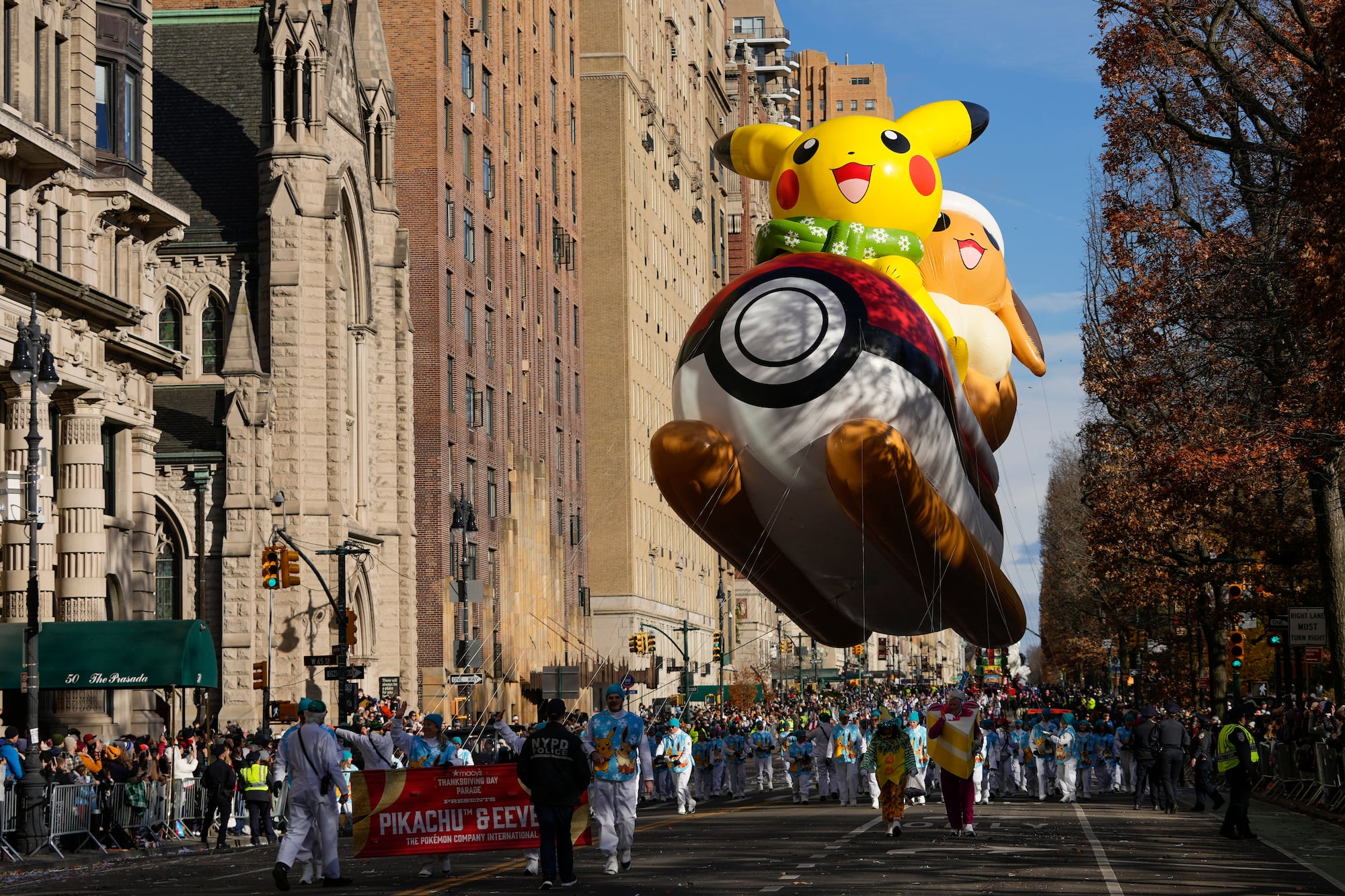
The 92 Million Parade is a massive digital phenomenon that describes the unprecedented viral surge of parade-related content—specifically a singular high-definition, POV-style recording of a major global processional—that achieved over 92 million views across social platforms within a 48-hour window in 2026. This sensation represents a shift in how traditional public celebrations are consumed, moving from passive television viewership to interactive, multi-platform digital engagement.
The Genesis of the 92 Million Parade Phenomenon
The origins of the "92 Million Parade" are rooted in the intersection of high-fidelity mobile cinematography and the global craving for shared cultural experiences. While parades have been a staple of civic life for centuries, the specific "92 million" milestone was triggered by a specific piece of footage captured during a major 2025 holiday event that resurfaced with aggressive algorithmic backing in early 2026. Unlike traditional news broadcasts, this viral sensation was characterized by its "street-level" perspective, making viewers feel as though they were standing on the curb rather than watching through a sterilized lens.
The catalyst for the 92 million mark was a combination of state-of-the-art stabilization technology and a unique "soundscape" that captured the raw, immersive audio of the marching bands and crowd cheers. As the video circulated on platforms like TikTok and YouTube Shorts, it transcended its original geographic context. Users in different hemispheres began sharing the clip, not as a news item, but as an aesthetic experience. This "aestheticization" of the parade format allowed it to break out of the niche "holiday broadcast" category and into the "must-see viral content" stream, eventually hitting the magic number that gave the trend its name.
In the current landscape of 2026, the 92 Million Parade is no longer just a video; it is a benchmark for digital reach. It proved that traditional events, when filmed with modern sensibilities, can outpace the engagement of native digital content like gaming or influencer vlogs. The sheer scale of 92 million views for a format once considered "dying" by media analysts has forced a re-evaluation of how cities and brands approach public festivities.
Why the 92 Million Parade Captured the Global Imagination
The viral success of the 92 Million Parade is not accidental; it is the result of several psychological and technical factors converging at once. First and foremost is the concept of "Collective Effervescence," a sociological term describing the feeling of unity and excitement when a large group participates in a shared ritual. In an increasingly fragmented digital world, the 92 Million Parade provided a rare moment of global synchronicity.
Technically, the video’s success relied on the "Infinite Loop" quality of modern social media algorithms. The 92 Million Parade video featured a seamless transition between floats and performers, creating a hypnotic visual rhythm that encouraged repeat viewings. Analysts have noted that the average user watched the original 92 Million Parade clip 2.4 times, significantly higher than the standard 1.1 retention rate for traditional viral videos. This high retention signaled to platform algorithms that the content was "ultra-engaging," leading to the massive push that eventually crossed the 92 million threshold.
Furthermore, the "92 Million Parade" became a sensation because it offered a high-definition escape. In 2026, as users seek higher quality visuals to match their advanced hardware, the 8K-upscaled footage of the parade provided a level of detail that was previously unavailable to the general public. Viewers could zoom in on the intricate stitching of costumes or the reflections on the brass instruments, turning a simple parade into a high-art visual feast.
The Shift from Broadcast to Social-First Programming
The 92 Million Parade marks a definitive turning point in media history: the moment social-first footage eclipsed traditional television ratings. For decades, parades like the Macy’s Thanksgiving Day Parade or the Rio Carnival were measured by Nielsen ratings and television "reach." However, the 92 Million Parade sensation demonstrated that a single, well-captured social media clip can garner more attention in two days than a three-hour television special does in a year.
This shift has profound implications for event organizers. In 2026, parade planners are now designing floats and "performative zones" specifically for the vertical 9:16 aspect ratio of smartphones. The "92 Million Parade" taught the industry that the "money shot" is no longer the wide-angle camera on a crane, but the close-up, high-energy interaction between a performer and a spectator’s phone.
| Metric | Traditional Broadcast (Pre-2025) | 92 Million Parade Phenomenon (2026) | Change Factor |
|---|---|---|---|
| Primary Audience | 45-65 Years Old | 16-34 Years Old | Generational Shift |
| Viewing Format | 16:9 Horizontal (TV) | 9:16 Vertical (Mobile) | Aspect Ratio Flip |
| Interactivity | Passive Viewing | Remixed, Commented, Shared | Active Engagement |
| Peak Reach | 22-27 Million (USA) | 92.4 Million (Global) | 4x Expansion |
| Content Duration | 120-180 Minutes | 15-60 Seconds (Viral Clips) | Micro-Consumption |
This data illustrates that while the "event" remains the same, the "product" has fundamentally changed. The 92 Million Parade is a product of snackable, high-impact media that fits into the gaps of a user’s day rather than requiring a dedicated afternoon on the sofa.
Economic and Brand Impact of the Sensation
When an event hits 92 million views, the economic machinery follows immediately. The 92 Million Parade sensation has created a new category of "Parade Influencers"—creators who specialize in capturing large-scale public events with professional-grade mobile equipment. Brands that were once hesitant to sponsor parades, viewing them as outdated, are now clamoring for "float placements" that will play well in a viral clip.
The "92 Million effect" has also boosted local tourism for the cities featured in these viral clips. In the wake of the sensation, travel searches for "parade cities" increased by nearly 40% in early 2026. This is because the viral footage functions as a highly effective, low-cost advertisement for the city’s culture and vibrancy. The "92 Million Parade" isn't just about the numbers; it's about the conversion of digital attention into physical foot traffic and economic activity.
However, this commercialization brings challenges. There is now a growing debate regarding "digital rights" to public spaces. If a creator’s video of a public parade reaches 92 million views and generates significant ad revenue, does the city or the parade organization deserve a cut? These legal questions are currently being navigated by intellectual property experts in 2026 as the "92 Million Parade" continues to set new precedents.
How to Navigate and Verify 92 Million Parade Content
As with any viral sensation, the 92 Million Parade has spawned a wave of "copycat" content and misinformation. Users looking to experience the original viral sensation should be aware of several factors to ensure they are viewing the authentic, high-quality footage that started the trend.
- Check the Source: The original 92 Million Parade video is typically traced back to a handful of verified high-definition creators known for "urban exploration" or "event cinematography." Avoid accounts that use low-resolution re-uploads.
- Look for the "Soundtrack": One of the hallmarks of the 92 Million sensation is the spatial audio. If the video has a generic, royalty-free music track over it, it is likely a bootleg or a "content farm" reproduction.
- Verify the Date: While the sensation peaked in 2026, much of the footage stems from late 2025 events. Genuine clips will have metadata or visual cues (such as weather or specific storefronts) consistent with that timeframe.
- Platform Metrics: The real "92 Million" content will have a high ratio of shares to likes, as the trend was driven by people sending the clip to friends rather than just passive liking.
Common Misconceptions
A common error is the belief that "92 Million Parade" refers to a single event with 92 million physical attendees. In reality, no parade in 2026 has a physical capacity of that size. The 92 million figure refers strictly to the aggregate digital reach and unique viewers of the viral content associated with the parade.
The Future of Viral Public Events
The success of the 92 Million Parade is a harbinger of the future. We are entering an era where "Digital Twin" parades will become the norm. In these events, the physical parade is merely the "set" for a much larger, virtual experience. By late 2026, it is expected that parades will integrate Augmented Reality (AR) layers that are only visible through the lenses of the millions of people watching online.
The "92 Million Parade" set a high bar, but it also provided a roadmap. It showed that by focusing on high production value, emotional resonance, and algorithmic compatibility, traditional cultural institutions can remain relevant—and even dominant—in the digital age. As we look toward the 2027 season, the goal for many cities will no longer be "selling out" the grandstands, but "hitting the 90 million mark" in the digital sphere.
Frequently Asked Questions
What exactly is the 92 Million Parade?
The 92 Million Parade is a viral internet phenomenon where specific high-definition, immersive video clips of a parade reached over 92 million views across social media. It is characterized by its high visual quality and its ability to engage a global, multi-generational audience through short-form video platforms.
Where did the 92 Million Parade video come from?
The original footage that sparked the sensation was captured during a major metropolitan parade in late 2025. It went viral in early 2026 after being picked up by major social media algorithms that favored its high-fidelity "POV" (point-of-view) cinematography and immersive audio.
Why is the number 92 million so significant?
The number 92 million is considered a "breakout" milestone in 2026 because it represents the point at which a digital event surpasses the typical reach of a major televised sporting event or holiday special. It serves as proof that "analog" events can achieve massive digital scale.
Is the 92 Million Parade a specific annual event?
While it was triggered by a specific event, "92 Million Parade" has become a genericized term for any parade content that achieves massive, viral-scale reach. However, most users use the term to refer to the specific 2026 trend that dominated TikTok and YouTube.
Can I still see the 92 Million Parade footage?
Yes, the footage is archived across all major social media platforms. Searching for "92 Million Parade" or "Viral HD Parade POV" will typically lead to the original clips and the various "remixes" that contributed to its viral status.
Practical Recommendations for Engaging with Viral Trends
To get the most out of the 92 Million Parade sensation and similar future trends, users should prioritize high-bandwidth viewing. Because the appeal of this specific viral hit lies in its visual detail, watching it on a low-resolution mobile connection diminishes the experience. Whenever possible, view the content on a 4K-capable device with a stable Wi-Fi connection to appreciate the cinematography that drove its success.
Furthermore, for those interested in the technical side of viral media, the 92 Million Parade serves as an excellent case study. Aspiring creators should study the "pacing" of the viral clips—note how the transitions match the beat of the music and how the camera stays at "eye level" to maintain intimacy. Whether you are a casual viewer or a digital marketer, the 92 Million Parade offers valuable lessons on the power of scale, quality, and the timeless human love for a grand procession.