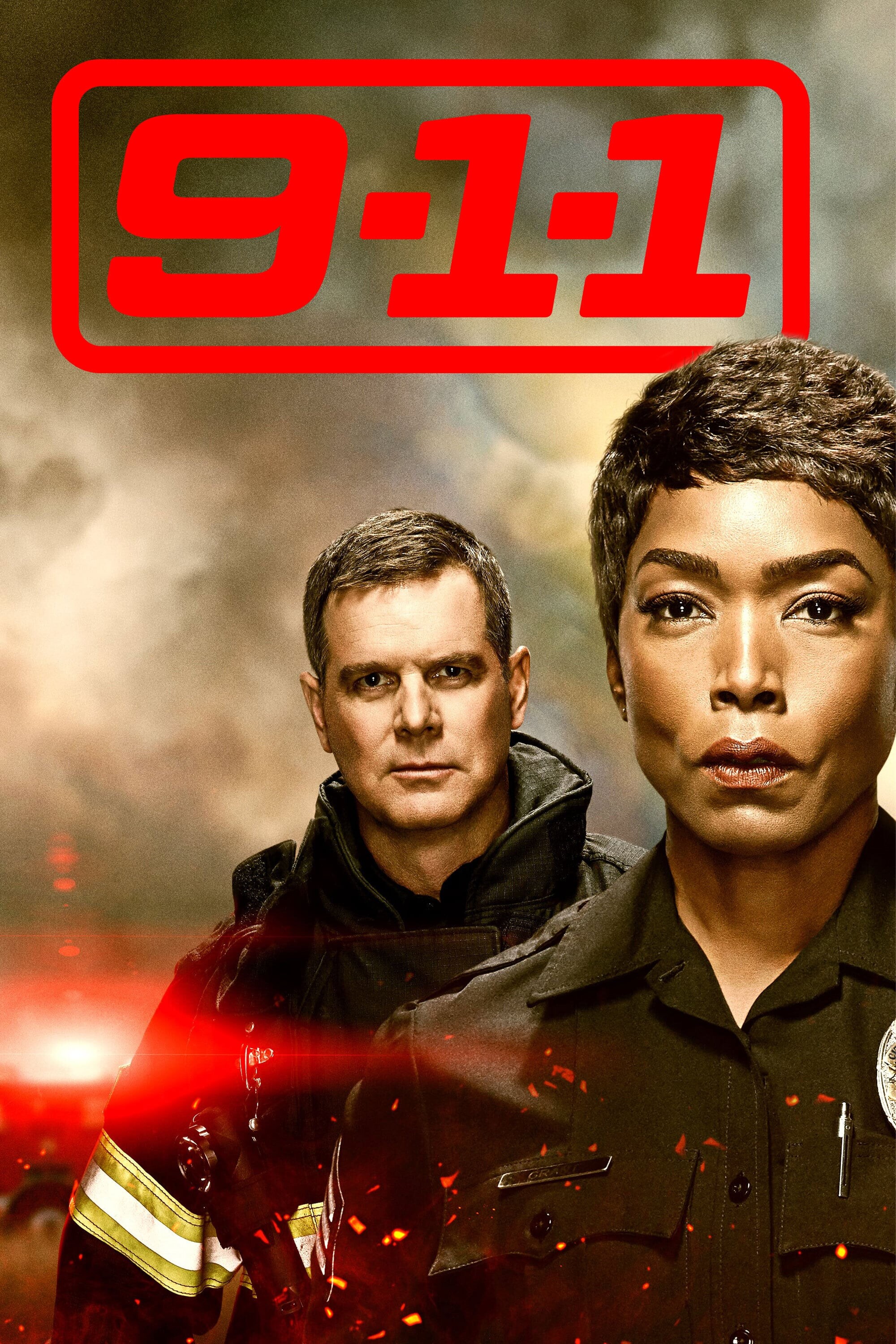
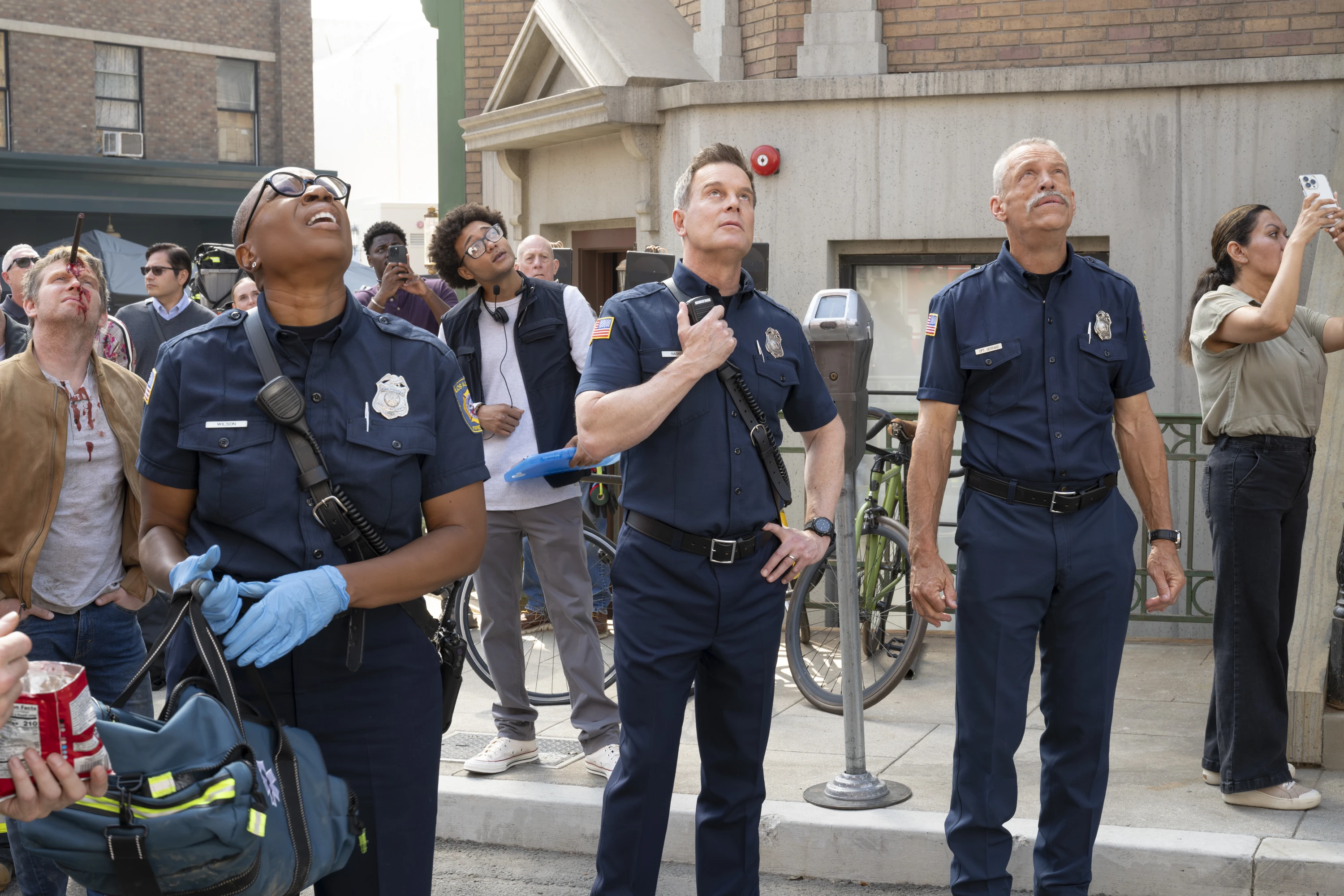
The 911 TV series is a high-octane procedural drama following the high-pressure experiences of Los Angeles first responders, including police officers, firefighters, and dispatchers. As of 2026, the series remains a cornerstone of network television, continuing its successful run on ABC after transitioning from its original home at FOX, blending cinematic "event" emergencies with complex personal narratives.
The Evolution of the 911 TV Series: From FOX to ABC
The journey of the 911 TV series is a unique case study in modern television broadcasting and production economics. Created by the powerhouse trio of Ryan Murphy, Brad Falchuk, and Tim Minear, the show premiered on FOX in 2018. It quickly distinguished itself from other procedurals like Chicago Fire or Station 19 by leaning into "viral" emergencies—scenarios often inspired by real-life internet videos or bizarre news clippings—rendered with a blockbuster budget.
In a significant industry shift that finalized around 2023-2024, the series moved to ABC for its seventh season. This move was primarily driven by the financial complexities of the "Disney-Fox" merger. Although FOX aired the show, it was produced by 20th Television, which is owned by Disney. As production costs for a veteran hit series rose, ABC (also owned by Disney) saw the value in bringing a proven ratings giant "in-house."
By 2026, the transition is viewed as a resounding success. The "ABC era" of the show has maintained the high-stakes energy of the earlier seasons while benefiting from cross-promotional synergy with other Disney-owned platforms. The show’s ability to survive a network jump while keeping its core audience intact is a testament to the loyalty of its fanbase and the strength of its character-driven writing.
Core Characters and the 118 Station Dynamics
The heart of the 911 TV series is the fictional Station 118 of the Los Angeles Fire Department (LAFD). Unlike many procedurals that focus solely on the action, 9-1-1 spends a significant amount of time on the psychological toll and domestic lives of its protagonists.
The Leadership: Bobby Nash and Athena Grant
The series is anchored by the marriage of Captain Bobby Nash (Peter Krause) and Sergeant Athena Grant (Angela Bassett). Bobby serves as the moral compass of the 118, a man who rebuilt his life after a tragic past in Minnesota. Athena, a patrol sergeant for the LAPD, provides the "boots on the ground" perspective of the police force. Their relationship offers a stable center to a show that is often chaotic, dealing with themes of blended families, aging, and the intersection of different branches of public safety.
The Frontline: Buck, Eddie, Hen, and Chimney
The firefighters of the 118 are presented as a chosen family.
- Evan "Buck" Buckley (Oliver Stark): Originally the "rookie" with a reckless streak, Buck's journey has been one of the most significant in the series. By 2026, his character has explored deep identity questions and matured into a veteran firefighter.
- Eddie Diaz (Ryan Guzman): A former Army medic, Eddie’s narrative often revolves around his role as a single father to his son, Christopher, and his struggles with PTSD and repressed emotions.
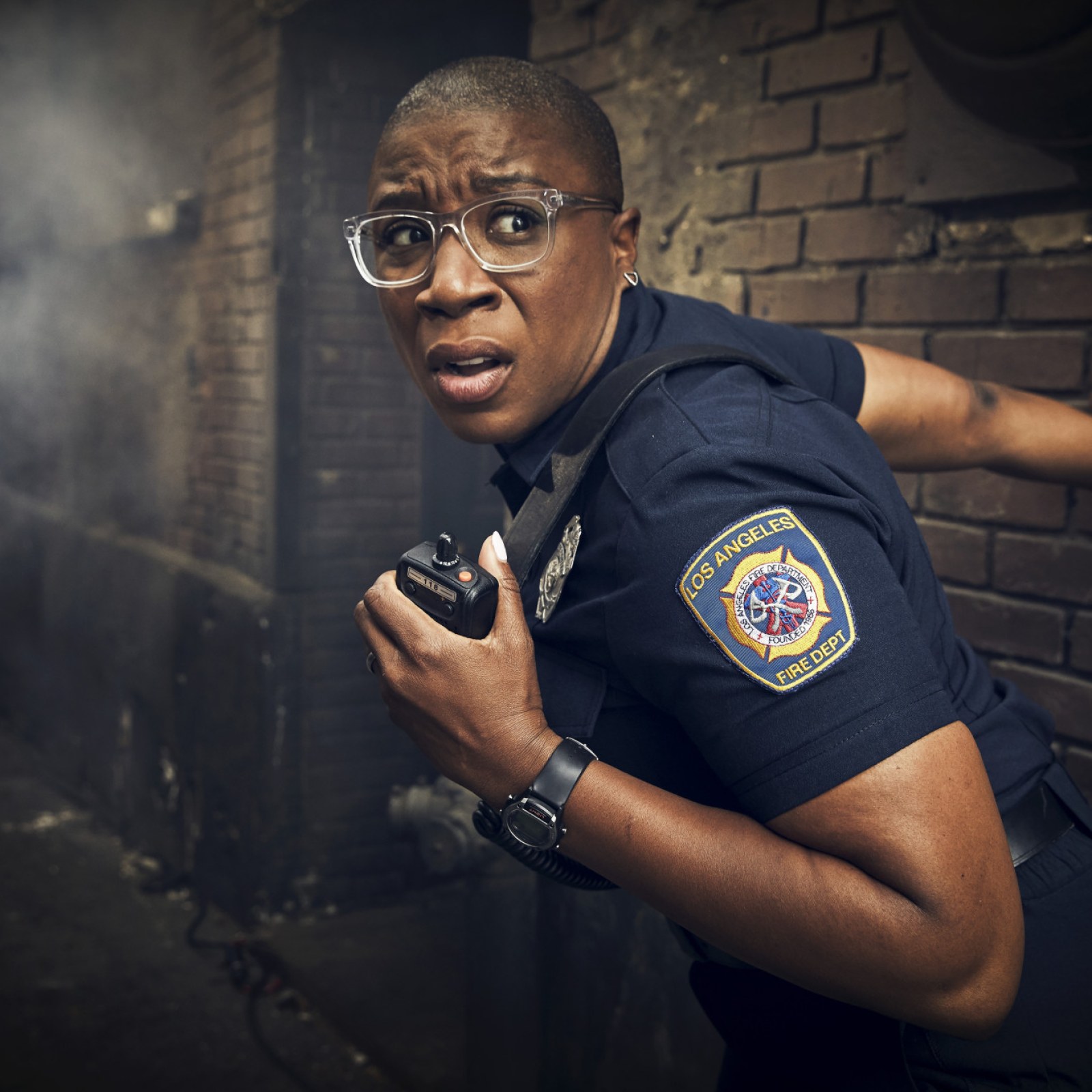
- Henrietta "Hen" Wilson (Aisha Hinds): A paramedic/firefighter who eventually pursued medical school, Hen represents the intellectual and empathetic core of the team. Her storylines often touch on the complexities of being a Black queer woman in a traditional field.
- Howard "Chimney" Han (Kenneth Choi): Known for his resilience (and surviving several near-death experiences), Chimney provides both comic relief and profound emotional depth, particularly through his relationship with Maddie.
The Voice on the Line: Maddie Buckley
Maddie Buckley (Jennifer Love Hewitt), Buck’s sister, works as a 911 dispatcher. Her role is crucial as it bridges the gap between the initial call and the arrival of the 118. Her perspective highlights the often-overlooked trauma of dispatchers who hear the worst moments of people's lives but rarely see the resolution.
Signature Elements: "What Is Your Emergency?"
The 911 TV series is famous for its "event" episodes, which typically open a season or serve as a mid-season finale. These multi-episode arcs involve large-scale disasters that affect the entire city of Los Angeles.
Notable disasters throughout the show's history have included:
- The Tsunami: A massive wave hitting the Santa Monica Pier.
- The Earthquake: A major tremor that collapsed high-rise buildings and highway overpasses.
- The Blackout: A city-wide power failure that led to widespread civil unrest and technical failures.
- The Cruise Ship Disaster: The spectacular opening of the ABC era (Season 7), which featured an ocean liner capsizing in a storm.
These episodes are characterized by high production values, utilizing practical effects alongside CGI to create a sense of scale rarely seen on network television. However, the show also balances these with "bizarre" emergencies—people stuck in unconventional places, strange medical anomalies, or humorous mishaps—that keep the pacing varied and engaging.
Viewing and Streaming Guide for 2026
As of 2026, the 911 TV series follows a standard broadcast schedule on ABC, typically airing on Thursday nights. However, the way audiences consume the show has shifted heavily toward streaming.
| Feature | Details |
|---|---|
| Current Broadcast Network | ABC |
| Streaming Platform (Current Season) | Hulu / Disney+ (Next-day streaming) |
| Legacy Seasons (1-6) | Hulu / Disney+ (Regional availability may vary) |
| Resolution Support | 4K UHD (on select streaming tiers) |
| Spin-offs | 9-1-1: Lone Star |
| Creator(s) | Ryan Murphy, Brad Falchuk, Tim Minear |
For viewers looking to catch up in 2026, the entire catalog is generally hosted on Disney-controlled platforms. Because Disney consolidated its streaming services, most domestic viewers find the show on the combined Disney+/Hulu app interface. International viewers typically access the series through the "Star" hub on Disney+.
Comparing 911 and 911: Lone Star
The success of the original series led to the creation of 9-1-1: Lone Star, set in Austin, Texas. While both shows share the same DNA—absurd emergencies and diverse casts—they have distinct personalities.
Setting and Atmosphere: The original 911 TV series is quintessentially Los Angeles. It uses the city's geography—the hills, the coast, and the dense urban traffic—as a character in itself. Lone Star leans into the unique culture of Texas, featuring different types of environmental hazards like wildfires, tornadoes, and ice storms.
Character Focus: While the 118 feels like a traditional "found family," the Austin 126 in Lone Star is often framed around the leadership of Owen Strand (Rob Lowe). The spin-off also places a heavy emphasis on modernizing the "cowboy" archetype, contrasting the L.A. version’s more urban, "melting pot" feel.
By 2026, crossovers between the two shows have become occasional "event" milestones, though they remain narratively distinct to allow new viewers to start either series without feeling lost.
The Technical Craft: How the Show is Made
One reason the 911 TV series has maintained its popularity through 2026 is its technical execution. The show utilizes a mix of Los Angeles location shooting and massive soundstages.
Cinematography: The show uses a bright, saturated color palette that differs from the gritty, desaturated look of many police procedurals. This gives it a "comic book" or "larger than life" aesthetic that matches the intensity of the scripts.
Stunt Work: The series employs an extensive stunt team. For the 118 actors, this means rigorous training to ensure they look authentic while handling fire hoses, rappelling down buildings, or performing "extractions" from crushed vehicles. This commitment to physical realism helps ground the sometimes-outlandish emergency scenarios.
Social Commentary: Underneath the explosions, the show frequently tackles contemporary issues. Over the years, it has addressed the COVID-19 pandemic, racial tensions in policing, healthcare accessibility, and LGBTQ+ rights. In 2026, the show continues this trend by integrating modern technological anxieties, such as AI-driven emergencies or the impact of social media on public safety.
Frequently Asked Questions
Is the 911 TV series based on real stories?
While the characters are fictional, many of the emergencies are inspired by real-world events. The writers often look for "weird news" or viral videos of unique rescues and then adapt them to fit the Los Angeles setting. The procedures used by the firefighters and paramedics are generally based on actual LAFD protocols, though they are often "Hollywood-ized" for dramatic pacing.
Why did 9-1-1 move from FOX to ABC?
The move was primarily a financial decision. In 2024, the licensing fees FOX had to pay to Disney (which owns the production studio) became too high for FOX's business model. Since Disney also owns ABC, it made more sense to move the hit show to their own network, where they could keep all the advertising revenue and benefit from full vertical integration.
Where can I watch all seasons of 9-1-1 in 2026?
The most reliable place to stream the series is on Hulu or Disney+. In 2026, these platforms host all previous seasons from the FOX era as well as the current seasons airing on ABC. New episodes typically become available the morning after they air on television.
Who is the highest-paid actor on the 911 TV series?
Angela Bassett, who plays Athena Grant and also serves as an executive producer, is reported to be one of the highest-paid actresses on network television. Her presence was a major factor in the show's initial success and remains a primary draw for the series as it enters its later seasons.
Has 9-1-1 been canceled?
As of 2026, the 911 TV series has not been canceled. It remains one of ABC's top-performing dramas in terms of both live ratings and streaming numbers. Its broad appeal and "procedural" nature make it a candidate for a very long run, similar to franchises like Law & Order or Grey's Anatomy.
How to Get Started with the 911 Franchise
If you are new to the 911 TV series in 2026, the best approach is to start from Season 1, Episode 1. While the show is a procedural and many episodes contain self-contained stories, the character arcs—especially the growth of Buck and the evolution of Bobby and Athena’s relationship—are cumulative.
For those who prefer to jump straight into the high-budget spectacle, the Season 3 tsunami arc or the Season 7 cruise ship premiere serve as excellent entry points that showcase the series at its technical peak. Regardless of where you start, the show’s blend of heart, humor, and harrowing rescues provides a consistent viewing experience that has defined the last decade of emergency room and first responder television.