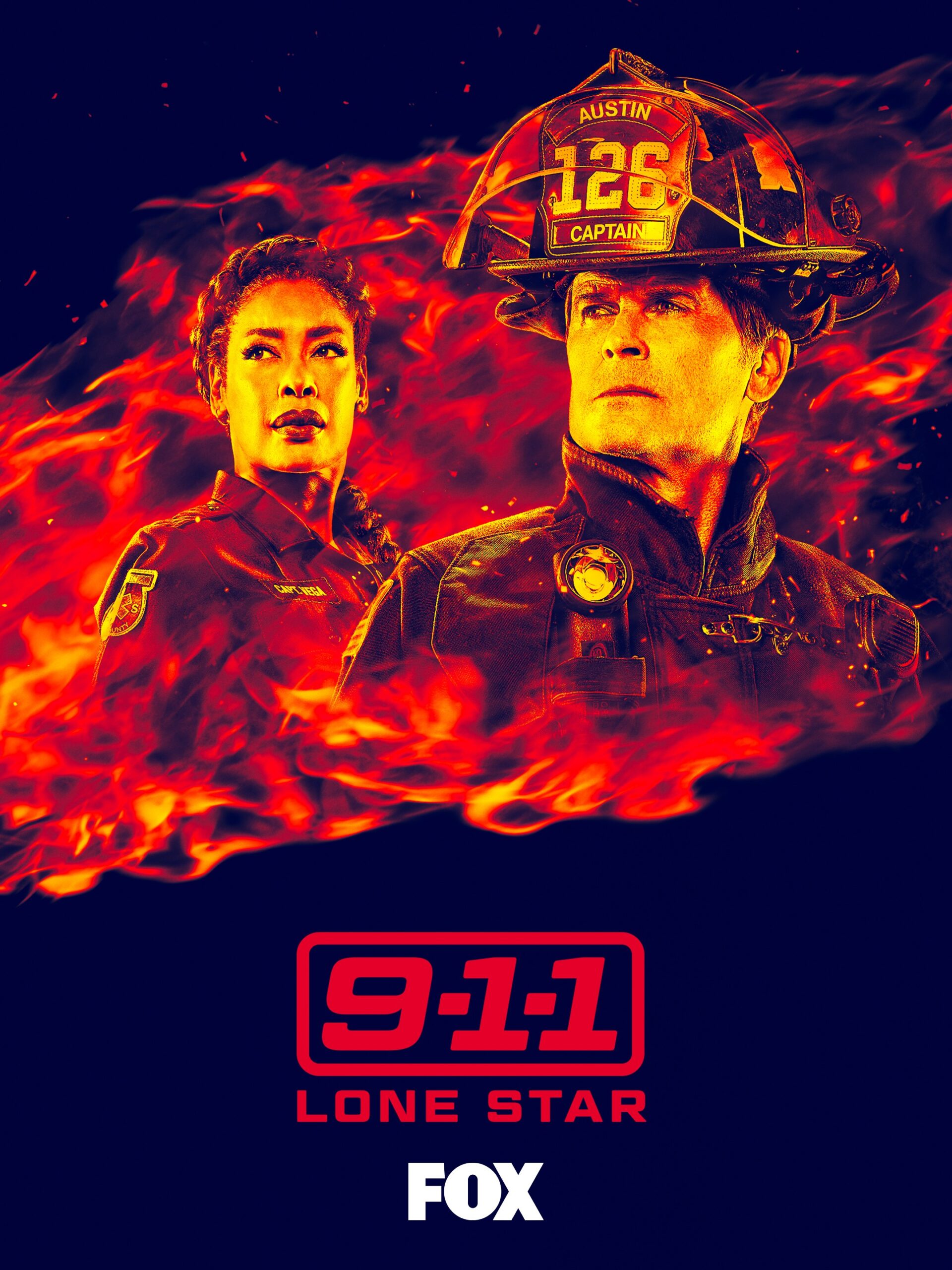
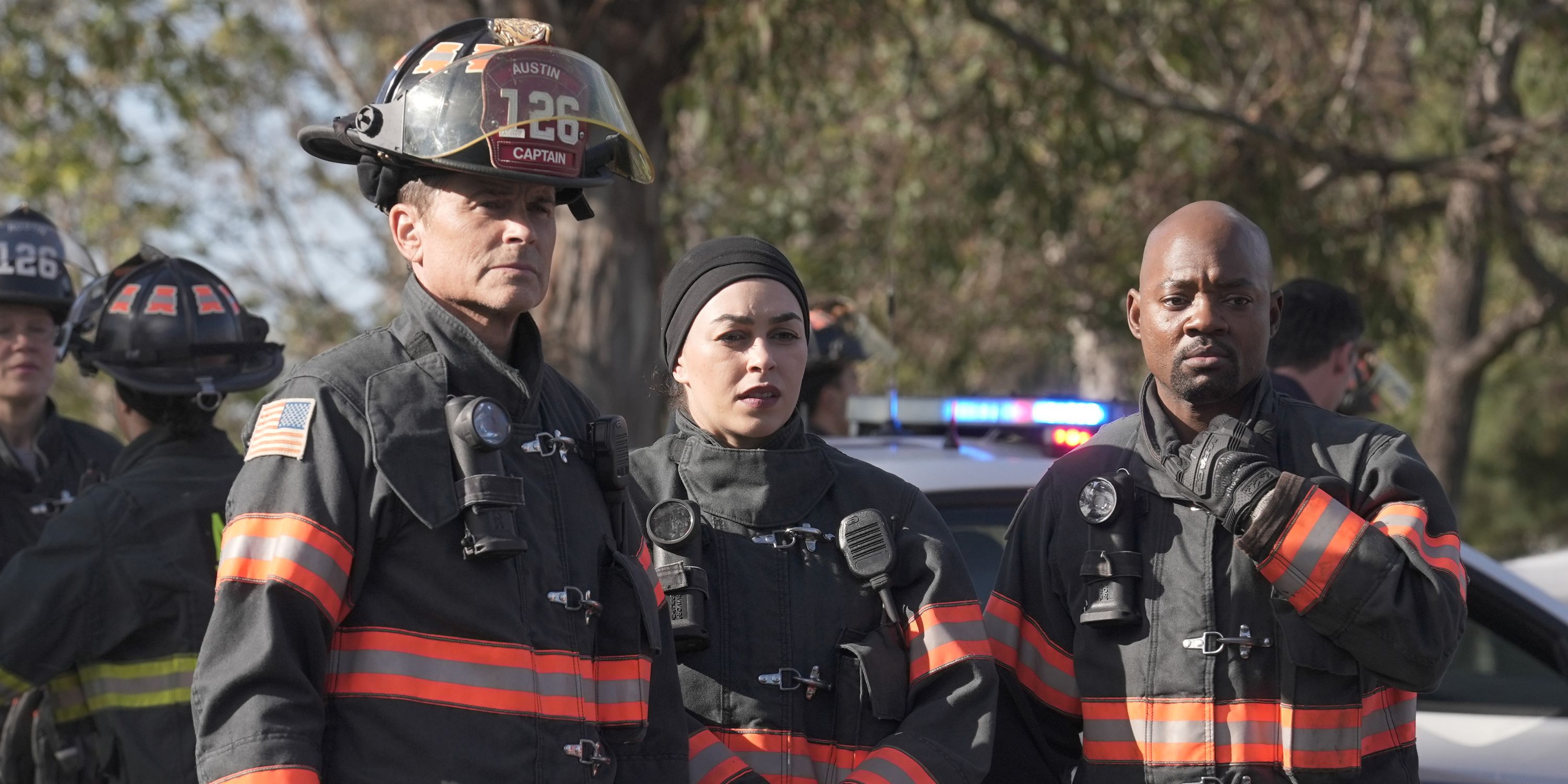
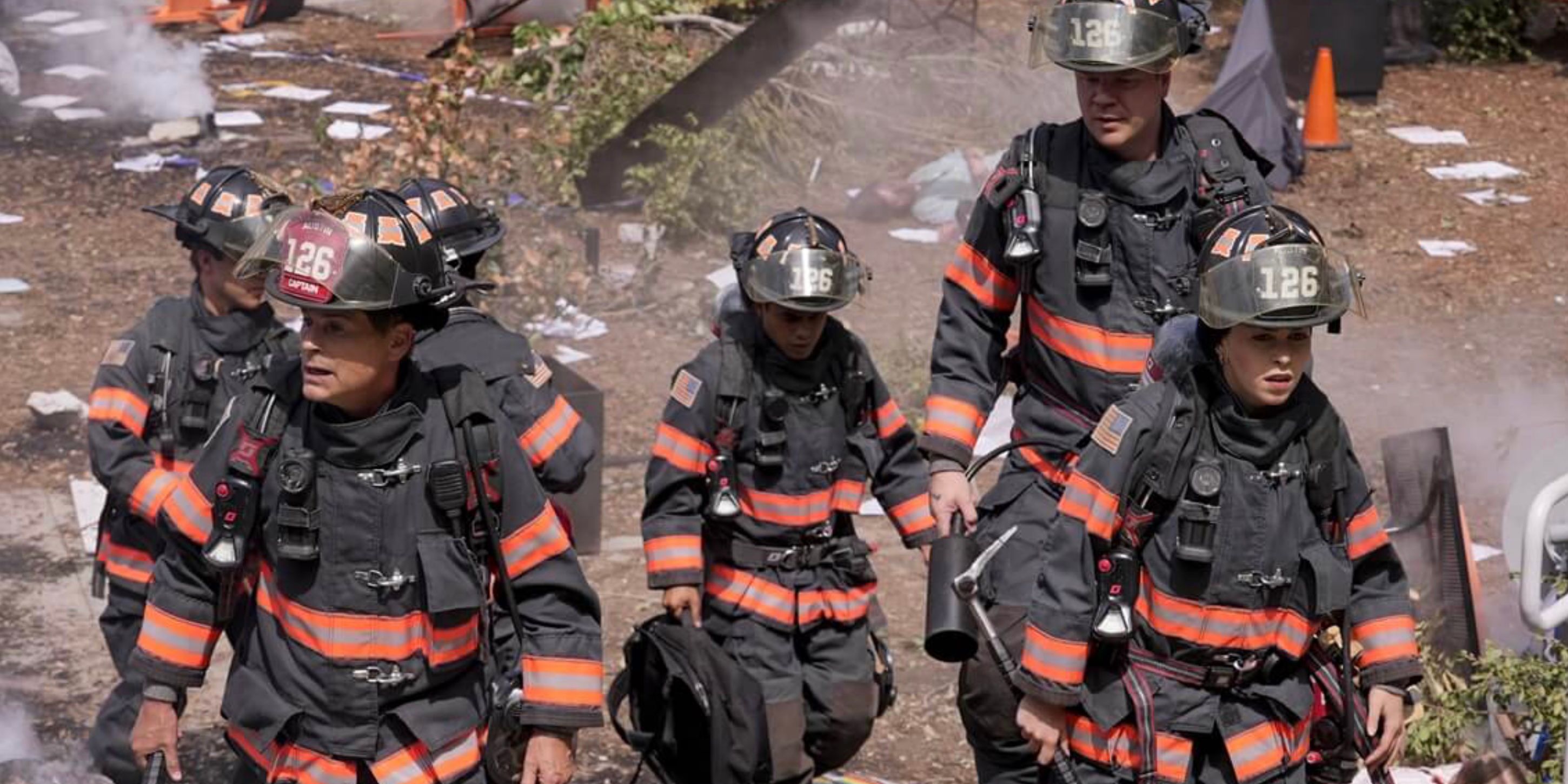
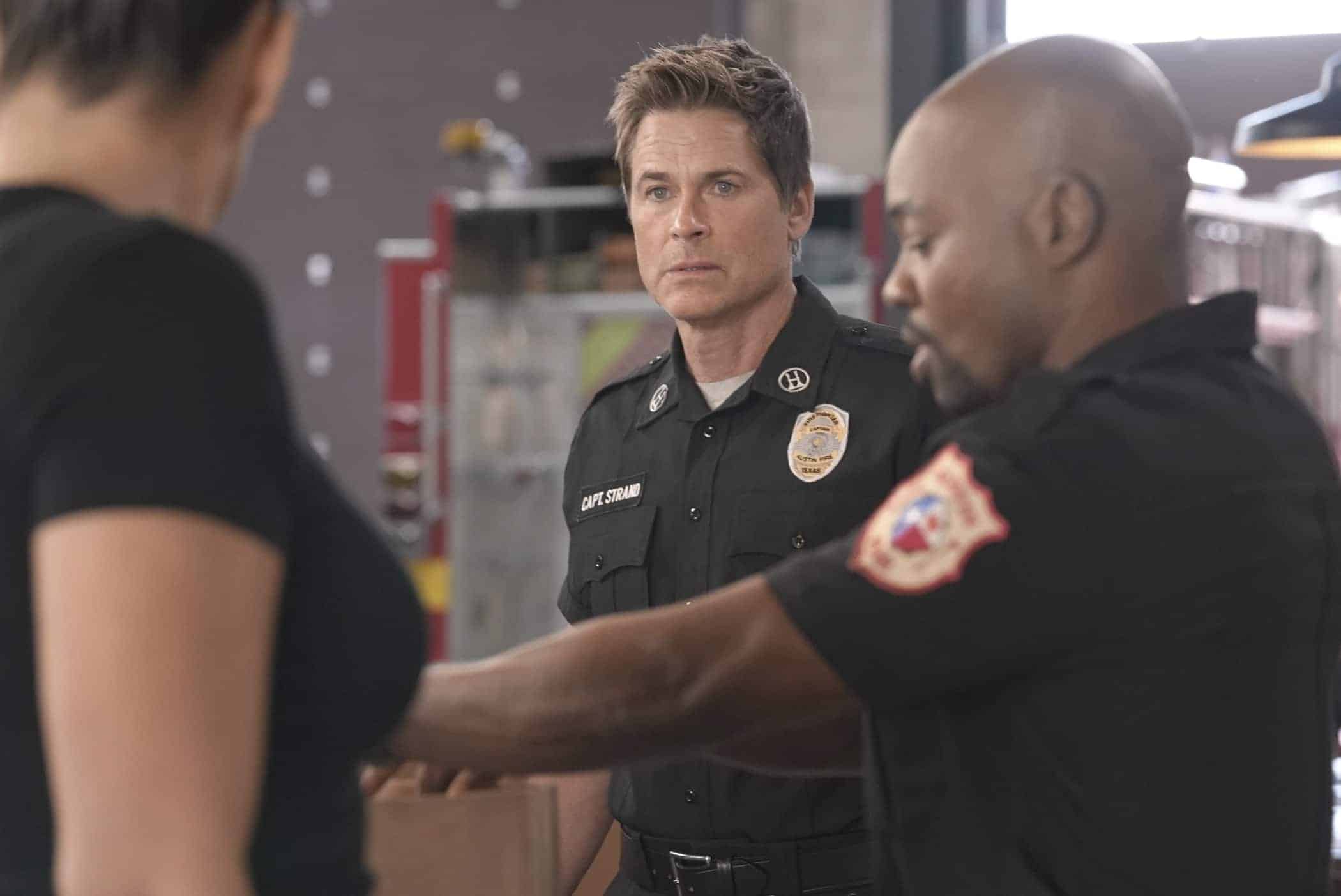
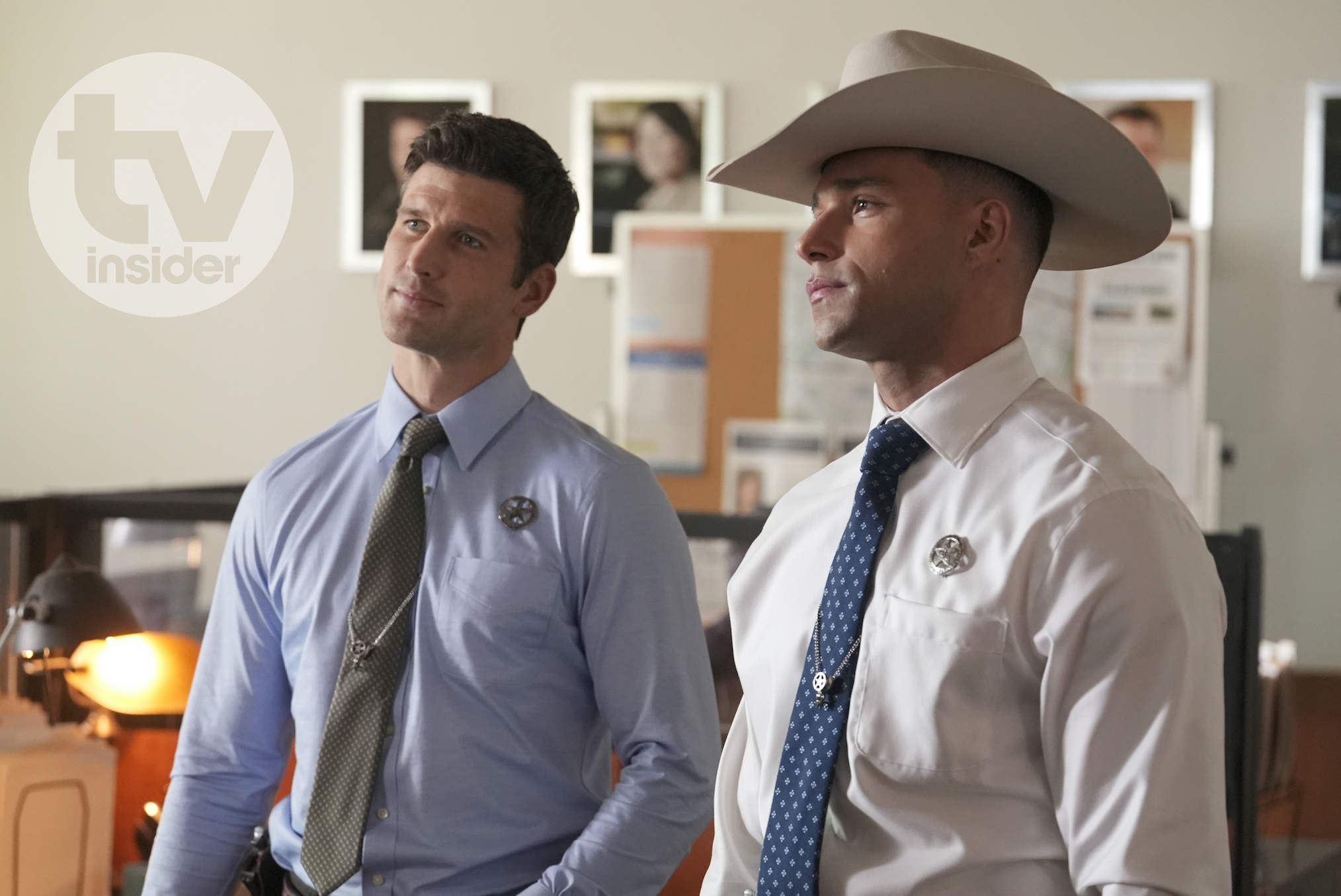
9-1-1: Lone Star is a procedural drama series that follows the first responders of Station 126 in Austin, Texas. Originally a spin-off of the procedural hit 9-1-1, the series concluded its five-season run on the Fox network in early 2025. In 2026, the complete library is available for streaming on platforms such as Hulu and Disney+, remaining a staple of the emergency-procedural genre.
The Premise and Cultural Impact of the Austin Setting
While the original 9-1-1 established the high-octane formula of catastrophic emergencies in Los Angeles, 9-1-1: Lone Star carved out its own identity by leaning into the unique cultural and environmental landscape of Austin, Texas. The series began with Captain Owen Strand (Rob Lowe), a firefighter from New York City who survived the September 11 attacks, being recruited to rebuild an Austin firehouse following a local tragedy.
The "Lone Star" iteration differentiated itself through its specific focus on a diverse "dream team" of responders. The show addressed themes of identity, regional pride, and the specific challenges of the Texas climate—ranging from devastating ice storms to massive wildfires and dust storms. By 2026, the show is remembered not just for its action sequences, but for its commitment to representing a modern, progressive vision of the South through characters of varied religious, ethnic, and gender backgrounds.
The 126 was designed as a "phoenix" station, rising from the ashes of a previous crew that was almost entirely killed in a chemical plant explosion. This backstory provided a persistent subtext of trauma and resilience that informed the characters' decisions throughout the series' five-year duration.
Comprehensive Cast and Character Evolution
The longevity of 9-1-1: Lone Star was largely driven by its ensemble cast. Unlike many procedurals that focus strictly on the "case of the week," this series dedicated significant screen time to the evolving personal lives of its protagonists.
Owen Strand (Rob Lowe)
As the central figure, Owen Strand’s journey was one of survival and reinvention. Over five seasons, his character navigated lung cancer (a result of his time at Ground Zero), several complex romantic entanglements, and a complicated relationship with his son, T.K. Owen’s penchant for skin-care routines and high-end motorcycles served as a comedic counterpoint to the life-and-death stakes of his profession.
The Evolution of "Tarlos"
One of the most significant contributions of the series to modern television was the relationship between T.K. Strand (Ronen Rubinstein) and Carlos Reyes (Rafael L. Silva), affectionately dubbed "Tarlos" by the fan base. Their relationship progressed from a tentative courtship to a high-stakes engagement and eventual marriage. The series handled their dynamic with the same weight as any heterosexual pairing, making them central to the show's emotional core and a landmark for LGBTQ+ representation in the procedural genre.
Tommy Vega (Gina Torres)
Joining the cast in Season 2 as the Paramedic Captain, Tommy Vega brought a different energy to the 126. A mother returning to the workforce, her character arc dealt with the sudden death of her husband and the challenges of leading an EMS team while managing personal grief. Gina Torres’s performance was frequently cited by critics as the "emotional anchor" of the later seasons.
Supporting Members of the 126
- Judd and Grace Ryder (Jim Parrack and Sierra McClain): Representing the "native" Austin perspective, their marriage was portrayed as a bedrock of faith and stability, despite surviving significant accidents and family turmoil.
- Paul Strickland (Brian Michael Smith): As one of the first recurring trans male characters played by a trans man in a procedural, Paul’s character was defined by his expertise in heavy rescue and his deep loyalty to the crew.
- Mateo Chavez (Julian Works): The "probie" who struggled with dyslexia but eventually became a vital member of the firefighting team.
- Nancy Gillian (Brianna Baker): A dry-witted paramedic who became a fan favorite for her competence and eventual romantic arc with Mateo.
Production History and the Path to the Series Finale
The production of 9-1-1: Lone Star was marked by both massive commercial success and significant industry shifts. Produced by 20th Television, the show faced a unique hurdle when its parent company (20th Century Fox) was acquired by Disney, while the show continued to air on the Fox network.
In 2023, the series faced a major production delay due to the dual Hollywood strikes (WGA and SAG-AFTRA), which pushed the fifth season into late 2024. During this hiatus, the original 9-1-1 migrated from Fox to ABC. While Lone Star remained on Fox for its final season, the rising licensing costs and the shift in network priorities eventually led to the announcement that Season 5 would be its last.
The final season, which concluded in 2025, focused on legacy and transition. It provided closure for the Strand family, solidified the leadership of the 126, and ensured that the "Tarlos" storyline reached a satisfying long-term resolution. Despite its conclusion, the show’s high production values—often exceeding those of standard network dramas—have allowed it to maintain a high "rewatch" value in the 2026 streaming market.
Comparison: 9-1-1 vs. 9-1-1: Lone Star
For viewers looking to understand the distinction between the two pillars of the franchise, the following table breaks down the key operational and thematic differences:
| Feature | 9-1-1 (Original) | 9-1-1: Lone Star |
|---|---|---|
| Primary Location | Los Angeles, California | Austin, Texas |
| Main Protagonist | Bobby Nash (Peter Krause) | Owen Strand (Rob Lowe) |
| Network History | Fox (S1-S6), ABC (S7+) | Fox (S1-S5) |
| Dispatch Center Focus | High (Maddie Buckley) | Moderate (Grace Ryder) |
| Primary Theme | Family of choice & redemption | Resilience & modernizing tradition |
| Total Seasons | 9+ (Ongoing in 2026) | 5 (Complete) |
| Streaming Home | Hulu / Disney+ | Hulu / Disney+ |
Where to Watch and Subscription Requirements in 2026
As of 2026, 9-1-1: Lone Star is no longer airing new episodes on broadcast television, but the entire 60-episode-plus catalog is preserved digitally.
- Hulu/Disney+ (United States): Following the integration of Disney+ and Hulu, the series is available under the "Hulu on Disney+" brand for bundle subscribers. It is available in 4K Ultra HD, which highlights the series' expensive special effects and cinematography.
- International (Star/Disney+): In most global markets (UK, Canada, Australia), the series is hosted on the "Star" tile within Disney+.
- Digital Purchase: For those who prefer ownership, individual seasons can be purchased via platforms like Amazon Prime Video or Apple TV.
- Syndication: In 2026, reruns are frequently found on cable networks such as USA Network or Ion Television, often airing in multi-episode marathons.
Prerequisites for streaming include a high-speed internet connection (at least 25 Mbps for 4K playback) and a compatible device. Because the series contains intense depictions of accidents and medical emergencies, it generally carries a TV-14 rating.
Troubleshooting Common Viewing Issues
If you are attempting to access 9-1-1: Lone Star in 2026 and encounter issues, consider the following technical steps:
- Regional Restrictions: If you are traveling, the show may be unavailable due to licensing. Ensure your "Home Location" is verified in your streaming app settings.
- Crossover Confusion: There is only one official crossover episode between the two shows (Season 2, Episode 3, "Hold the Line"). If you are looking for the continuation of that story, you must switch to the original 9-1-1 library.
- Audio/Visual Desync: Procedurals with fast-paced editing sometimes suffer from audio lag on older smart TVs. Clearing the cache of the streaming app or updating the device firmware typically resolves this.
Frequently Asked Questions
Is 9-1-1: Lone Star coming back for Season 6?
No, the series officially concluded with Season 5. While there have been rumors of "limited event" reunions or a reboot in the 2026-2027 season, no official production has been greenlit by 20th Television. The cast has moved on to other projects, making a full-season return unlikely in the near term.
Why did Sierra McClain (Grace Ryder) leave the show?
Reports following the conclusion of the series indicated that contract negotiations for the final season were unsuccessful. As a result, Grace Ryder’s absence was a significant plot point in Season 5, with the show explaining her departure through a mission-based narrative that kept the character off-screen while maintaining her presence in the world of the 126.
Are the emergencies in the show based on real events?
Yes, many of the "calls" handled by the 126 are inspired by viral videos, news reports, or historical Texas weather events. For instance, the multi-episode "Ice Storm" arc was a direct reflection of the 2021 Texas power grid failure and winter storm. However, the show dramatizes these events for television, often combining multiple real-life incidents into a single episode.
Is Owen Strand based on a real person?
Owen Strand is a fictional character, but his background as a 9/11 first responder is based on the real-life experiences of FDNY members. The show consulted with real firefighters to ensure the portrayal of post-9/11 health issues and the culture of firehouses remained as authentic as possible within the confines of a drama.
Can I watch Lone Star without watching the original 9-1-1?
Yes. Aside from a few minor character cameos and one major crossover event in Season 2, Lone Star is a standalone series. You do not need any prior knowledge of the Los Angeles-based show to understand the characters or plot lines in Austin.
Recommendation for New Viewers
For those discovering the series in 2026, the best way to experience the show is chronologically. The first season acts as a tight, 10-episode introduction that establishes the "found family" dynamic. From there, the show expands in scope and budget. If you are a fan of character-driven procedurals like Chicago Fire or Station 19, 9-1-1: Lone Star offers a slightly more stylized, "larger than life" alternative that prioritizes emotional payoffs and high-concept disasters. Once finished, viewers often find the original 9-1-1 to be the most natural next step for continued viewing.