The concept of a Porsche 911 crossover refers primarily to the 911 Dakar, a production model designed to bridge the gap between a traditional rear-engine sports car and an off-road vehicle. Combining increased ground clearance, all-terrain tires, and specialized suspension with 911 performance, it represents Porsche’s official entry into the high-performance "Safari" market.
Defining the 911 Crossover Concept
For decades, the Porsche 911 was defined by its proximity to the tarmac. Whether on the Nürburgring or the Autobahn, the 911’s identity was rooted in low-slung aerodynamics and precision handling. However, the "911 crossover"—embodied most significantly by the 2023–2024 limited-run 911 Dakar—challenged this paradigm. By definition, a 911 crossover is a vehicle that retains the iconic 911 silhouette and rear-engine layout while adopting the suspension travel, underbody protection, and ruggedized drivetrain typical of a crossover or SUV.
This evolution was not an overnight marketing pivot. It was the culmination of a burgeoning "Safari" culture among enthusiasts who began modifying vintage 911s with lift kits and chunky tires for desert racing and trail driving. Porsche’s decision to formalize this into a factory-warranted product marked a significant shift in the automotive landscape, creating a niche category known as the "Off-road Supercar." In 2026, these vehicles remain highly sought after by collectors and enthusiasts who value versatility over raw lap times.
Engineering the Porsche 911 Dakar
To transform a 911 into a functional crossover, Porsche engineers had to go beyond a simple lift kit. The 911 Dakar, based on the Carrera 4 GTS (992 generation), features a comprehensive suite of mechanical upgrades designed to handle gravel, sand, and rough terrain without sacrificing its ability to perform on paved roads.
Suspension and Ground Clearance
The most striking feature of the 911 crossover is its height. The Dakar sits 50 millimeters higher than a standard 911 Carrera with sports suspension. Furthermore, a standard lift system can raise the car an additional 30 millimeters at both the front and rear. This "High Level" setting is not just for clearing obstacles; it is functional at speeds up to 105 mph (170 km/h), allowing for high-speed desert running.
Drivetrain and Specialized Modes
The 911 Dakar utilizes the 3.0-liter biturbo flat-six engine, producing 473 horsepower and 420 lb-ft of torque. Power is delivered through an eight-speed PDK (dual-clutch transmission) to all four wheels. To manage the unique demands of off-roading, Porsche introduced two new driving modes:
- Rallye Mode: Designed for loose, uneven surfaces, this mode biases power heavily to the rear axle, allowing for controlled drifts on gravel or dirt.
- Offroad Mode: Automatically engages the "High Level" ride height and optimizes the all-wheel-drive system for maximum traction in sand or deep ruts.
Tire Technology
A crossover is only as capable as its contact patch. Porsche partnered with Pirelli to develop a bespoke version of the Scorpion All Terrain Plus tires specifically for the 911 Dakar. These tires feature a reinforced carcass with two carcass plies and a tread depth of 9 millimeters. While they provide the necessary grip for off-road excursions, they are also speed-rated for the road, though they do limit the car’s top speed to 149 mph (240 km/h).
The Historical Roots: From East Africa to Paris-Dakar
The 911 crossover isn't a modern invention but a revival of Porsche’s competitive heritage. In the 1970s and 80s, Porsche proved that the 911’s rear-heavy weight distribution was an advantage in low-traction environments, providing exceptional grip during acceleration on mud and sand.
The 1978 East African Safari Rally
Porsche entered two 911 SC models into the grueling East African Safari Rally. Despite the harsh conditions, both cars finished, proving the durability of the flat-six engine and the 911 chassis. These cars featured massive ground clearance, heavy-duty dampers, and external brush guards—visual cues that the modern 911 Dakar pays homage to via the optional "Rallye Design Package."
The 1984 Paris-Dakar Victory
The most significant milestone for the 911 crossover concept was the 1984 victory of the Porsche 953 (a heavily modified 911 with all-wheel drive) in the Paris-Dakar Rally. This victory directly led to the development of the legendary Porsche 959. The 911 Dakar’s nomenclature is a direct tribute to this era, cementing the idea that a sports car can conquer a desert.
Technical Comparison: 911 Dakar vs. 911 Carrera 4S
| Specification | 911 Dakar (Crossover) | 911 Carrera 4S (Standard) |
|---|---|---|
| Ground Clearance | 161 mm - 191 mm | 111 mm |
| Engine | 3.0L Twin-Turbo Flat-Six | 3.0L Twin-Turbo Flat-Six |
| Horsepower | 473 hp | 443 hp |
| 0-60 mph | 3.2 Seconds | 3.2 Seconds (w/ Sport Chrono) |
| Top Speed | 149 mph (Tire Limited) | 190 mph |
| Suspension Type | Re-tuned PASM with Lift | Standard PASM |
| Tires | Pirelli Scorpion All Terrain Plus | High-Performance Summer Tires |
| Underbody Protection | Stainless Steel Plates | Plastic/Aerodynamic Shielding |
The "Safari" Movement and Modern Market Trends
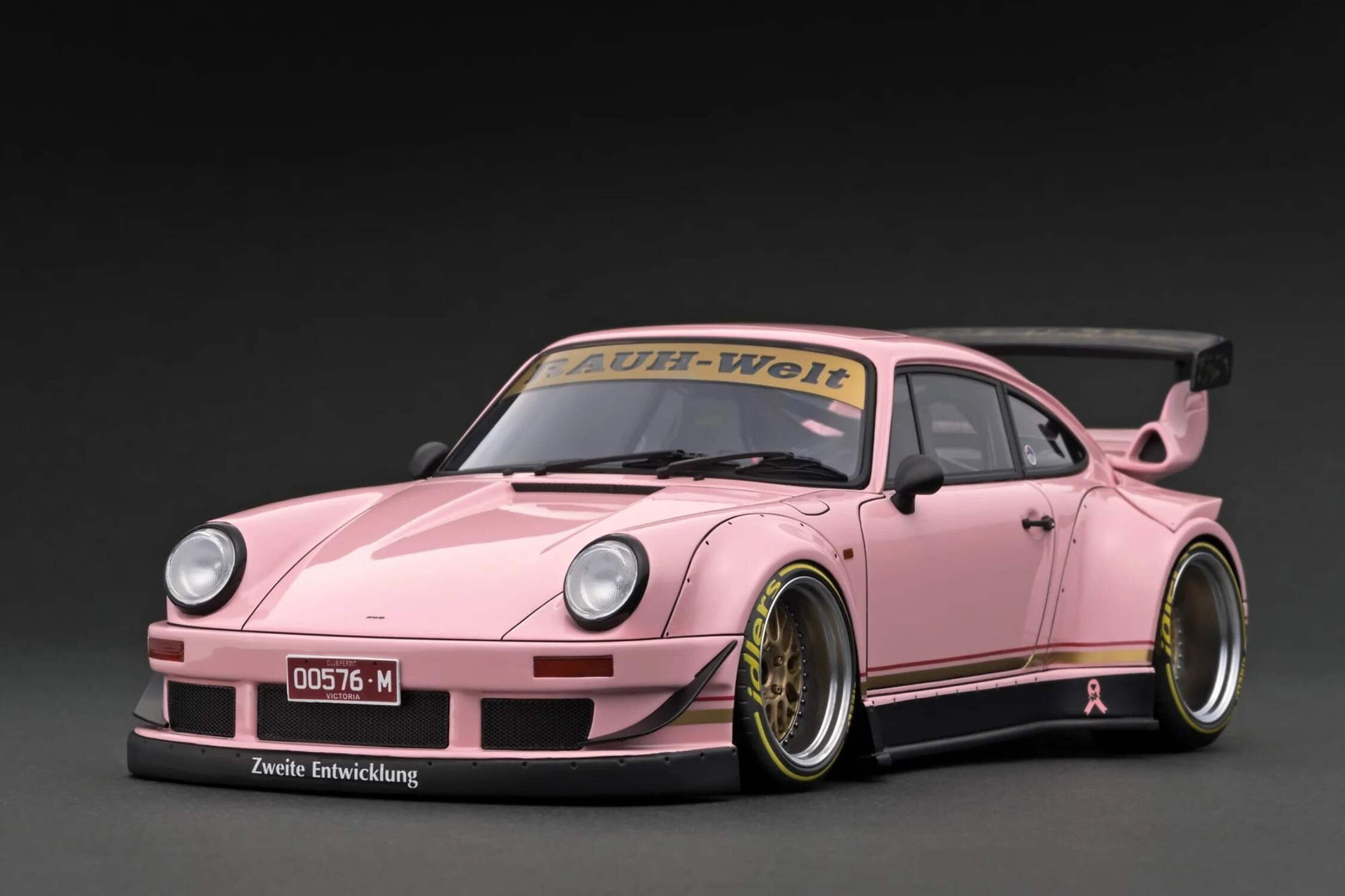
As of 2026, the 911 crossover market has expanded beyond Porsche’s factory offerings. The "Safari" movement has become a significant sub-genre in automotive restoration. Independent firms like Singer Vehicle Design (with the ACS) and Russell Built Fabrication have pushed the boundaries of what a 911 crossover can be, often exceeding factory specs with long-travel suspension systems and extreme weight reduction.
This trend reflects a broader shift in consumer behavior. Modern buyers are increasingly looking for "adventure-proof" luxury. The popularity of the 911 crossover mirrors the rise of vehicles like the Lamborghini Huracán Sterrato. These cars offer a "best-of-both-worlds" scenario: the prestige and power of a supercar with the utility to handle urban potholes, steep driveways, and weekend trail excursions.
Practical Considerations for Owners
Owning a 911 crossover involves different maintenance and operational considerations than a standard sports car. While the Dakar is designed for rugged use, it is still a precision-engineered German machine.
- Tire Maintenance: The Pirelli Scorpion AT tires wear differently than standard P-Zeros. Owners who drive primarily on the road should monitor tread noise and heat buildup, as the soft compound is optimized for grip rather than longevity on hot asphalt.
- Cooling Systems: Off-roading often involves lower speeds with high engine loads. Owners should ensure that the radiators—which are protected by stainless steel grilles on the Dakar—are kept clear of mud and debris to prevent overheating.
- Resale Value: Because the 911 Dakar was a limited production run (approximately 2,500 units), it has maintained a high residual value. In the 2026 secondary market, these vehicles often trade well above their original MSRP, particularly those with the Rallye Design Package.
Frequently Asked Questions
Can the 911 Dakar be used as a daily driver?
Yes, the 911 Dakar is remarkably compliant. The increased suspension travel and taller tire sidewalls actually make it more comfortable over rough city streets than a standard 911 GT3 or Carrera. The only drawback is increased road noise from the all-terrain tires and the lack of a rear seat (omitted to save weight).
Is there a permanent "Crossover" model in the 911 lineup?
As of 2026, Porsche has not added a permanent "911 Crossover" to the standard production lineup. The 911 Dakar was a limited series. However, the success of the model has led to rumors of a "911 Safari" trim being integrated into future generations, similar to how the Targa or GTS became staples.
How does the 911 crossover handle on a racetrack?
While it remains a 911 at its core, the Dakar will exhibit more body roll and lower lateral grip than a Carrera 4S due to its higher center of gravity and all-terrain tires. It is tuned for "playfulness" rather than absolute lap times, favoring oversteer and driver engagement over ultimate precision.
What is the K1 project and is it related to the 911?
The Porsche "K1" refers to a new flagship three-row electric SUV slated for release around 2027. While it is not a 911, it is expected to borrow design cues from the 911 crossover aesthetic, aiming to be the most "sporting" SUV Porsche has ever produced, bridging the gap between the Cayenne and the 911.
Can I turn my standard 911 into a crossover?
Yes, the aftermarket for 911 "Safari" conversions is robust. Companies offer lift kits, skid plates, and roof racks for the 996, 997, and 991 generations. However, a DIY crossover will lack the integrated software modes (like Rallye Mode) and factory-tuned PASM (Porsche Active Suspension Management) found in the Dakar.
Final Recommendation for 2026 Enthusiasts
If you are looking for a vehicle that defies conventional categorization, the Porsche 911 Dakar or a professionally built Safari-style 911 is the pinnacle of the "911 crossover" concept. For collectors, the 911 Dakar remains a high-priority acquisition due to its limited production and historical significance. For those who intend to drive their cars, these vehicles offer a unique freedom: the ability to enjoy the driving dynamics of a Porsche 911 without being restricted by the quality of the pavement. For those unable to secure a Dakar, exploring reputable aftermarket "Safari" builds remains a viable and highly customizable alternative to achieving the crossover experience.