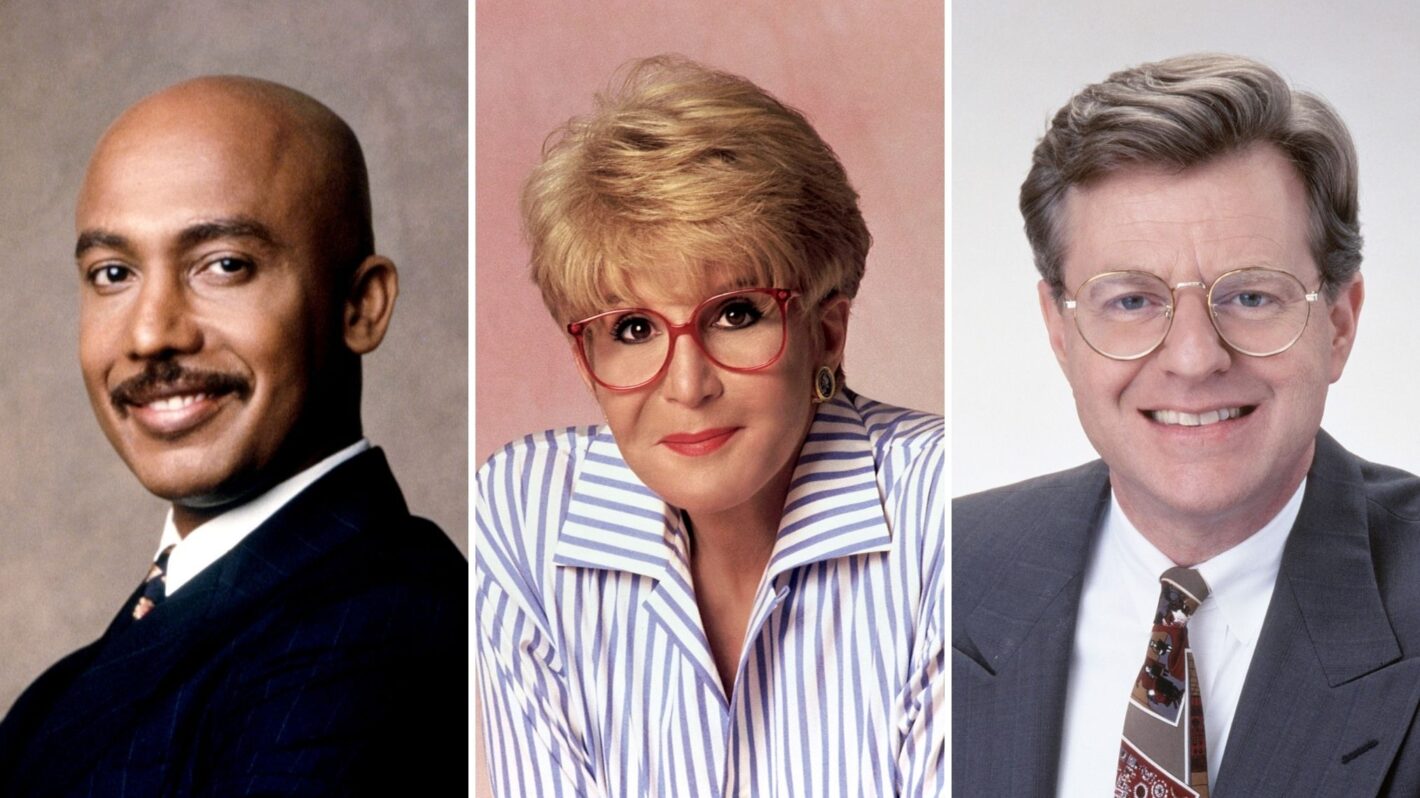
The 1990s represented the golden era of daytime television because talk shows became the primary vehicle for global cultural discourse, blending high-stakes tabloid spectacle with profound social exploration. Led by icons like Oprah Winfrey and Jerry Springer, these programs dominated ratings by providing a platform for voices and issues previously ignored by mainstream media.
The Shift from Serious Discourse to Tabloid Spectacle
To understand why the 1990s are considered the "golden era," one must look at the evolution of the format. In the late 1980s, the landscape was dominated by Phil Donahue, who pioneered the audience-participation model. Donahue’s show was largely intellectual, focusing on policy, social justice, and civil rights. However, as the 1990s dawned, a new breed of host emerged, shifting the focus from the macro-political to the micro-personal.
This transition was fueled by a deregulated media environment and an increasing hunger for "real" stories. Hosts like Sally Jessy Raphael and Geraldo Rivera began pushing the boundaries of what was acceptable for morning viewing. The era became defined by the "tabloid talk show," a subgenre that prioritized emotional confrontation, shocking revelations, and interpersonal conflict. This wasn't merely "trash TV," as critics often labeled it; it was a mirror reflecting the anxieties, fractures, and changing morals of a pre-digital society.
By 1995, there were more than 20 different first-run talk shows competing for eyeballs every morning and afternoon. This saturation forced producers to innovate—or agitate—to maintain ratings. The result was a decade of television that felt unpredictable, dangerous, and occasionally transformative.
The Dual Pillars: The Oprah Effect and the Springer Spectacle
The 1990s talk show landscape was essentially a tale of two extremes, personified by Oprah Winfrey and Jerry Springer. These two hosts represented the polar ends of the daytime spectrum, yet both were essential to the era's dominance.
Oprah Winfrey: The Architect of "Change Your Life TV"
Oprah Winfrey began the decade following the tabloid trend but famously pivoted in 1994. After an episode featuring a woman whose husband had cheated on her, Oprah decided she would no longer contribute to the "ugliness" of the world. This birthed the "Change Your Life TV" movement. She integrated literature through Oprah’s Book Club, tackled spirituality, and interviewed global figures like Michael Jackson in 1993—an event that remains one of the most-watched interviews in history. Her influence was so vast that it was dubbed "The Oprah Effect," capable of making a book a bestseller or a product a household name overnight.
Jerry Springer: The Ringmaster of Chaos
At the opposite end was The Jerry Springer Show. Originally a serious political talk show, it transitioned into a circus of flying chairs, bleeped profanities, and "Final Thoughts." Springer didn't claim to be changing lives; he claimed to be providing a platform for the marginalized to vent their frustrations, however explosively. By 1998, Springer actually surpassed Oprah in the Nielsen ratings, signaling a massive cultural shift toward voyeuristic entertainment. His show became a lightning rod for debates about classism and the "dumbing down" of America, yet it remained a commercial juggernaut throughout the decade.
The Youth Revolution: Ricki Lake and the Gen X Pivot
Before 1993, daytime talk shows were primarily aimed at homemakers in their 40s and 50s. Ricki Lake changed that dynamic entirely. When The Ricki Lake Show premiered, it targeted a younger, urban Gen X audience. Lake was relatable, younger than her peers, and spoke to issues like rave culture, body image, and modern relationships with a non-judgmental tone.
Lake’s success spawned a wave of "youth-oriented" clones. Shows hosted by Jenny Jones, Rosie O'Donnell, and Carnie Wilson attempted to capture this demographic. This shift was significant because it brought "youth culture" into the living rooms of mainstream America. It forced a dialogue between generations on topics like sexual orientation, alternative lifestyles, and the burgeoning influence of hip-hop and grunge. The 1990s were the first time young people saw their specific struggles and aesthetics validated on a major broadcast platform.
Paternity, Polygraphs, and the Maury Povich Formula
As the decade progressed, certain shows found their niche in "conflict resolution" through technology. Maury Povich, who had a background in serious journalism, eventually discovered that paternity tests and polygraph results were ratings gold. The "You ARE the father!" (or "You are NOT the father!") moment became a cultural trope that persists in internet memes even today in 2026.
This era of talk shows utilized DNA testing as a narrative device. It turned private family disputes into public theater, often criticized for being exploitative. However, for many viewers, these shows provided a weirdly compelling form of "justice" or closure. Other hosts, like Montel Williams, balanced this sensationalism with more serious segments on health, particularly after Williams went public with his multiple sclerosis diagnosis, using his platform to advocate for medical research and patient rights.
| Host | Primary Style | Key Audience | Signature Element |
|---|---|---|---|
| Oprah Winfrey | Inspirational / Educational | Women 25-54 | The "Oprah's Book Club" and "Favorite Things" |
| Jerry Springer | Tabloid / Confrontational | Young Adults / Working Class | Security guards breaking up physical fights |
| Ricki Lake | Youth / Relatable | Gen X / Teens | High-energy "audience shout-outs" |
| Maury Povich | Conflict / Mystery | General Daytime | DNA and Paternity test reveals |
| Montel Williams | Balanced / Empathetic | General Daytime | Focus on health and social advocacy |
| Jenny Jones | Ambush / Makeover | Teens / Young Adults | "Out of control" teen interventions |
Cultural Impact and the "Trash TV" Controversy
The 1990s golden era was not without significant legal and moral consequences. The "ambush" style of television led to real-world tragedy. In 1995, a guest on The Jenny Jones Show, Scott Amedure, was murdered by another guest, Jonathan Schmitz, after a "secret crush" segment went wrong. This event sparked national outrage and led to lawsuits that questioned the responsibility of producers to protect their guests.
Critics like William Bennett and Senator Joseph Lieberman famously campaigned against "trash TV," accusing these shows of polluting the American psyche. However, defenders argued that these programs were a democratizing force. According to Pew Research Center archives, the talk show boom was a precursor to the democratization of information. They allowed people from diverse backgrounds—LGBTQ+ individuals, people of color, and those in poverty—to speak their truths to a national audience long before social media existed.
The Legacy: From Daytime TV to the Digital Age
By the early 2000s, the "Golden Era" began to fade as audiences migrated to reality television and eventually social media. The format didn't die; it evolved. The DNA of 90s talk shows can be seen in today's most popular digital formats:
- Reality TV: The staged conflict of Jerry Springer paved the way for The Real Housewives and Jersey Shore.
- Podcasting: The long-form, empathetic interviews of Oprah are the direct ancestors of modern podcasting giants.
- Viral Content: The "shocking reveal" clips of Maury Povich were the original viral videos, designed for high engagement and emotional reaction.
In 2026, looking back at this era reveals a time when the entire nation was tuned into the same frequency. There was a shared cultural language provided by these hosts. Whether they were teaching us how to live our "best lives" or showing us the messy reality of human relationships, 90s talk show hosts were the ultimate navigators of a rapidly changing social landscape.
Frequently Asked Questions
Were 90s talk shows like Jerry Springer scripted?
While not "scripted" in the sense of actors having a screenplay, many 90s tabloid shows were highly "produced." Producers would often coach guests to be more aggressive or save their biggest revelations for the cameras to ensure maximum conflict. Over time, some guests admitted to fabricating stories just to get a free trip to a filming location like Chicago or New York.
Who was the highest-paid talk show host of the 90s?
Oprah Winfrey was consistently the highest-paid host of the era. By the mid-90s, she had assumed ownership of her own show through Harpo Productions, allowing her to amass a fortune that made her one of the wealthiest women in the world. Her earnings far outpaced her peers, who were usually under contract with major syndication networks.
Why did the popularity of tabloid talk shows decline?
The decline was caused by a "perfect storm" of factors: market saturation, the rise of reality TV (which offered continuous drama rather than just 60 minutes), and increasing pressure from advertisers who didn't want their products associated with "trashy" content. Additionally, the tragic 1995 Jenny Jones murder case made networks more cautious about the "ambush" format.
Did any 90s hosts successfully transition to serious news?
Several hosts had roots in serious news. Phil Donahue and Geraldo Rivera were both respected journalists before moving into the talk format. Montel Williams was a decorated naval officer. After the peak of the talk show era, some hosts returned to their roots; for example, Jerry Springer occasionally returned to political commentary and legal work before his passing.
How did 90s talk shows impact LGBTQ+ visibility?
Despite being sensationalist at times, 90s talk shows were often the only place on television where LGBTQ+ people were visible. Programs like The Ricki Lake Show and The Oprah Winfrey Show frequently hosted episodes about coming out and transgender rights, introducing these concepts to a broad American audience years before they became mainstream political issues.
Re-evaluating the Era for Modern Viewers
To truly appreciate the 1990s golden era of talk shows, one should view them not just as entertainment, but as historical artifacts. For students of media or those interested in social history, watching archived episodes of The Phil Donahue Show or The Oprah Winfrey Show provides a window into the evolution of American values. If you are looking to explore this era further, seek out reputable streaming archives or academic databases that catalog daytime television history. Understanding the "Why" behind the "Springer Chant" or "Oprah's Book Club" offers essential context for the influencer and social media culture we navigate in 2026.