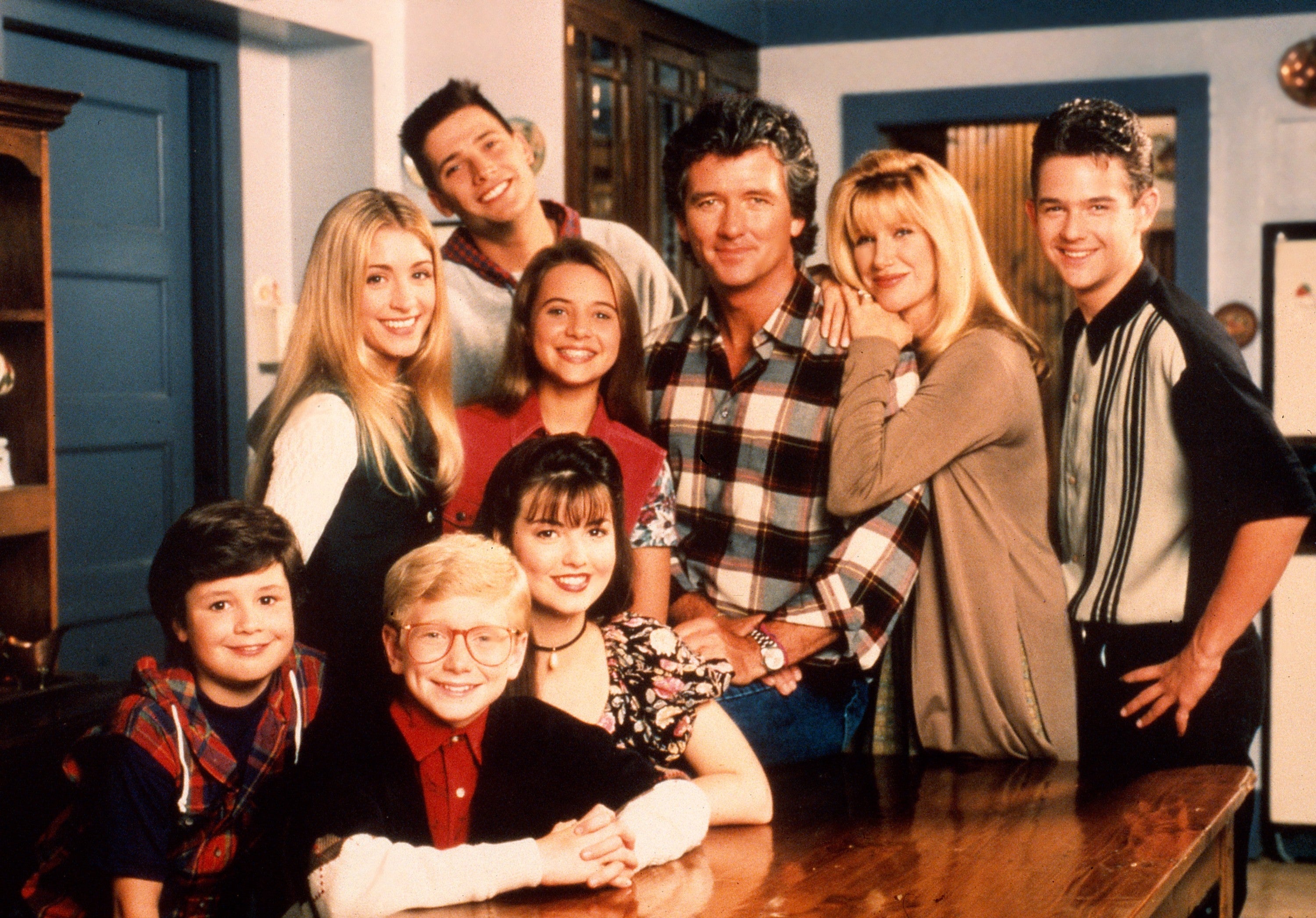
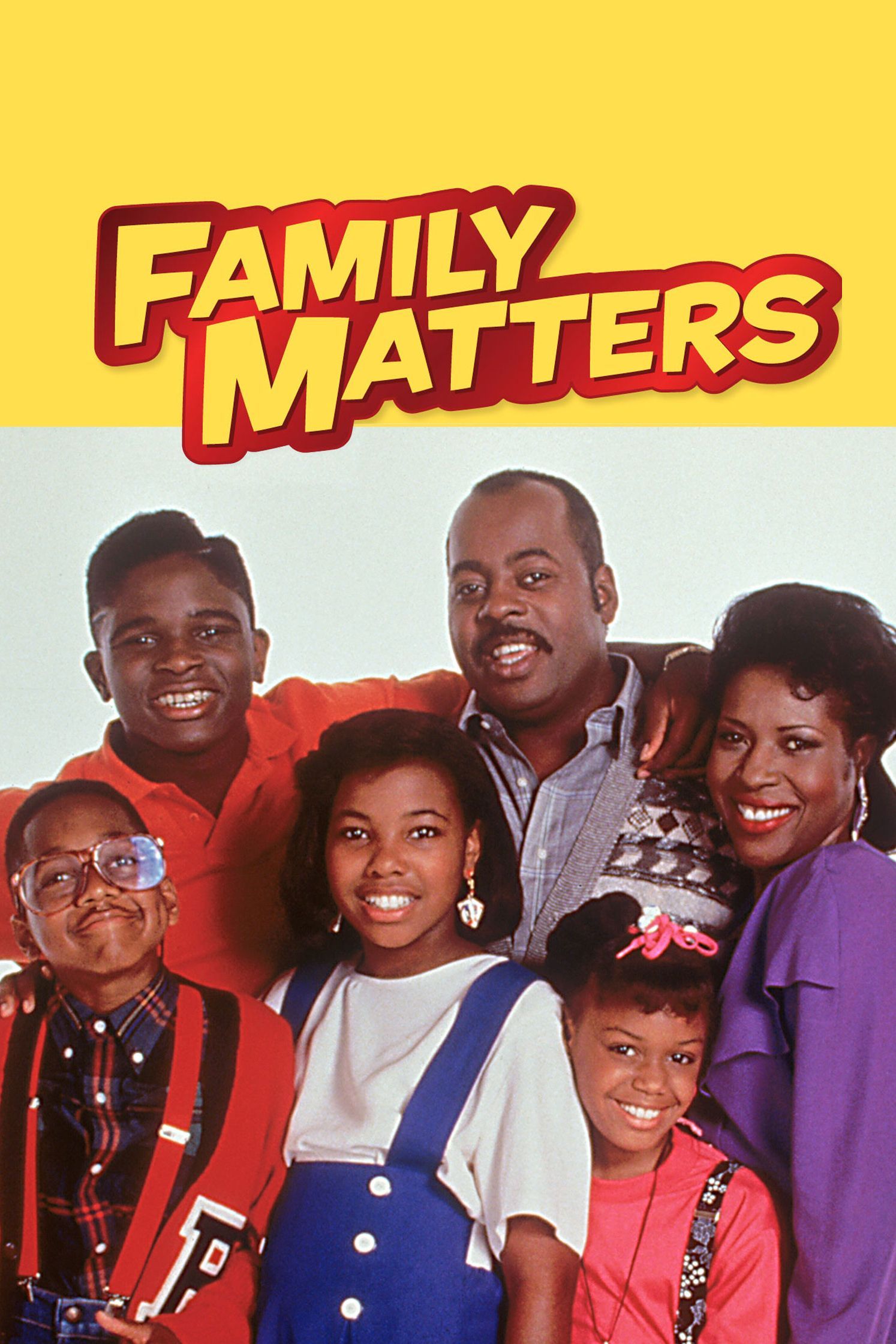
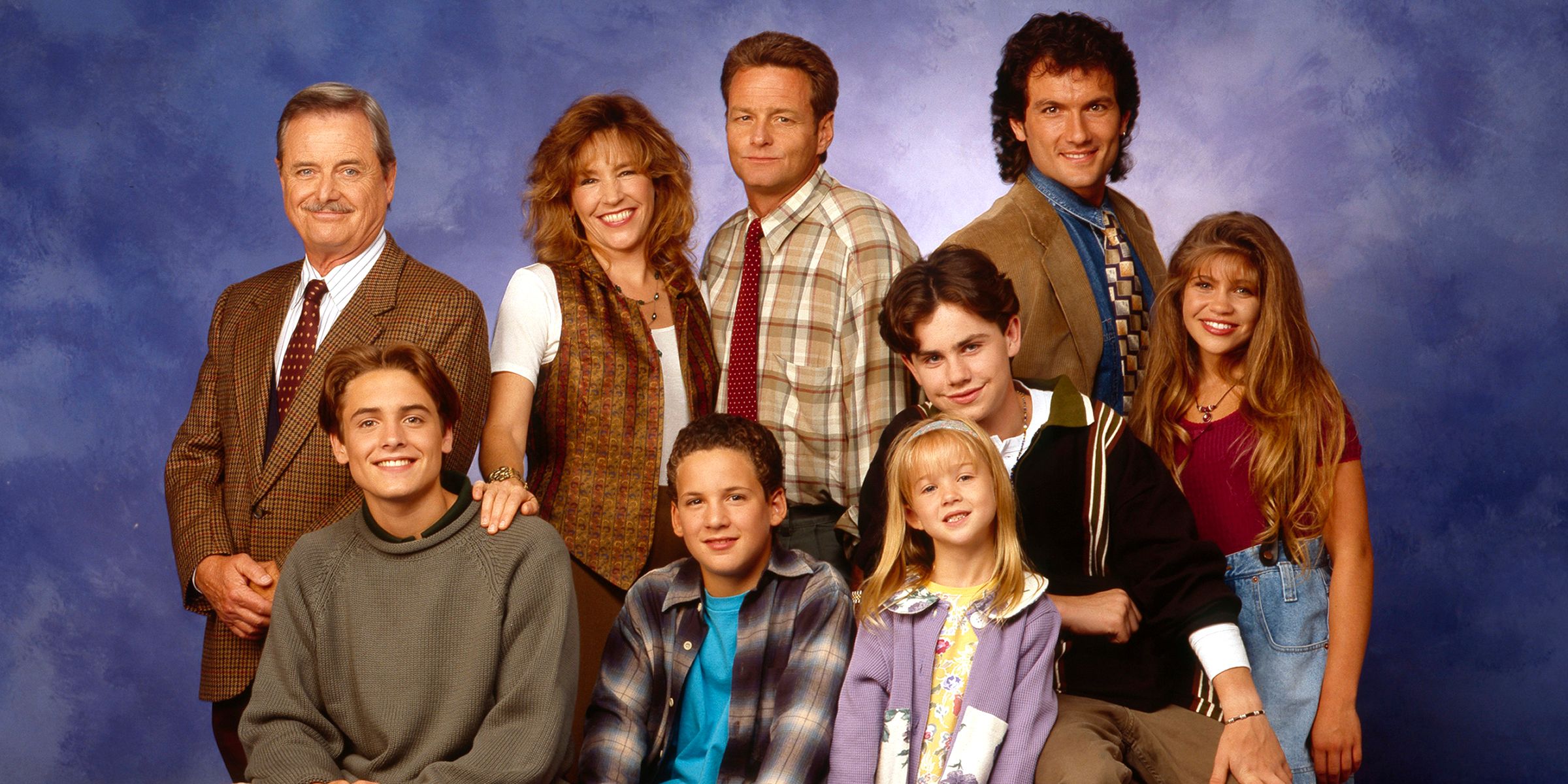
The 90s sitcom is defined by the dominance of the multi-camera setup, live studio audiences, and a shift from traditional family-unit narratives to "hangout" comedies centered on friend groups. These programs served as the cornerstone of network "Must See TV," influencing global fashion, language, and social norms while remaining some of the most-streamed content in 2026.
The Evolution of the Situation Comedy in the 1990s
The transition from the 1980s to the 1990s marked a significant philosophical shift in television comedy. While the 1980s were largely characterized by the "wholesome family" model—exemplified by shows like The Cosby Show or Growing Pains—the 1990s introduced a more cynical, observational, and urban aesthetic. This era saw the rise of the "show about nothing," a term famously associated with Seinfeld, which prioritized character quirks and mundane social faux pas over moral lessons or sentimental resolutions.
The structural evolution of the genre was driven by the competitive landscape of the Big Four networks (NBC, ABC, CBS, and the burgeoning FOX). To capture the lucrative young-adult demographic, writers began focusing on the "urban tribe"—groups of young professionals navigating life in major cities. This shift reflected changing societal demographics, as more people delayed marriage and found community through peer groups rather than traditional nuclear families.
By the mid-1990s, the "Must See TV" block on NBC became a cultural juggernaut, proving that sitcoms could be both critical darlings and massive commercial successes. This period also saw the experimental rise of the "mockumentary" and "single-camera" formats late in the decade, though the multi-camera, stage-bound production remained the industry standard for the majority of the 90s.
The Architectural Pillars: Seinfeld and Friends
Any analysis of the 90s sitcom must begin with the two shows that defined the decade's television landscape: Seinfeld and Friends. While they shared a New York City setting, their approaches to comedy and character development were fundamentally different, representing the two poles of the genre.
Seinfeld: The No-Hugging, No-Learning Rule
Running from 1989 to 1998, Seinfeld broke the established rules of the sitcom. Created by Larry David and Jerry Seinfeld, the show famously adhered to a "no hugging, no learning" policy. This meant that characters never grew emotionally, never apologized for their selfish behavior, and rarely faced permanent consequences for their actions. Technically, the show was revolutionary for its "interlocking plots," where three or four seemingly unrelated storylines would converge in a chaotic, often disastrous climax.
Friends: The Global Cultural Phenomenon
Premiering in 1994, Friends took the "hangout" premise and infused it with aspirational aesthetics and serialized romance. Unlike the episodic nature of Seinfeld, Friends relied heavily on long-term character arcs, specifically the "will-they-won't-they" dynamic between Ross Geller and Rachel Green. The show’s impact on 20th-century culture was unprecedented, influencing everything from hairstyles ("The Rachel") to the ubiquity of coffeehouse culture. In 2026, it remains a primary driver of subscriptions for streaming platforms like Max, demonstrating a timeless appeal across generations.
Technical Characteristics and Production Standards
The 90s sitcom was built on a specific set of technical constraints and artistic choices that defined its look and feel. Understanding these elements is essential for appreciating the craft behind these long-running hits.
- Multi-Camera Setup: Most 90s sitcoms were filmed using three or four cameras simultaneously. This allowed for continuous takes, much like a stage play, which helped maintain the comedic timing and rhythm between actors.
- The Live Studio Audience: Unlike the "laugh tracks" (canned laughter) of earlier decades, many 90s shows were filmed before a live audience of 200–300 people. This feedback loop was vital for comedians like Tim Allen (Home Improvement) or Roseanne Barr, allowing them to adjust their delivery based on real-time reactions.
- Aspect Ratio and Resolution: Originally broadcast in a 4:3 aspect ratio, many of these shows have undergone extensive remastering. In 2026, viewers typically access these programs in 16:9 widescreen high-definition. This process often involves scanning the original 35mm film negatives, though it sometimes results in "goofs" where production equipment or stand-ins are visible at the edges of the frame that were never meant to be seen.
- The "Bottle Episode": Due to budget constraints or production delays, many 90s sitcoms perfected the "bottle episode"—an episode confined to a single location with a minimal cast. These episodes, such as Seinfeld's "The Chinese Restaurant," are now studied by screenwriters for their mastery of dialogue-driven tension.
Diversity and Social Commentary Through Comedy
While the most famous 90s sitcoms were often criticized for their lack of diversity, the decade also produced groundbreaking series that focused on underrepresented communities and addressed complex social issues.
The Fresh Prince of Bel-Air used the "fish out of water" trope to explore themes of class, race, and identity within the Black community. It successfully balanced broad physical comedy with poignant moments regarding fatherhood and systemic inequality. Similarly, Living Single provided a nuanced look at the lives of four Black women in Brooklyn, predating and arguably providing the blueprint for Friends.
Other shows, such as Roseanne and The Conners, focused on the blue-collar working class, dealing with topics like unemployment, domestic struggles, and economic anxiety. The Nanny brought Jewish culture and working-class sensibilities to the forefront of network television, while Ellen made history in 1997 when its lead character came out as gay, a pivotal moment for LGBTQ+ representation that faced significant controversy at the time.
Comparative Overview of Major 90s Sitcoms
The following table summarizes the key metrics and legacies of the most influential sitcoms from the 1990s.
| Show Title | Years Active | Primary Setting | Core Theme | Streaming Home (2026) |
|---|---|---|---|---|
| Seinfeld | 1989–1998 | Upper West Side, NYC | Observational/Social Taboos | Netflix |
| Friends | 1994–2004 | Greenwich Village, NYC | Peer Groups/Adulthood | Max |
| The Fresh Prince | 1990–1996 | Bel-Air, CA | Class/Family Dynamics | Hulu / Max |
| Frasier | 1993–2004 | Seattle, WA | High Culture/Intellectualism | Paramount+ |
| The Nanny | 1993–1999 | Manhattan, NYC | Working Class vs. Wealthy | Max |
| Home Improvement | 1991–1999 | Detroit, MI | Masculinity/Family Life | Disney+ |
| Living Single | 1993–1998 | Brooklyn, NYC | Black Professionalism | Hulu |
| Will & Grace | 1998–2006 | New York City | LGBTQ+ Friendships | Hulu / Prime Video |
The Economics of Syndication and Streaming in 2026
The enduring value of 90s sitcoms is rooted in the "syndication model." Traditionally, a show needed to reach 100 episodes to be eligible for syndication, where local stations would buy the rights to air reruns. This created a massive secondary market that made creators and stars incredibly wealthy.
In the current landscape of 2026, the economics have shifted toward global SVOD (Subscription Video on Demand) licensing. Streaming giants view 90s sitcoms as "comfort TV"—reliable content that reduces "churn" (subscribers canceling their service). Because these shows often have 200+ episodes, they provide hundreds of hours of low-stakes viewing that audiences frequently use as background noise or for repeat "comfort" watches.
The licensing fees for these legacy hits continue to break records. In 2026, the domestic rights for a top-tier 90s sitcom can fetch upwards of $500 million for a five-year window. This is because these shows possess a unique multi-generational appeal; Gen X and Millennials watch for nostalgia, while Gen Z and Gen Alpha discover them as "new" content through social media clips and "out of context" memes.
Frequently Asked Questions
What defines a "90s sitcom" compared to modern comedies?
The primary difference lies in the production format and the narrative stakes. Most 90s sitcoms utilized the multi-camera setup with a live audience, creating a rhythmic, joke-heavy experience often referred to as "setup-punchline" writing. Modern comedies often favor the single-camera "cinematic" look (like The Bear or Abbott Elementary) and often blur the lines between comedy and drama (dramedy), whereas 90s sitcoms generally remained strictly within the comedic genre.
Why is Seinfeld often called a "show about nothing"?
This label originated from a meta-storyline within the show itself where the characters pitch a sitcom to NBC. In reality, the show was about how a comedian gets his material. It focused on the minute details of daily life—waiting for a table at a restaurant, losing a car in a parking garage, or the etiquette of "double-dipping" a chip—rather than grand plot points or emotional growth.
Are 90s sitcoms still relevant to younger audiences in 2026?
Yes, they are highly relevant due to their "infinite rewatchability" and the relatability of their core themes. Despite the outdated technology (pagers, landlines) and some dated social perspectives, the struggles of dating, workplace dynamics, and maintaining friendships remain universal. Social media platforms like TikTok and Instagram have also revitalized these shows by turning iconic scenes into viral trends.
Which 90s sitcom had the highest viewership for its finale?
The Seinfeld finale, which aired in May 1998, remains one of the most-watched television events in history, drawing approximately 76 million viewers. While the Friends finale in 2004 (technically just past the 90s era) drew 52.5 million, Seinfeld holds the record for the 90s decade specifically.
What is the "100-episode rule" for sitcoms?
The 100-episode rule was an industry standard stating that a series needed at least 100 episodes (roughly five seasons) to be viable for daily "strip" syndication. This allowed a local station to air the show five days a week for 20 weeks without repeating an episode. While streaming has made this rule less absolute, it remains a benchmark for a show's long-term financial success.
Practical Recommendation for Curating a 90s Watchlist
For those looking to explore the genre in 2026, the best approach is to categorize your viewing by "sub-genre" to appreciate the diversity of the era. Start with the "The Big Three" (Seinfeld, Friends, and Frasier) to understand the peak of the network era. These shows provide the highest production values and the most refined examples of the multi-cam format.
Next, explore the "Alternative Voice" sitcoms like Living Single or The Fresh Prince to see how creators worked within the sitcom structure to provide unique cultural perspectives. For those interested in the evolution of the format, watch the final seasons of 90s hits alongside early seasons of 2000s shows to see how the transition to single-camera filming began to take hold. Most 2026 streaming interfaces now offer "Decade Folders," making it easier than ever to filter content by original air date.